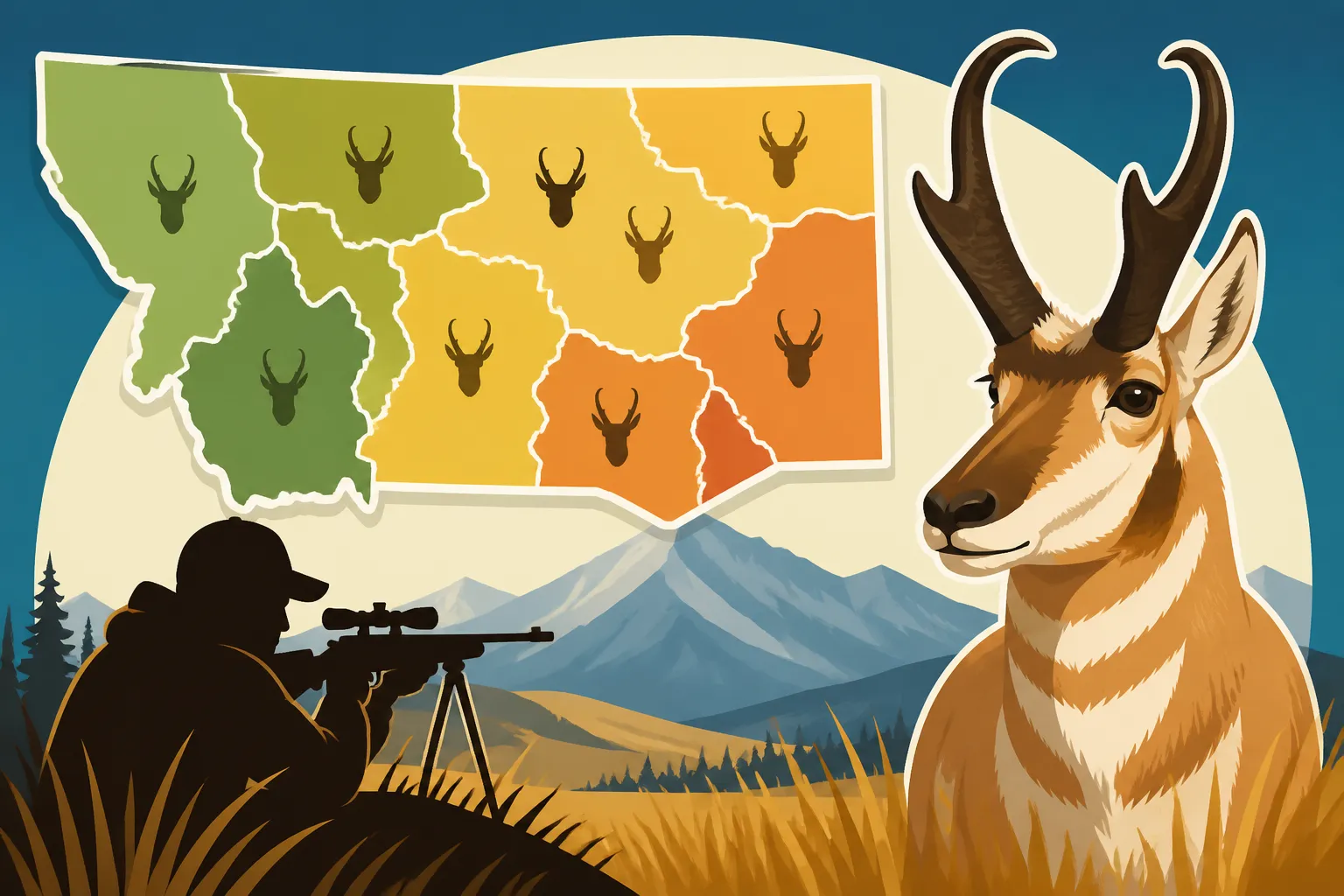
Montana Antelope Trophy Potential by District
The dream of a trophy antelope buck in Montana is a powerful one, often conjuring images of wide-open plains and speed goats with impressive headgear. But let's be real, finding those truly exceptional bucks isn't just about showing up with a rifle; it's about knowing where to focus your efforts. This guide is here to walk you through understanding Montana's antelope trophy potential by district, helping you pinpoint the areas where your odds of spotting a Boone & Crockett contender are genuinely higher.
Understanding Trophy Antelope Characteristics
Before we dive into specific districts, it's crucial to understand what makes an antelope a "trophy" in the first place. It’s not just about a big body; it’s all about those distinctive horns. Unlike deer or elk, antelope shed their horn sheaths annually, leaving a bony core, so you’re looking at a unique growth pattern. Knowing what to look for will make you a much more effective scout and hunter.
Boone & Crockett vs. Pope & Young Minimums
When hunters talk about trophy animals, they usually refer to the Boone & Crockett Club (B&C) for rifle-killed animals or the Pope & Young Club (P&Y) for archery-killed animals. These organizations set specific minimum scoring requirements for inclusion in their record books, which gives us a standardized way to define a "trophy."
For a typical American Pronghorn (that's the official name for our beloved antelope), the minimum score for the Boone & Crockett awards book is generally 82, and for the all-time record book, it's 82. The Pope & Young minimums are usually a bit lower, typically around 67 for the awards and 67 for all-time. These numbers represent a composite score based on several measurements, not just the length. What does this mean for you? It means you're looking for an animal with not only good length but also significant mass, good prongs, and solid tip-to-tip spread. Don't just get fixated on inches; a balanced set of horns is what really scores well.
Key Antler Characteristics for Scoring
Judging a trophy antelope in the field can be tricky, especially with their unique horn structure and the open country mirages playing tricks on your eyes. Here's a breakdown of what really adds up on the score sheet:
- Length of Horn: This is the most obvious one. You want long, sweeping horns. Anything approaching 14-15 inches is starting to get interesting, and 16+ inches is certainly a great buck.
- Prong Length: The prong is that forward-pointing projection on the main horn. A good, long prong—say, 5-7 inches or more—adds significant points. It should be well-defined and sharp.
- Mass Measurements: This is where many hunters get fooled. A buck might have decent length, but if his horns are thin and spindly, he won't score high. Mass is measured at four points along each horn, so you want thick, heavy bases that carry that mass throughout the length. Look for horns that appear robust and cylindrical, not flattened or delicate.
- Tip-to-Tip Spread: While not a direct measurement added to the score, a good tip-to-tip spread often indicates overall horn development and a symmetrical appearance, which can correlate with better mass and length. It's a visual indicator that often suggests a high-scoring buck.
- Antelope's Age: Like most big game, older bucks tend to have larger, more mature horns. An antelope buck typically reaches his trophy potential around 4-7 years old. Younger bucks might have good length but often lack the mass that older bucks carry. Observing how to Field Judge a Montana Pronghorn can really sharpen your eye.
Top Montana Districts for Trophy Antelope Potential
Montana is a big state, and while antelope are widespread, not all areas are created equal when it comes to trophy potential. Some regions, particularly the eastern plains and certain central Montana areas, consistently produce bigger bucks due to a combination of genetics, forage quality, and herd management. This isn't just anecdotal; harvest statistics and record book entries back this up.
Eastern Montana Plains Powerhouses
When you talk about trophy antelope in Montana, your mind should immediately turn to the vast, sagebrush-dotted expanses of Eastern Montana. These areas are truly the heart of antelope country, offering abundant feed and suitable habitat for these animals to thrive and reach their full potential.
- Region 7 (Southeastern Montana): This region is often cited as a prime destination for trophy antelope. Districts like HDs 700, 702, 704, 730, 735, 740, and 760 are frequently mentioned. These districts are characterized by expansive grasslands, rolling hills, and abundant agricultural fields, providing excellent nutrition. The relatively lower human population density compared to western Montana also means less disturbance and more opportunity for bucks to age. Many hunters specifically target these areas, and for good reason—they have a history of producing bucks that make the record books. The sheer number of antelope in these districts also increases your chances of finding a truly exceptional one. If you're planning on Hunting Eastern Montana for Antelope, these districts are a great starting point.
- Region 6 (Northeastern Montana): Similar to Region 7, Region 6 offers tremendous antelope hunting, particularly in districts like HDs 620, 622, 630, and 690. These areas are known for their vast public land, including extensive BLM lands and state lands, interspersed with private ranches. The habitat is rich in forbs and grasses that antelope love, supporting healthy, growing populations. While the antelope numbers can fluctuate with drought conditions, these districts consistently offer opportunities for hunters seeking a quality buck. The flat terrain makes for ideal spot-and-stalk hunting, allowing you to glass vast areas and pick out the best animals.
Central Montana Gems
While the eastern plains often steal the spotlight, Central Montana also holds its own when it comes to trophy antelope. These regions can sometimes be overlooked, but they offer fantastic opportunities, often with a slightly different landscape.
- Region 4 (North Central Montana): Districts in Region 4, such as HDs 400, 401, 403, 404, 405, 410, and 417, blend plains habitat with more rolling, broken terrain and even some isolated mountain ranges. This variety of habitat can sometimes concentrate antelope in specific areas, making them easier to locate. While the antelope populations might not be as dense as in the far eastern parts of the state, the quality of bucks can be exceptional. Many of these districts have a mix of public and private land, and understanding how to navigate Montana Block Management Areas Explained can unlock excellent access to trophy animals.
- Region 5 (South Central Montana): Areas like HDs 500, 501, 510, and 520 in Region 5 can also yield impressive antelope. This region offers a diverse landscape, from the fringes of mountain ranges to broad river valleys and open plains. Water sources can be a key factor here, especially during hotter parts of the season, and focusing on areas around them can pay dividends. Hunters often find success in these districts by utilizing elevation to glass large areas and then making strategic moves.
Factors Influencing District Potential
It’s not just about historical data; several ongoing factors contribute to a district's ability to consistently produce trophy-class antelope. Understanding these can help you choose the right district even when conditions change.
- Habitat Quality and Forage: Antelope thrive on a diverse diet of forbs, grasses, and shrubs found in healthy prairie and sagebrush ecosystems. Districts with robust and consistent habitat, particularly those with good rainfall and moderate temperatures, tend to produce larger animals. A district that hasn't experienced severe drought in recent years will likely have better forage, leading to bigger bucks.
- Herd Health and Population Density: While it might seem counterintuitive, districts with very high antelope densities don't always produce the biggest trophies. Overpopulation can lead to increased competition for food resources, potentially stunting horn growth. A healthy, balanced herd with sufficient resources and a good buck-to-doe ratio is ideal. Montana Fish, Wildlife & Parks (FWP) works hard to manage these populations to maintain healthy herds.
- Age Structure of Bucks: This is perhaps the most critical factor. For an antelope buck to grow truly large horns, he needs to live long enough. Districts with lower hunter pressure, more difficult access, or specific permit restrictions (like archery-only hunts or limited B licenses) often allow more bucks to reach maturity, leading to higher trophy potential. Hunter harvest rates play a huge role here; districts with consistently high harvest of younger bucks will naturally have fewer older, trophy-class animals.
- Weather and Climate Patterns: Harsh winters with deep snow or prolonged droughts can significantly impact antelope populations and horn growth. A series of mild winters and good moisture years leading up to the hunting season can translate to exceptional horn development across the board. Keep an eye on regional weather patterns when making your district selection.
Researching and Applying for Your Trophy Antelope Tag
Now that you know what to look for and where, the next step is actually getting that coveted tag and making the most of it. This involves diligent research, understanding the draw system, and smart application strategies.
Utilizing Draw Odds and Historical Data
This is where the rubber meets the road. Simply knowing a district can produce trophies isn't enough; you need to know your chances of drawing a tag for it. Montana uses a combination of preference points and bonus points for various species, but for the general antelope draw, it's primarily a bonus point system that favors repeat applicants.
- Montana FWP Website: The Montana Fish, Wildlife & Parks website is your official source for all regulations, season dates, and drawing statistics. You can find detailed reports on harvest success rates, permit quotas, and draw odds for each district. While it can be a bit dry to navigate, this information is invaluable. Pay close attention to the "percent success" column for prior years, as well as the average points required to draw specific permits.
- GoHunt and Other Data Resources: Tools like GoHunt's Insider service are incredibly powerful for this kind of research. They aggregate and analyze FWP data, presenting it in an easy-to-understand format with predictive draw odds. You can filter by species, weapon choice (archery-only vs. general), and trophy potential, seeing how many points it actually took for nonresidents or residents to draw certain tags in previous years. They often highlight units with specific trophy potential based on past harvest data. This kind of platform can save you countless hours of digging through raw FWP PDFs. When researching Montana Antelope Draw Odds Explained, resources like GoHunt become indispensable. They simplify complex data into actionable insights, showing you the point creep and true odds for each unit.
- Historical Harvest Records: Look beyond just draw odds. Some districts might have decent draw odds but rarely produce top-tier bucks. Conversely, highly sought-after districts with tough draw odds often have a history of yielding record-book animals. Checking the B&C or P&Y record books for recent entries from specific Montana counties or districts can give you a clearer picture of true trophy potential.
E-Scouting and On-the-Ground Scouting for Big Bucks
Once you've narrowed down your district choices, it's time to get a closer look, even if it's from your couch.
- Mapping Software (onX, Basemaps, Google Earth): High-quality mapping software is your best friend. Start by identifying public land boundaries (BLM, State Trust Land, National Grasslands) and potential Block Management Areas (BMAs) within your target districts. Look for habitat features that antelope favor: large expanses of sagebrush, draws, isolated hills, and water sources. Antelope are creatures of habit, often using the same travel corridors and bedding areas year after year. Focus on areas with good cover (even slight terrain breaks) adjacent to feeding grounds. Utilize features to understand How to E-Scout Montana Hunting Units. Platforms like onX Hunt are fantastic for this, allowing you to layer private and public land, scout access points, and mark potential buck hangouts long before you ever set foot in the field.
- Identifying Water Sources: Especially in the hotter early archery season or during dry years, water sources are magnets for antelope. Look for windmills, stock tanks, guzzlers, and natural springs. While hunting directly over water can be effective, simply knowing where water is can help you narrow down where bucks will be active. Consider How to Sit Water for Montana Antelope as a specific tactic.
- On-the-Ground Reconnaissance: If possible, there's no substitute for getting boots on the ground. Even a quick scouting trip in the spring or summer can give you invaluable insight into herd numbers, buck quality, and overall habitat conditions. Drive the roads, glass from high points, and talk to locals if you can. Look for tracks, droppings, and shed horn sheaths to confirm antelope presence and recent activity.
Application Strategies for Nonresidents and Residents
Applying for a Montana antelope tag, particularly a coveted permit for a trophy district, requires a strategic approach.
| Applicant Type | Application Method | Key Strategy | Draw Odds Enhancement |
|---|---|---|---|
| Nonresident | Combination License + Antelope Tag Application | Apply for the Nonresident Big Game Combination or Deer Combination license first. Then apply for the Antelope permit. Purchase a preference point annually if unsuccessful. | Consistently building How Many Points for a Montana Antelope Tag is paramount. Research districts that are attainable with your current points or set a long-term goal for high-demand units. |
| Resident | General Antelope License or Specific Permits | Residents can apply for a general antelope license or specific permits. Often, general licenses are over-the-counter or have much better odds. | Focus on districts with good harvest data and age structure. Residents have a much higher chance of drawing general tags, allowing for more frequent hunts and better understanding of local herds. |
- Preference Points (for Nonresidents): Montana's preference point system primarily applies to the combination licenses. For antelope, it's largely a bonus point system, where you get an extra "chance" in the draw for each year you've applied unsuccessfully or purchased a bonus point. These points accumulate, so consistent application or purchasing of points annually, even if you don't draw your desired tag, is absolutely essential. Using a service like GoHunt can help you track your points and predict when you might be successful in high-demand units.
- Bonus Points (for all): For specific permits (like the highly coveted 900 series antelope tags which often offer higher trophy potential or more lenient season dates), Montana uses a bonus point system. Each year you apply and are unsuccessful, you earn a bonus point. All your accumulated bonus points are squared for the drawing, meaning more points significantly increase your odds. For example, 3 points give you 9 chances, 4 points give you 16 chances. This system rewards loyalty.
- Timeline and Deadlines: The application period for most Montana big game, including antelope, typically opens in January and closes around April 1st. Missing this deadline means you'll have to wait another year. Mark your calendar, set reminders, and be diligent. Check the Montana Big Game Draw Deadlines annually, as dates can shift slightly.
- Choosing Hunt Codes: Each district and weapon choice has a specific hunt code. Make sure you're applying for the correct code for the district you've researched and determined has trophy potential. Sometimes a general unit will have a specific "antlered only" permit with better odds or a different season structure that could increase your chances at a trophy.
In conclusion, hunting for a trophy antelope in Montana is an exciting endeavor that demands preparation and smart decision-making. By understanding what makes a trophy, focusing on historically productive districts in Eastern and Central Montana, and diligently researching draw odds, you significantly improve your chances of tagging that buck of a lifetime. Remember, patience and persistence are key, both in the application process and in the field.
Disclaimer
Please note that hunting regulations, season dates, and draw odds in Montana are subject to change annually by Montana Fish, Wildlife & Parks (FWP). Always consult the most current FWP regulations before planning any hunt or applying for licenses. This guide provides general information and recommendations based on historical data and common hunting practices but is not a substitute for official FWP documentation.