Montana Elk Trophy Potential by District
We all dream of that giant bull, the one with antlers that seem to defy gravity, a rack that tells a story of years spent navigating Montana's rugged terrain. But when you look at a map of Big Sky Country, with its countless hunting districts, trying to pinpoint where that dream is most likely to become a reality can feel like searching for a needle in a haystack. This guide is here to demystify the pursuit of trophy elk in Montana, breaking down what "trophy potential" really means and how to approach finding those special districts.
Understanding "Trophy Potential" in Montana Elk
Before we dive into specific areas, let's talk about what "trophy" actually means. For some, it's any bull, a testament to a hard-earned hunt in challenging country. For others, it's about Boone & Crockett (B&C) scores, a benchmark of antler size and symmetry. It's easy to get caught up in the optics of social media, seeing giant bulls draped over mountain peaks, but the reality on the ground often looks a little different.
What Defines a Trophy Bull?
For many serious elk hunters, a "trophy" typically refers to a mature bull, often 6×6 or larger, with a gross score that reaches or exceeds the B&C minimums for entry into their record book (currently 375 for typical and 360 for non-typical American elk). However, it's crucial to understand that these are minimums, and the vast majority of bulls harvested, even mature ones, won't reach those numbers. Your definition might be much simpler: a bull that challenges you, makes your heart pound, and provides a lifetime of memories. The sheer scale and beauty of a mature Montana bull, regardless of its score, is a trophy in itself.
Beyond raw score, the definition of a trophy also involves the age of the animal. Older bulls, generally those 5.5 years and up, have had the most time to develop their antler mass and points. While a 2.5-year-old 6×6 can be exciting, it's the 7.5 or 8.5-year-old bulls that often carry the truly impressive headgear. Factors like genetics, nutrition, and even drought conditions in previous years can significantly impact antler growth, creating variations year to year and district to district. You might find a district with excellent genetics, but a harsh winter or dry summer could impact antler development for a season or two. This is where keeping an eye on long-term trends and specific local conditions becomes key.
Realistic Expectations Versus Social Media Hype
Let's be honest, the internet and social media have changed the game. Every fall, your feed is flooded with photos of colossal bulls, making it seem like every hunter in Montana is tagging a B&C monster. This can set unrealistic expectations. The truth is, hunting true giants is incredibly difficult and often requires a combination of years of scouting, significant physical effort, specialized skills, and a healthy dose of luck.
Many of those "trophy districts" are limited entry units with terrible draw odds, meaning non-residents (and even many residents) will wait decades, if ever, to draw a tag. Even in general units, while big bulls are certainly present, they are often few and far between, incredibly elusive, and living in the most rugged, remote country. Going into a hunt with realistic expectations will lead to a much more satisfying experience, allowing you to appreciate the entire journey rather than solely focusing on a Boone & Crockett score. It's about the challenge, the wild places, and the meat for the freezer.
Key Districts Renowned for Trophy Elk
Montana has some truly incredible elk country, but not all of it is created equal when it comes to consistently producing top-end bulls. Certain hunting districts (HDs) have a reputation, often well-earned, for growing bigger-than-average elk. These are usually areas with a combination of prime habitat, good genetics, lower hunter pressure, and often, more restrictive hunting regulations or difficult access that allows bulls to reach older age classes.
The "Big Bull" Hotspots
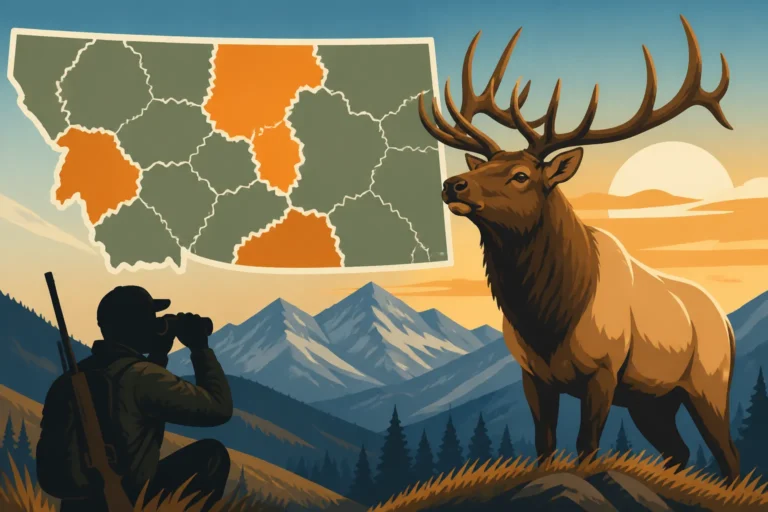
While "trophy districts" can shift slightly with management changes, harvest pressure, and environmental factors, a few areas consistently surface in discussions about top-tier elk. These districts often fall within areas known for their wilderness character or specific habitat features. For instance, parts of Region 2 and Region 3 are frequently mentioned for their potential.
One area that often comes up is the Missouri Breaks. While known more for its mule deer, certain districts within the Breaks can produce exceptional bulls, especially those bulls that thrive in the rugged, broken country where access is limited. Similarly, the country bordering the Bob Marshall Wilderness Complex or other vast wilderness areas like the Absaroka-Beartooth or Anaconda-Pintler can be fantastic, though these areas demand significant physical effort and backcountry experience. The ability of elk to seek refuge in these roadless, high-elevation zones allows them to age.
It's not just about famous wilderness areas, though. Some specific, often limited-entry, districts outside these vast wilderness tracts might have very specific regulations (like antler point restrictions) or very low permit quotas that allow more bulls to mature. These are often the districts that require many years of preference points or bonus points to draw.
Characteristics of Trophy-Producing Areas
What makes these areas so special for growing big bulls?
- Age Class Structure: The most critical factor is the ability for bulls to reach older age classes (5.5+ years). This means lower harvest rates on young bulls, either through difficult access, low hunting pressure, or strict antler regulations (e.g., 6-point minimum).
- Nutrient-Rich Habitat: Healthy bulls need good forage. Districts with diverse vegetation, excellent water sources, and mineral licks contribute to overall herd health and robust antler growth. This includes areas with a mosaic of timber, open parks, and south-facing slopes that green up early.
- Low Hunter Pressure: While Montana's public lands are popular, the best trophy areas often require significant effort to reach, effectively self-selecting for fewer hunters. This can mean multi-day pack-in hunts, navigating dense timber, or traversing extremely steep and rugged terrain. Check out our guide on how to hunt elk in Montana's wilderness for more insights on this kind of effort.
- Genetics: While harder to quantify or manage, some regions simply have a genetic predisposition for larger antlers. This is often tied to historical factors and the sustained health of the herd.
- Refuge Areas: These districts often contain large expanses of secure habitat where elk feel safe, away from human disturbance, allowing them to feed, rest, and avoid stress. Dark timber, steep canyons, and remote benches are common examples.
Here’s a simplified table illustrating hypothetical district characteristics and their typical trophy potential:
| Characteristic | Hunting District Type A (High Potential) | Hunting District Type B (Medium Potential) | Hunting District Type C (Lower Potential) |
|---|---|---|---|
| Access | Very Remote / Wilderness, Pack-in only | Remote, some road access, significant hiking | Fairly accessible, more roads |
| Hunter Pressure | Very Low | Moderate | High |
| Regulations | Limited Entry / Permit, Antler Restrictions | General Season, Bull Only | General Season, Bull Only, or Antlerless |
| Habitat | Diverse, high elevation, good forage | Good, mixed timber and open | Patchy, fragmented, more private land |
| Age Class | High percentage of mature bulls | Moderate percentage of mature bulls | Low percentage of mature bulls |
| Trophy Odds | Highest, but hardest to draw/access | Moderate, good chance for mature bull | Lower, but higher success rate for any bull |
How to Research and Identify Potential Trophy Units
Identifying those special hunting districts isn't about blind luck; it's about smart, focused research. The Montana Fish, Wildlife & Parks (FWP) website is your first, best friend, providing a treasure trove of data that can help you cut through the noise.
Delving into FWP Data and Harvest Reports
The Montana FWP website is an absolute goldmine. They publish annual harvest reports that detail success rates, hunter numbers, and, critically, the composition of the harvest within each hunting district. You can often find data on the number of antlered versus antlerless elk taken, and sometimes even a breakdown of bull age classes or antler configurations.
When you're sifting through this data, look for districts that show:
- Lower overall hunter success rates but a higher percentage of mature bull harvest. This often indicates a challenging hunt, but one where the bulls that are harvested are older and larger.
- Districts with specific antler point restrictions (e.g., 4-point or 6-point minimums). These regulations are designed to protect younger bulls and allow them to mature, increasing the potential for larger antlers in later years.
- Trends over several years. Don't just look at one year's data. A single good year could be an anomaly. Look for consistent patterns of mature bull harvest.
- Low hunter numbers or difficult access indicated by low hunter days. This often correlates with lower pressure and older bulls.
Understanding how Montana's general versus permit tags work is also crucial here. Often, the districts with the highest trophy potential are limited-entry permit areas, meaning you need to draw a special permit. This leads to much lower hunter numbers and therefore less pressure on the elk herd. Our guide on Montana general vs permit tags explained can help clarify these differences.
Utilizing E-Scouting Tools and Digital Resources
Once you've identified some promising districts, it's time to hit the digital maps. Tools like GoHunt's INSIDER platform are invaluable for this type of research. They aggregate FWP data, draw odds, and provide detailed unit profiles, making it much easier to compare districts side-by-side. You can filter by species, season, and even trophy potential, saving you countless hours of digging through raw FWP PDFs.
Beyond aggregate data, you'll want to dive into topographical and satellite imagery. This is where tools like onX Hunt (and the GoHunt maps integration) really shine.
- Identify potential escape cover: Look for vast expanses of dark timber, north-facing slopes, and remote canyons that offer elk security.
- Locate feeding areas: Identify open meadows, clearcuts, or south-facing slopes that provide good forage.
- Pinpoint water sources: Elk need water, especially during early seasons. Look for creeks, springs, and wallows.
- Analyze access points: Are there roads that penetrate deep into the unit? Or are there large roadless areas that require extensive hiking or packing in? The harder the access, the lower the pressure typically. Our guide on how to E-Scout Montana Hunting Units provides a deeper dive into these techniques.
- Consider elevation: Trophy bulls often summer and early-season in higher elevations before migrating down. Look for basins and ridges above 8,000 feet, but also understand their migration corridors.
Understanding Draw Odds and Permit Requirements
This is where the rubber meets the road for many nonresident hunters, and even residents. The districts with the highest trophy potential are almost invariably permit-only units with extremely tough draw odds. Many of these require years, sometimes even decades, of accumulating preference points to have a realistic chance. If you're looking for a hunt in the next year or two as a nonresident, focusing solely on these units might lead to disappointment.
It’s essential to understand the distinction between preference points and bonus points in Montana. Preference points, used for the general elk/deer combo licenses, increase your odds linearly. Bonus points, used for limited-entry permits, work like a lottery ticket—every point you have gives you an extra entry, but it's still a random draw. Our guide on Montana preference points vs bonus points explains this in detail.
For nonresidents, the challenge is amplified by limited quotas. Montana has a cap on the number of nonresident big game combination licenses issued, and even fewer limited-entry permits are available to those out-of-state hunters. This often means carefully weighing the dream of a true trophy unit against the reality of drawing a tag. Sometimes, focusing on general units with solid but not "world-class" potential, where you can purchase an over-the-counter or guaranteed license, is a more practical approach. This is especially true if you want to experience a Montana DIY Elk Hunting Guide or a Montana Backcountry Hunting Guide without waiting years for a permit.
Factors Beyond District Choice for Trophy Elk
While picking the "right" district certainly increases your odds of encountering a trophy bull, it's far from the only variable. Elk hunting, especially for a mature animal, is a complex dance of preparation, skill, and environmental factors.
Hunter Skill, Effort, and Physical Preparation
No matter how great a district's trophy potential, it means little if you can't get to where the elk are, or effectively hunt them once you're there.
- Physical Conditioning: Trophy bulls often live in the toughest, steepest, most remote country. Being in peak physical condition is paramount. This means being able to hike for miles with a heavy pack, ascend steep grades, and maintain focus throughout a grueling day. Many hunters underestimate the physical demands of high-country elk hunting. Building a solid Montana Elk Hunt Fitness Plan is non-negotiable.
- Hunting Skill and Experience: Locating, approaching, and ethically harvesting a mature bull requires a specific skill set. This includes proficient glassing techniques, understanding elk behavior, effective calling strategies, and excellent shooting fundamentals under pressure. Learning how to glass for Montana mule deer or other species can directly translate to elk hunting success.
- E-Scouting and On-the-Ground Scouting: Beyond initial research, dedicated scouting, both remotely and in the field, is crucial. Understanding the elk's preferred bedding, feeding, and travel corridors specific to your hunting area can make all the difference. Knowing How to E-Scout Montana Elk Before the Season is a game-changer.
- Mental Fortitude: Elk hunting tests your resolve. The mountains are tough, the weather can be brutal, and elk can be incredibly frustrating. The ability to stay positive, persevere through discomfort, and learn from every encounter is vital.
Weather Patterns and Their Impact on Elk Movement
The weather is often the invisible hand that dictates elk movement and activity, sometimes even more than hunter pressure.
- Early Season (Archery): Warm, dry conditions can push elk into thicker timber and higher elevations, making them harder to find and call. Cooler temperatures, especially after a summer rain, can invigorate them, making them more active and vocal. Knowing How to Hunt Montana Elk in Early Archery Season often means adapting to these conditions.
- The Rut: This is the magic time for many, but even during the peak of the rut, weather matters. Cooler temperatures and overcast skies tend to keep bulls more active throughout the day, while hot, sunny weather will push them into the shade, making calling less effective during midday. Our guide on How to Hunt the Rut in Montana details these considerations.
- Late Season (Rifle and Post-Rut): Snow and cold fronts can trigger elk migration from high-country summer ranges to lower-elevation winter ranges. A fresh blanket of snow can also make tracking easier and highlight elk trails. However, extreme cold can also make elk hunker down, seeking shelter in dense timber. Learning How to Hunt a Cold-Front Elk Push in Montana can be highly effective.
Monitoring long-range weather forecasts and understanding how weather impacts elk behavior in your specific hunting district can give you a significant edge. Elk are creatures of habit, but they are also opportunists, and weather often dictates those opportunities.
The Ever-Present Element of Luck
No matter how much research you do, how fit you are, or how skilled a hunter you become, there's always an element of luck in hunting. You might pick the perfect unit, train for a year, and still get skunked. Or you might stumble upon the bull of a lifetime during an unexpected encounter. That's the beauty and the frustration of it all.
Luck isn't something you can control, but you can certainly influence the probability of good luck. By doing your homework, honing your skills, and putting in the effort, you're stacking the odds in your favor. A prepared hunter in a quality district simply has more opportunities for luck to strike. So, while you can't guarantee a trophy, you can absolutely maximize your chances of having an incredible, unforgettable Montana elk hunt, trophy or not.
Disclaimer
Please be aware that hunting regulations, season dates, and draw odds can change annually. Always consult the official Montana Fish, Wildlife & Parks (FWP) regulations and website for the most current and accurate information before planning any hunting trip. This guide provides general advice and insights based on current knowledge and trends.