Best Time to Hunt Black Bear in Montana
Trying to figure out the "best" time to hunt black bear in Montana can feel like you're staring at a puzzle with a lot of missing pieces. Between spring green-up, fall berry crops, and varying regulations, it’s easy to get overwhelmed and wonder when you truly have the highest chance of success. This comprehensive guide is here to untangle that knot, walking you through the nuances of both spring and fall seasons, highlighting critical factors, and helping you pinpoint the ideal window for your black bear adventure in Big Sky Country.
Understanding Montana Black Bear Seasons
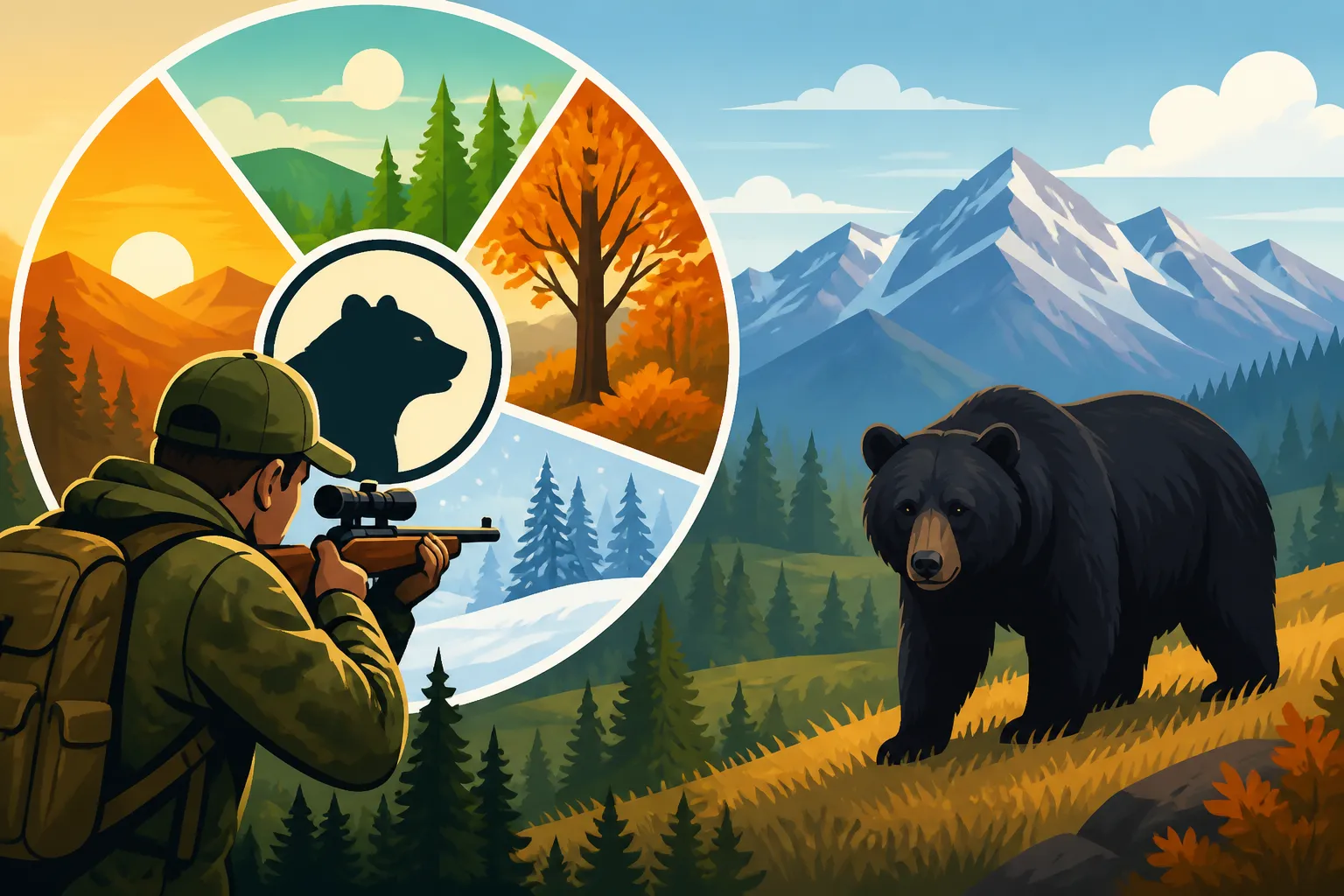
Montana offers both spring and fall black bear hunting opportunities, each with its own unique challenges and advantages. Unlike some other big game species, black bear seasons can vary significantly by hunting district (HD) and even within the same general region. It's crucial to always check the latest Montana FWP regulations for the specific hunting district you plan to pursue bears in, as dates, harvest quotas, and even legal hunting methods (like baiting, where allowed) can differ.
Spring Black Bear Season Dynamics
For many hunters, spring is the time to hunt black bear in Montana. There's something truly special about being out in the mountains as everything awakens, and the bears themselves are often more visible and predictable during this period. Generally, spring seasons run from mid-April through late May or early June, depending on the district and weather conditions.
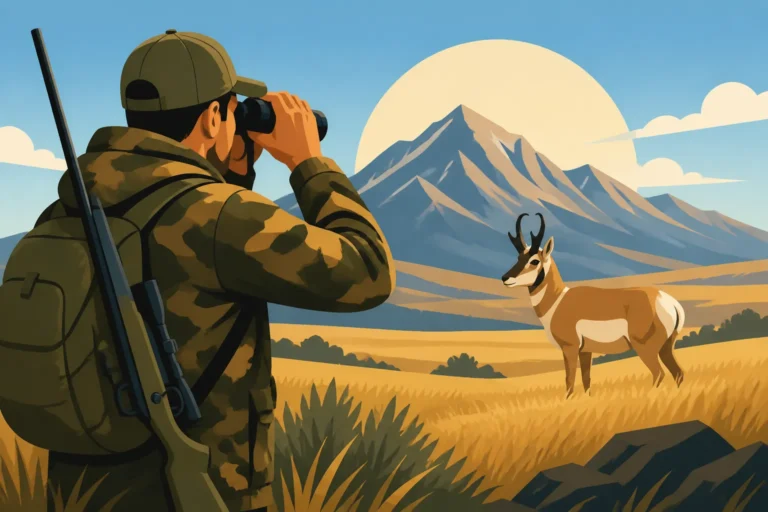
As bears emerge from their dens, often after months of hibernation, their primary focus is replenishing lost calories. This hyperphagia, as it's known, drives them to seek out the first available green forage, which tends to be on south-facing slopes. These slopes warm up fastest, melting snow earlier and allowing vegetation to sprout. Spotting and stalking these foraging bears is a classic Western hunting experience. Hunters often use quality optics to meticulously glass vast areas of timber and open hillsides, looking for that telltale black (or brown, or cinnamon) speck against the green. The challenge lies in judging distance and stalk routes over rugged terrain. It’s also during this time that you might catch a glimpse of Montana Black Bear Spring Feeding Patterns as they transition from initial grasses to broader forages.
Fall Black Bear Season Characteristics
While less popular than spring, the fall black bear season in Montana provides a fantastic opportunity, often overlapping with deer and elk seasons, making it a great add-on for a multi-species hunt. Fall seasons typically run from early September into late November. This period is also driven by hyperphagia, but with a different focus: bears are packing on fat reserves for the upcoming winter hibernation.
Food sources shift dramatically in the fall. Instead of emerging greens, bears are keying in on berry patches, chokecherry thickets, hawthorn, and mountain ash, as well as acorn crops in areas where oaks are present. They also become more nocturnal or crepuscular as hunting pressure increases and temperatures drop. Hunting methods often involve still-hunting through timbered areas with good berry production, sitting on natural food sources, or even hunting along travel corridors between feeding and bedding areas. Understanding Montana Black Bear Behavior in the fall can be crucial to anticipating their movements. Success in the fall often hinges on locating prime food sources that bears are actively using, which can be inconsistent from year to year based on moisture and frost.
Key Factors Influencing Bear Activity
No matter if you're a seasoned bear hunter or planning your first trip, recognizing the environmental cues that dictate bear movement and visibility is paramount. It’s not just about the calendar date; it's about what the weather and the landscape are doing.
Weather and Snowpack Conditions
The timing of spring green-up is perhaps the single most critical factor for early season black bear hunting. A mild winter with low snowpack means an earlier green-up, pushing bears out of their dens sooner. Conversely, a long, snowy winter can delay things by weeks, sometimes pushing the prime hunting window into late May or even early June. Hunters often monitor local snow depths and temperatures to predict when bears will start showing themselves. Areas with heavy snowfall, like parts of Region 1 near Kalispell or the higher elevations in Region 2 around Missoula, will often have later openings or later peak activity compared to more moderate elevations. Keeping an eye on weather forecasts and snow-melt charts can provide a significant advantage in timing your hunt. This is where tools like GoHunt's Insider platform, with its detailed weather and vegetation mapping features, can be invaluable for pinpointing areas likely to hold active bears.
In the fall, an early cold snap or heavy snowfall can send bears scurrying back to their dens much sooner than anticipated, effectively shortening the season. Mild, open falls can prolong bear activity, especially in lower elevation areas. A sudden drop in temperature can trigger a feeding frenzy as bears try to consume as many calories as possible before denning up, presenting a unique opportunity for hunters who are prepared for variable weather. Conversely, unseasonably warm fall weather can make bears lethargic and less visible during daylight hours.
Food Sources and Availability
Black bears are omnivores, and their diet changes with the seasons. Their movements are almost entirely dictated by food availability. In the spring, after emerging from hibernation, they are drawn to fresh, easily digestible greens like grasses, sedges, and forbs found on those sunny, south-facing slopes. As spring progresses, they'll also seek out winter-killed carcasses and grubs. For example, a south-facing slope that melted out early and has lush growth of dandelions or clover can be a black bear magnet. You might want to review Montana Black Bear Population and Range to understand regional food variations.
Come fall, the menu shifts to calorie-rich berries, nuts, and mast crops. Huckleberries, serviceberries, and buffaloberries are prime attractants in the mountainous regions, while acorns and other hard mast are sought after in certain river bottoms and lower elevations. The success of these crops varies year to year. A year with abundant berry crops might see bears concentrated in specific patches, offering excellent hunting. A poor berry year, however, could scatter bears as they search for alternative food sources, making them harder to pattern. Before heading out, researching local conditions for these food sources is highly recommended. Many savvy hunters check online forums, call local FWP offices, or even drive through likely areas to assess berry production before the season.
Elevation and Aspect Considerations
Bears are masters of using elevation and aspect to their advantage, particularly in mountainous terrain. In spring, as mentioned, south-facing slopes are prime early season hunting grounds because they receive the most direct sunlight, warming faster and sprouting vegetation first. As the season progresses and snow melts at higher elevations, bears will often follow the green-up curve upwards, moving to higher country where fresh forage continues to emerge. Hunters frequently focus on the transition zones where snow is receding and new growth is appearing.
In the fall, elevation can also play a significant role. Bears might start at higher elevations feasting on mountain huckleberries, then move down to lower elevations as those crops are depleted or as colder weather sets in. North-facing slopes, which hold moisture longer, can sometimes offer later-season green-up or more resilient berry patches, drawing bears there when south-facing slopes are dry or picked over. Understanding these vertical movements and how they correlate with available food and snowline can be the difference between seeing bears and striking out.
The Best Time: Spring vs. Fall Analysis
Deciding between spring and fall for your Montana black bear hunt often comes down to personal preference, available time, and your desired hunting experience. Both offer unique rewards and challenges.
Spring Bear Hunting: Pros and Cons
Spring bear hunting is incredibly popular, and for good reason. The fresh air, the budding landscape, and the focused behavior of bears make for an exhilarating hunt.
Pros:
- Predictability: Bears are highly focused on food, making them more predictable. They tend to gravitate towards south-facing slopes and areas where green-up is occurring, simplifying scouting.
- Visibility: With less vegetation, bears often stand out against the landscape, and open hillsides make glassing highly effective. This is particularly true in areas like the Missouri Breaks or parts of eastern Montana where timber is sparser.
- Lower Hunter Pressure (Early Season): While spring is popular, the earliest parts of the season can see fewer hunters, especially in backcountry areas.
- Trophy Potential: Boars are actively looking for sows coming out of dens, which can lead to larger bears being more mobile and visible as they cruise for mates later in the spring.
- Opportunity for Baiting: In some specific hunting districts (it varies, so check regulations carefully), baiting is allowed, which can increase success rates, especially for those with limited mobility or time.
Cons:
- Unpredictable Weather: Spring in Montana can bring anything from warm, sunny days to sudden blizzards, making preparation for all conditions essential.
- Green-Up Variability: The exact timing of green-up can be hard to predict, and if you hit it wrong, bears might be scarce or still denned up.
- Road Closures: Many forest service roads in prime bear country remain closed until late May or early June due to snow, limiting access.
- Bug Pressure: As things warm up, ticks and mosquitoes can become a nuisance, especially in lower elevations.
Fall Bear Hunting: Pros and Cons
Fall bear hunting, though less frequently targeted as a primary pursuit, offers a fantastic secondary opportunity or a unique challenge for dedicated bear hunters.
Pros:
- Combination Hunt Potential: Fall bear season often overlaps with archery or rifle seasons for elk, deer, and antelope. This means you can pursue multiple species on the same trip, maximizing your time in the field. Imagine chasing a bull elk in the morning and glassing for bears in the afternoon!
- Larger Bears: Bears are in their prime condition in the fall, having spent months gorging on food. This means they are often heavier and have thicker coats, making for impressive trophies.
- Cooler Temperatures: Generally, fall brings more stable, cooler weather, which can be more comfortable for hiking and less concerning for meat care after a successful harvest.
- Fewer Dedicated Bear Hunters: Because many hunters are focused on deer or elk, you might find less direct competition for bear hunting spots.
Cons:
- Increased Vegetation: Fall foliage can make spotting bears more challenging, especially in dense timber.
- Scattered Bears: Food sources can be more scattered and less predictable than spring green-up, requiring more extensive scouting to locate active feeding areas.
- Higher Hunter Pressure (Overall): While fewer dedicated bear hunters, the overall number of hunters in the woods is significantly higher due to other big game seasons. Bears become warier and more nocturnal.
- Earlier Denning: A harsh or early winter can push bears into hibernation prematurely, cutting the season short.
Table: Spring vs. Fall Black Bear Hunting in Montana
Here's a quick comparison to help you weigh your options:
| Feature | Spring Black Bear Season | Fall Black Bear Season |
|---|---|---|
| Typical Dates | Mid-April to Early June (varies by HD) | Early September to Late November (varies by HD) |
| Bear Focus | Emerging from dens, seeking first green forage | Hyperphagia (fattening up for winter), berries, nuts |
| Key Terrain | South-facing slopes, lower elevations (early), open cuts | Timbered areas with mast crops, river bottoms, dense cover |
| Visibility | Good (less foliage), bears stand out | More challenging (denser foliage), warier bears |
| Weather | Highly variable (warm to snow) | Generally cooler, more stable (can be early snow) |
| Access | Road closures common early | Generally good, but higher elevations can close late |
| Tactics | Spot-and-stalk, still-hunting, baiting (where allowed) | Still-hunting, ambushing food sources, calling |
| Trophy Size | Good potential for active boars | Bears typically at peak weight and coat condition |
| Combo Potential | Limited to predator/turkey if tags allow | Excellent (deer, elk, antelope) |
Maximizing Your Montana Black Bear Opportunity
No matter when you decide to pursue black bears in Montana, a well-thought-out strategy will greatly increase your odds of success. From meticulous planning to on-the-ground execution, every detail counts.
E-Scouting and Pre-Season Research
Your bear hunt begins long before you set foot in Montana. E-scouting is an indispensable tool for understanding potential bear country. Using satellite imagery, topographic maps, and publicly available data, you can identify prime habitat. Look for south-facing slopes, dense timber patches, clearcuts, and areas with known food sources. For spring, focus on areas that appear to green up first – these are often lower elevation, south-facing aspects with good sunlight exposure. In the fall, search for berry patches, oak flats, or areas with consistent water sources near thick cover. GoHunt's mapping tools, for instance, allow you to overlay private and public land boundaries, analyze topography, and even identify potential travel corridors, which is crucial for maximizing your time afield. Remember to cross-reference your e-scouting with Montana Black Bear Season Dates for specific hunting districts.
Beyond maps, delve into historical data. Research past harvest reports from Montana Fish, Wildlife & Parks (FWP) for the hunting districts you're considering. This can give you an idea of bear densities and success rates. Talk to local FWP biologists if possible, or engage with online hunting communities. They often have real-time information about snowpack, green-up, or berry crop conditions. Understanding the specific regulations for your chosen HD, including whether Montana Black Bear Draw for 2026 permits are required or if baiting is allowed, is non-negotiable.
On-the-Ground Scouting and Adaptability
While e-scouting gets you in the ballpark, nothing beats boots on the ground. If you have the luxury of pre-season scouting, use it to confirm what you've seen on maps. Look for bear sign: scat, tracks, rubbed trees, and torn-up logs from foraging. In spring, focus on areas with emerging green growth. In fall, locate active berry patches or mast crops. Early morning and late evening are the best times to spot bears moving, but even during the day, you can assess habitat quality and potential glassing points.
The key to successful bear hunting, especially in Montana's dynamic environment, is adaptability. If the south-facing slopes aren't producing in the spring, consider moving higher or checking different aspects. If a specific berry patch is picked clean in the fall, be ready to move to another. Pay attention to weather changes; a sudden cold front can alter bear patterns dramatically. Being prepared to shift your strategy based on real-time observations is often what separates successful hunters from those who go home empty-handed. Consider reading our guide on How to Hunt Montana Black Bear in Spring for more tactical advice.
Essential Gear and Safety
Regardless of the season, proper gear is essential for a safe and effective black bear hunt. Quality optics are paramount; a good pair of binoculars (10x or 12x) and a spotting scope (20-60x) are critical for picking apart vast landscapes. A rangefinder is also vital for accurate shot placement in Montana's often-steep terrain. Navigation tools like a GPS or a hunting app on your phone (such as the GoHunt app) with downloaded maps are non-negotiable for staying found and marking locations.
For safety, always carry bear spray, know how to use it, and keep it accessible. Inform someone of your hunting plans, including your route and expected return time. Be prepared for rapidly changing weather conditions with appropriate layers, rain gear, and plenty of water and food. A reliable rifle in a suitable caliber (such as a .30-06 or .300 Win Mag) with quality ammunition, or a stout bow setup for archery, is a given. When you're out there, always prioritize safety, both for yourself and for other hunters in the area. And if you're lucky enough to harvest a bear, remember that rapid field dressing and cooling of the meat are essential, especially in warmer spring conditions. We also have detailed information on Montana Black Bear Color Phases, so you can accurately identify your target.
Conclusion: Timing Your Montana Black Bear Hunt
Ultimately, the "best" time to hunt black bear in Montana largely depends on your personal preferences and what kind of hunting experience you're seeking. The spring offers that exciting opportunity to see bears emerging from hibernation, often very visible as they seek out the first greens on sunny slopes. It’s a classic Western spot-and-stalk hunt, fresh and invigorating. The fall, while sometimes overshadowed by other big game seasons, provides excellent opportunities for combination hunts and often targets bears in peak physical condition as they gorge on berries and nuts before winter.
No matter which season calls to you, success hinges on meticulous planning, thorough e-scouting using resources like GoHunt, understanding the nuances of weather and food sources, and being adaptable once you're in the field. By paying attention to these details and staying informed on specific Montana Fall Bear Season and Tags or spring regulations, you'll significantly increase your chances of a memorable and successful black bear hunt in Montana's stunning wild landscapes.
Disclaimer
Please note that hunting regulations, season dates, and quotas are subject to change annually by Montana Fish, Wildlife & Parks (FWP). It is the hunter's sole responsibility to consult the most current official FWP regulations prior to any hunting activity. This guide provides general information and should not be used as a substitute for official FWP publications.