Best Time to Hunt Whitetail Deer in Montana
Deciding when to chase whitetail deer in Montana can feel like trying to hit a moving target. You hear stories of incredible rut action, but then others swear by early season patterns or the bitter cold of late season. It's tough to know when your precious hunting days will truly align with the deer's most active periods. This comprehensive guide is here to unravel the mysteries of Montana's whitetail seasons, helping you pinpoint the absolute best times to be in the woods for a successful hunt.
Understanding Montana's Whitetail Hunting Seasons
Montana offers a diverse range of opportunities for whitetail deer hunters, spread across different seasons each with its own unique challenges and rewards. Understanding the structure of these seasons is the first step in planning your strategy and deciding when you'll have the best chance at success.
Early Archery Season Opportunities
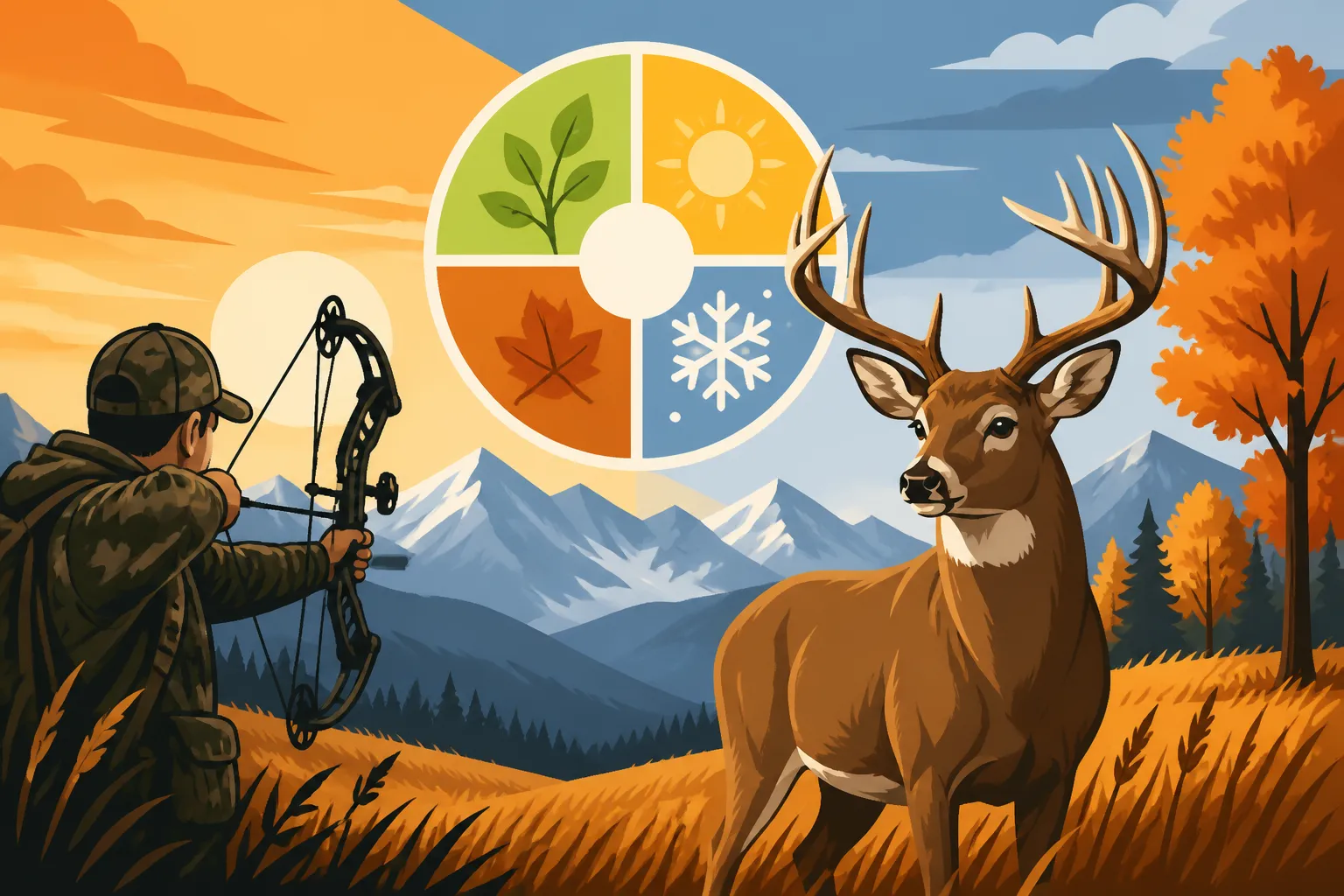
Archery season in Montana typically kicks off in early September and runs through mid-October, well before the general rifle season. This is a time of transition for whitetails, as they are still largely on summer patterns, feeding heavily to build reserves for the coming winter and the rut. The weather can be warm, sometimes uncomfortably so, especially in the river bottoms and agricultural areas where whitetails thrive.
During this period, bucks are often in bachelor groups, and their movements are highly predictable, revolving around reliable food sources like alfalfa, irrigated crops, and lush native forage. They're not yet thinking about does, so their guard isn't fully up for breeding. This makes them vulnerable to patterned movements. The challenge here lies in dealing with dense foliage that provides excellent cover for deer but limits visibility for hunters. Being stealthy is paramount, and understanding how to approach bedding and feeding areas without spooking deer is key. Many hunters find success by setting up tree stands or ground blinds overlooking known trails or pinch points between these vital areas. For more tactics, check out our guide on How to Hunt Whitetail Deer in Montana.
The General Rifle Season Peak
The general rifle season typically opens in late October and extends through late November, encompassing what many consider the absolute best time to hunt whitetail deer in Montana: the rut. This is when whitetail bucks abandon their typical patterns and become singularly focused on breeding. They are on their feet constantly, searching for does, chasing rivals, and making themselves far more visible than at any other time of year.
The weather during the general rifle season can range from crisp autumn days to heavy snowfalls and bitter cold, especially as you get into November. These changing conditions often trigger increased deer movement. A fresh blanket of snow can be a hunter's best friend, revealing fresh tracks and making it easier to spot deer in timbered areas. While hunter pressure increases significantly during this time, especially on public lands and Block Management Areas, the sheer increase in deer activity often balances it out. If you're looking for an adrenaline-pumping experience with increased odds of seeing multiple bucks, the general rifle season, particularly the middle two weeks of November, is your prime window. You'll want to review the specific Montana Whitetail Deer Season Dates and Tags well in advance.
Late Season Challenges and Rewards
After the general rifle season closes, a limited late season for whitetail, often involving antlerless or specific permit hunts, can extend into December. This period presents a completely different set of challenges but can be incredibly rewarding. The rut is over, bucks are exhausted, and deer are once again focused almost entirely on finding food and shelter.
Temperatures are typically very cold, and snow cover is common. Whitetails will congregate in areas with readily available food sources and dense thermal cover, such as thick river bottom timber or south-facing slopes that catch the most sun. Deer movement might be reduced due to the cold, but when they do move, it's often predictable, concentrating around prime feeding locations during dawn and dusk. This season is less about catching a buck on the prowl for a doe and more about meticulous scouting, understanding winter patterns, and enduring the elements. Patience and persistence are crucial, but for those willing to brave the cold, late season can offer opportunities for a good meat deer or a mature buck recovering from the rut.
The Whitetail Rut: Montana's Premier Hunting Window
There's no denying it: if you're chasing whitetail deer, the rut is the event every hunter dreams of. In Montana, this period transforms deer behavior, making bucks bolder and more susceptible to a wider range of hunting tactics. Understanding the phases of the rut is key to timing your hunt perfectly.
Pre-Rut: Anticipation and Early Signs
The pre-rut typically kicks off in late October as daylight hours shorten and temperatures begin to drop consistently. While not the full-blown chaos of the peak rut, this phase is characterized by a significant increase in buck activity. Bucks are starting to feel the hormonal surge; they're rubbing trees, making scrapes, and beginning to spar with other bucks to establish dominance. They're still somewhat tied to food sources, but their focus is shifting.
You'll notice an increase in daytime movement as bucks check on doe groups, scent-check their territories, and establish their breeding hierarchy. This is an excellent time for hunters using scouting cameras to identify target bucks and their patterns. While does aren't yet in estrus, bucks are becoming more aggressive and responsive to calling, especially grunts and light rattling. Positioning yourself near fresh sign—like active scrapes and rubs—or in areas where does frequent, can be highly effective. The energy is building, and the deer are starting to let their guard down a bit, making them more vulnerable to observant hunters.
Peak Rut: High Stakes and Constant Movement
Ah, the peak rut. This is generally considered the absolute best time to hunt whitetail deer in Montana, typically falling in the second and third weeks of November. During this period, the majority of does are in estrus, and bucks are literally running ragged, chasing does relentlessly. Food and even safety take a backseat to breeding.
Bucks can be found almost anywhere, often following does through their regular travel corridors, bedding areas, and feeding zones. Their increased movement means they are more visible during daylight hours. This is when tactics like aggressive calling (bugles are for elk, but for whitetails, think rattling antlers and loud grunts), still-hunting through timber, or even creating mock scrapes can be incredibly effective. Bucks are less cautious, their minds dominated by the urge to breed. Hunter success rates often spike during this time, as deer are simply more exposed and distracted. If you have vacation time to take, dedicating it to this two-week window offers the highest probability of encountering a mature buck on the move. Don't underestimate the power of rattling during this phase; our article on How to Rattle for Montana Whitetail can give you some excellent pointers.
Post-Rut: Recovery and Relocation
Following the peak rut, typically by late November into early December, the post-rut sets in. Most does have been bred, and bucks are physically exhausted and have lost a significant amount of body weight. Their primary focus shifts back to survival: finding abundant food sources to replenish their energy and seeking out secure cover to recover.
Deer movements become more subtle and localized. Bucks will retreat to dense thermal cover, often in thickets along river bottoms or in heavy timber, venturing out primarily during low-light hours to feed. While they might still briefly chase a late-cycling doe, the intense, constant movement of the peak rut is over. For hunters, this means a shift in strategy. Instead of covering ground, focus on identifying critical food sources—like corn fields, alfalfa, or even remaining mast crops—and the thickest cover nearby. Patience is key, often involving long sits in blinds or stands overlooking these crucial areas. Cold weather and snow can actually concentrate deer, making them easier to locate if you can find their winter havens.
Impact of Weather and Habitat on Whitetail Timing
Beyond the rut, other environmental factors play a huge role in when and where you'll find Montana whitetail deer. The vastness of Montana means varied conditions, and savvy hunters learn to read these cues.
Cold Fronts, Snow, and Pressure Systems
Montana weather is famously unpredictable, and whitetail deer are highly sensitive to these changes. Ahead of a major cold front, especially one bringing significant snow, deer often go on a feeding frenzy. This is their instinct to stock up on calories before hunkering down. If you can time your hunt to coincide with the 24-48 hours before a major storm rolls in, you could be in for some fantastic action.
Conversely, during a heavy snowstorm or extremely bitter cold, deer movement will likely slow considerably. They'll seek the densest cover available, conserving energy. However, once the storm breaks and the sun peeks out, even if it's still frigid, deer will often emerge from cover to feed. Fresh snow also creates a tracking advantage, making it easier to follow trails and locate deer in dense timber. High-pressure systems often lead to clear, calm days, which can mean more daytime activity, especially if it's cool. Low-pressure systems, often accompanied by fronts, can also increase movement as deer anticipate changes. Keep a close eye on the forecast and be ready to adapt your strategy.
River Bottoms, Agriculture, and Timbered Cover
Montana whitetails are habitat generalists, but they particularly thrive in areas where agriculture, dense river bottom cover, and timber intersect. These environments provide everything a whitetail needs: abundant food, secure bedding, and easy travel corridors.
- River Bottoms: The riparian zones along Montana's many rivers, like the Yellowstone, Missouri, Milk, and Clark Fork, are prime whitetail habitat. These areas offer thick willows, cottonwood groves, and underbrush that provide ideal thermal cover and browse. Deer will often travel these corridors extensively, especially during the rut. Our article on How to Hunt Whitetail in Montana River Bottoms delves deeper into these specific tactics.
- Agricultural Fields: Whitetails are often found adjacent to or directly in agricultural fields. Corn, alfalfa, and winter wheat provide high-calorie food sources that deer rely on, particularly in the early and late seasons. Scouting these fields to identify common entry and exit points is critical.
- Timbered Cover: While not always as dense as classic whitetail woods back east, Montana's timbered coulees, pockets of pines, and mixed forests provide essential bedding and escape cover. Deer will use these areas to hide from predators and hunters, especially during the day. Understanding how deer utilize these features in conjunction with food and water sources is paramount. Hunters can use digital mapping tools like GoHunt to analyze satellite imagery and topo maps to identify these key habitat features, even before stepping foot in the field. This e-scouting can drastically cut down on wasted time.
Strategic Considerations for Non-Resident Whitetail Hunters
For out-of-state hunters eyeing Montana's whitetail, the planning process involves a few extra layers of complexity. From licenses to logistics, understanding these elements is crucial for a successful trip.
Navigating Draw Odds and License Application Deadlines
Montana is a draw state for many hunting licenses, and while the general deer license for non-residents is more accessible than an elk combo, it still requires navigating the application process. Non-residents typically need to apply for a Class B-10 Non-Resident Big Game Combination license, which includes deer, elk, conservation, and upland bird licenses, or a Class B-7 Non-Resident Deer Combination license.
The application deadlines are firm, usually in early spring (around March 15th for many big game licenses), so missing these dates means missing out on the hunt. While general deer tags are typically high drawing odds, especially compared to elk permits, it’s still essential to apply correctly. You can improve your odds by building preference points over time. Understanding How Montana Preference Points Work can be a game-changer for long-term planning. Resources like GoHunt Insights provide detailed draw odds analysis, helping non-residents make informed decisions about which licenses to pursue and which hunting districts might offer the best chances of success. It's not just about getting a tag; it's about getting the right tag for your desired hunting experience.
Utilizing E-Scouting and Planning Tools like GoHunt
For non-resident hunters who can't physically scout before their trip, e-scouting becomes an invaluable tool. Digital mapping platforms are essential for virtually dissecting potential hunting areas, identifying key terrain features, and even estimating deer bedding and feeding locations.
Tools like GoHunt provide layers for public and private land boundaries, topography, satellite imagery, historical weather data, and even vegetation types. You can mark potential water sources, access points, saddles, funnels, and dense cover areas. This allows you to create a detailed game plan long before you arrive in Montana. You can identify potential areas to How to Hunt Montana Whitetail from a Tree Stand or locate river bottoms that are likely to hold deer. Combining this digital reconnaissance with general knowledge about Montana Hunting Districts Explained and where whitetails prefer to live in the state allows for a highly targeted approach, especially when time is limited. Knowing how to interpret aerial photos and topographical maps to find those whitetail havens is a skill worth developing for any hunter looking to maximize their odds on unfamiliar ground. You can even use these tools to scout for specific Montana Whitetail Deer Trophy Potential by District.
Maximizing Your Chances: Gear, Tactics, and Local Insights
Even with the perfect timing, success in Montana whitetail hunting comes down to preparation, execution, and a willingness to learn. This means having the right gear, employing effective tactics, and soaking up all the local knowledge you can.
Essential Gear for Different Seasons
The wide range of weather conditions in Montana demands a versatile gear setup.
- Early Archery Season: Focus on lightweight, breathable clothing in camo patterns that blend with green foliage. Quality optics (binoculars, rangefinder), scent control, and a comfortable tree stand or ground blind are critical. Remember, temperatures can swing wildly from morning to afternoon, so layering is key. Don't forget bug spray!
- General Rifle Season: Layers, layers, layers! Base layers of merino wool, insulating mid-layers, and a waterproof/windproof outer shell are essential for handling everything from mild days to heavy snow. Warm, waterproof boots are non-negotiable. A good quality rifle with appropriate optics, especially for potential longer shots in open country or quick shots in dense timber, is paramount. Consider our general Montana Backcountry Hunting Gear List as a starting point, adapting it for whitetail specifics.
- Late Season: This is where your cold-weather gear truly shines. Heavier insulation, extreme cold-weather boots, hand warmers, and even a portable heater for a ground blind can make or break your hunt. Keeping warm and dry is not just about comfort; it's about safety and your ability to remain patient in the stand.
Tactics Tailored to Each Phase
Your approach needs to shift dramatically as the season progresses.
- Early Season: Focus on patterns. Whitetails are creatures of habit. Identify their food sources, bedding areas, and the trails connecting them. Set up quietly downwind of these travel corridors or feeding areas. Scent control is vital, as deer are not distracted by the rut. Still-hunting along river bottoms or through timber can also be effective if you move slowly and quietly.
- Peak Rut: This is the time for aggressive tactics. Become proactive. Use rattling antlers to simulate bucks fighting, and grunt calls to attract inquisitive bucks. Set up in high-traffic areas like saddles, ridge lines, or pinch points where does are likely to travel. How to Rattle for Montana Whitetail can give you some excellent starting points. Don't be afraid to move if you're not seeing activity; bucks are on the move, and so should you be. Tree stands or ground blinds overlooking scrapes and rub lines are particularly effective.
- Late Season: Patience is your greatest ally. Focus on food and cover. Identify the most appealing food sources in your area (winter wheat, standing corn, unharvested fields) and the thickest, warmest cover nearby. Set up downwind of trails connecting these two points. Movement will be minimal, often at dawn and dusk, so be prepared for long, cold sits. Still-hunting through dense timber to jump deer from their bedding areas can also be effective, particularly on harsh weather days.
The Value of Local Knowledge and Scouting
No matter how much e-scouting you do with GoHunt or how many articles you read, local knowledge and on-the-ground scouting are irreplaceable.
- Pre-Season Scouting: If possible, spend time in your chosen hunting district before the season opens. Look for fresh rubs, scrapes, and tracks. Identify bedding areas, feeding zones, and travel corridors. Set up trail cameras to monitor deer activity. This allows you to verify your e-scouting findings and discover nuances that maps can't reveal. For more on this, check out How to Scout a Montana Hunting District.
- During the Hunt: Pay attention to fresh sign every day. A new scrape, fresh tracks in the snow, or a noticeable change in feeding patterns can indicate a shift in deer behavior. Talk to landowners (if on private land or Block Management Areas), other respectful hunters, or local wildlife officials. Sometimes the best advice comes from someone who has spent years in the area. Understanding the specific nuances of your chosen district, even something like how public land pressure affects deer movement, can give you a significant advantage. This also means being familiar with Montana Hunt Access Maps Explained to ensure you're on legal ground.
| Season Phase | Typical Dates (Approx.) | Whitetail Behavior | Optimal Hunting Tactics |
|---|---|---|---|
| Early Archery | Sep 1 – Mid-Oct | Food-focused, predictable patterns, bachelor groups | Stand/blind over food/travel, scent control, quiet |
| Pre-Rut | Late Oct – Early Nov | Increased rubbing/scraping, sparring, checking does | Stand near fresh sign, light calling (grunts), scouting |
| Peak Rut | Mid-Nov | Constant movement, chasing does, highly distracted | Aggressive calling (rattling), still-hunting, cruising |
| Post-Rut | Late Nov – Early Dec | Recovery, food-focused, seeking dense cover | Stand over prime food, still-hunting heavy cover, patience |
| Late Season | Dec (limited permits) | Winter patterns, concentrated on food/cover | Stand over food, tracking in snow, cold weather endurance |
Ultimately, the "best" time to hunt whitetail in Montana depends on your personal hunting style and what you hope to achieve. If you're after a buck during its most active, aggressive phase, the peak rut in November is unmatched. If you prefer patterning deer and a more stealthy, calculated approach, early archery can be incredibly rewarding. And for those who love a challenge and don't mind the cold, late season can offer unique opportunities. Regardless of when you go, being well-prepared and adaptable will significantly increase your chances of success in Big Sky Country.
Disclaimer
Hunting is an inherently dangerous activity. This guide provides general information and recommendations. Always consult the most current Montana Fish, Wildlife & Parks regulations before planning any hunt, as rules and seasons can change. Your safety and adherence to all laws are your sole responsibility. Be aware of weather conditions, terrain, and always inform someone of your hunting plans.