Montana Whitetail and EHD Explained
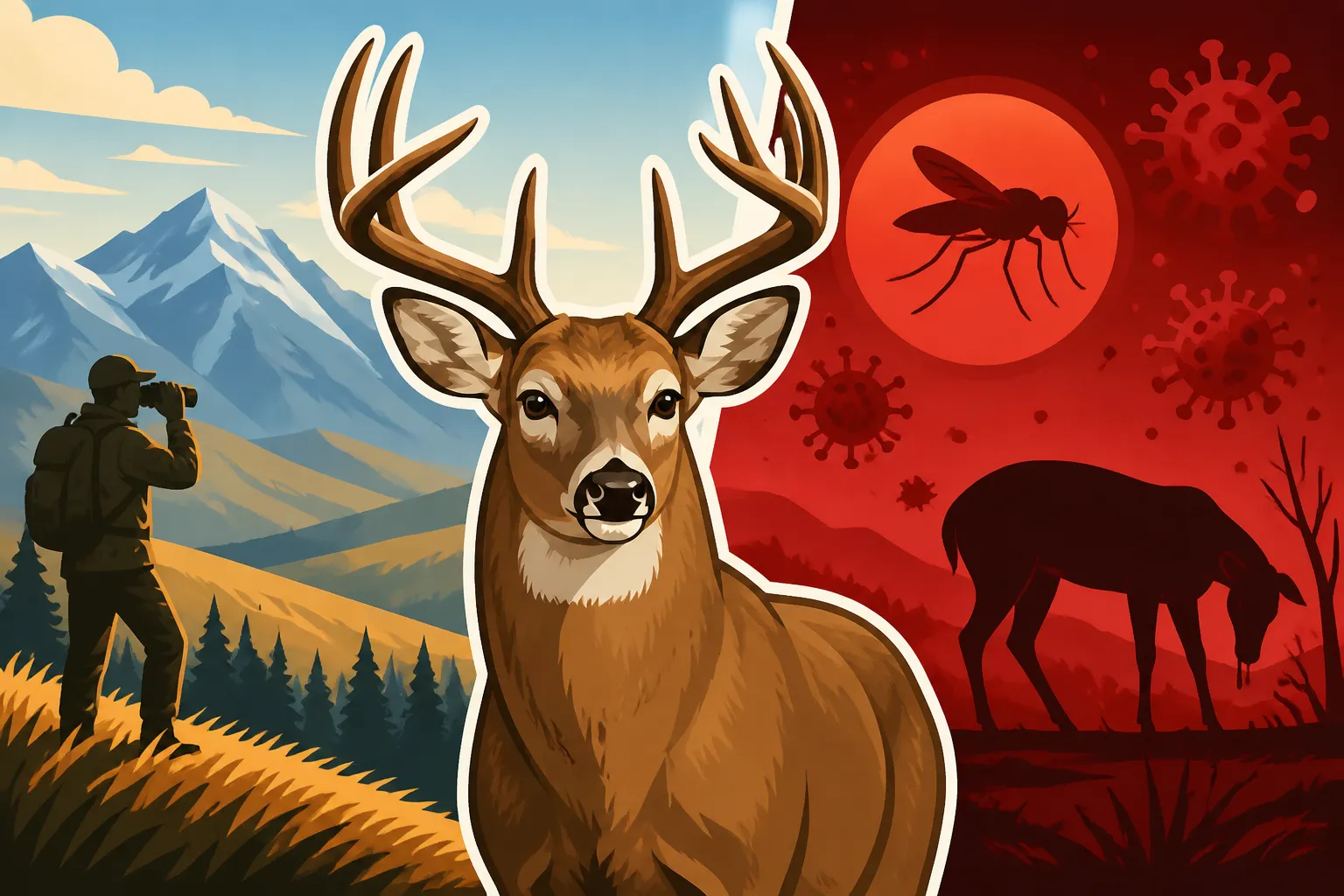
It’s a tough pill to swallow when you head out to scout your favorite whitetail haunts in Montana and instead of seeing healthy deer, you find carcasses or visibly sick animals. The disappointment, the worry for the herd, and the sheer frustration of not knowing what’s happening can really weigh on a hunter. Epizootic Hemorrhagic Disease, or EHD, has become an increasingly significant concern for Montana’s whitetail deer populations, and understanding its impact is crucial for anyone who loves pursuing these beautiful creatures. This guide will help you unpack what EHD is, how it affects Montana whitetails, and what you, as a responsible hunter, need to know.
Understanding Epizootic Hemorrhagic Disease (EHD) in Whitetails
EHD is one of those naturally occurring diseases that wildlife managers and hunters alike have to contend with, and it can be particularly devastating for whitetail deer. It's not some new, man-made affliction; it’s a cyclical issue that can flare up under the right environmental conditions, leaving a lasting mark on deer populations and the hunting seasons that follow.
What EHD Is and Its Impact on Deer Populations
Epizootic Hemorrhagic Disease is a viral infection, meaning it's caused by a virus. Specifically, it's an orbivirus that primarily affects deer, though other ruminants can occasionally be infected. The important thing to remember is that it’s not transmissible to humans, so you don't need to worry about contracting it yourself or through handling venison from a healthy animal. However, its effects on deer are often severe and can be fatal, sometimes very quickly.
When a deer contracts EHD, the virus attacks the lining of blood vessels, leading to hemorrhages (bleeding), swelling, and fever. The disease can spread rapidly through a localized population, wiping out a significant portion of the herd in a short amount of time. For hunters, discovering numerous dead deer in a once-thriving area is heartbreaking and instantly raises concerns about the health and viability of future seasons. We work hard to understand Montana Mule Deer Population Trends and Montana Elk Herd Size and Population, and seeing a sudden drop-off due to disease is a gut punch.
The Role of Biting Midges in EHD Transmission
The EHD virus doesn't just float around in the air or spread directly from deer to deer like a common cold. It has a specific vector: tiny biting insects called midges, often referred to as no-see-ums, particularly those from the genus Culicoides. These minuscule flies are the carriers, picking up the virus when they feed on an infected deer and then transmitting it to a healthy deer during their next blood meal.
The lifecycle of these midges is key to understanding EHD outbreaks. They breed in muddy areas, typically around stagnant water sources like ponds, creek beds, or even cattle tanks. Warm, dry conditions that lead to shrinking water bodies often create ideal midge breeding grounds, as deer are also forced to congregate around these limited water sources, increasing their exposure to infected midges. This is why EHD outbreaks are most common in late summer and early fall, particularly after prolonged periods of warm weather and drought, before the first hard frost kills off the midge population.
Identifying and Reporting EHD in Montana
As hunters and conservationists, our eyes in the field are invaluable to Montana Fish, Wildlife & Parks (FWP) in monitoring and understanding disease outbreaks. Knowing what to look for and how to report it helps state agencies track the disease and better manage our precious wildlife resources.
Recognizable Symptoms in Affected Whitetails
The symptoms of EHD can be quite distinct, though they can sometimes be confused with other diseases. Deer afflicted with EHD typically develop a high fever, which often drives them to seek out water sources to cool down, making stream banks and pond edges common places to find deceased animals. You might observe a deer that appears lethargic, disoriented, or unusually tame.
Physical signs often include swelling of the head, neck, tongue, and eyelids. Their tongues might appear bluish, and their hooves may develop rings from the fever. Internally, there are widespread hemorrhages, which give the disease its name. While EHD shares some initial symptoms with Chronic Wasting Disease (CWD), CWD is a neurological disease with a much longer incubation period, where animals typically become emaciated over time. EHD, by contrast, can kill deer within a few days of symptom onset. If you're out trying to find deer or learning How to Hunt Elk in Montana, it's good to be aware of what healthy animals look like versus those that are sick.
The Importance of Reporting Suspected Cases to FWP
Your observations in the field are incredibly valuable to wildlife managers. Reporting suspected cases of EHD is crucial for FWP to accurately assess the scope and severity of an outbreak. This data helps them understand which areas are being hit hardest, how quickly the disease is spreading, and the overall impact on local deer populations. Without hunter reports, FWP would have a much harder time getting a real-time picture of the situation across the vast landscapes of Montana.
If you encounter a dead or visibly sick deer that you suspect has EHD, contact your local FWP regional office immediately. Be prepared to provide specific details, including the exact location (GPS coordinates are best), a description of the animal’s condition, and any photos you might have. Do not handle the animal unless absolutely necessary, and always practice good hygiene. This information helps FWP biologists make informed decisions about herd management, potential changes to hunting regulations, or even public advisories for your specific Montana General Deer License Explained unit.
Factors Influencing EHD Outbreaks in Montana
Montana’s diverse landscapes and variable climate play a significant role in how and where EHD outbreaks occur. It’s not just a random event; specific environmental conditions often set the stage for these devastating periods.
Climate, Water Sources, and Midge Proliferation
The connection between climate, water availability, and EHD outbreaks is strong and often cyclical. Prolonged periods of warm weather, especially during late summer, create the perfect conditions for the Culicoides midges to thrive and reproduce. When these warm spells are coupled with drought, the situation becomes even more precarious for deer. As natural water sources dry up, deer are forced to congregate around the remaining, often muddy, ponds or streams. These shrinking, muddy edges are prime breeding grounds for midges, leading to a concentrated nexus of both vectors and hosts.
Montana has experienced these conditions, particularly in regions prone to summer droughts. An early, hard freeze in the fall is usually what brings an EHD outbreak to an end, as the cold temperatures kill off the midge population. However, a mild, extended autumn can prolong an outbreak, allowing the virus to spread further and cause more significant deer mortality. This is why keeping an eye on weather patterns is almost as important as understanding Montana Antelope Season Dates when you're preparing for the season.
Habitat and Deer Density Considerations
While climate sets the stage, habitat characteristics and local deer densities also significantly influence the severity of EHD outbreaks. Whitetail deer in Montana are often found in river bottoms, agricultural fringes, and areas with a mix of cover and water. These habitats, especially the rich river bottom environments, can become hotbeds for EHD. The proximity to water sources and often denser deer populations in these areas mean that when midges are abundant, the chances of transmission from deer to midge to deer are greatly increased.
Hunting districts with high whitetail densities are particularly vulnerable. When many deer share limited resources, particularly water, the disease can spread like wildfire. Imagine a narrow river valley where deer populations are thriving; if EHD hits, the confined space and close contact among deer, combined with midge-friendly muddy banks, can decimate a local herd. Hunters planning to pursue How to Hunt Whitetail in Montana River Bottoms need to be especially mindful of EHD impacts in those areas, as those populations can be hit hard.
| EHD Symptom | Description | Why It Happens | Hunter Observation |
|---|---|---|---|
| Fever | Elevated body temperature | Viral infection | Deer seeking water, lethargic |
| Swelling | Face, neck, tongue, eyelids | Blood vessel damage, fluid retention | Puffy appearance, blue tongue |
| Lameness | Stiffness, soreness, hoof issues | Inflammation, tissue damage, hoof rings | Reluctance to move, limping |
| Hemorrhages | Internal bleeding | Viral attack on blood vessel linings | Visible as bloody lesions on organs (necropsy) |
| Lethargy | Lack of energy, listlessness | General sickness | Appears unusually tame, unresponsive |
| Oral Lesions | Sores in mouth/on tongue | Viral damage to mucous membranes | Drooling, difficulty eating |
Hunting Strategies Amidst EHD Concerns
When EHD strikes, it naturally changes the landscape for hunters. It's a challenging situation, requiring a thoughtful and ethical approach to scouting and harvest. No one wants to hunt a sick herd, and ensuring the health of the population is paramount.
Adjusting Expectations and Scouting for Healthy Herds
It's completely understandable to feel a sense of disappointment and even grief when EHD impacts your favorite hunting grounds. The primary concern shifts from simply "finding a buck" to assessing the health of the remaining herd. This means you’ll need to adjust your expectations and, crucially, change your scouting methods. Instead of just looking for rubs, scrapes, or heavy trails, you'll be actively looking for live, healthy deer.
When you're out there, pay close attention to the behavior and physical condition of the deer you see. Are they alert, active, and showing signs of good health? Or do they appear listless, show swelling, or have a dull coat? Utilize tools like GoHunt or other detailed mapping resources to research specific hunting districts. See if there have been any reported outbreaks in the area you plan to hunt. These platforms can sometimes offer insights into herd health or direct you to FWP resources where you can find current information. How to E-Scout Montana Districts becomes even more critical, allowing you to identify potential issues before you ever step foot on the ground.
Practical Tips for Responsible Harvest in Affected Areas
If you're hunting in an area that has experienced an EHD outbreak, your responsibilities as a hunter are amplified. Ethical harvest means making informed decisions about which animals to pursue and how to handle them. First and foremost, never harvest a visibly sick or emaciated deer. Not only is it unethical, but the meat quality will be compromised, and it could contain pathogens that, while not harmful to humans, indicate a stressed animal.
When field dressing, always wear gloves and practice good hygiene. While EHD isn't a human health concern, other bacteria or parasites can be present in a compromised animal. Pay attention to the internal organs; if you notice widespread hemorrhaging, a very dark liver, or any other unusual abnormalities, it’s best to report it to FWP and potentially dispose of the carcass appropriately. Always check for local FWP advisories or specific regulations for your hunting district, especially during Montana General Rifle Season Dates. Some areas might have specific guidelines or requests from hunters to help manage the post-EHD population.
Long-Term Management and Hunter Contributions
Managing wildlife diseases like EHD is an ongoing challenge that requires a collaborative effort between wildlife agencies and the hunting community. Our role extends beyond the immediate hunting season; it’s about contributing to the long-term health and resilience of Montana’s whitetail herds.
FWP's Role in Monitoring and Research
Montana Fish, Wildlife & Parks plays a critical role in the long-term management of EHD and other wildlife diseases. Their biologists and veterinarians are constantly monitoring herd health, collecting samples, and conducting research to better understand these diseases. When an outbreak occurs, FWP personnel are on the ground, investigating reported cases, assessing mortality rates, and analyzing environmental factors. This extensive data collection helps them identify patterns, predict future outbreak risks, and develop adaptive management strategies.
The goal is not to eradicate EHD—which is virtually impossible for a naturally occurring, insect-borne virus—but to understand its dynamics and minimize its impact on deer populations. This includes making tough decisions about antlerless tags or season lengths in certain hunting districts to allow herds to recover after a severe EHD event. Our ability to understand Montana Elk Hunting Methods Explained and other game species relies heavily on the diligent work of FWP.
How Hunters Can Support Whitetail Health
As hunters, we are often called the original conservationists, and our active participation is vital in supporting whitetail health in the face of EHD. The most immediate way to help is by continuing to report any sick or dead deer you encounter to FWP. Every piece of information contributes to the bigger picture. Beyond reporting, there are other ways you can contribute.
Practicing good field hygiene, thoroughly cleaning your boots, clothing, and gear after being in a known EHD area, can help prevent the potential spread of any pathogens, though direct deer-to-deer EHD transmission is rare. Support organizations that fund wildlife disease research and habitat conservation, as healthy habitats and robust deer populations are often more resilient to disease outbreaks. When you understand how to approach your Montana Public Land Hunting Guide, you're already contributing by being an ethical observer. Ultimately, responsible hunting practices, coupled with a commitment to wildlife stewardship, ensure that Montana’s whitetail deer herds can continue to thrive for generations to come, even in the face of natural challenges like EHD.
Disclaimer
Please note that hunting regulations, seasons, and wildlife disease information can change. Always consult the official Montana Fish, Wildlife & Parks (FWP) regulations and website for the most current and accurate information before planning any hunting activity. This guide is for informational purposes only and should not replace official sources.