Montana Nonresident Combination Draw Step by Step
Trying to navigate the labyrinthine process of drawing a nonresident hunting license in Montana can feel like an impossible task, often leaving aspiring hunters frustrated and confused. With complex point systems, specific deadlines, and different license types, it’s easy to get lost in the details and miss out on the opportunity of a lifetime. This comprehensive guide will walk you through the Montana Nonresident Combination Draw, step-by-step, ensuring you understand every crucial element and boost your chances of experiencing a hunt in Big Sky Country.
Understanding the Montana Nonresident Combination Draw
For many out-of-state hunters, the Montana Nonresident Combination Draw is the golden ticket to pursuing big game in this incredible state. It’s not just a single license; it’s a package deal designed to give non-residents a comprehensive hunting experience. But understanding what’s included and how the draw works is the first, most critical step.
What is the Combination License?
Think of the Montana combination license as an all-inclusive pass for non-residents. Instead of applying for separate tags for each species, fishing, and bird hunting, the combination license bundles several privileges into one application. This simplifies the process somewhat, although the draw itself remains competitive.
There are primarily two types of combination licenses that non-residents will consider:
- Nonresident Big Game Combination License (Elk/Deer Combo): This is the most sought-after. It includes a general elk license, a general deer license (either-sex for white-tailed deer, mule deer buck-only), an upland bird license, a fishing license, a conservation license, and the state's Aquatic Invasive Species (AIS) prevention pass. This combo is your ticket if you dream of pursuing both elk and deer in Montana's vast landscapes. For many, this is the ultimate goal when looking at Montana Elk Hunting Guide.
- Nonresident Deer Combination License: This option includes a general deer license, an upland bird license, a fishing license, a conservation license, and the AIS pass. It’s a great choice if your focus is primarily on deer, or if you’ve been unsuccessful in drawing the more competitive elk combo in previous years and want to build preference points while still getting to hunt. When considering this, it's important to understand the details of the Montana General Deer License Explained.
These combination licenses are a unique aspect of Montana's draw system, specifically tailored for non-residents, and they represent the primary way for out-of-staters to secure general big game tags. Understanding what each combo offers is crucial for tailoring your application to your hunting aspirations.
Key Dates and Deadlines for Application
Missing a deadline in the Montana draw system isn't just an inconvenience; it can mean missing an entire hunting season. The stress of keeping track of these dates is real, and one misplaced calendar entry can cost you a year of building points or the chance to hunt. The most critical deadline for non-residents eyeing those big game combination licenses is typically March 15th.
Here's a breakdown of the common key dates to engrain in your memory:
- March 15th: This is the big one. The application deadline for the Nonresident Elk Combination, Nonresident Deer Combination, and Nonresident Antelope licenses. This date also typically marks the deadline for most limited entry permits for elk, deer, moose, sheep, and goat.
- June 1st: This deadline usually applies to other specific permits like mountain lion and some black bear draws.
- September 1st: Often the deadline for leftover licenses or specific shoulder seasons that become available later in the year, though these are less common for non-residents seeking primary big game tags.
It's absolutely essential to consult the Montana Fish, Wildlife & Parks (FWP) website directly each year, as dates can shift slightly. Don't rely on last year's calendar! Set multiple reminders, subscribe to FWP newsletters, and consider using resources like GoHunt, which often compile these dates and even send alerts to help you stay on track.
Preference Points versus Bonus Points in the Combo Draw
Montana's point system can be a head-scratcher, even for seasoned hunters. You hear "preference points" and "bonus points" thrown around, and it's easy to confuse the two or misunderstand their impact. For the nonresident combination draw, understanding this distinction is paramount for crafting a successful long-term strategy, as detailed in Montana Preference Points vs Bonus Points.
Let's clear up the confusion:
- Preference Points: These are specifically tied to the nonresident combination licenses (Elk Combo and Deer Combo). They work like a queue. Each year you apply for a combination license and are unsuccessful, you accrue one preference point. When you apply the following year, your preference points are added to your application, essentially moving you up in line. The more preference points you have, the better your chances of drawing a combination license. If you draw a combo license, your preference points reset to zero. You can also purchase a preference point without applying for a license, which is a smart strategy for building points over time, as explored in How to Build Preference Points in Montana.
- Bonus Points: These apply to the limited entry permits (special tags for specific hunting districts or species like moose, sheep, or goat) after you've secured your general combination license. Unlike preference points, bonus points are essentially lottery tickets. Each year you apply for a permit and are unsuccessful, you get one bonus point. When you apply again, all your accumulated bonus points are squared and entered into the draw. For example, if you have 3 bonus points, you get 9 "chances" in the draw. If you draw a permit, your bonus points for that specific permit category reset to zero, but your bonus points for other categories remain.
For the primary nonresident combination draw, preference points are what truly matter. They are the mechanism by which non-residents eventually draw the coveted Elk or Deer Combo licenses. You can even purchase a preference point as a standalone option if you're not planning to hunt this year but want to start building your advantage for future hunts.
| License/Application Type | Point System Used | Reset Upon Draw | Accumulation Strategy |
|---|---|---|---|
| Nonresident Combo License | Preference Points | Yes | Accumulate annually |
| Limited Entry Permits | Bonus Points | Yes (per permit) | Square your chances |
| Standalone Point Purchase | Preference Points | N/A | Build without applying |
The Step-by-Step Application Process
Alright, you understand the licenses and the points. Now, let’s get down to brass tacks: the actual application. The process can seem daunting, but breaking it down into manageable steps makes it much clearer. This is where most hunters feel the most stress, ensuring every detail is correct.
Getting Your Base Licenses and Requirements in Order
Before you even think about hitting that "apply" button for your combination license, there are a few foundational requirements you need to meet. Ignoring these can lead to a rejected application, wasting precious time and money.
- Hunter Education: If you were born after January 1, 1985, you are required to complete a hunter education course to hunt in Montana. If you've completed hunter education in another state, Montana typically recognizes it, but you'll need to upload proof to your FWP account. Don't wait until the last minute for this!
- Creating an FWP Customer Account: Everything starts here. Head over to the Montana FWP website and create a customer account. This will be your hub for applying for licenses, checking draw results, and managing your preference and bonus points. Make sure all your personal information is accurate and up to date.
- Conservation License & AIS Pass: These are mandatory for almost all hunting activities in Montana and are usually bundled into the combination license price, but it's good to understand their purpose. The Conservation License helps fund wildlife management and access programs, while the Aquatic Invasive Species (AIS) Prevention Pass supports efforts to keep Montana's waterways free from invasive species, reflecting the state's commitment to conservation. These are automatically added to your cart when you apply for your combination license.
Once you have your FWP account set up and any necessary hunter education verified, you're ready to move into the actual application phase for your Montana Nonresident License Draw Explained.
Navigating the Online Application Portal
The Montana FWP online portal is where the magic (or heartbreak) happens. It's a user-friendly system, but it demands attention to detail. This is arguably the most nerve-wracking part for many, ensuring every click and selection is correct.
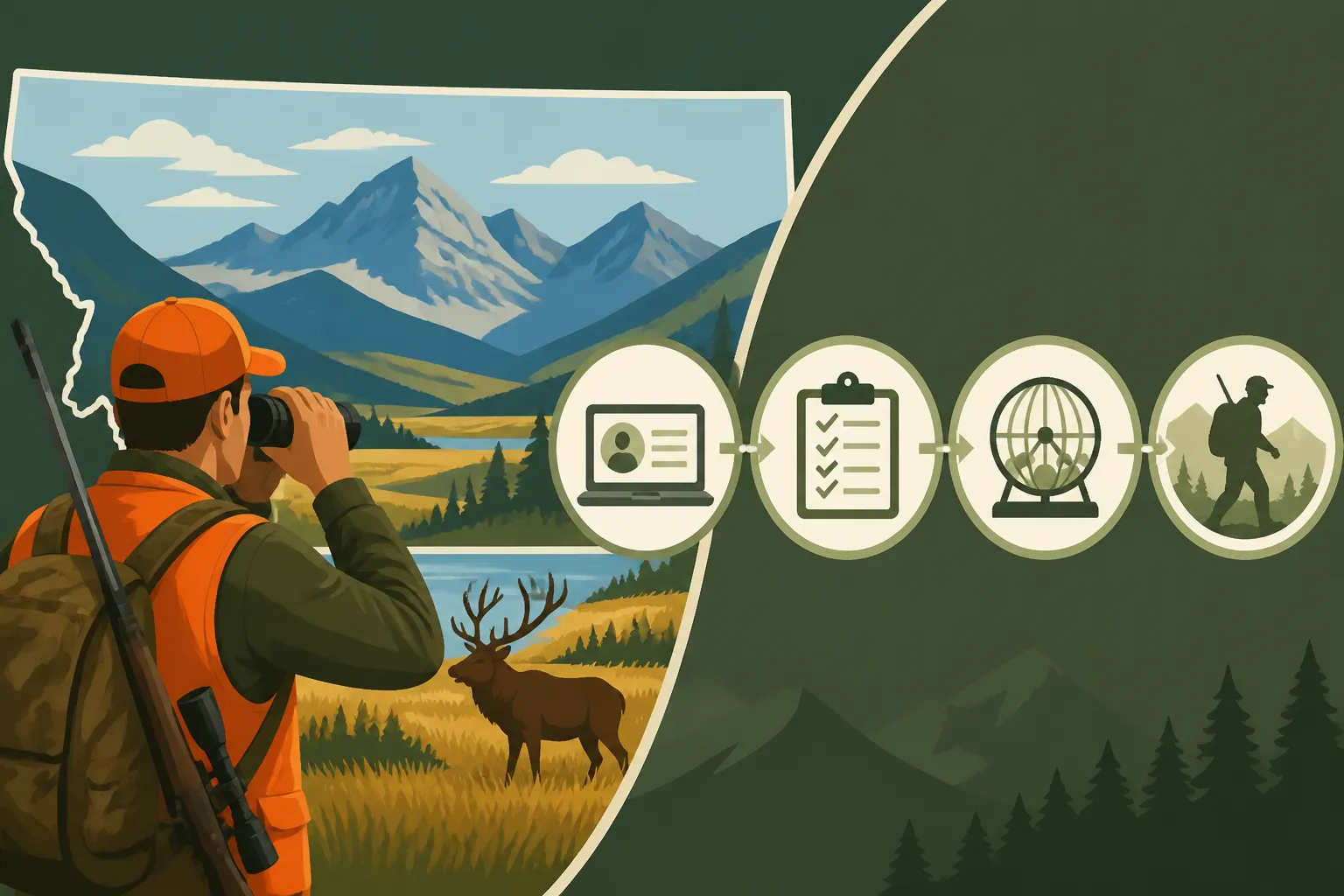
Here's a general walkthrough:
- Log In: Start by logging into your FWP customer account.
- Go to "Licenses & Permits": Look for a section related to applying for hunting licenses or permits.
- Select Nonresident Combination: You'll typically find options for "Nonresident Elk Combo" or "Nonresident Deer Combo." Select the one you wish to apply for.
- Confirm Information: The system will prompt you to confirm your personal details. Double-check everything, especially your mailing address and contact information, as this is how FWP will communicate draw results.
- Preference Point Options: This is a crucial step for non-residents.
- Use Existing Points: If you have preference points, the system will usually automatically apply them to your combination license application.
- Purchase a Point (if not applying for a license): If you're not applying for a combo license this year but want to build a point for next year, there will be a separate option for this.
- Apply for the license without a point (less common for combo): While technically an option, for non-residents seeking a combo, applying without any preference points significantly reduces your odds to near zero.
- Review and Pay Application Fee: Before final submission, you'll get a summary of your application. Review it meticulously. There will be a non-refundable application fee. The full license cost is typically only charged if you are successful in the draw.
This is also an excellent point to consult planning resources. Platforms like GoHunt offer a wealth of information, from draw odds and harvest data to unit breakdowns, helping you make informed decisions before you finalize your application. Using their tools can take a lot of the guesswork out of where to focus your efforts.
Choosing Your Hunt Codes and Districts
While the combination license grants you a general elk or deer tag for most of the state, Montana also has a system of limited entry permits for specific species or hunting districts. These are denoted by "hunt codes" (e.g., "District 380-20"). When applying for your combination license, you'll often have the option to simultaneously apply for up to two limited entry permits. This is where researching Montana Hunting Districts Explained becomes vital.
- General Tags vs. Permit Tags:
- General Tags: These come with your combination license and are valid in any "general" hunting district for the specified species. Most of Montana is general for elk and deer. For instance, the Montana General Elk License Explained covers this in detail.
- Permit Tags: These are for specific, often highly desirable or limited areas. You apply for these separately, and they are drawn using the bonus point system. For example, if you draw a special permit for an antlerless elk in a particular district, it will override your general elk tag for that district if it specifies antlerless only. This is why understanding Montana General vs Permit Tags Explained is so important.
- Researching Districts and Odds: This is where you put on your e-scouting hat.
- FWP Draw Odds Reports: FWP publishes draw odds from previous years, showing how many points it took to draw certain permits. This is your primary source of truth.
- Third-Party Tools: This is another area where tools like GoHunt shine. They aggregate FWP data, provide detailed unit profiles, and offer advanced filtering to help you identify units that align with your point totals and hunting goals. Looking at Montana Combination License Draw Odds can guide your choices.
- Consider Your Goals: Are you looking for a high-success meat hunt, or are you chasing a once-in-a-lifetime trophy? The answer will dictate whether you apply for high-odds general units or long-shot permit units.
- Selecting Your Choices: When applying, you'll select your 1st and 2nd choice for any limited entry permits you're interested in. Be realistic. If you have zero or one bonus point, applying for a permit that historically takes 10+ points is essentially throwing away your bonus point opportunity for that year, though it does keep your bonus point tally growing. Many non-residents focus on maximizing their chances for the combination license first, then apply for more attainable permits once they have a few bonus points.
After You Apply: What Comes Next
You've submitted your application, double-checked everything, and paid your fees. Now comes the hardest part for many: the wait. The period between applying and receiving draw results can feel agonizingly long, filled with anticipation and a fair bit of anxiety.
Understanding Draw Results and Notifications
The waiting game is real. Montana’s draw results typically drop in mid-April for the nonresident combination and special permits. The exact date can fluctuate, and it's always announced beforehand by FWP.
- Notification Methods:
- Email: The most common way you'll receive notification is via email. Make sure your email address in your FWP account is current and check your spam folder regularly during the announcement period.
- Online FWP Account: Your FWP customer account will be updated with your draw results. This is often the first place many successful applicants see their outcome. Simply log in and check your "Licenses & Permits" section.
- Credit Card Charges: This is often the unofficial early indicator. If you see a large charge from Montana FWP on your credit card around the typical result release date, it's a strong sign you've successfully drawn a combination license! FWP will charge the full license fee upon a successful draw.
- Decoding Results:
- "Successful": Congratulations! You've drawn your combination license (and potentially a special permit if you applied for one). The full license fee will be charged to your card.
- "Unsuccessful": This means you did not draw a combination license this year. While disappointing, it’s not the end of the world. You’ve likely accrued another preference point, moving you closer for next year. For details on coping, see What to Do If You Don't Draw in Montana.
- "Refund Pending": If you purchased preference points or specific permit applications, and were unsuccessful, any refundable portions (like the preference point purchase fee if you didn't draw a combo) will be returned to you.
Payment and License Issuance
If you are one of the fortunate hunters to draw a Montana nonresident combination license, the FWP system will automatically charge the full license fee to the credit card you provided during the application process. This is why it's crucial to ensure your card information is up-to-date and has sufficient funds.
- Automatic Charge: The full cost of the nonresident combination license (which can be substantial) will be processed shortly after draw results are announced.
- Electronic Licenses: Montana has largely moved to electronic licenses. Once your payment is processed, your licenses will be available in your FWP customer account. You can typically print them at home or display them on your mobile device (though a printed copy is always a good backup, especially in areas with no cell service). Some hunters prefer to carry both.
- Refund Policies: If you are unsuccessful in the draw, the application fee for the combination license itself is typically non-refundable. However, if you chose to purchase a preference point without applying for a license, or if you applied for a special permit and didn't draw, any refundable fees associated with those might be returned to your card or held as a credit for future applications. Always review the current year's regulations for specific refund rules.
Planning Your Hunt Based on Your Draw Outcome
Once you know your draw outcome, your next steps become clear.
- If Successful:
- Deep Dive Scouting: Now the real fun begins! Use online mapping tools like onX Hunt, Google Earth, and resources from GoHunt to truly dig into the hunting district you drew. Look for public land access, water sources, bedding areas, and potential travel corridors. This is a great time to start thinking about How to E-Scout Montana Hunting Units.
- Gear Preparation: Confirm your gear list. Will you be doing a Montana Backcountry Hunting Guide or a front-country hunt? Ensure your boots, backpack, optics, and weapon are all dialed in.
- Travel & Logistics: Book flights, rental cars, and accommodation (if not camping). Coordinate with hunting partners. Consider meat processing and storage options if you're successful.
- If Unsuccessful:
- Accrue Points: Take solace in knowing you've gained another preference point, bringing you closer to a successful draw next year. Many non-residents simply plan to purchase a preference point annually until their odds significantly improve.
- Consider Other Opportunities: While the combo is the big one, Montana offers other hunting opportunities for non-residents that might be available without drawing, or with much better odds. These could include over-the-counter licenses for specific species or regions, or applying for leftover tags that become available later in the summer. Don't forget species like antelope where you can also build points.
- Plan for Next Year: Use this time to refine your strategy for the next draw cycle. Research different districts, consider applying for the deer combo instead of the elk combo if you're looking for higher draw odds, and re-evaluate your point strategy.
Strategies for Improving Your Draw Odds
Drawing a nonresident combination license in Montana is a long game for most. It rarely happens on your first try unless you get incredibly lucky. That's why having a solid, long-term strategy is absolutely essential. It’s about being patient, persistent, and smart with your applications.
Building Preference Points Annually
This is, hands down, the most crucial strategy for non-residents hoping to hunt elk or deer in Montana. Preference points are the direct mechanism by which you improve your chances of drawing a combination license. It's a system that rewards persistence.
- Consistent Point Purchase: Even if you can't commit to a full hunt in Montana every year, commit to purchasing a preference point annually. You don't have to apply for a combination license to buy a preference point. You can simply go into your FWP account and select the option to purchase a point for the upcoming year. This keeps your "place in line" improving.
- Understand Point Creep: As more people apply for Montana’s highly desirable tags, the number of preference points required to draw a license can slowly increase over time, a phenomenon known as "point creep." This means that the number of points that drew a license last year might not be enough to draw it this year. That’s why consistently building points is key – you want to stay ahead of, or at least keep pace with, this creep.
- The Power of Patience: It’s not uncommon for non-residents to take 3-6+ preference points to draw a general elk or deer combination license. Don't get discouraged if you don't draw in your first few years. View each unsuccessful draw as an investment in your future hunt. Your consistent effort in accumulating points will eventually pay off.
Researching Draw Odds and Hunter Pressure
Applying blindly is a surefire way to be perpetually disappointed. Smart hunters do their homework, leveraging data to make informed decisions about where and when to apply. This isn't just about the combination license itself, but also for any special permits you might want to try for.
- FWP Draw Reports: The Montana FWP website provides detailed draw reports from previous years. These reports show the number of applicants, the number of tags issued, and the minimum and maximum points required to draw in each district for both combination licenses and special permits. This data is invaluable for understanding your true odds.
- Third-Party Analytics Tools: This is where platforms like GoHunt's Insider service truly shine. They take the raw FWP data and present it in an easily digestible, filterable format. You can quickly see draw odds for specific units, look at historical success rates, and analyze hunter pressure. For a nonresident, this kind of analytical power is almost a necessity to make sense of the vast amount of information. Using such tools can help you strategically select units where your accumulated preference and bonus points give you a realistic chance.
- Consider Hunter Pressure: Some districts are known for high hunter pressure, especially on public land. Even if you draw a general tag, a heavily pressured unit can make for a more challenging hunt. Researching districts not just for draw odds, but also for public land access and historical hunter numbers, can help you find a better overall experience. Sometimes, targeting units with slightly lower draw odds but significantly less pressure can lead to a more enjoyable and successful hunt.
Group Applications for Non-Residents
Montana does allow group applications for certain licenses and permits, which can be appealing for non-residents planning a hunt with friends or family. However, it's vital to understand how these work, as there’s a significant caveat.
- How Group Applications Work: When a group applies, their applications are essentially pooled. For combination licenses, the FWP system typically considers the lowest number of preference points among all members of the group. So, if one person has 5 points and another has 1 point, the group application will be treated as if it has 1 preference point.
- The All-or-Nothing Rule: The critical aspect of group applications in Montana is the "all-or-nothing" rule. If the group's application is drawn, everyone in the group is successful. However, if the group's application is not drawn, no one in the group draws a license. This means you are essentially limited by the person with the fewest preference points.
- Strategic Considerations:
- Equal Points: Group applications work best when all members have a similar number of preference points, ideally an equal number. This maximizes your collective chances.
- Higher Odds, But: If you're a seasoned hunter with many points, applying with a novice friend who has zero points will drastically reduce your individual draw odds. You might consider having the person with fewer points apply individually to build their points, while you apply on your own to increase your chances of drawing your own tag.
- Shared Experience Over Individual Success: For some groups, the priority is to hunt together, even if it means reducing individual odds or waiting longer to draw. It's a personal decision based on your group's priorities.
Carefully weigh the pros and cons of group applications against your individual goals and point totals. For many non-residents, especially those with varying point totals, applying individually and then coordinating efforts once tags are drawn can be a more effective strategy for maximizing everyone's chances of getting a tag.
Disclaimer
The information provided in this guide is for general informational purposes only and does not constitute official legal or regulatory advice. Hunting regulations, season dates, draw odds, and license requirements in Montana are subject to change annually. Always consult the most current Montana Fish, Wildlife & Parks (FWP) regulations and official resources before applying for any licenses or planning a hunt.