Montana Mule Deer B License Rules
Navigating Montana's deer hunting regulations can feel like deciphering a secret code, especially when you start looking beyond the general tags. Many hunters, both resident and nonresident, find themselves scratching their heads over the specifics of "B licenses," particularly when it comes to mule deer. This guide is here to untangle the confusion surrounding Montana's Mule Deer B License rules, offering clear, detailed information to help you understand what these tags are for, how they work, and if they're the right fit for your hunting plans.
Understanding Montana's Deer License Structure
Before we dive into the nitty-gritty of the Mule Deer B License, it’s really helpful to get a grasp of Montana's overall deer licensing system. It’s not just about one deer tag; there are different types designed for various purposes, managing herd numbers, hunter distribution, and providing specific opportunities. Misunderstanding these foundational elements is a common pitfall, leading to frustration and missed opportunities.
General Deer Tags vs. B Licenses
At its core, Montana differentiates between a "general deer license" (often referred to as an "A tag" or the statewide deer license) and specific "B licenses." The general deer license typically allows for the harvest of an antlered deer (buck) in most general hunting districts across the state, and sometimes an antlerless deer depending on the district's regulations for that year. It's the bread and butter for many hunters looking to pursue a buck.
B licenses, on the other hand, are supplemental tags. They are often specific to certain hunting districts, species, and can come with limitations on the sex or age of the animal, and even the type of land (public vs. private) you can hunt on. Think of them as tools for more granular management. For instance, some B licenses are for antlerless whitetails, aiming to reduce pressure in areas with high deer populations, while others, like the Mule Deer B License, target specific objectives for that particular species. It's crucial to consult the annual regulations to understand the nuances, as these rules can change year to year based on population surveys and management goals. For a broader overview, you might find our guide on Montana General vs Permit Tags Explained particularly helpful.
The Role of B Licenses in Wildlife Management
These B licenses aren't just arbitrary rules; they're a vital part of Montana Fish, Wildlife & Parks' (FWP) strategy for maintaining healthy deer populations and managing hunter pressure. For mule deer, B licenses are primarily designed to allow for the harvest of antlerless animals, meaning does or fawns. This is a common and effective way to manage herd numbers, especially in areas where mule deer populations might be exceeding habitat capacity or where managers want to reduce the overall population growth.
By issuing antlerless-only tags, FWP can selectively manage the female segment of the herd, which directly impacts reproduction rates. This helps keep the population in balance with available forage and reduces potential conflicts, like crop depredation on private lands. It also provides additional hunting opportunities beyond the traditional buck hunt, sometimes in districts where general buck tags might be harder to come by or where hunter success on antlered deer is lower. It's a pragmatic approach to ensuring sustainable hunting for future generations, even if it means specific restrictions for hunters.
Specific Rules for Montana Mule Deer B Licenses
Now, let's zero in on the Mule Deer B License itself. This tag is quite specific, and understanding its constraints is paramount to hunting legally and effectively in Montana. It’s not a "shoot any mule deer" tag, and misinterpreting the rules can quickly turn an exciting hunt into a frustrating, or even illegal, situation.
Antlerless-Only Restriction
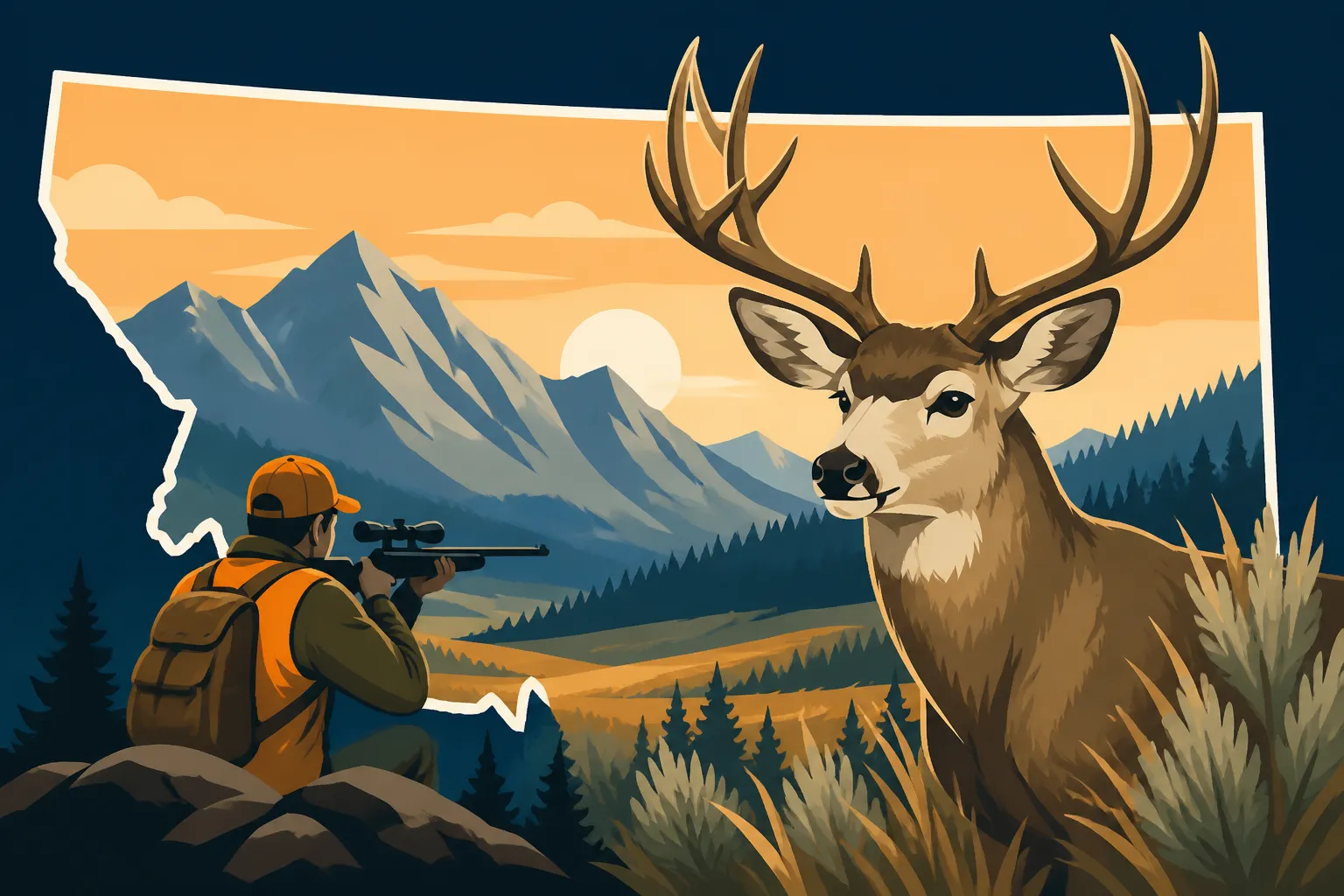
The most significant rule for a Montana Mule Deer B License is that it's almost exclusively for antlerless mule deer. This means you are targeting a doe or a fawn, not a buck with antlers. This can be a bit of a mental shift for many hunters, especially those accustomed to pursuing antlered game. You might find yourself in prime mule deer country, glassing up a beautiful 4×4 buck, only to remember your B license strictly forbids taking it. It happens! It’s a common scenario that highlights the importance of reading and understanding your specific tag.
The purpose, as mentioned, is herd control. By targeting does, FWP aims to manage the reproductive capacity of the herd. These tags are often issued in districts where managers identify a need to reduce mule deer numbers, particularly on winter ranges or in areas experiencing habitat stress. While you might occasionally find an "either-sex" B license for mule deer, it's exceptionally rare and usually reserved for specific, very limited hunt codes or management objectives. Always confirm the exact sex restriction on your B license when you receive it.
Private Land Only Limitations
Another critical aspect of many Mule Deer B Licenses, particularly for nonresidents and in certain districts, is the "private land only" restriction. This means that even if you have a valid B license, you can only use it to harvest an antlerless mule deer on private property where you have explicit permission to hunt. This rule is a direct response to issues like overpopulation on agricultural lands, where deer can cause significant damage to crops and fences. It's also a way to incentivize hunters to build relationships with landowners and help manage local deer populations where they are needed most.
This restriction can be a significant hurdle for public land hunters. While Montana boasts vast expanses of public land, a private land-only B license means you'll need to do your homework to secure access. This might involve knocking on doors, making phone calls, or utilizing programs that facilitate landowner-hunter access. Some B licenses may allow hunting on Block Management Areas (BMAs) that are predominantly private land but offer public access. However, it's essential to verify if a specific BMA allows B license hunting and which species are permitted. Our guide on Montana Block Management Areas Explained offers a deep dive into how that program works and how to navigate it for opportunities.
Navigating Hunt Codes and Districts
Montana's hunting regulations are organized by "hunt codes" which designate specific species, weapon types, season dates, and locations (hunting districts). A Mule Deer B License will always be tied to a specific hunt code, like 900-XX, indicating a particular combination of rules. These codes are critical because they dictate precisely where and when your B license is valid.
For example, you might draw a Mule Deer B License with hunt code 299-00, valid only for antlerless mule deer on private land in Hunting District 299 during a specific late-season window. You cannot then use that license in, say, Hunting District 380, even if you see mule deer. Each hunt code is unique, and it’s your responsibility to understand the boundaries and limitations. Resources like the FWP website and platforms such as GoHunt's Insider service can be invaluable for breaking down these hunt codes, understanding draw odds for specific districts, and mapping out areas where these B licenses might be available. It truly helps to visualize these boundaries when planning your hunt. For more details on this, check out our piece on Montana Hunting Districts Explained.
Table: Key Differences: Montana General Deer A Tag vs. Mule Deer B Tag
| Feature | General Deer A Tag (Statewide Deer) | Mule Deer B Tag (Specific Hunt Code) |
|---|---|---|
| Primary Target | Antlered Deer (Buck), sometimes antlerless | Antlerless Mule Deer (Doe/Fawn) only |
| Land Restriction | Valid on both Public and Private Land | Often Private Land Only (check regulations) |
| Species | Deer (often covers both mule and whitetail) | Mule Deer specific |
| Purpose | General hunting opportunity, buck harvest | Herd management, antlerless harvest |
| Availability | Typically part of combo licenses, general draw | Limited entry draw, specific hunt codes |
| Cost | Included in general deer/combo licenses | Separate application/purchase fee (lower) |
| Draw Odds | Generally better for general tags | Can vary greatly; often good for specific antlerless private land tags |
How to Apply for a Montana Mule Deer B License
The application process for any Montana hunting license can be a bit daunting, and Mule Deer B Licenses are no exception. It requires careful attention to detail and a clear understanding of deadlines. Many hopeful hunters miss out simply because they didn't follow the application steps precisely, or they missed a critical date.
Application Deadlines and Process
Applying for a Mule Deer B License typically falls under the special draw application period, which has a distinct deadline separate from general license purchases. For many of the limited-entry deer and elk permits, the deadline is usually around March 15th, but always confirm this specific date each year through the official FWP regulations. Missing this deadline means you're out of luck for that season.
The application process itself is primarily done online through the FWP ALIS (Automated Licensing System) portal. You'll need to navigate to the "Apply for a Permit/License" section, select the appropriate hunt code for the Mule Deer B License you're interested in, and complete the application. This often requires you to have already purchased your base hunting license and conservation license. During this process, you won't need preference points for B licenses, but rather bonus points might apply for some specific permits, though for most antlerless B tags, it's a random draw. Our comprehensive guide on How to Apply for a Montana Hunting License walks through the broader application steps.
Understanding Draw Odds
Mule Deer B Licenses are considered "limited entry" and are allocated through a draw. The good news is that draw odds for many antlerless Mule Deer B licenses, especially those restricted to private land, are often significantly better than for trophy bull elk or buck mule deer permits. This is because there's generally less competition for tags that require private land access or are for antlerless animals.
However, "better odds" doesn't mean guaranteed. Some districts might have higher demand even for antlerless tags if they are known for robust deer populations or easier private land access. Tools like GoHunt's Draw Odds calculators can be extremely helpful here. They compile historical draw data, allowing you to research the specific hunt code you're eyeing and see what your chances were in previous years. This research is crucial for strategically applying and managing your expectations. Remember, every year is a new draw, but historical data provides a strong indicator.
Common Mistakes to Avoid
When applying for a Mule Deer B License, or any special permit in Montana, there are a few common pitfalls to steer clear of:
- Missing Deadlines: This is the most frequent and heartbreaking mistake. Set reminders, double-check dates, and submit your application well in advance.
- Incorrect Hunt Codes: Ensure you're applying for the exact hunt code for the species (mule deer!), sex (antlerless!), and district you intend to hunt. Applying for a whitetail B license when you wanted a mule deer one will leave you disappointed.
- Not Reading the Regulations: Don't assume. Regulations change annually. What was true last year might not be true this year. Always read the current FWP Deer & Elk Regulations carefully, particularly the sections pertaining to your chosen district and hunt code.
- Assuming Public Land Access: If your B license has a "private land only" restriction, do not apply unless you have already secured private land access or are confident you can get it. Many hunters draw these tags only to realize they have nowhere to hunt. Be proactive!
Strategic Considerations for Mule Deer B Licenses
Deciding whether to pursue a Mule Deer B License involves more than just understanding the rules; it's about fitting that tag into your overall hunting strategy and personal goals. These tags offer unique opportunities but come with their own set of challenges.
When a B License Makes Sense
A Mule Deer B License can be an excellent option in several scenarios:
- Meat Hunters: If your primary goal is to fill your freezer with delicious wild game, an antlerless mule deer B license can be a fantastic opportunity. Does and fawns provide excellent table fare, and with less emphasis on antler size, the pressure is often lower.
- Hunters with Private Land Access: If you own land in Montana, have family property, or have secured permission from a landowner, a private land-only B license can be a very high-success hunt. You're helping the landowner manage their deer population while enjoying a rewarding hunt.
- Hunters Looking for a Longer Season or Additional Opportunity: In some districts, B licenses might offer extended seasons or additional hunting days beyond the general season. They can also be a way to add another deer to your bag limit if you already have a general deer tag.
- Introducing New Hunters: An antlerless B license can be ideal for new hunters, especially youth. The focus shifts from trophy pressure to ethical shot placement, learning deer behavior, and the overall hunting experience. It's a great way to learn How to Hunt Mule Deer in Montana without the added stress of finding a specific buck.
Challenges and Success Factors
While B licenses offer opportunities, they also present challenges:
- Private Land Access: As discussed, securing private land permission is often the biggest hurdle. Start early, be polite, offer to help, and respect landowner wishes. Using tools like onX Hunt can help identify land ownership, but personal communication is key.
- Antlerless-Only Mentality: It can be hard to pass on a big buck, especially if you're primarily a trophy hunter. You need to be disciplined and focused on your objective.
- Hunter Pressure (even for antlerless): In some areas, even antlerless tags can see pressure, particularly on accessible private lands or small Block Management units. Being flexible with your hunting times and locations can help.
- Finding Antlerless Mule Deer: While mule deer does are generally less secretive than mature bucks, they still require scouting and understanding their movements. Late-season B licenses can be excellent for this, as deer often congregate on winter range, making them easier to locate. Consider honing your skills in How to Glass for Montana Mule Deer to improve your success.
Combining with Other Tags
For many hunters, a Mule Deer B License isn't a standalone hunt but rather an addition to their primary hunting plan. A common strategy, especially for nonresidents, is to apply for a general deer/elk combination license and also apply for a Mule Deer B License. If successful in drawing both, you could potentially harvest an antlered deer (or elk) with your combo license and an antlerless mule deer with your B license. This maximizes your opportunities and can significantly increase your chances of bringing home meat. Just be sure that combining licenses aligns with the regulations for your specific hunt codes and districts, as some combinations might have restrictions. This kind of planning goes hand-in-hand with understanding Montana Combination License Draw Odds.
Ultimately, the Mule Deer B License is a specialized tool in Montana's hunting arsenal. It's not for every hunter or every situation, but for those who understand its rules and limitations, it can provide a rewarding and effective way to experience Montana's incredible mule deer hunting. Do your homework, respect the regulations, and you might just find that antlerless tag is exactly what you needed.
Disclaimer
Please remember that hunting regulations in Montana can change annually. The information provided here is for general guidance and educational purposes only. Always refer to the most current official Montana Fish, Wildlife & Parks (FWP) hunting regulations before planning and executing your hunt. It is your responsibility to understand and comply with all applicable laws and regulations.