How to Pattern Montana Elk Movement
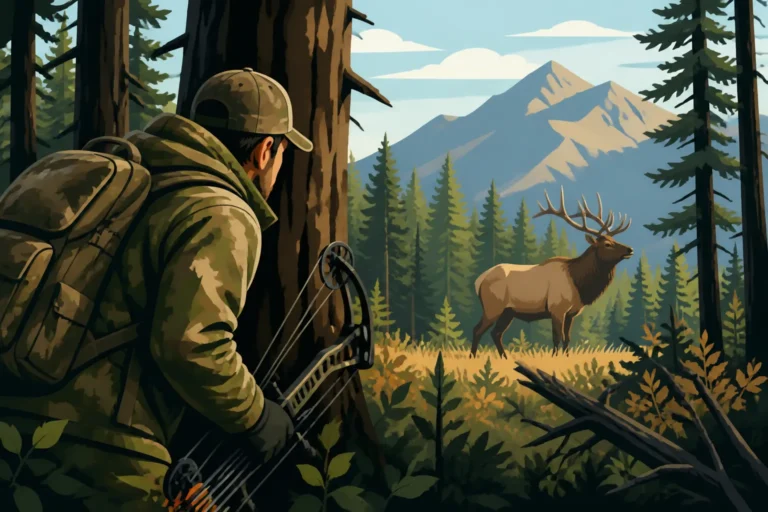
If you've spent countless hours in the Montana backcountry, you know the immense frustration of arriving in what looks like perfect elk country, only to find it devoid of animals. Elk are notoriously nomadic, and their movements can seem random and unpredictable, leaving hunters scratching their heads and burning precious hunting days. But I'm here to tell you that with a deeper understanding of their habits and a methodical approach, you can learn how to pattern Montana elk movement and increase your chances of being in the right place at the right time.
Understanding Seasonal Elk Movement in Montana
Elk aren't just wandering around aimlessly; their movements are deeply ingrained with the rhythm of the seasons, driven by primal needs like food, breeding, and safety. If you want to consistently find elk, especially the big bulls, you absolutely have to understand these broader, seasonal shifts before you even think about daily patterns.
Spring Green-up and Calving Areas
As winter's grip loosens its icy hold and the snow begins to recede, elk start their slow migration from their wintering grounds to higher elevations. This spring movement is all about finding new, nutritious forage – that first flush of green-up that provides vital nutrients after a lean winter. Cows, especially, are driven by the need to find secluded, safe calving grounds. These areas often feature dense cover, plenty of water, and palatable greens to support milk production for their newborns.
You'll typically find cows moving into these specialized habitats from late April through early June. Bulls, on the other hand, are often less restricted by calving needs and might linger in lower elevation winter ranges a bit longer, feeding heavily to regain body mass lost over winter. As the spring progresses, they too will push higher, often segregating into bachelor groups. Knowing these general areas and the timing can be crucial for shed hunting or early season scouting, as you can identify potential summer ranges.
Summer High-Country Sanctuaries
Once the snow has completely melted and the landscape is lush, most elk will have settled into their summer ranges. For many elk herds in Montana, especially those in the western half of the state, this means pushing into high-elevation basins, north-facing slopes, and dense timber pockets. These spots offer a few key things: cooler temperatures to escape summer heat, abundant forage (grasses, forbs, shrubs), and, most importantly, security from both predators and human disturbance.
Bulls, in particular, will seek out areas that allow them to grow their antlers undisturbed. They often gravitate towards lush, isolated pockets of feed near heavy timber, where they can pack on pounds and develop those impressive racks. Cows and calves will remain in family groups, often in slightly more open, but still secure, alpine meadows or timbered ridges where the calves can thrive. This is a critical time for e-scouting using tools like GoHunt or other mapping software to identify potential hiding spots, water sources, and travel corridors that will become active once hunting season arrives.
Fall Rut and Post-Rut Behaviors
Ah, the rut! This is what most elk hunters dream about, and for good reason. From late August through October, especially mid-September to early October, elk behavior changes dramatically. Bulls become vocal, aggressive, and highly focused on breeding, often throwing caution to the wind. This intense period sees them moving more openly, bugling, and challenging other bulls.
After the frenzy of the rut, however, things settle down considerably. Post-rut elk, particularly bulls, are exhausted and have often lost a significant amount of body weight. They become much more reclusive, seeking out dense, dark timber to recover, feed heavily, and avoid further stress. Cows and calves might remain in looser family groups, focusing on finding good forage before winter. Understanding this shift from the chaos of the rut to the quiet, recovery phase is vital. A spot that was hot during the peak rut might be completely empty a week later, with elk moving into more remote, secure bedding and feeding zones. This is when patience and knowing how to hunt elk after the rut becomes paramount.
Winter Range and Survival Strategies
As late fall turns to winter and the first heavy snows arrive, elk begin their migration to traditional wintering grounds. These areas are typically at lower elevations, often on south-facing slopes, where snow accumulation is less severe and browse (woody vegetation) is more accessible. Their primary goal now is survival: conserving energy, finding adequate food, and minimizing exposure to harsh weather.
These winter ranges are crucial to the long-term health of the herd. While hunting seasons often overlap with the early stages of this migration, understanding where elk are trying to go can give you a significant advantage. They’ll follow established migration routes, often along ridges or through drainages, which become obvious travel corridors. Identifying these paths during your off-season scouting or using historical data from sources like GoHunt can help you predict where elk will concentrate as the weather turns. For more on the specifics of how elk survive the colder months, consider reading about How Weather Moves Montana Elk.
Decoding Daily Elk Movement Patterns
Beyond the big seasonal shifts, elk also have predictable daily routines. Understanding these routines – when they feed, when they bed, and how they travel between these areas – is where you really start to pattern Montana elk movement and get yourself into prime ambush positions.
Early Morning and Evening Feeding
Just like many other big game animals, elk are most active during the crepuscular hours – dawn and dusk. This is when they move from their bedding areas to their feeding grounds, and vice-versa. In the early morning, they'll often be finishing up their nighttime grazing, lingering in open parks, clear-cuts, or meadows before retreating to cover as the sun rises.
Conversely, as evening approaches, they will emerge from their dense bedding cover to begin feeding again. These feeding periods can last for several hours, and elk will often cover a lot of ground while grazing. Identifying prime feeding areas – lush grass, browse, or even agricultural fields if hunting near private land – is paramount. Remember that they rarely feed in the same exact spot every night, but rather within a general "feeding zone."
Mid-Day Bedding and Security Cover
Once the sun is high and hunter activity typically increases, elk will seek out security cover for bedding. This usually means dense timber, north-facing slopes with thick vegetation, or remote, steep drainages where they feel safe and can easily detect approaching danger. During the mid-day, elk will mostly be resting and ruminating (chewing their cud), minimizing movement.
Their bedding areas aren't just random spots; they choose places that offer good visibility, scent control (often bedding into the wind), and escape routes. Think about what makes you feel safe: a vantage point, an easy escape. Elk are no different. Often, these bedding areas will be relatively close to water sources, and just a short distance from evening feeding areas, allowing for minimal travel to fulfill their needs. This makes How to Find Elk in Montana Dark Timber an invaluable read.
Water Sources and Travel Corridors
Water is life, and elk need it daily, especially in drier climates or during warmer parts of the season. Springs, seeps, small creeks, and even stagnant wallows can be magnets for elk, particularly during dry spells. Patterning these water sources, and the trails leading to and from them, can be incredibly effective.
Between bedding and feeding areas, and to access water, elk utilize established travel corridors. These can be old game trails, benches on a steep hillside, or even the natural funnels created by terrain features. These corridors offer the most efficient and often the safest routes between their essential daily stops. Learning to identify these routes, both through e-scouting and boots-on-the-ground, is critical. Look for heavily used trails, fresh droppings, and rubbed trees along these routes. Often, these pathways will follow ridgelines or traverse dense timber where they feel most secure. For more detailed insights, you might find How to Pattern Montana Elk Movement helpful.
Utilizing Technology and Scouting for Patterning
Understanding the theory of elk movement is one thing, but putting it into practice requires a blend of modern technology and good old-fashioned woodsman skills. Successfully patterning Montana elk movement means merging digital tools with dirt-under-your-boots effort.
E-Scouting Tools and Satellite Imagery
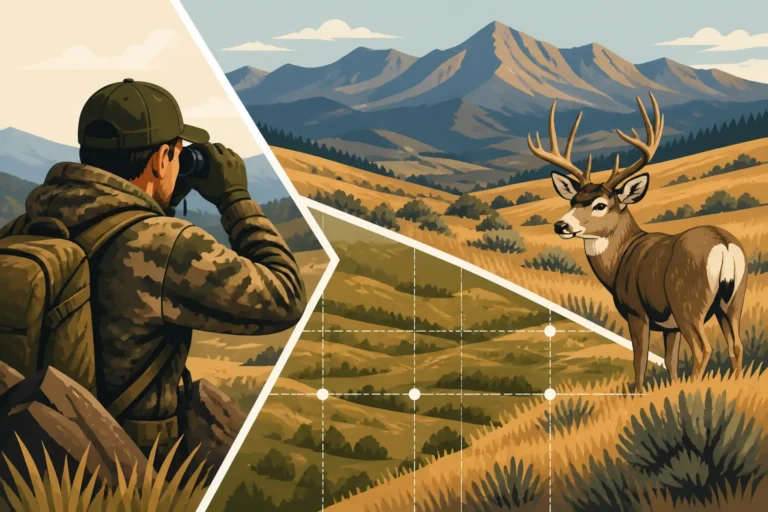
Before you even step foot in the woods, the best way to start patterning elk is by e-scouting. Tools like GoHunt's INSIDER platform or other mapping apps like onX Hunt are absolute game-changers. They allow you to pour over satellite imagery, topo maps, and even landowner data from the comfort of your home. What are you looking for? Start by identifying potential winter ranges, then trace migration corridors to spring green-up areas, and finally pinpoint summer high-country basins.
Look for key terrain features:
- North-facing slopes: Often hold snow longer, providing moisture and thicker timber for bedding.
- South-facing slopes: Catch the sun, melting snow faster, offering early green-up or winter forage.
- Ridgelines and saddles: Natural travel corridors and vantage points.
- Water sources: Springs, seeps, creeks, and wallows are critical.
- Dark timber blocks: Prime bedding and security cover.
- Meadows and clear-cuts: Obvious feeding areas.
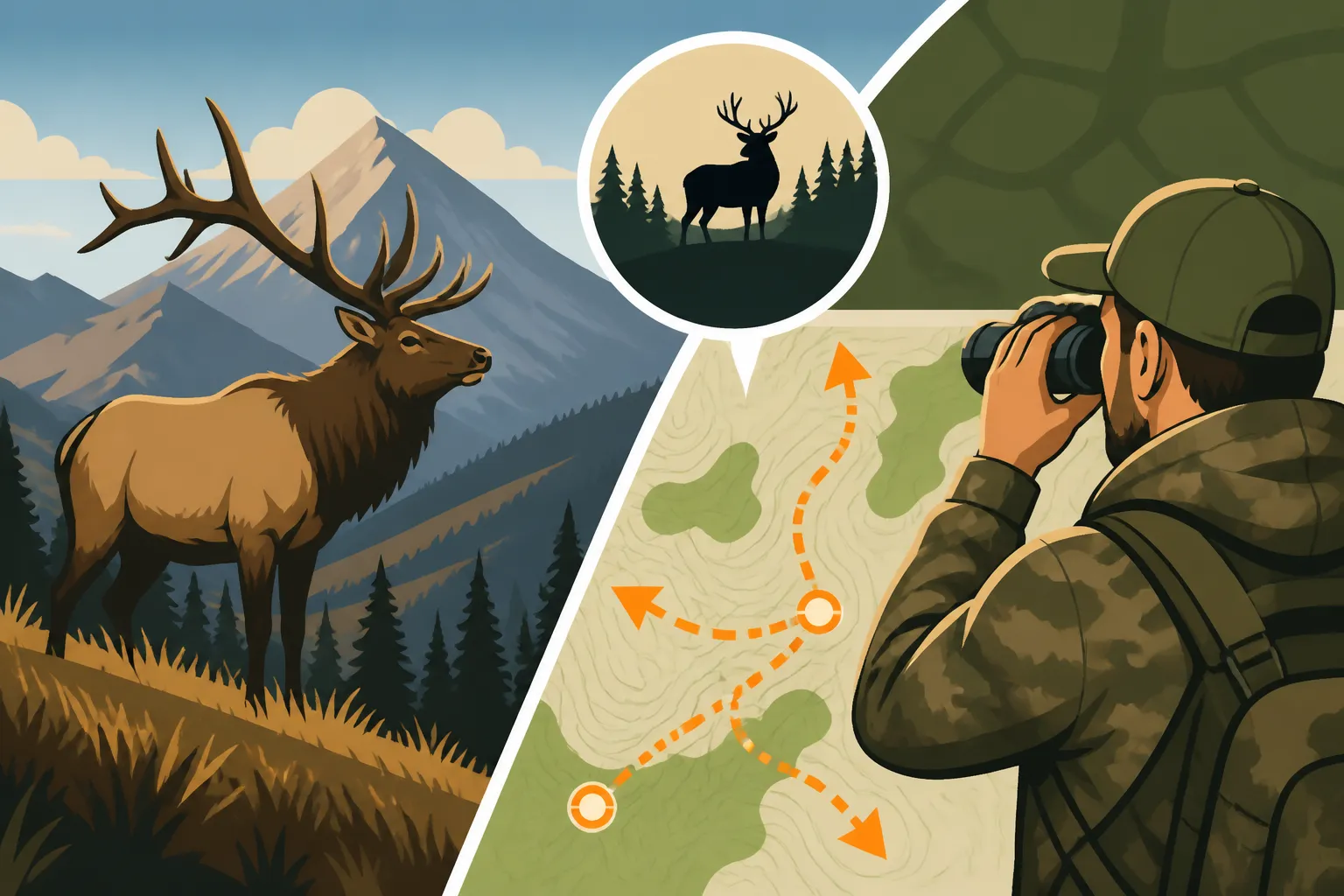
By layering different map views (topo, satellite, public/private land), you can start to draw lines on a map, predicting where elk should be at various times of the season. This kind of advanced preparation is detailed in articles like How to E-Scout Montana Hunting Units.
Boots-on-the-Ground Scouting Techniques
While e-scouting gets you in the ballpark, nothing beats actual boots-on-the-ground scouting. This is where you verify your e-scouting theories and collect real-time data. During the off-season, hike into the areas you've identified. Look for old rub lines, historical droppings, well-used trails, and wallows. These are clues left behind by the elk themselves, showing their preferred routes and haunts.
In the weeks leading up to the season, focus on finding fresh sign. Droppings, tracks, fresh rubs, and active wallows tell you where elk are currently moving. Pay close attention to how they use the terrain. Are they crossing a specific saddle every morning? Are they bedding on a particular ridge? Remember, scouting isn't just about finding elk, it's about understanding why they are where they are. This involves checking wind patterns, thermal currents, and considering how hunter pressure might shift their behavior once the season opens. You might also consider setting up trail cameras in key areas like water sources or pinch points to get a better sense of their movement timing.
Interpreting Elk Sign and Trail Cameras
Learning to read elk sign is like learning their secret language. Fresh tracks in mud or dust, warm droppings, and recently rubbed trees indicate active areas. Look at the size and depth of tracks – are they big bull tracks or smaller cow/calf prints? How many animals were there? Pay attention to vegetation: are plants browsed recently? Are there disturbed areas around a wallow?
Trail cameras are powerful tools for patterning. Place them on trails, near water sources, or overlooking feeding areas. They can tell you:
- Time of movement: Are elk moving mostly at night or during the day? This helps you adjust your hunting strategy.
- Direction of travel: Are they consistently coming from one ridge and heading to another?
- Herd composition: Are there bulls, cows, or both? This helps you know what kind of tag you might need, or if you should focus on calling strategies.
- Specific animals: You might even be able to identify individual bulls by their antler characteristics.
Combining fresh sign with trail camera data gives you a powerful, current understanding of elk patterns. Keep detailed notes or use your mapping app to mark these locations, noting the time and type of sign found. This data accumulation over time builds a comprehensive picture of Montana Elk Hunting Methods Explained.
Factors Influencing Elk Movement
Elk movement isn't static; it's a dynamic response to their environment. While core patterns exist, external factors like weather and hunting pressure can drastically alter their behavior, making an already challenging hunt even tougher.
Weather's Impact on Elk Behavior
Weather is perhaps the most significant unpredictable variable in elk hunting. A sudden change in temperature, a heavy snowstorm, or even persistent rain can completely change where elk are and what they're doing.
- Temperature: During hot weather, elk will seek out dense, shaded timber, often on north-facing slopes or at higher elevations, to stay cool. They might also become more nocturnal, moving and feeding primarily at night to avoid the heat. Colder temperatures, especially with snow, can push them down to lower elevations where forage is easier to access and they can conserve energy.
- Precipitation: Heavy rain can make elk seek cover, but light rain often gets them up and moving, masking human scent and noise. Snowfall can initially make them more active as they feed before deep snow restricts movement. After a heavy snow, they'll concentrate on accessible feed, often moving to south-facing slopes. A good understanding of How to Hunt a Cold-Front Elk Push in Montana can be a game-changer.
- Wind: Elk are highly attuned to wind. They'll often bed with the wind at their back, watching their downwind side for danger, or use swirling thermals in the mountains to detect threats from multiple directions. Understanding wind and thermals is critical for any hunter trying to approach elk undetected.
Hunter Pressure and Nocturnal Movement
Unfortunately, Montana's public lands, especially during the general rifle season, can see significant hunter pressure. Elk learn quickly, and sustained pressure will inevitably alter their behavior patterns.
- Increased Seclusion: Heavily hunted elk will become much more secretive. They'll gravitate towards the thickest, nastiest cover they can find – steep canyons, roadless areas, dense timber – to escape human presence.
- Nocturnal Habits: One of the most common responses to hunter pressure is for elk to become largely nocturnal. They might feed openly at night but retreat to their secure bedding areas well before first light, only emerging again after dark. This is when Montana Backcountry Hunting Guide knowledge really pays off, as these animals will often flee deep into remote wilderness.
- Shifted Travel Times: Even if they don't go fully nocturnal, pressured elk will often shift their movement windows, becoming active only during the dimmest parts of dawn and dusk, or even during mid-day when most hunters have gone back to camp. This requires hunters to be in their spots earlier, stay later, and be patient during those less conventional movement times. This is why knowing How to Hunt Montana Public Land Pressure is so important.
By integrating these insights into your hunting strategy, continually adapting to conditions, and always respecting the incredible wisdom of these animals, you can significantly improve your ability to pattern Montana elk movement and increase your odds of success.
Montana Elk Movement Patterning Table
To help you visualize these patterns, here's a quick overview of how elk movement typically shifts throughout the year:
| Season/Time of Day | Typical Elk Movement | Key Drivers | Hunter Strategy Focus |
|---|---|---|---|
| Spring (Apr-Jun) | Migration to higher elevation calving & growth areas. Bachelor bull groups form. | New forage, calving safety, antler growth. | E-scouting for summer/calving areas, shed hunting. |
| Summer (Jul-Aug) | Settled in high-country basins, dense timber. Nocturnal feeding if hot. | Optimal forage, cool temperatures, security. | E-scouting, identifying access routes, scouting water. |
| Early Rut (Late Aug-Early Sep) | Bulls begin to bugle, sparring, testing dominance. Cows moving towards bulls. | Breeding, establishing dominance. | Locating vocal bulls, assessing herd presence. |
| Peak Rut (Mid Sep-Early Oct) | Intense bugling, constant movement, bulls herding cows. Less wary. | Active breeding, territorial defense. | Aggressive calling, focusing on known rutting areas. |
| Post-Rut (Mid Oct-Early Nov) | Bulls recover in dense timber, reclusive. Cows feed heavily. | Recovery, re-gaining body weight for winter. | Still-hunting thick cover, focusing on feed/bed. |
| General Season (Late Oct-Nov) | Depends on pressure & weather. May be migrating to winter range. | Hunter pressure, early snow, seeking lower elevation forage. | Adapt to conditions, use migration corridors, access remote areas. |
| Morning (Dawn-9 AM) | Active feeding, moving from feeding to bedding areas. | Energy intake, natural routine. | Ambush near feeding areas or travel corridors. |
| Mid-Day (9 AM-4 PM) | Bedded in thick cover, minimal movement. | Security, rumination, avoiding heat/pressure. | Still-hunting bedding areas, patient observation. |
| Evening (4 PM-Dusk) | Moving from bedding to feeding areas, active feeding. | Energy intake, natural routine. | Ambush near bedding exits or feeding areas. |
This table provides a general guide, but always remember that elk are individuals and will adapt to local conditions and hunting pressure.
Disclaimer
Hunting in Montana involves inherent risks. This guide provides general information for educational purposes only and is not a substitute for professional advice, local regulations, or personal research. Always consult the most current Montana Fish, Wildlife & Parks regulations, obtain necessary licenses and permits, and prioritize safety in the field. Conditions in the backcountry can change rapidly, and hunters are responsible for their own safety and decisions.