How to Hunt Montana Archery Elk Solo
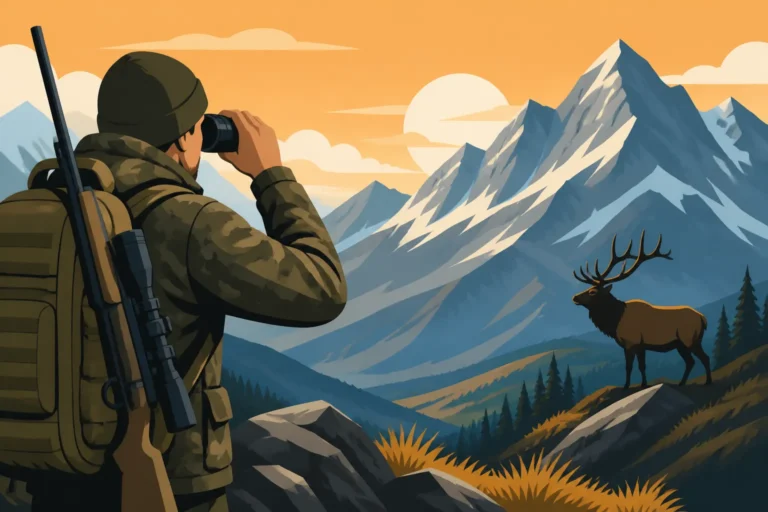
Hunting elk in Montana by yourself with a bow and arrow is one of the most physically and mentally demanding challenges an outdoorsperson can undertake. It's a true test of grit, skill, and self-reliance, and many aspiring solo hunters find themselves overwhelmed by the sheer scale of the task. This guide will meticulously break down the unique aspects of a solo archery elk hunt in Montana, offering actionable strategies to prepare, execute, and succeed when it's just you against the mountains.
The Unique Challenges of Solo Archery Elk Hunting
Embarking on a solo archery elk hunt in Montana is an aspiration for many, but it comes with a steep learning curve and a unique set of obstacles. It's not just about finding elk; it's about managing every single aspect of the hunt, from navigation to field dressing, all while maintaining a high level of mental and physical acuity. The mountains of Montana are vast and unforgiving, and when you're alone, every decision carries more weight. There's no partner to share the load, bounce ideas off, or lend a helping hand when things inevitably go sideways.
Mental Fortitude and Self-Reliance
One of the biggest hurdles in solo archery elk hunting isn't physical, but mental. You are your own motivator, your own guide, and your own safety net. When fatigue sets in after miles of climbing, or doubt creeps in after days without seeing an elk, it’s only your internal resolve that keeps you going. There's no one to offer a word of encouragement or to take the lead when you're feeling beaten down. This self-reliance extends to every aspect of the hunt, from making critical decisions about where to go and how to approach an animal, to pushing through pain and discomfort when you're miles from the truck with a heavy pack. You have to trust your instincts completely and be prepared for long stretches of solitude, which can be surprisingly taxing for some hunters.
The mental game also involves managing risk. When you're solo, a sprained ankle can turn into a life-threatening situation faster than you think. You need to be constantly assessing your surroundings, anticipating potential dangers, and having contingency plans for everything from sudden weather shifts to unexpected encounters with wildlife. This constant state of alert, combined with the physical exertion, can be mentally exhausting. Understanding your personal limits and knowing when to push and when to pull back is a crucial skill that only comes with experience, but it’s something every solo hunter must cultivate.
Logistics of Meat Care and Recovery
Harvesting an elk is a monumental accomplishment, but the real work often begins after the shot, especially when you're alone. The sheer size and weight of an elk mean that getting the meat off the mountain is a massive undertaking. Unlike hunting with a partner, there's no one to help you roll the animal, hold limbs, or share the burden of packing out hundreds of pounds of meat. The clock is also ticking; keeping meat cool is paramount, especially during the warmer early archery season. You have to be efficient and methodical in your field dressing and quartering process.
This logistic challenge means having a solid plan before you ever pull the trigger. Where will you hang the quarters to cool? How will you protect them from scavengers? How many trips will it take to get all the meat, cape, and antlers out, and over what terrain? You need to be proficient in breaking down an animal quickly and cleanly, often in challenging conditions like steep terrain, low light, or inclement weather. Every piece of equipment, from your knife to your game bags, needs to be reliable and easily accessible. Without a detailed plan for How to Quarter an Elk in the Montana Backcountry, a successful harvest can quickly turn into a stressful and overwhelming ordeal.
Essential Preparation for Your Solo Hunt
Preparing for a solo archery elk hunt in Montana is an intense, multi-faceted process that goes far beyond just sighting in your bow. It involves honing your body, mind, and skills, alongside meticulous planning and gear selection. Neglecting any one of these areas can have significant consequences when you're deep in the wilderness with no one else to rely on.
Physical and Mental Conditioning
Montana elk country is rugged, characterized by steep climbs, dense timber, and high elevations. To effectively pursue elk, especially when you're covering ground alone, you need to be in peak physical condition. This means months of dedicated training focused on endurance, strength, and cardiovascular fitness. Think beyond just hitting the gym; incorporate weighted hikes, trail running, and exercises that mimic the movements you’ll make in the mountains. Climbing mountains with a heavy pack day after day demands strong legs, a resilient core, and incredible lung capacity. For instance, simulating a pack-out with a 60-80 pound pack on steep trails is excellent preparation. Consider developing a specific Montana Elk Hunt Fitness Plan that targets these demands.
Beyond physical strength, mental toughness is crucial. The solitude, the inevitable setbacks, and the constant decision-making will wear on you. Practice pushing through discomfort during your training. Embrace the suck of long, hard workouts. Visualize difficult scenarios you might face on the hunt – getting lost, facing a blizzard, or having a pack full of meat in rough terrain – and mentally rehearse how you would overcome them. Building this mental resilience before you even set foot in Montana will be one of your greatest assets when the hunt gets tough. The more you challenge yourself in preparation, the less daunting the actual hunt will feel.
E-Scouting and Understanding Elk Behavior
Before you ever leave home, a significant portion of your solo hunt success will be determined by your e-scouting efforts. Digital mapping tools, like those offered by GoHunt, are invaluable for identifying potential hunting areas, understanding terrain, and marking key features. You'll want to pore over topo maps, satellite imagery, and public land ownership layers to find areas with good elk habitat, escape routes, water sources, and bedding areas. Look for north-facing slopes with dark timber for bedding, south-facing slopes for early season feeding, and saddles or benches that funnel elk movement. Pay close attention to roadless areas or wilderness boundaries, as these often hold less pressured elk.
Understanding elk behavior is equally vital. During the archery season, particularly as the rut approaches, elk patterns change. Bulls become more vocal and less cautious, making calling tactics more effective. However, when alone, your calling strategy will differ from a two-person team. Learn how elk react to various calls and how to use them to your advantage without giving away your exact position. Studying historical weather patterns for your chosen hunting district can also provide insight into how elk might move and where they might seek shelter. The more knowledge you gather through e-scouting and studying elk, the more confident and efficient you'll be once you're on the ground. For more on this, check out How to E-Scout Montana Hunting Units.
Gear Selection for a Solo Backcountry Hunter
Every item in your pack needs to earn its weight, as you'll be carrying it all yourself. For a solo backcountry hunter, reliable and lightweight gear is non-negotiable. Your pack itself is paramount; invest in a high-quality pack designed for carrying heavy loads, such as those from Mystery Ranch or Stone Glacier, because it will be holding hundreds of pounds of meat at some point. Optics, like a good pair of 10×42 binoculars and a reliable spotting scope, are crucial for glassing vast expanses, especially on public land. Don’t skimp on your sleep system – a warm sleeping bag and pad are vital for recovering from grueling days.
Beyond the basics, think about solo-specific items. A satellite communication device (like a Garmin InReach or Zoleo) is essential for safety, allowing you to send messages or trigger an SOS even without cell service. A lightweight shelter, robust game bags, a reliable water filter, and a complete first-aid kit are also non-negotiable. When planning your Montana Backcountry Hunting Gear List, always consider redundancy for critical items like fire starters and navigation tools. Double-checking your gear and ensuring everything is in working order prevents unnecessary headaches and potential dangers when you're miles from civilization.
On-the-Ground Tactics for Solo Success
Once you're actually in the field, solo archery elk hunting requires a unique set of tactics. You don't have a partner to push elk, call from a distance, or watch your back. Every move, every sound, and every decision is yours alone, and they must be executed with precision and confidence.
Silent Movement and Situational Awareness
Moving quietly through Montana's diverse terrain, from crunchy dry pine needles to wet, rocky slopes, is an art form. As a solo archer, you can't rely on a partner to distract a bull while you sneak into position. Every step must be deliberate, slow, and calculated. Pay attention to the wind direction constantly; elk have an incredible sense of smell, and a single gust of swirling wind can ruin an entire stalk. Use thermals to your advantage, understanding that air currents typically rise in the morning and fall in the evening. This knowledge allows you to position yourself for a more favorable wind.
Beyond stealth, hyper-awareness of your surroundings is critical. Constantly scan for movement, listen for subtle sounds like distant bugles, snapping twigs, or raking antlers, and pay attention to fresh sign like tracks, droppings, and rubs. As you move, frequently stop and glass, especially into dark timber or across open meadows. Your eyes and ears are your primary scouting tools when you're alone. Learning How to Move Quietly Through Montana Timber takes practice, but it's an indispensable skill for closing the distance on wary elk without the benefit of a partner.
Calling Strategies for a Solo Archer
Calling elk solo is different from calling with a partner. You can't set up a "shooter" and a "caller" dynamic. Instead, you become both roles. This means using calls primarily to locate elk or to bring a bull into range, but often having to move and shoot from the same position where you’re calling. Your calling should be realistic and often less aggressive, especially if you're trying to coax a bull closer rather than challenge him directly. Often, soft cow calls or subtle mews are more effective at drawing curious elk into archery range without alerting them to your solo status.
When you do get a response, the trick is to read the bull's demeanor. Is he hot and charging? Or is he hanging up, trying to pinpoint the source of the call? If he's hanging up, consider a subtle movement, like raking a tree to simulate another elk, or dropping to a knee and going silent to make him wonder where the "cow" went. This can sometimes make him commit. Don't be afraid to try different calls, from soft estrous mews to aggressive bugles, but always be ready for a shot. For a deeper dive, read How to Call Elk in Montana. The key is to be adaptable and constantly evaluate the elk's reaction, adjusting your strategy on the fly.
Close-Range Stalking and Shot Placement
Once you've located an elk and possibly used calling to narrow the distance, the final approach for an archery shot is paramount. This is where all your stealth and patience truly pay off. Identify the exact direction of the wind and plan your route to stay downwind and out of sight. Use all available cover – trees, bushes, terrain features – to break up your silhouette. Move excruciatingly slowly, one careful step at a time, often taking minutes to cover just a few yards. This deliberate pace minimizes noise and gives you time to react if the elk shifts position.
Your goal is to get within 20-40 yards, depending on your comfort and practice, for a high-percentage shot. When you're solo, you don't have a partner confirming distances or helping you range. Practice judging distances accurately and be prepared to take an ethical shot when the opportunity presents itself. Once you're in range and the shot presents itself, focus on a calm, smooth draw and release. Aim for the vital triangle (heart and lungs) to ensure a quick, clean kill. After the shot, observe the animal's reaction and listen for sounds. Without a buddy to help track, it’s crucial to note the last seen point and any blood trail immediately.
Post-Harvest: Packing Out Alone
Successfully harvesting a Montana elk with a bow is an incredible achievement, but the work is far from over when you're hunting solo. The pack-out is arguably the most demanding part of the entire experience, both physically and mentally. Being prepared for this grueling process is just as important as the hunt itself.
Field Quartering and Meat Preservation
The moment an elk hits the ground, especially during the warmer archery season, the clock starts ticking. Rapid and efficient field quartering is essential to cool the meat down and prevent spoilage. You'll need to work quickly and methodically. First, ensure the animal is indeed deceased and safe to approach. Then, position the animal to drain blood and begin the process of skinning and breaking it down. This typically involves removing the four quarters, the backstraps, the tenderloins, and often the neck meat and trimmings. Having high-quality, lightweight game bags (like those from Argali or GoHunt's gear section) to protect the meat from flies, dirt, and debris is non-negotiable.
Once the quarters are separated, they need to be cooled as quickly as possible. Hang them in the shade, preferably in a breezy spot, off the ground. If you’re hunting in a particularly warm early archery season, you might need to bone out some cuts to reduce bulk and allow for faster cooling. Always bring enough large game bags to accommodate all the meat. You'll likely need at least four for the quarters, plus one or two for the backstraps, tenderloins, and other scraps. Your personal hygiene, even in the backcountry, is important; keep your knives clean and free of gut contents to prevent contamination. Without a partner to assist, every step of this process relies solely on your efficiency and skill.
The Pack-Out Strategy
The pack-out is where your physical conditioning and meticulous planning truly shine. An adult elk can yield anywhere from 150 to 250 pounds of boned-out meat, plus the hide and antlers. As a solo hunter, this means multiple trips. You need to devise a strategy that balances speed, safety, and meat care. The first load should often prioritize the heaviest portions to get them cooling at a base camp or cooler as soon as possible. Typically, two hindquarters are a good first load, or one hindquarter and the two front shoulders, along with your cape and antlers if you’re taking them.
Map out your exact route for each trip. Consider the elevation changes, terrain difficulty, and potential hazards. Conserve energy by moving at a steady, sustainable pace. If possible, cache your subsequent loads in a secure, shady spot, perhaps covered with a tarp or a game bag, to keep them safe from scavengers. It's not uncommon for a solo elk pack-out to take an entire day or even two, especially if you're deep in the backcountry. Don't be afraid to take breaks, rehydrate, and refuel. Knowing How to Pack Out an Elk in Montana efficiently and safely is the capstone of a successful solo hunt, proving your complete mastery of the wild.
Here's a quick comparison of essential gear considerations for solo versus guided hunts:
| Gear Category | Solo Archery Hunt Considerations | Guided Hunt Considerations |
|---|---|---|
| Backpack | High-capacity (6000+ cu in), robust frame for heavy meat loads | Often smaller, lighter daypack as guide handles meat retrieval |
| Shelter | Lightweight tent/tarp, often minimalist for packability | Wall tent or established camp provided by outfitter |
| Navigation | GPS device (e.g., Garmin InReach), backup map/compass, GoHunt maps | Guide handles navigation; personal GPS still good for safety |
| Water Filter | Essential for multiple days of self-sufficiency | May be less critical if guide provides water |
| First Aid | Comprehensive kit for self-treatment of injuries | Still crucial, but guide often carries medical supplies |
| Game Bags | Durable, breathable, ample quantity (6-8) for full elk | Guide usually provides or advises on required bags |
| Knives/Saw | Multiple sharp knives, bone saw for efficient quartering | Guide will have, but personal sharp knife is always good |
| Communication | Satellite messenger (InReach/Zoleo) for emergency/check-ins | Less critical for daily use; guide has comms; good for personal safety |
| Optics | High-quality binoculars, spotting scope for extensive glassing | Still important; guide may have shared high-end optics |
| Food | Lightweight, high-calorie, dehydrated meals for self-sufficiency | Meals often provided/prepared by guide/cook |
Remember, the goal is not just to get an elk, but to get it out ethically and safely. The challenges of a solo archery elk hunt in Montana are immense, but with thorough preparation and a resilient spirit, it can be the most rewarding experience of a hunting lifetime. If you're looking for even more advanced strategies, consider exploring topics like Montana DIY Elk Hunting Guide or even Montana Mule Deer Hunting: Spot-and-Stalk Tactics as many of those principles apply directly to solo elk hunting.
Disclaimer
Hunting is an inherently dangerous activity. The information provided in this guide is for informational purposes only and should not be taken as professional advice. Always prioritize safety, adhere to all local and state regulations, and ensure you have the necessary skills, permits, and equipment before venturing into the field. Conditions in Montana's backcountry can change rapidly, and hunters should be prepared for all eventualities.