How to Hunt Elk in Montana Rifle Season Pressure
Montana's general rifle season is a magnet for elk hunters, and while the allure of a Big Sky country bull is strong, the reality of hitting the woods during this time can be a real punch to the gut. You scout, you plan, you hike, only to find fresh boot tracks leading into your drainage or hear distant shots echoing from your honey hole. It's frustrating when it feels like the elk have vanished, pressured into oblivion by the sheer number of hunters. This guide is here to cut through that frustration, offering realistic strategies and deep insights into how you can still find success hunting elk in Montana, even when the pressure is on.
Understanding Elk Behavior Under Rifle Season Pressure
When the orange army descends upon the mountains and prairies of Montana, elk don't just disappear; they adapt. Their behavior changes drastically from the free-roaming, vocal animals you might encounter during the early archery season. Understanding these shifts is the first critical step to putting yourself in a position to punch a tag.
The Impact of Hunter Presence on Elk Habits
Think about it from an elk's perspective. One day, they're grazing peacefully, perhaps bugling a bit, and the next, there are vehicles on every forest road, ATVs roaring, and human scent wafting through their preferred timber. This sudden onslaught of human activity transforms their daily routines. They quickly learn to associate vehicles, voices, and strange smells with danger.
Elk, especially mature bulls, will become incredibly elusive. They'll shift from being primarily diurnal (active during the day) to largely nocturnal, moving under the cover of darkness to feed and water, only to retreat to the thickest, nastiest cover they can find before dawn. This is why you might not see them out in open parks during legal shooting light once the rifle season has been underway for even a few days. They'll bed down early, often in places so dense you'd struggle to crawl through them, and they won't move much until the sun dips below the horizon again. This shift can be incredibly disheartening for hunters who are used to seeing more consistent daytime activity.
Identifying Pressure Hotspots and Avoidance Zones
Knowing where the pressure is concentrated is just as important as knowing how elk react to it. Most hunters, for understandable reasons, gravitate towards areas with easy access. This means trailheads that don't require miles of rough road, forest service roads that allow vehicle access deep into drainages, and areas that show up as "easy" to scout on mapping apps.
Consider locations within a reasonable drive of major towns like Bozeman, Missoula, or Helena. These areas often see significant local pressure, especially on weekends. Any hunting district with numerous roads, well-maintained trails, or relatively flat terrain near public access points will likely be a hotspot. These are the places where elk are most consistently bumped, pushed, and educated. They quickly learn that road systems equal danger. While it can be tempting to focus on these spots due to their convenience, you'll often find yourself hunting other hunters more than elk. Successful hunters learn to recognize these pressure points and, more importantly, learn how to get beyond them, whether it's by gaining elevation or packing into truly remote country.
Strategies for Beating the Crowds
The key to success in a pressured environment isn't about out-hunting the elk; it's often about out-hunting the other hunters. This means thinking differently, putting in extra effort, and sometimes, enduring less-than-ideal conditions.
E-Scouting for Overlooked Havens
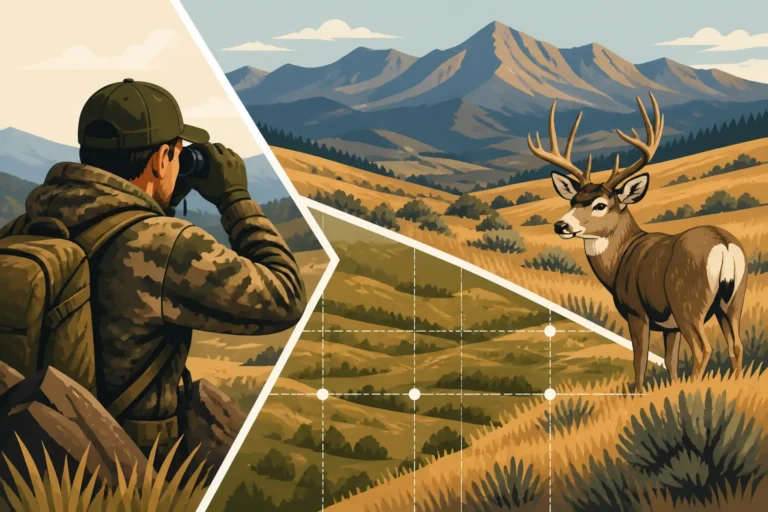
Before you even step foot in the woods, dedicating serious time to e-scouting can give you a significant advantage. Tools like GoHunt's mapping features or other robust mapping applications allow you to pore over topography, vegetation, and access points from the comfort of your home. You're looking for areas that present challenges to the average hunter – steep slopes, dense timber, roadless areas, or those seemingly landlocked pockets of public land that require navigating private property (always get permission!).
Specifically, look for benches on steep mountainsides tucked away below cliffs, or deep, dark timbered draws that are a long haul from any maintained trail. These are the places elk will seek refuge. Pay attention to wilderness boundaries – elk often know these lines better than we do, and slipping just inside a wilderness area, even a mile or two, can put you ahead of the majority. Identify potential travel corridors that connect these thick bedding areas to water sources or secluded feeding grounds. A great read to get started with this crucial skill is How to E-Scout Montana Hunting Units. This kind of advanced e-scouting will reveal spots that simply aren't apparent from a drive-by or a casual glance at a basic map.
Utilizing Under-Hunted Access Points
Most hunters will use the most obvious trailhead or the easiest road to get into an area. To avoid the crowds and find unpressured elk, you need to be willing to take the harder path. This could mean several things:
- Long Hikes: Be prepared to put in the miles. Often, simply hiking two to four miles beyond where most hunters stop will get you into entirely different elk country. Elk pushed by road hunters will often funnel deeper into secure areas, and by getting past that initial wave of pressure, you put yourself in their escape routes or their hideouts. This is where Montana Backcountry Hunting Guide truly shines, emphasizing the effort required to get away from it all.
- Horseback or Pack Stock: If you have access to horses or mules, this is a game-changer. They allow you to cover vast distances, carry heavy loads, and access terrain that's simply too difficult or time-consuming to reach on foot. You'll often find yourself in country where the only other tracks are those of wildlife.
- River Access: Consider areas accessible by boat or raft on certain rivers. This provides a unique ingress point that many hunters overlook, especially in districts with substantial river systems running through public lands. Just remember to always be aware of private land boundaries along waterways.
Hunting Mid-Week and During Inclement Weather
This is perhaps one of the most straightforward ways to reduce hunter encounters. The vast majority of hunters are weekend warriors. If you can take a few vacation days during the week, you'll notice a dramatic drop in pressure, particularly on Tuesdays, Wednesdays, and Thursdays. Elk that have been bumped and pushed all weekend may start to settle back into more predictable patterns during the quieter weekdays.
Similarly, don't shy away from bad weather. A fresh blanket of snow, a steady rain, or a severe cold front will send many fair-weather hunters packing. This is your opportunity. Elk often become more active during inclement weather, moving to feed before or after a storm, and fresh snow makes tracking easier and quiets your footsteps. Plus, seeing fewer other trucks at the trailhead is a mental boost when the conditions are challenging. Embracing the suck often leads to success in these situations.
Key Tactics for Success in Pressured Areas
Once you've identified less-pressured areas and committed to accessing them, it's time to adjust your actual hunting tactics. What works for unpressured elk in the early rut might not work when they're on high alert.
Still-Hunting Dark Timber
When elk are pressured, they seek refuge in the thickest, darkest timber they can find. This isn't just about cover from hunters; it's also about thermal regulation and security. These dark timber stands, often on north-facing slopes, become their fortresses. To hunt them effectively, you need to abandon the idea of covering miles quickly. Instead, adopt a slow, methodical still-hunting approach.
Move at a snail's pace, taking only a few steps, then pausing for several minutes to glass, listen, and simply observe. Use your binoculars to pick apart every shadow, every clump of trees, looking for the tell-tale horizontal line of an elk's back or the subtle flick of an ear. The wind is paramount here – always hunt into the wind or with a crosswind. A great resource for this is How to Still-Hunt Montana Timber. Expect to see elk at very close range, often before you realize they are there. This is a game of patience and extreme stealth. Your goal isn't to walk past them, but to spot them before they spot you.
Focusing on North-Facing Slopes and Thick Cover
As mentioned, elk seek refuge, and north-facing slopes provide exactly what they need. They offer cooler temperatures, often hold more moisture which encourages denser vegetation, and provide excellent thermal cover. These slopes are also typically less exposed to direct sunlight, making them appealing bedding areas. During rifle season, especially on colder days, elk will often bed on lee slopes, those protected from the wind.
Beyond the slopes themselves, key in on features that offer even more security: thick regenerating clear-cuts (often full of sharp, noisy branches that deter hunters), creek bottoms with heavy brush, or areas with extreme blowdowns. These are places that are physically demanding to navigate, which means fewer hunters are willing to tackle them. Elk, however, are perfectly designed for it. Consider reading How to Find Elk in Montana Dark Timber and How to Hunt North-Facing Slopes for Montana Elk for more in-depth knowledge on these specific strategies. They'll be bedded, likely chewed up and rested, waiting for darkness, but a skilled, persistent hunter can sometimes get in on them.
Aggressive Calling or Silent Ambush?
This is a classic dilemma in pressured elk country, and often, the answer is "it depends," but usually leans towards silent ambush. During the peak of the rut, aggressive calling can work wonders. But once rifle season hits, and elk have been shot at or spooked by calling, they become incredibly call-shy. A loud bugle or cow call can often send them running in the opposite direction, associating the sound with danger.
- Silent Ambush: More often than not, in heavily pressured areas, a silent ambush strategy is superior. This means identifying likely travel corridors – trails connecting bedding areas to water or feeding grounds, saddle crossings, or benches where elk might pause – and setting up downwind, waiting patiently. This could involve finding a good vantage point overlooking a thick drainage, or sneaking into a bedding area before dawn and waiting for elk to filter in or out.
- Subtle Calling: If you do choose to call, lean towards very subtle, infrequent cow or calf calls. These sounds can sometimes pique an elk's curiosity without immediately signaling danger, especially if they are far away. A soft "mew" or a quiet "whine" can sometimes stop a moving elk for a shot or convince a satellite bull to come closer. But be prepared for silence or for them to skirt wide around you. Do not expect them to come charging in like they might during the peak of the rut. Understanding Montana Elk Hunting: Calling Tactics is essential, but adapting them for pressured animals is even more critical.
Hunting Transition Zones and Escape Routes
Pressured elk are constantly on the move, especially if they've been bumped. They'll use specific routes to escape perceived danger and transition between their security bedding areas and their feeding grounds. Identifying these routes is key. Look for:
- Saddles and Passes: Low points along ridges or mountainsides where elk will cross from one drainage to another. These are natural funnel points.
- Bench Systems: Flat or gently sloped areas on steep hillsides that provide easier travel for elk.
- Ridgelines: Elk often travel along ridges to gain elevation and scent check drainages for danger.
- Drainage Bottoms: Creek beds or heavily timbered draws offer excellent cover for movement, especially when combined with wind direction.
By positioning yourself along these transition zones, particularly at dawn and dusk, or after other hunters have pushed elk through an area, you can intercept animals moving between safety and sustenance. This often involves climbing high before first light and waiting for elk to move out of their high-elevation beds down to water or feed, or ambushing them as they retreat back up at daybreak.
Gear and Mindset for Pressured Elk Hunting
Hunting in pressured areas demands more than just strategy; it requires the right equipment and a bulletproof mental game. Don't underestimate the physical and psychological toll these hunts can take.
Essential Gear for Deep Penetration
To effectively hunt where others won't go, your gear needs to be optimized for rugged conditions and extended stays away from your vehicle.
- Reliable Boots: This cannot be stressed enough. Your feet are your most important tool. Invest in high-quality, broken-in boots that offer excellent ankle support and waterproof capabilities. You'll be covering varied terrain, often off-trail, and in potentially wet or snowy conditions. Sore feet will cut your hunt short faster than anything else. Take a look at Best Boots for Montana Elk Hunting for detailed advice.
- Lightweight Backpack: A pack capable of carrying essential gear for a day hunt or even an overnight spike camp is crucial. It should be comfortable for long hauls, yet robust enough to handle the weight of meat if you're successful. Think about a pack with a good frame that transfers weight to your hips, reducing shoulder fatigue. Montana Backcountry Hunting Gear List will provide an excellent checklist for what to carry.
- High-Quality Optics: In dark timber or vast open country, good binoculars (10×42 or 10×50 are great all-around choices) and a spotting scope (if you're glassing wide-open country from a distance) are indispensable. You'll be picking apart dense cover for the slightest sign of an elk, and clear, bright optics will make all the difference, especially in low light.
- GPS/Mapping Device: Whether it's a dedicated handheld unit or a smartphone app like OnX Hunt, having reliable navigation is non-negotiable. It allows you to track your movement, mark points of interest, identify public/private land boundaries, and safely navigate back to your vehicle, even in unfamiliar or featureless terrain. GoHunt also offers excellent mapping features for this purpose.
- Layers of Clothing: Montana weather is notoriously unpredictable. Dress in layers that can be added or removed as conditions change. Focus on moisture-wicking base layers, insulating mid-layers, and a waterproof/windproof outer shell. Wool or synthetic materials are far superior to cotton in the mountains.
Mental Fortitude and Patience
Hunting pressured elk is as much a mental game as it is a physical one. You're going to put in long hours, hike challenging terrain, and likely experience periods where it feels like you're not seeing anything.
- Persistence: Don't give up. Elk are there, they're just good at hiding. The hunter who keeps moving, keeps glassing, and keeps pushing deeper often finds success where others have quit. Your odds increase dramatically just by staying in the woods longer than the next guy.
- Adaptability: Be willing to change your plan on the fly. If your chosen area is seeing too much pressure, or if the elk aren't behaving as you expected, don't be afraid to adjust your strategy or even move to a completely different area.
- Positive Mindset: It's easy to get discouraged when you're cold, tired, and haven't seen an elk. Maintaining a positive attitude, focusing on the beauty of your surroundings, and celebrating the small victories (like finding fresh sign) can help you stay motivated. Remember, a successful hunt isn't just about punching a tag; it's about the experience, the challenge, and the connection to the wild. The better you can maintain your How to Physically Prepare for a Montana Elk Hunt, the more your mental game will follow suit.
Safety and Hunter Ethics in Crowded Areas
With more hunters in the woods, safety and ethical considerations become even more critical.
- Situational Awareness: Always be aware of your surroundings, not just for elk, but for other hunters. Identify safe shooting lanes, be absolutely certain of your target and what's beyond it. Wearing plenty of hunter orange is mandatory and smart.
- Communication: If hunting with a partner, maintain regular communication. Know each other's planned routes and check-in times.
- Respect for Others: Treat other hunters with courtesy. If you encounter another hunter in an area you planned to hunt, consider moving on to avoid spoiling both your hunts. A simple wave and a friendly nod can go a long way.
- Pack It In, Pack It Out: Leave no trace. This means packing out all your trash, including spent shell casings.
- Game Care: If you are successful, prioritize proper field dressing and meat care. In areas where you might be packing an elk out over long distances, knowing How to Pack Out an Elk in Montana efficiently is crucial to preserving the meat.
| Strategy Type | Primary Goal | Key Benefit | Common Pitfall | Ideal Conditions |
|---|---|---|---|---|
| Deep Penetration | Get beyond road/trail pressure | Access unpressured elk; higher success odds | Extremely physically demanding; long pack-outs | Remote public land, wilderness areas |
| Still-Hunting | Locate bedded elk in dense cover | Highly effective for wary elk in thick security cover | Slow, tedious, low visibility; easy to bump elk | Dark timber, thick brush, steep north slopes |
| Ambush | Intercept moving elk in travel corridors | Exploits predictable elk movement patterns | Requires extensive scouting; long periods of waiting | Pinch points, saddles, water sources |
| Weather Hunting | Hunt when most others are in camp | Fewer competitors; elk may be more active | Uncomfortable conditions; challenging logistics | Rain, snow, cold fronts |
| Mid-Week Hunting | Avoid peak weekend pressure | Significantly reduced hunter density | Requires flexible schedule/vacation days | Weekdays (Tuesday-Thursday) |
Hunting elk in Montana during rifle season pressure is undeniably tough, but it's far from impossible. By understanding how elk react to pressure, meticulously e-scouting, embracing the physical challenge of accessing remote areas, and refining your tactics, you can turn what often feels like a crowded scramble into a successful and rewarding hunt. It's about being smarter, working harder, and having the mental grit to stick with it when others are heading home.
Disclaimer
Hunting is an inherently dangerous activity. Always prioritize safety, understand and follow all local, state, and federal hunting regulations, and be physically prepared for the demands of the backcountry. This guide provides general information and recommendations, but individual circumstances and conditions can vary. Seek professional guidance and local expertise when necessary.