What to Know Before Booking an Outfitter in Dillon, Montana
Venturing into the vast hunting grounds around Dillon, Montana, can feel like stepping into a dream, but the reality of planning a successful hunt often quickly turns into a logistical nightmare, especially when trying to find the right outfitter. You’re dreaming of wide-open spaces and trophy animals, but you're probably facing a bewildering array of choices, conflicting information, and the daunting task of figuring out who to trust with your hard-earned vacation and hunting goals. This comprehensive guide is here to cut through that confusion, giving you the insider knowledge you need to confidently choose and book an outfitter in the Dillon area, setting you up for the Montana hunt of a lifetime.
Understanding the Dillon Hunting Landscape
Dillon, nestled in southwestern Montana, is a jewel for hunters. It sits in a prime location, surrounded by diverse ecosystems that support a robust population of big game. When you’re looking at outfitters here, it’s crucial to understand what makes this area unique, as it directly impacts the types of hunts available and what you should expect from a reputable guide.
Geography and Game Species in Southwest Montana
The region around Dillon is characterized by a stunning mix of high mountain ranges, like the Pioneer Mountains, Tobacco Root Mountains, and the Gravelly Range, descending into vast river valleys such as the Big Hole, Ruby, and Beaverhead. This geographical diversity means a wide range of habitats for various game. You’ll find significant populations of elk and mule deer in the timbered mountains and foothills, often moving into lower elevations as the weather turns colder. Whitetail deer thrive along the river bottoms and agricultural lands, particularly in areas with good cover and consistent water sources.
Beyond the deer and elk, the Dillon area can also offer opportunities for antelope on the eastern edges of the region where the mountains give way to more open plains. Bear hunting, both black bears, is also an option, particularly in the spring when they emerge from hibernation or in the fall when they’re fattening up for winter. Mountain lions are present but much harder to pursue, usually requiring a specialized outfitter. Understanding the local game distribution helps you align your expectations with what outfitters are realistically offering. An outfitter specializing in high-country mule deer might be different from one focusing on river bottom whitetail. Montana Big Game Species Guide provides a broader overview of what you might encounter.
Types of Hunting Opportunities Around Dillon
The varied terrain around Dillon means a wealth of hunting styles. You might find outfitters offering traditional backcountry horseback hunts deep into the national forests, accessing areas like the Beaverhead-Deerlodge National Forest that are far from roads. These can be incredible experiences, demanding physical fitness and a love for rugged wilderness. Other operations might focus on private land access, often agricultural properties bordering public land, which can offer excellent opportunities for trophy whitetail or elk that migrate between cover and feed.
Another popular option in this area is a combination of public and private land hunting, where outfitters leverage their knowledge of game movements across various landscapes. Some guides might specialize in early archery seasons, focusing on calling elk during the rut or spot-and-stalk techniques for mule deer in open country. Others might cater to rifle season hunters, employing tactics like still-hunting through timber or setting up ambushes along migration corridors. Montana Elk Hunting Methods Explained delves into more specific techniques. It's really about figuring out what kind of hunt you want and then finding an outfitter whose expertise matches that vision.
Finding and Vetting Outfitters in the Dillon Area
Once you’ve got a handle on the kind of hunt you’re after, the next step is actually finding an outfitter and, crucially, making sure they’re legitimate and a good fit for you. This isn't just about finding someone with a hunting license; it's about finding a partner for your adventure.
Utilizing Online Resources and Personal Networks
In today's world, the internet is often the first stop for hunters looking for an outfitter. Websites like BookYourHunt are fantastic starting points. They aggregate numerous outfitters, allowing you to filter by species, location (like Dillon), hunt type, and even specific dates. This can save you a ton of time sifting through individual outfitter websites. Similarly, resources like GoHunt often feature outfitter directories or provide valuable information about hunting units that can indirectly lead you to guides operating in those areas. Beyond these platforms, don't underestimate the power of social media hunting groups or forums where past clients share their experiences—both good and bad.
However, the best resource remains personal recommendations. If you know anyone who has hunted around Dillon, ask them about their experiences. There's nothing quite like a first-hand account. When looking at online reviews, try to find patterns. A few negative reviews amidst many positive ones might not be a deal-breaker, but consistent complaints about specific issues should raise a red flag. Always remember, a good outfitter will have a professional online presence, clear communication, and readily available references. This step is about casting a wide net, then slowly reeling in the best options.
Essential Vetting Steps for Any Montana Outfitter
Finding potential outfitters is just the beginning; the real work is vetting them thoroughly. Here's a checklist of crucial steps:
- Licensing and Insurance: First and foremost, verify that the outfitter is properly licensed by the State of Montana. This isn't just a formality; it ensures they meet certain professional standards and are operating legally. Ask for their license number and confirm it with Montana's Board of Outfitters. Also, inquire about their liability insurance. Accidents happen, and you want to know you're protected.
- References: A reputable outfitter will happily provide a list of past clients, ideally from the last 1-3 years. Don't just glance at the list; actually call these references. Ask detailed questions: What was the success rate for their group? How was the food and lodging? What was the guide's demeanor like? Were there any unexpected costs? What was their experience with Montana Backcountry Hunting Safety Tips? Ask if they would hunt with this outfitter again.
- Experience and Specialization: How long has the outfitter been operating in the Dillon area? Do they specialize in the type of hunt you're interested in (e.g., Montana Archery Elk Hunting Guide vs. Montana Rifle Elk Hunting Guide)? While a new outfitter isn't necessarily bad, one with years of experience in that specific region often means a deeper understanding of game movement, weather patterns, and access points.
- Hunting Areas and Access: Ask specifically where they hunt. Is it primarily public land, private land, or a combination? If it's private, do they have exclusive access? Understanding their hunting grounds is key. If they hunt public land, ask how they manage hunter pressure, especially during busy seasons. Some might utilize more remote areas requiring serious pack-in efforts, while others might focus on accessible public lands or Block Management Areas. Montana Public Land Hunting Guide offers more insight into these nuances.
It’s about doing your due diligence. Think of it like hiring someone for a big project; you wouldn’t just pick the first name in the phonebook.
| Outfitter Type | Description | Pros | Cons |
|---|---|---|---|
| Fully Guided | Hunter is accompanied by a guide at all times. Includes lodging, meals, transportation in the field, game retrieval, and often initial processing. | Maximum support, local expertise, increased safety, minimal personal logistics to manage. Ideal for first-time western hunters or those seeking a high-comfort experience. | Highest cost, less independence in decision-making, can be less flexible on daily plans. |
| Semi-Guided | Outfitter provides guidance, maps, scouting information, and sometimes camp setup or game retrieval, but hunters are largely independent during the day. Meals/lodging may or may not be included. | More independence than fully guided, still benefits from local knowledge, often more affordable. Good for experienced hunters comfortable with DIY aspects. | Requires more personal planning and hunting skill, less direct assistance during the hunt, you might still need to bring some of your own gear like specific tents. |
| Drop Camp | Outfitter packs you into a remote, pre-set camp with supplies (tent, cooking gear, sometimes food), then leaves you to hunt independently. They return at a predetermined time for pickup. | Access to remote, low-pressure areas, true wilderness experience, significant cost savings compared to fully guided. Excellent for self-sufficient, skilled hunters. | Requires high level of hunting and wilderness survival skills, entirely self-reliant for hunting decisions, cooking, and safety. You pack your own hunting gear. Limited in-field support. |
| Private Land | Hunts conducted entirely on private ranch land, often with exclusive access. Can be fully or semi-guided. | Controlled environment, often higher success rates and trophy potential, reduced hunter pressure. May include lodging and amenities. | Can be very expensive, may not offer the "wilderness" feel, limited to specific properties. Tag acquisition might be via outfitter-sponsored tags, which have their own draw rules. |
| Public Land | Hunts conducted on public lands (National Forests, BLM, State Lands). Can be fully or semi-guided. | Authentic wilderness experience, sense of accomplishment, access to vast areas. Often more affordable. | Higher hunter pressure in some areas, more physically demanding, success rates can be lower due to unpredictable game movement and pressure. Requires careful e-scouting and knowledge of regulations. |
What to Discuss and Confirm Before Booking
Once you've narrowed down your choices and found a few promising outfitters near Dillon, it's time for some serious conversations. Don't be afraid to ask detailed questions. A good outfitter expects them and will be happy to answer. This is your hunt, your investment, and your adventure.
Understanding Costs and What's Included
One of the biggest areas of potential misunderstanding is the cost. Montana guided hunts are an investment, and prices can vary significantly based on species, duration, inclusions, and comfort level. While I can't give you specific figures, always ask for a clear breakdown of the total cost. This means more than just the "per hunter" price.
- Inclusions: What exactly does the price cover? Does it include your actual hunting license and tags (often a separate cost, especially for non-residents)? Is food, lodging, and transportation to and from the nearest major airport (like Butte or Bozeman) included? What about field transportation during the hunt (horses, ATVs, trucks)?
- Exclusions: Just as important, what is not included? Gratuities for guides and camp staff are almost always separate and expected. Does it cover meat processing and taxidermy? What about transportation of your meat or trophy back home? Are there any hidden fees for unforeseen circumstances, like extra pack-out services for a remote kill? Knowing these upfront prevents unpleasant surprises. Montana Guided Elk Hunt Cost can give you a general idea of the factors involved.
- Payment Schedule and Cancellation Policy: Clarify the deposit required, when the remaining balance is due, and what their cancellation policy entails. Life happens, and you need to understand the implications if you have to cancel or reschedule. Is the deposit refundable under any circumstances? Can it be transferred to a different year?
- Tag Acquisition: For non-residents, obtaining a Montana Nonresident Combination License Guide or a specific permit can be complex and depends on the draw system. Ask the outfitter how they assist with this process. Do they offer outfitter-sponsored tags? If so, understand the specific draw odds and rules associated with those, as they can differ from the general public draw. Some outfitters may have preferred taxidermists or meat processors they work with, and you’ll want to know those details.
Logistics, Expectations, and Contingency Planning
Beyond the money, discussing the operational specifics and setting clear expectations is vital for a smooth hunt.
- Daily Schedule and Pace: What does a typical day look like? How early do you wake up? How much hiking is involved? If it's a horseback hunt, how much time will be spent in the saddle? Understanding the physical demands is crucial for your preparation. For example, a Montana Elk Hunt Fitness Plan is essential if you're planning a strenuous backcountry hunt.
- Accommodation and Meals: If lodging is provided, what are the facilities like? Is it a comfortable cabin, a wall tent camp, or a spike camp high in the mountains? Will you have private sleeping arrangements or shared? What kind of meals are provided, and can they accommodate dietary restrictions?
- Success Rates and Realistic Expectations: While no ethical outfitter can guarantee a kill, they should be able to provide honest statistics on success rates and opportunities from previous seasons. Discuss what they consider a "successful hunt"—is it just filling a tag, or is it about the overall experience? Be realistic yourself; hunting Montana is challenging, and a trophy animal is never a certainty, even with the best guide.
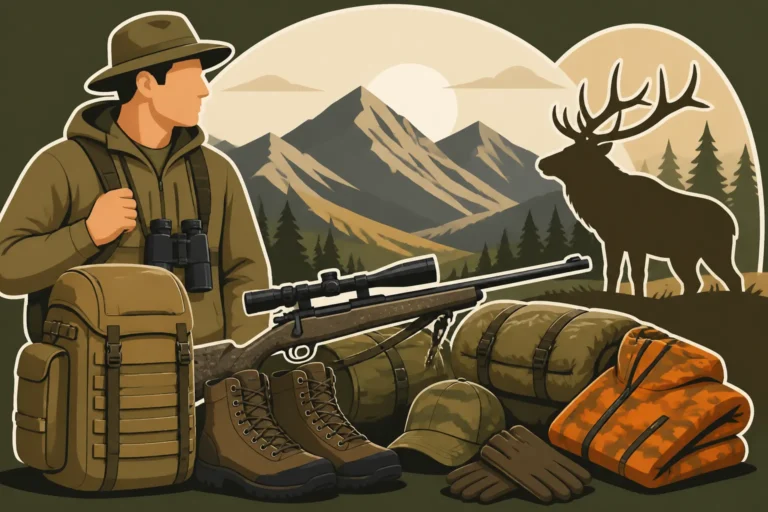
- Equipment and Gear List: Ask for a detailed gear list. What should you bring? What do they provide? This includes everything from sleeping bags and tents (for drop camps) to optics, communication devices, and first-aid supplies. What kind of weapon do they recommend for the specific terrain and game you'll be pursuing around Dillon? Montana Backcountry Hunting Gear List is a great resource, but always confirm with your outfitter for their specific recommendations.
- Safety and Emergency Procedures: This is non-negotiable. Discuss their safety protocols. What kind of communication devices do they carry (satellite phone, inReach)? What is their plan in case of an injury or a medical emergency in the backcountry? Are guides first-aid certified? This conversation should give you peace of mind.
- Hunting Regulations and Ethics: Ensure the outfitter operates strictly within Montana's hunting regulations. They should be knowledgeable about local hunt codes, antler restrictions, and ethical hunting practices. You want to be sure your guide respects the game and the land.
Preparing for Your Dillon Guided Hunt
Booking an outfitter is a huge step, but the journey isn't over. Your preparation leading up to the hunt can significantly impact your experience and success. A guided hunt is still your hunt, and you want to be ready.
Physical and Mental Conditioning
Montana hunting, especially for elk or mule deer in the mountains around Dillon, is physically demanding. You’ll be hiking rugged terrain, often at elevation, carrying a pack, and potentially packing out heavy game. Don't underestimate it.
- Fitness Regimen: Start a tailored fitness plan months in advance. Focus on cardiovascular endurance (hiking, running, stair climbing) and strength training, particularly for your legs, back, and core. Incorporate weighted pack hikes to simulate what you'll be doing in the field. Even if you're doing a more comfortable ranch hunt, being physically fit will enhance your enjoyment and ability to capitalize on opportunities. Remember, altitude can affect even fit individuals, so arrive a day or two early if possible to acclimatize. How to Physically Prepare for a Montana Elk Hunt can provide an excellent framework.
- Mental Toughness: Beyond the physical, prepare mentally. Hunting can be a grind. You might face bad weather, long days without seeing game, or challenging physical pushes. Develop a positive mindset, understand that patience is paramount, and be ready to adapt. The experience itself, the camaraderie with your guide, and the immersion in the Montana wilderness are all parts of the reward, even if you don't fill your tag.
Gear Preparation and Familiarity
Your gear is your lifeline in the field. Ensure everything is dialed in long before you leave home.
- Clothing System: Montana weather is famously unpredictable. You can experience all four seasons in a single day, especially in the mountains. Layering is key. Invest in good quality, moisture-wicking base layers, insulating mid-layers, and a waterproof/windproof outer shell. Avoid cotton. Good quality hiking boots, thoroughly broken in, are non-negotiable.
- Weapon Proficiency: Whatever weapon you choose—rifle, bow, or muzzleloader—practice extensively. Know its capabilities and your limitations. For rifle hunters, practice shooting from various field positions, not just off a bench. Practice shooting quickly and accurately under pressure. Understand bullet drop and windage, as shots in Montana can often be longer than what you might be used to. If you're bowhunting, practice at odd angles and after strenuous exercise to simulate real hunting scenarios. How to Sight In for a Montana Elk Hunt is an important read.
- Optics: Good optics are indispensable for hunting in Montana's big country. Bring quality binoculars and a spotting scope. Learn how to use them effectively for glassing large landscapes. A rangefinder is also essential for accurate shot placement. Best Optics for Montana Big Game will help you choose wisely.
- Pack Your Pack: For day hunts, have a well-organized daypack with essentials: water, snacks, first-aid, headlamp, knife, fire starter, and rain gear. For backcountry hunts, your main pack should be chosen carefully for comfort and capacity, especially for packing out meat.
Being well-prepared physically, mentally, and with the right gear ensures you’re not just ready for the hunt, but also ready to truly enjoy the challenge and beauty of hunting with an outfitter in Dillon, Montana.
Disclaimer
This article is for general informational purposes only and does not constitute professional advice. Laws, prices and regulations vary by location and change over time. Consult a qualified professional for guidance on your specific situation.