What Affects Montana Guided Hunt Cost
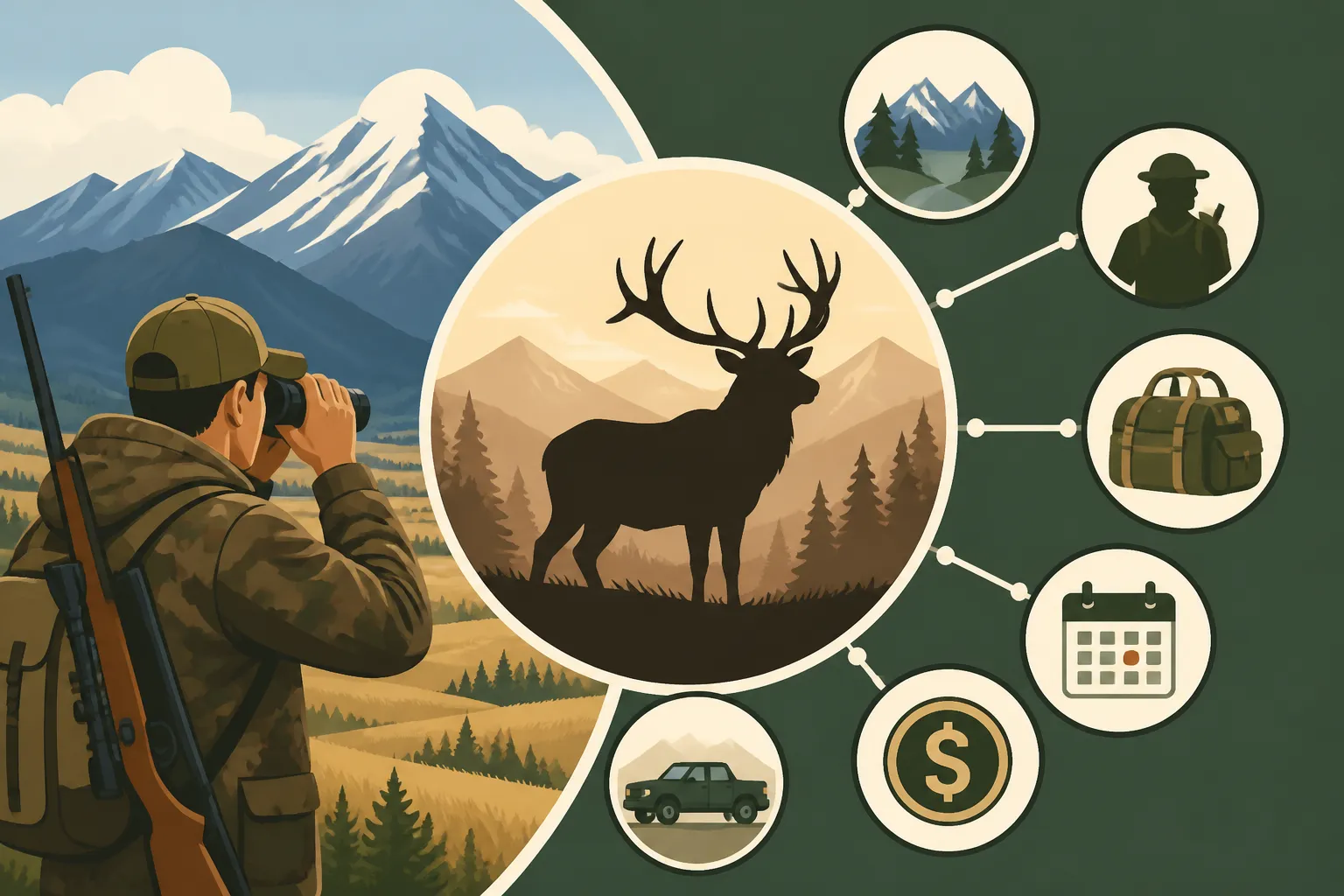
One of the most common questions I hear from folks dreaming of a Montana hunting adventure, especially those coming from out of state, is "What's this going to cost me?" It's a completely fair question, and frankly, it's often frustratingly hard to pin down a solid number because there are so many moving parts. You're not just paying for a guide; you're investing in an experience, and understanding the variables is key to planning your budget effectively and avoiding sticker shock. This guide will break down the primary factors that influence the cost of a guided hunt here in Big Sky Country, helping you set realistic expectations.
Species and Trophy Potential
Let's be real, the type of animal you're chasing and your aspirations for its size are huge drivers of a guided hunt's price tag. Not all hunts are created equal, and some critters simply demand a higher investment.
The Prestige of Elk Hunting
When you talk about guided hunts in Montana, elk often top the list, and for good reason. These majestic animals are challenging to hunt, often requiring significant physical effort and specialized knowledge of their vast, rugged habitats. Because of the demand and the inherent difficulty, guided elk hunts are typically among the most expensive options. Whether it's the thrill of a bugling bull during the rut or the quiet intensity of stalking through dark timber, the experience is unparalleled, but it comes at a cost reflective of the effort, equipment, and expertise involved. A good outfitter for elk will have intimate knowledge of areas like the Bob Marshall Wilderness Hunting Guide or specific national forests.
Chasing a truly trophy-class bull elk adds another layer to the price. Outfitters who consistently produce Boone and Crockett caliber animals often operate in exclusive areas, have years of specialized knowledge, or employ tactics that increase the odds of encountering such a beast. This isn't just about luck; it's about meticulous scouting, understanding migration patterns, and often, more rigorous physical demands on both hunter and guide. If your goal is a specific size of antler, be prepared for that to be a significant factor in the overall cost. You might find some excellent insights into specific hunts by checking out Montana Elk Hunting Guide.
Deer and Antelope Hunts
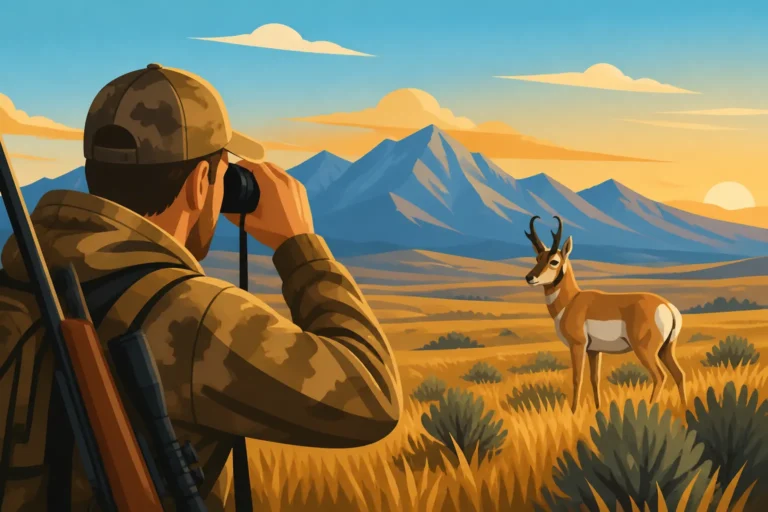
While still fantastic hunting experiences, guided deer (both mule deer and whitetail) and antelope hunts generally sit at a lower price point than elk. This isn't to say they're easy or less exciting; they just often involve different logistics and habitat. Mule deer, for instance, can be found across varied terrain, from the breaks to the high country. Whitetail often stick to river bottoms and agricultural lands, sometimes making access a bit more straightforward, especially if an outfitter has private land leases. Antelope hunts, particularly on the expansive plains of Eastern Montana, are typically less physically demanding than mountain elk hunts and can often be shorter in duration.
For those looking for a first Western hunting experience or something a bit less strenuous on the wallet, a guided deer or antelope hunt can be an excellent choice. The pursuit of a giant mule deer buck, however, especially in specific trophy units or remote areas like the Missouri Breaks, can still command a premium price. The same goes for large antelope bucks, though the overall cost will likely remain below that of a top-tier guided elk hunt. A great resource for these types of hunts is Montana Mule Deer Hunting Guide or Montana Antelope Hunting Guide.
Hunt Type and Duration
The structure and length of your guided hunt are massive components of its total cost. This isn't just about how many days you're in the field, but how those days are spent and the level of service you receive.
Fully Guided vs. Semi-Guided vs. Drop Camp
This is perhaps one of the biggest differentiators in pricing. A fully guided hunt means your guide is with you every step of the way, from tracking and calling to field dressing and packing out. This is the ultimate "concierge" hunting experience, and it comes with the highest price tag. You're paying for constant expert assistance, navigation, and decision-making.
A semi-guided hunt might offer a base camp, meals, and advice, with the outfitter helping you scout areas, but you and your hunting partners are largely responsible for executing the hunt in the field. They might drop you off in a specific area and pick you up later. This offers a middle-ground cost and a bit more independence.
A drop camp hunt is often the most budget-friendly guided option, primarily because the outfitter is providing logistical support rather than active guiding. They pack you and your gear into a remote backcountry camp, set it up for you, and then leave you to hunt independently. They return on a pre-arranged date to pack you and your harvest out. This is perfect for experienced hunters who want to access remote areas without owning horses and specialized packing equipment. Check out Montana Drop Camp Hunts Explained for more details on this option.
Duration of the Hunt
It's simple math: more days in the field almost always equals a higher cost. A standard guided hunt typically runs 5-7 hunting days, often with travel days on either end. An extended hunt, say 10 days, will naturally incur higher costs for guide wages, food, lodging, and logistical support. Many outfitters offer shorter, 3-day hunts for species like antelope, which can be a more economical entry point into guided hunting. However, keep in mind that fewer days can sometimes mean less opportunity, especially for challenging animals like elk. It's a balance between cost and potential success. If you're looking into longer excursions, Montana Backcountry Hunting Guide might be a useful read.
Access and Logistics
How you get into your hunting area also plays a significant role in pricing. Hunts that require horses or mules to pack into remote wilderness areas will be more expensive due than those accessible by vehicle or foot from a lodge. The cost of maintaining a string of horses, feeding them, and the specialized skills of wranglers adds up. A fly-in hunt to a remote airstrip deep in the backcountry takes this a step further, incurring aircraft rental fees. These methods allow access to areas with less hunting pressure and potentially larger animals, but the increased logistical complexity and specialized transport drives up the price. Consider How to Pack Into the Montana Backcountry when weighing these options.
Outfitter Reputation and Services
Just like any service industry, outfitters come in all shapes and sizes, offering a range of amenities, expertise, and success rates. These differences are directly reflected in the price.
Inclusions and Exclusions
It's crucial to understand what exactly is included in an outfitter's price. Is it an "all-inclusive" package covering everything from lodging and meals to field transportation and guide services? Or is it a more bare-bones offering where you're responsible for your own food, sleeping arrangements, or even some transportation? Some outfitters might provide certain gear, while others expect you to bring everything.
A higher price often signifies a more comprehensive package: comfortable lodging (think warm beds, hot showers, and hearty meals), experienced guides, top-notch equipment, and professional handling of your game in the field. A lower price might mean a more rustic camp, simpler meals, or fewer amenities. Always get a detailed list of inclusions and exclusions in writing before booking. For a deeper dive into what you might expect, see What's Included in a Montana Guided Hunt.
Guide-to-Hunter Ratio
The number of hunters per guide is another key factor. A 1:1 guide-to-hunter ratio (one guide per hunter) offers the most personalized experience and is typically the most expensive. This allows the guide to focus solely on your needs, preferences, and physical abilities, often leading to a more tailored and potentially more successful hunt. A 2:1 ratio (one guide for two hunters) is also common and still provides a good level of attention, often at a slightly lower price point. When you start seeing higher ratios, like 3:1 or even 4:1, the cost per hunter usually decreases, but the individualized attention may be less.
Outfitter Experience and Success Rates
An outfitter with a long-standing, proven track record of successful hunts and satisfied clients can command a higher price, and often, it's worth it. Their experience means they've likely navigated all kinds of weather, animal behavior, and challenging situations. They've built relationships with landowners, know the terrain intimately, and have refined their methods over years. This expertise is invaluable.
While no ethical outfitter can guarantee a kill, a high success rate (measured by opportunities, not just harvests) indicates competence and dedication. When researching outfitters, platforms like BookYourHunt can be useful for comparing services and reading reviews, helping you gauge reputation. Similarly, checking references and reading testimonials can provide insight into the experience quality, which indirectly justifies higher costs. Don't be afraid to ask about their average success rates or how many hunters typically tag out. How to Vet a Montana Hunting Outfitter offers great tips on this.
Additional Costs to Consider
Beyond the base price of the guided hunt, there are several other expenses that can significantly add to your overall investment. Ignoring these can lead to unexpected budget strains.
Licenses and Tags
This is often the first significant "extra" cost, especially for non-resident hunters. Montana has a draw system for many big game species, and obtaining a non-resident combination license (often including conservation license, fishing license, base hunting license, and elk/deer tags) can be a substantial upfront investment. The fees for these licenses and applying for specific permits are separate from the outfitter's fee. You'll want to thoroughly research Montana Nonresident License Draw Explained and Montana Hunting License Costs well in advance of planning your trip.
It's important to remember that applying for tags, especially highly coveted permits, can involve non-refundable application fees and the cost of preference or bonus points, even if you don't draw a tag. Many hunters use resources like GoHunt to analyze draw odds and strategize their applications, which is a critical part of the pre-hunt budgeting process.
Travel Expenses
Getting to Montana is a cost in itself. Factor in airfare (if flying), car rental, fuel, and lodging for travel days before and after your hunt. Many guided hunts operate out of remote areas, so you might need to fly into a major airport like Bozeman or Missoula and then drive several hours to reach the outfitter's base camp. If you're driving your own vehicle, consider the wear and tear, gas, and potentially specialized tires or chains for mountain roads. Think about where your chosen outfitter is located—is it near a major city, or will you need to travel deep into the wilderness? How Far Montana Districts Are from Bozeman or similar regional guides can help with travel planning.
Gear and Equipment
Even if an outfitter provides some gear, you'll still need your own personal hunting equipment. This includes appropriate layered clothing for varying Montana weather conditions, sturdy hiking boots (critically important for mountain hunts), a quality backpack, optics (binoculars, spotting scope), and your rifle or bow. While you might already own some of these items, filling gaps or upgrading can add hundreds, if not thousands, of dollars to your budget. Remember, reliable gear is an investment in your comfort and safety, especially on a challenging hunt like a Montana Backcountry Hunting Guide experience.
Meat Processing and Shipping
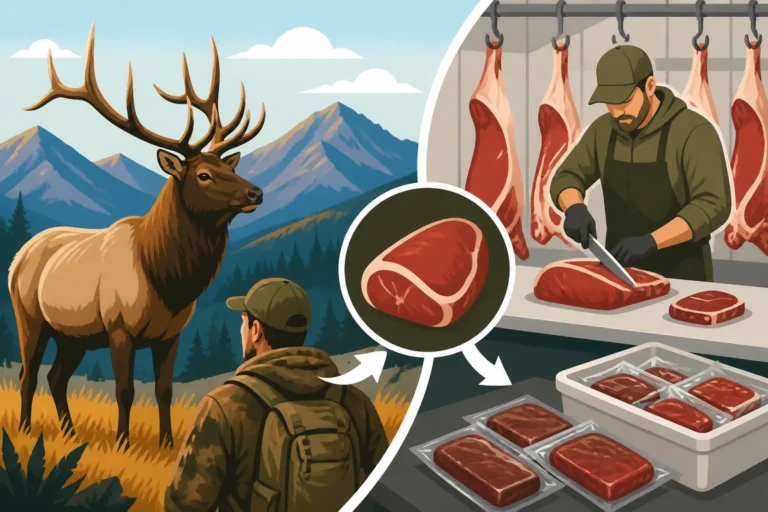
Once you've harvested an animal, the work isn't over. You'll need to pay for meat processing, which can range from a basic cut-and-wrap to specialized cuts, sausage, or jerky. If you're a non-resident, you'll also need to consider the cost and logistics of shipping your meat home. This often involves specialized coolers or freezer boxes and expedited shipping services. These costs can add up quickly, so get estimates from processors beforehand. For insights on handling your harvest, read How to Pack Out an Elk in Montana and How to Keep Elk Meat Cool in Montana's Early Season.
Taxidermy
If you're fortunate enough to harvest a trophy animal and want to preserve it, taxidermy is another significant expense. Costs vary widely depending on the type of mount (shoulder, pedestal, full-body), the size of the animal, and the taxidermist's reputation. Factor in crating and shipping costs for the finished mount back to your home, which can be substantial.
Gratuities for Guides and Staff
It is customary to tip your guide and other camp staff (cooks, wranglers) for their hard work and dedication. This is a significant portion of your overall hunt cost and should absolutely be factored into your budget. General guidelines for tipping a guide are typically a percentage of the hunt cost, but it can vary based on the quality of service, effort, and whether you harvested an animal. Always budget for this, as these folks work incredibly hard to make your hunt a success.
Here's a quick overview of how these factors typically influence cost:
| Cost Factor | Lower Cost Impact | Higher Cost Impact |
|---|---|---|
| Species | Antelope, Whitetail Deer | Elk, Moose, Bighorn Sheep, Mountain Goat |
| Trophy Potential | Meat hunt, general harvest | Specific trophy class animal, exclusive units |
| Hunt Type | Drop camp, semi-guided | Fully guided, 1:1 guide ratio |
| Duration | Shorter hunts (3-5 days) | Longer hunts (7+ days) |
| Access | Vehicle access, front-country | Horseback pack-in, fly-in, remote wilderness |
| Outfitter Amenities | Basic camp, simple meals | Lodge, gourmet meals, private cabins, amenities |
| Inclusions | Guide only, some field dressing | All-inclusive (food, lodging, game care, transportation) |
| Outfitter Reputation | Newer outfitter, fewer reviews | Established, high success rate, glowing testimonials |
| Non-Resident Tags/Fees | Point fees, limited draws, general tags | Combination licenses, multiple species |
| Additional Services | DIY meat care, no taxidermy | Professional meat processing, trophy taxidermy |
The Value Proposition of a Guided Hunt
While the costs can seem daunting, a guided hunt offers immense value, especially for non-residents or those new to hunting in Montana's challenging terrain. You're paying for an outfitter's years of experience, their extensive knowledge of the land and animal behavior, access to private lands or remote areas, and the physical labor involved in a successful hunt.
A guided hunt minimizes the steep learning curve of DIY public land hunting in Montana, which can be incredibly tough to navigate on your own. It increases your odds of success, maximizes your limited hunting time, and significantly reduces the logistical headaches. For many, it's about making a lifelong dream hunt a reality with the best possible chance of success and a truly memorable experience. Whether you're chasing Montana Elk Hunting: Backcountry Tactics or just starting out with Montana Elk Hunting for Beginners, an outfitter can be an invaluable asset.
Ultimately, the cost of a guided hunt in Montana is an investment. By understanding these key factors, you can better align your expectations with your budget and find the perfect Montana hunting adventure that's right for you.
Disclaimer
This article is for general informational purposes only and does not constitute professional advice. Laws, prices and regulations vary by location and change over time. Consult a qualified professional for guidance on your specific situation.