Montana Outfitters for Horseback Elk Hunts
The dream of chasing elk through Montana's vast, untamed wilderness is a powerful one, but the sheer scale and ruggedness of the landscape can feel overwhelming. Many hunters face the daunting challenge of reaching truly remote areas where bull elk thrive, often finding their physical limits or the limitations of their gear. This guide is here to walk you through everything you need to know about finding and booking a Montana outfitter specializing in horseback elk hunts, helping you unlock those coveted, hard-to-reach hunting grounds.
Why Choose a Horseback Elk Hunt in Montana?
There's something inherently romantic and deeply practical about a horseback elk hunt in Montana. It harkens back to the traditional ways of the mountains, but it also offers unparalleled advantages in today's crowded hunting landscape. You're not just getting to hunt; you're embarking on an authentic adventure that most hunters only dream about.
Accessing Remote Wilderness
Montana's public lands are legendary, encompassing millions of acres of national forests, wilderness areas, and Bureau of Land Management (BLM) ground. While incredible, much of this terrain is incredibly difficult to access on foot, especially when you consider packing out an elk. This is where horses and mules become your invaluable partners. They can carry you and your gear miles deep into country that vehicle traffic can't touch and that many foot hunters choose to avoid due to the sheer physical demands. Imagine setting up camp in a basin so remote that the only sounds are the wind through the pines and the occasional bugle of a bull elk – that's the kind of experience horses unlock. Montana Wilderness Area Hunting is a whole different ballgame when you have a string of dependable pack animals.
The reduction in hunter pressure in these remote zones is a huge draw. While front-country areas often see heavy traffic, particularly during the general rifle season, pushing deeper into the backcountry with horses can put you in areas where elk are less educated and more likely to follow natural patterns. You might spend days without seeing another soul, truly immersing yourself in the hunt. This remoteness often translates to higher-quality hunting opportunities for mature animals that have learned to avoid easy-access spots.
The Traditional Experience and Logistics
Beyond access, a horseback hunt offers a connection to the heritage of Western hunting that's hard to replicate. The clip-clop of hooves on a mountain trail, the smell of pine and horse sweat, the camaraderie around a campfire miles from civilization – these are the indelible memories that define such a trip. It's an experience that tests your grit and rewards you with stunning views and an unparalleled sense of accomplishment.
From a purely logistical standpoint, horses are game-changers. Carrying a full camp, food for days, and then the quarters of a harvested elk on your back is an extreme physical feat. With a string of pack mules, your outfitter can haul in comfortable wall tents, a wood stove, plenty of food, and all the creature comforts that make a remote camp feel like home. And when you do connect with an elk, the ability of horses to pack out hundreds of pounds of meat is not just a convenience; it's often the only practical way to retrieve your animal from steep, rugged terrain. This makes the daunting task of How to Quarter an Elk in the Montana Backcountry and getting it to the trailhead much more manageable.
What to Look for in a Montana Horseback Outfitter
Choosing the right outfitter for your horseback elk hunt in Montana is paramount to a safe, successful, and enjoyable experience. You're not just hiring someone to take you hunting; you're entrusting them with your safety, your investment, and your dream. Do your homework!
Experience with Stock and Terrain
First and foremost, you need an outfitter with extensive experience specifically in horseback hunting in Montana. This isn't just about finding elk; it's about navigating treacherous mountain trails, understanding horse behavior, and knowing how to handle animals in all types of weather and terrain. Ask about their string of horses and mules: Are they well-trained? Do they have a good temperament for mountain work? How do they handle various loads, including a heavy elk quarter? A seasoned outfitter will have a stable of reliable, mountain-savvy animals.
Their knowledge of the specific hunting districts and the nuances of elk behavior within those areas, particularly how elk react to human and horse pressure, is also critical. They should be intimately familiar with the region's topography, water sources, and common elk migration routes. An outfitter who can tell you about specific drainage systems, timber stands, or historic wallows will inspire far more confidence than one who is vague. The ability to find a good guide for Montana Backcountry Hunting Guide often hinges on their specific local knowledge.
Camp Style and Support
Horseback hunts allow for various camp setups, each offering a different level of comfort and remoteness. Understanding these options will help you choose the experience that's right for you:
- Base Camps: These are typically more established, often accessible by a combination of vehicle and a shorter horse ride. They usually feature large wall tents, cots, a cook, and more amenities. From here, you'll ride out each day to hunt.
- Spike Camps: These are more mobile, lighter camps set up deeper in the backcountry, often accessible only by horse. Guides and hunters might stay in smaller tents, with fewer amenities, for several days before returning to a base camp or moving to another spike camp. They offer excellent flexibility and allow you to pursue elk further from the main camp.
- Drop Camps: With a drop camp, the outfitter uses horses to pack in your gear and supplies to a predetermined backcountry location, then leaves you to hunt on your own. They'll return at a specified time to pack you and any game out. This is a popular option for experienced DIY hunters who want the horse support without the guided service. Montana Drop Camp Hunts Explained offers a great blend of independence and logistical support.
Consider what level of comfort you desire and how deep you want to get into the wilderness. Discuss these options thoroughly with potential outfitters.
Communication and Reputation
The quality of an outfitter's communication before, during, and after the hunt is a massive indicator of their professionalism. Do they respond promptly to your inquiries? Are they transparent about costs, what's included, and what's expected of you? A good outfitter will provide clear answers and set realistic expectations for the hunt, including potential challenges and physical demands.
Don't hesitate to ask for references from past clients, especially those who have done horseback hunts. Talking to someone who has experienced their service firsthand can provide invaluable insight. Websites like BookYourHunt and GoHunt are excellent resources for finding reputable outfitters and reading reviews. These platforms often provide a curated list of licensed outfitters, helping you vet their services and ensure they meet Montana's regulations. Checking their Montana Outfitter Licensing Explained status is also a smart move to ensure they are operating legally.
Planning Your Horseback Elk Hunt
A horseback elk hunt requires significant planning, perhaps more so than a front-country hunt. You're entering a remote environment where you'll be relying on animals and your outfitter for success and safety.
Understanding Seasonality and Tags
Montana offers various elk seasons, including archery and general rifle seasons, each with its own advantages for a horseback hunt. Archery season, often in September, coincides with the elk rut, meaning more calling opportunities and potentially more active elk behavior. Rifle season, typically running from late October through November, can bring colder weather and snow, which can concentrate elk but also makes for more challenging travel.
Regardless of the season, securing the necessary tags is the first hurdle. Nonresident elk tags in Montana are primarily obtained through a lottery draw system, with many hunters building preference points for years to increase their odds. Your outfitter can often advise you on the best hunt codes or districts for their specific areas of operation, though they cannot guarantee you a tag. Make sure you understand the draw application deadlines and how Montana Elk Season Dates Guide might influence your booking timeline. Some outfitters also offer "sponsored tags" where they have a limited number of tags tied to their services, often for an additional fee – this can be a valuable option for non-residents struggling to draw.
Physical Preparation and Riding Experience
Don't underestimate the physical demands of a horseback elk hunt. While the horses do much of the heavy lifting, you'll still be spending many hours in the saddle, often traversing steep, uneven terrain. You'll also likely be doing some walking and climbing once you're off the horse, particularly during the final stalk or when recovering an animal. It's not a passive experience.
Being in good physical condition is crucial for your enjoyment and success. This means having the stamina for long days in the saddle, the strength for occasional hiking with a pack, and the mental fortitude to endure challenging weather. Consider a fitness plan that includes cardio, strength training, and balance exercises. If you're not an experienced rider, take some lessons before your trip. Getting comfortable on a horse, even just for short periods, will make a world of difference. You'll thank yourself for taking the time to How to Physically Prepare for a Montana Elk Hunt.
Essential Gear for Horseback Hunts
While your outfitter will handle most of the camp gear and food, you're responsible for your personal hunting equipment and clothing. The unique nature of a horseback hunt means specific considerations:
- Layered Clothing: Montana weather can change in an instant, from warm sunshine to snowstorms. Dress in layers that you can easily add or remove. Think technical fabrics that wick moisture.
- Durable Rain Gear: Absolutely essential. You'll be exposed to the elements for extended periods.
- Comfortable Riding Boots: Not just hiking boots, but boots suitable for riding, with a heel to prevent your foot from slipping through the stirrup.
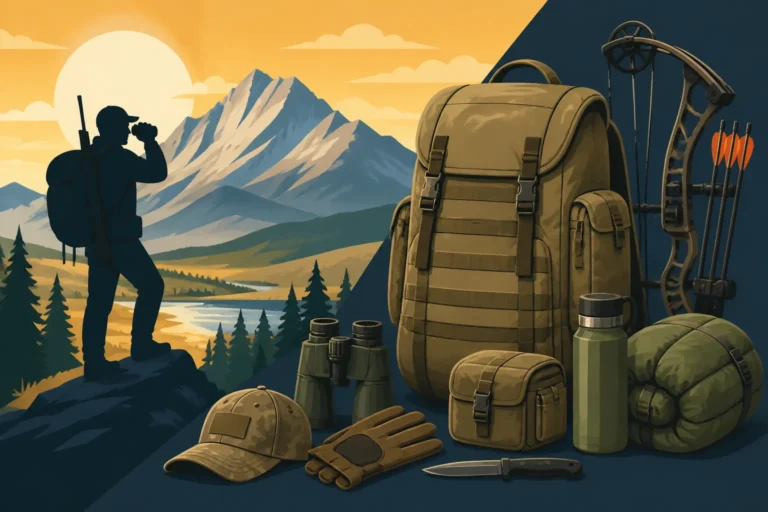
- Quality Optics: Binoculars and a spotting scope are critical for glassing vast landscapes from horseback or strategic viewpoints.
- Reliable Rifle or Bow: Ensure your weapon is sighted in and you're proficient with it. Consider a scabbard for your rifle that protects it from the elements.
- Backpack: Even on a horseback hunt, you'll need a day pack for essentials like water, snacks, extra layers, first aid, and game bags for initial quartering. Montana Backcountry Hunting Gear List is a great resource.
Always defer to your outfitter's specific packing list, as they know the conditions in their area best.
Questions to Ask Before Booking Your Horseback Hunt
Once you've narrowed down your choices, having a comprehensive list of questions for your potential outfitter is crucial. This is your investment, and you deserve clear answers.
Logistics and Safety
These questions directly impact your experience and well-being:
- What kind of horses and mules do you use? Are they primarily gaited, stock horses, or a mix? How are they trained for mountain travel and packing?
- What is the client-to-guide ratio? For safety and a quality hunting experience, a low ratio (e.g., 2:1) is generally preferred.
- What is your safety protocol for riding and in camp? This includes emergency communication plans, first-aid capabilities, and how they handle adverse weather.
- How do you handle game retrieval? Will horses be used to pack out the entire animal, or are there specific limitations? Understanding How to Pack Out an Elk in Montana with their specific setup is vital.
- What are the average riding distances per day? This helps you gauge the physical demand and how much time you'll spend hunting versus traveling.
- What are the specific dates of the hunt? Confirm arrival, departure, and actual hunting days.
- Are there any weight limits for riders or gear? Be honest about your weight for both your safety and the well-being of the animals.
Success Rates and Expectations
It's natural to want to know your chances of success, but it's important to approach this realistically. An ethical outfitter will provide honest answers, not guarantees.
- What have your success rates been for similar horseback elk hunts in this area over the past few years? Ask for both opportunity rates (seeing legal animals) and harvest rates (successfully taking an animal).
- What factors typically contribute to success or challenge on your hunts? Weather, elk movement, hunter fitness, and shooting proficiency are common variables.
- What size of elk should I realistically expect? Is this a trophy hunt, or more of a meat hunt? Set your expectations accordingly.
- What is a "typical" day on this hunt? Understanding the routine will help you prepare mentally and physically. This is part of What to Expect on a Guided Montana Elk Hunt.
- What happens if I harvest an elk early? Will you be able to continue hunting for other species (if licensed and in season) or will you pack out?
- What is your cancellation policy? Understand their terms regarding deposits and refunds in case unforeseen circumstances arise.
By thoroughly researching, asking tough questions, and preparing yourself, you'll be well on your way to booking an unforgettable Montana horseback elk hunt that will create memories to last a lifetime. How to Choose a Montana Hunting Outfitter is a huge step toward making that dream a reality.
Disclaimer
This article is for general informational purposes only and does not constitute professional advice. Laws, prices and regulations vary by location and change over time. Consult a qualified professional for guidance on your specific situation.