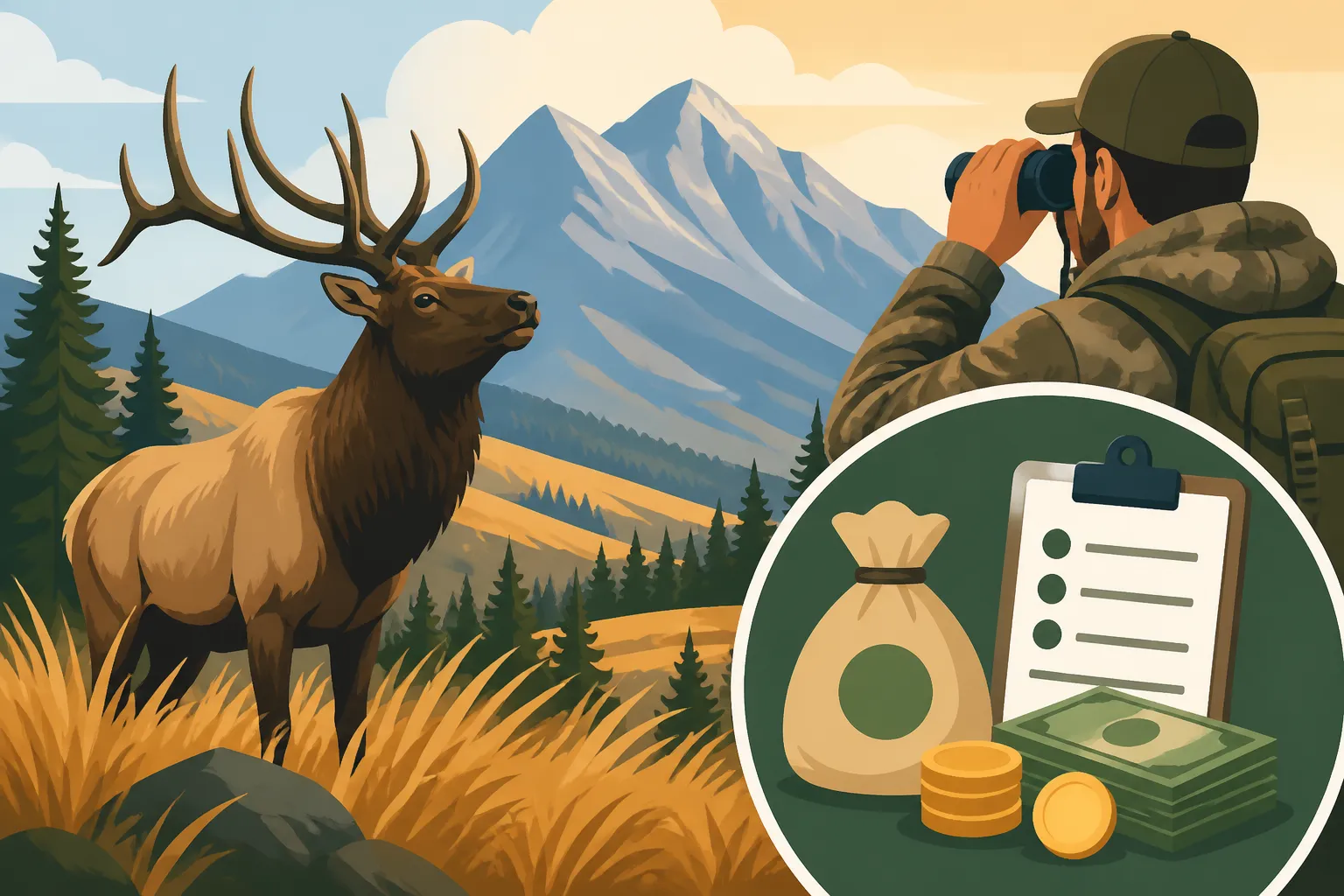
How Much to Budget for a Montana Guided Elk Hunt
Thinking about a guided elk hunt in Montana often conjures up incredible images of majestic bulls in breathtaking landscapes. But for many, the very next thought is usually a knot in the stomach: "How much is this actually going to cost me?" It's a completely valid concern, as a guided trip to Big Sky Country can be a significant investment, and the financial unknowns can feel daunting. This guide is here to break down the various expenses involved in a guided Montana elk hunt, helping you understand where your money goes and how to budget effectively for this incredible adventure.
Understanding the Core Costs of a Guided Elk Hunt
When you start looking into guided elk hunts in Montana, it quickly becomes clear that there's a wide spectrum of options, each with its own price tag. It's not just one lump sum; it's a combination of the outfitter's services, state fees, and your own personal travel and gear needs. Understanding these foundational costs is the first step toward building a realistic budget.
The Outfitter's Base Fee – What's Included (and What's Not)
The outfitter's fee is usually the largest single component of your guided hunt budget. This fee covers the professional services provided by the outfitter and their guides, as well as the infrastructure to support your hunt. However, what exactly falls under this "base fee" can vary wildly from one outfitter to another, and this is where careful research becomes absolutely critical.
For instance, a "fully guided" hunt typically means that your outfitter will provide nearly everything once you arrive at their camp or designated meeting point. This often includes comfortable lodging (which could range from a cozy cabin to a wall tent in a backcountry spike camp), hearty meals prepared by a camp cook, transportation within the hunting area, and dedicated guide services (often a 1-on-1 or 2-on-1 guide-to-hunter ratio). They'll handle the field dressing and often the initial packing out of your animal. On the other end of the spectrum, you might find "semi-guided" options, where the outfitter provides a camp, some meals, and general advice on where to hunt, but you're largely responsible for your own daily hunting strategy and field work. Then there are "drop camp" services, where an outfitter packs you and your gear into a remote area, sets up a basic camp, and then leaves you to hunt independently, returning to pick you up on a predetermined date. These options all have different price points reflecting the level of service. You'll want to dig into the fine print or ask direct questions to understand precisely what's included. Using platforms like BookYourHunt can be a great way to compare these different offerings side-by-side and see what various outfitters typically provide in their packages. Understanding What's Included in a Montana Guided Hunt is key here.
License and Tag Fees – The Non-Negotiable Essentials
Before you even step foot in the field with a guide, you'll need to secure the necessary licenses and tags from the state of Montana. For nonresidents, this process involves applying through a draw system, and the costs associated with these applications and licenses are significant and non-negotiable.
The primary requirement for most nonresident elk hunters is the Nonresident Big Game Combination License (often called the "Elk/Deer Combo"). This comprehensive license typically includes a conservation license, an elk tag, a deer tag (either-sex or antlerless, depending on the year and district), an upland game bird license, and a fishing license. You'll also need to factor in the Aquatic Invasive Species (AIS) Prevention Pass. Beyond the direct cost of these licenses, there are application fees and the cost of preference points. Montana uses a preference point system for the combination licenses, meaning you can purchase a point each year to increase your odds in future draws. These points add up, and while they improve your chances, they represent an additional, annual investment on top of the license itself. It's vital to research the current application deadlines and costs well in advance of the hunting season. Resources like GoHunt can provide invaluable insights into draw odds and help you strategically plan your applications, especially when considering Montana Preference Points vs Bonus Points. Don't underestimate these costs; they can easily add a substantial amount to your overall budget.
Travel and Logistics – Getting to Big Sky Country
Montana is a big state, and getting there, getting around, and getting your harvest home all contribute to the final cost. These logistical expenses are often overlooked but can quickly add up.
If you're flying, consider the cost of round-trip airfare to a major hub like Bozeman, Missoula, or Billings. From there, you might need to rent a vehicle, especially if your outfitter doesn't pick up directly from the airport or if you plan to do some sightseeing before or after your hunt. Rental car prices can fluctuate based on demand and vehicle type (you might want a 4×4 if you're exploring on your own). If you're driving, factor in fuel costs, which can be considerable given the distances involved. Think about potential overnight stays in hotels before and after your hunt if your travel schedule requires it. Then there's the critical question of your harvest. If you're fortunate enough to tag an elk, you'll need a plan to get the meat and/or antlers home. This could involve paying for professional meat processing and then shipping the frozen meat via a specialty carrier, or checking antlers as oversized baggage on your flight (which can incur significant fees). Knowing How to Pack Out an Elk in Montana is one thing; getting it home is another. These travel and logistical elements require careful planning and budgeting.
Beyond the Basics: Hidden and Ancillary Expenses
Even after you've accounted for the outfitter's fee and state licenses, there are several other categories of expenses that hunters often forget to factor into their budget. These "hidden" costs can sometimes catch you off guard, so it's wise to consider them upfront.
Essential Gear and Equipment – Don't Skimp Where It Counts
Montana's weather and terrain are famously unpredictable and unforgiving. Having the right gear isn't just about comfort; it's about safety and success. While you might already own some hunting essentials, a Montana elk hunt often demands specialized equipment that can be a significant investment.
Think about quality layering systems for clothing – breathable base layers, insulating mid-layers, and a waterproof/windproof outer shell are non-negotiable. Good quality, broken-in hunting boots that provide ankle support and are waterproof are paramount, especially if you're on a Montana Backcountry Hunting Guide. Optics, such as binoculars and a spotting scope, are crucial for glassing vast landscapes, and a reliable rangefinder is a must. Your weapon system, whether it's a rifle or archery setup, needs to be dialed in and potentially upgraded for the demands of western hunting, including reliable ammunition or broadheads. Don't forget a durable backpack capable of carrying essentials for a day in the field, and potentially a heavy load of meat. While it's tempting to cut corners here, skimping on critical gear can lead to discomfort, equipment failure, or even safety issues in the rugged Montana environment. It's often better to invest in durable, high-performance gear that will last for many hunts.
Tipping Your Guide and Camp Staff – A Standard Practice
Tipping is a customary and expected part of a guided hunting experience, and it's essential to budget for it. Your guide and the camp staff work incredibly hard, often for long hours in challenging conditions, to provide you with a memorable and successful hunt.
A general rule of thumb for tipping your guide is around 10-20% of the hunt's base cost, depending on your satisfaction with their effort, professionalism, and the overall experience. Even if you don't harvest an animal, a guide's hard work in scouting, calling, and putting you in position deserves recognition. For camp staff, such as cooks, wranglers, or camp jacks, a separate gratuity is also appropriate. This might be a fixed amount per day or a smaller percentage of the total trip cost. Discussing this with your outfitter beforehand can help clarify their expectations and ensure you're prepared. It's a small way to show appreciation for the dedication and effort that goes into making your hunt successful and enjoyable.
Meat Processing and Taxidermy – Preserving Your Harvest
Successfully harvesting an elk is an incredible achievement, but it also means you've got some important decisions and expenses related to preserving your animal.
Unless your outfitter offers full processing services (which is rare), you'll likely need to utilize a local meat processor. These services include cutting, wrapping, and often freezing your meat. The cost will depend on the size of the animal and the specific cuts you request. If you plan to ship the meat home, the processor can often help arrange for specialty frozen shipping, but this adds another layer of cost. For hunters who bag a trophy bull, taxidermy is often a desired outcome. High-quality taxidermy can be a significant expense, ranging from shoulder mounts to full life-size mounts, and typically requires a deposit upfront. Remember, the cost of taxidermy doesn't include the cost of shipping the finished mount back to your home, which can also be substantial. Factor these costs in, or decide ahead of time if you'll be solely a "meat hunter" or are pursuing a trophy.
Strategies for Budgeting and Cost Management
Navigating the financial landscape of a Montana guided elk hunt requires a proactive approach. With some strategic planning and smart decision-making, you can make this dream hunt a reality without breaking the bank.
Researching Outfitters and Packages – Value vs. Price
Not all guided hunts are created equal, and comparing options goes far beyond just looking at the sticker price. The "value" of a hunt is determined by what you get for your money, including the guide's experience, the quality of the hunting grounds, the type of accommodations, and the services provided.
When researching, don't be afraid to reach out to multiple outfitters. Ask detailed questions about what's included and what's extra. Inquire about their typical guide-to-hunter ratios, the physical demands of their hunts, and their success rates (and what "success" means to them – opportunities, or actual harvest). Look for transparent pricing. Reading reviews and asking for references from past clients can also provide invaluable insights into the outfitter's reputation and service quality. Sometimes, a slightly higher upfront cost might mean a significantly better experience or higher odds of success. Websites like BookYourHunt allow you to easily compare different outfits, their offerings, and read testimonials, helping you find an option that aligns with both your budget and your expectations for How to Choose a Montana Hunting Outfitter.
DIY vs. Guided – Understanding the Trade-offs
One of the biggest decisions an aspiring Montana elk hunter faces is whether to go the do-it-yourself (DIY) route or book a guided hunt. Both have their merits and their distinct financial implications.
A DIY hunt can appear much cheaper on the surface, as you're cutting out the outfitter's fee. However, a successful DIY hunt, especially for elk in challenging Montana public lands, requires a significant investment of time, research, and often prior experience. You'll need to handle all the e-scouting, physical scouting, camp setup, navigation, calling, field dressing, and packing out yourself. The learning curve can be steep, and the odds of success are often lower for first-timers without local knowledge. A guided hunt, while more expensive upfront, provides expertise, access (especially on private lands or through permit allocations), and logistical support that can dramatically increase your chances of success and reduce the stress of planning. It can be particularly valuable for nonresidents unfamiliar with the terrain, regulations, and elk behavior. The trade-off is often about whether you value saving money and learning through experience versus investing in a higher probability of success and a more comfortable experience. Consider Guided vs DIY Elk Hunting in Montana carefully.
Financial Planning and Saving – Making the Dream a Reality
Once you have a clear picture of the potential costs, the next step is robust financial planning. A Montana guided elk hunt is typically not a spur-of-the-moment expense, so advanced saving is usually required.
Start by creating a detailed budget spreadsheet that itemizes every single potential cost we've discussed. This includes the outfitter's fee, licenses, travel, gear, tips, and meat processing. Don't forget a buffer for unexpected expenses – things always come up! Set a realistic timeline for saving the necessary funds. If the cost is substantial, consider whether breaking it down into monthly savings goals makes it more achievable. Some hunters opt to save for a couple of years to afford their dream trip. Another strategy is to share the cost with a hunting partner or group, which can reduce the per-person expense for guide fees, lodging, and travel. While it might sound basic, consistent saving and a well-thought-out financial plan are the bedrock of turning a dream hunt into a tangible experience.
Real-World Scenarios and Examples
To give you a better grasp of the financial variations, let's explore a few typical scenarios for guided Montana elk hunts. Keep in mind, these are illustrative and actual costs will vary.
The "Entry-Level" Guided Hunt
Imagine you're primarily a meat hunter, or perhaps a first-time elk hunter looking for an introduction to western hunting without breaking the bank. You might opt for a semi-guided or drop camp hunt.
In this scenario, you'd likely be responsible for much of your own hunting effort and possibly even some of your own camp chores. The outfitter might provide a basic camp, food staples, and a general area to hunt within their permitted lands, but you'd spend your days independently, perhaps meeting up with a guide at the start and end of the day for advice. This type of hunt generally occurs in areas with good elk populations but might lack the extensive amenities or one-on-one attention of a fully guided trip. The focus is on getting into elk country and having the opportunity, rather than maximizing comfort or trophy potential. It's a fantastic way to experience Montana elk hunting with some professional support, at a more accessible price point than a fully guided excursion. It's also a great way to learn Montana DIY Elk Hunting Guide principles while having a safety net.
The "Mid-Range" Guided Experience
This is where many nonresident hunters land, seeking a balance of comfort, service, and a reasonable chance at success. A mid-range guided hunt typically involves a fully guided 1-on-1 or 2-on-1 experience.
Here, you'd expect a dedicated guide to accompany you daily, assisting with scouting, locating elk, calling, and field care. Accommodations would likely be comfortable, perhaps a lodge or well-appointed wall tents with amenities like hot showers and prepared meals. These hunts often take place on a mix of public and private lands accessible to the outfitter, offering varied terrain and good elk numbers. The outfitter usually handles transportation from the lodge to the hunting areas. You're investing in a professional experience where much of the logistics are handled, allowing you to focus primarily on the hunt itself. Success rates tend to be higher with this level of service due to the guide's expertise and intimate knowledge of the area and the animals. This category often represents the sweet spot for many who are looking for a comprehensive experience without the top-tier price tag. Many outfitters specialize in Montana Guided Archery Elk Hunts or rifle hunts in this range.
The "Premium" Trophy Hunt
For those whose primary goal is to pursue a truly exceptional bull and are willing to invest accordingly, a premium trophy hunt offers the highest level of service and access.
These hunts often take place on large private ranches known for producing trophy-class animals, or in remote wilderness areas requiring extensive pack-in operations. The guide-to-hunter ratio is almost always 1-on-1, and guides are typically seasoned professionals with a deep understanding of mature bull behavior. Accommodations might be luxurious lodges with gourmet meals or elaborate backcountry camps featuring experienced wranglers and top-notch gear. These hunts are meticulously planned, often involving extensive pre-scouting by the outfitter. The higher cost reflects the exclusivity of the hunting grounds, the specialized knowledge of the guides, the enhanced logistical support, and the higher potential for encountering a trophy-caliber animal. Hunters booking a premium experience are paying for a focused, high-opportunity hunt designed to maximize the chances of a truly once-in-a-lifetime harvest. This is where you might find outfitters specializing in Montana Trophy Elk Districts.
Here's a simplified breakdown of typical cost categories to help you visualize your budget:
| Cost Category | Description | Considerations |
|---|---|---|
| Outfitter Fee | Base price for guided services, lodging, food, in-field transportation. | Fully guided, semi-guided, drop camp; guide-to-hunter ratio; duration of hunt; public vs. private land access. |
| Licenses & Tags | Montana Nonresident Big Game Combo, Conservation License, AIS Pass, Preference Points, application fees. | Annual draw costs; point accumulation strategy; check current state fees. |
| Travel | Airfare/fuel, vehicle rental, pre/post-hunt lodging, transportation to/from outfitter's meeting point. | Distance traveled; vehicle choice; booking in advance; meat/antler shipping costs. |
| Gear & Equipment | Specialized hunting clothing, boots, optics, weapon, backpack, camping gear (if DIY/drop camp). | Quality vs. cost; new purchases vs. existing gear; renting specialized items. |
| Gratuities (Tips) | Tips for your guide, camp cook, wranglers, and other staff. | 10-20% of outfitter fee for guide is common; separate tips for support staff. |
| Meat & Taxidermy | Professional processing, packaging, freezing, shipping of meat; taxidermy services and shipping. | Desire for trophy vs. meat only; local vs. home processing; size of animal; taxidermy choice. |
| Miscellaneous/Buffer | Unexpected expenses, souvenirs, extra supplies, emergency funds. | Always budget 10-15% extra for the unforeseen. |
Disclaimer
This article is for general informational purposes only and does not constitute professional advice. Laws, prices and regulations vary by location and change over time. Consult a qualified professional for guidance on your specific situation.