Tipping a Montana Hunting Guide
Figuring out the proper etiquette for tipping a Montana hunting guide can feel like navigating a dense patch of dark timber – confusing, a little intimidating, and often whispered about rather than openly discussed. Many hunters, especially those new to guided experiences or to Montana itself, grapple with the "how much" and "when" of showing appreciation for the immense effort and expertise guides pour into their trips. This comprehensive guide aims to shed light on the unspoken rules of tipping, helping you confidently acknowledge the hard work that goes into a successful (or even an unsuccessful but memorable) Montana hunt.
The Unspoken Rule: Why Tipping Guides is Customary
The world of guided hunting operates on a foundation of hard work, specialized knowledge, and often, a deep passion for the outdoors and the pursuit of game. When you book a trip with a Montana outfitter, you're not just paying for access; you're investing in an experience curated by professionals. Understanding the role tips play in this ecosystem is crucial for any ethical hunter.
Understanding the Guide's Role and Income
Let's be real: guiding is not a get-rich-quick scheme. Montana hunting guides often work grueling hours, from pre-dawn starts scouting and setting up camp to late-night field dressing and gear prep. Their seasons can be short, intense bursts of activity, followed by long off-seasons where income might be scarce. Many guides are passionate individuals who choose this lifestyle because they love the mountains, the challenge, and sharing the hunt with others, not because of a hefty salary.
Tips, therefore, aren't just a bonus; they are a significant and expected portion of a guide's total income. It's how many of them make ends meet, pay for their own gear, and continue to develop the skills that benefit hunters like us. When you don't tip, or tip inadequately, it can directly impact their livelihood and send a message that their hard work wasn't valued, even if that wasn't your intention.
Going Above and Beyond: What a Good Guide Provides
A truly great Montana hunting guide offers far more than just leading you to an animal. They are stewards of the land, experts in local wildlife behavior, and often, incredible camp hosts. Think about the myriad tasks they perform: navigating challenging terrain, identifying faint tracks, calling elk, assessing animal health and age, ensuring your safety in rugged wilderness, cooking delicious meals, maintaining camp, packing heavy loads, and even offering emotional support when the hunt gets tough. This is especially true for trips into wild places like those covered in our Montana Backcountry Hunting Guide or the deep timber where you might be How to Find Elk in Montana Dark Timber.
They share their intimate knowledge of the area, often accumulated over decades, from understanding subtle thermals in a canyon to knowing where an old bull might bed down. They become your mentor, your confidant, and sometimes, your friend. This intangible value—the memories, the lessons learned, the sheer enjoyment of the experience—is what elevates a guided hunt from a simple transaction to a rich, rewarding adventure. That's the 'above and beyond' that makes a tip not just customary, but deserved.
What's the Standard: Tipping Percentages and Practices
So, how much is enough? This is where many hunters get hung up, and rightfully so, because there isn't one universal answer carved in stone. However, there are well-established norms within the hunting industry that can guide your decision.
General Guidelines and Industry Norms
Across the guided hunting industry, a typical tip for a guide ranges from 10% to 20% of the total hunt cost. This isn't a hard and fast rule, but it provides a solid starting point for your calculations. For instance, if you booked a 7-day guided elk hunt, you'd consider this percentage based on the price of that particular trip. Some outfitters, especially those offering premium experiences or hunts for highly sought-after species, might see tips leaning towards the higher end of that scale, or even a bit above, if the service and experience were truly exceptional.
It's also worth noting that some outfitters, though less common, might have a suggested minimum or provide specific guidance. However, the final amount is always at your discretion. For a deeper understanding of what goes into these trips, you might find our Montana Guided Elk Hunt Cost article helpful, as understanding the overall expense can put the tip into perspective.
Factors Influencing Your Tip Amount
Deciding where you fall within that 10-20% range (or even outside it) depends on several key factors. It’s not just about whether you harvested an animal, but the quality of the entire experience.
Success vs. Effort: This is perhaps the most important distinction. In hunting, success is never guaranteed. A good guide can't control the weather, the movement of animals, or your shooting ability. Therefore, your tip should primarily reflect the guide's effort, professionalism, attitude, and commitment to your experience, not solely whether you pulled the trigger on a trophy. Did they work tirelessly? Were they knowledgeable and patient? Did they make the camp experience enjoyable? If the guide put in 110% effort, but the elk simply weren't moving, a generous tip is still absolutely warranted. Conversely, if a guide was lackadaisical but you got lucky and tagged out anyway, their lack of effort should still be considered.
Quality of Experience and Guide's Attitude: Beyond the hunt itself, how was the overall trip? Was the guide personable, enthusiastic, and attentive to your needs? Did they go the extra mile to make your time enjoyable, whether it was through engaging conversation, anticipating your comfort, or sharing fascinating insights about the local area? A guide who creates a positive, memorable atmosphere, regardless of hunting success, deserves recognition. Their attitude can truly make or break a hunt, turning a tough day into a fun memory.
Difficulty of the Hunt and Extra Services: Consider the nature of your hunt. Was it a physically demanding backcountry pack-in trip where the guide also served as a wrangler and camp cook? Were they carrying a significant amount of your gear up steep slopes, as discussed in our How to Pack Out an Elk in Montana guide? Did they spend extra time tracking a wounded animal or navigating particularly challenging terrain? Guides who tackle more arduous tasks or who contribute significantly to camp chores (like cooking or maintaining facilities) often merit a higher tip to acknowledge their multifaceted contributions.
| Hunt Type (Example) | Typical Hunt Price (Hypothetical Range) | Recommended Tip Range (Percentage of Hunt Price) | Key Considerations |
|---|---|---|---|
| 7-Day Guided Elk Hunt | Substantial | 15% – 20% | High effort, long days, physical demands, camp services often included. |
| 3-5 Day Guided Mule Deer Hunt | Moderate to Substantial | 10% – 18% | Varies by terrain (mountains vs. plains), guide effort, camp quality. |
| 3-Day Guided Antelope Hunt | Moderate | 10% – 15% | Typically less physically demanding, but requires expert glassing. |
| Day Hunt (No lodging) | Lower | 15% – 25% (or a flat daily rate) | Higher percentage often reflects intense single-day effort. |
Note: The "Typical Hunt Price" ranges are generalized to illustrate the proportion for tipping, as specific pricing can vary widely by outfitter and year. Always verify current costs directly with providers.
Beyond the Cash: Other Ways to Show Appreciation
While cash is undoubtedly the preferred method of tipping for most guides, there are other thoughtful ways to express your gratitude that can leave a lasting positive impression. These gestures often complement a monetary tip, rather than replace it, adding a personal touch to your appreciation.
Thoughtful Gestures and Gifts
Sometimes, a little extra something can go a long way. Consider bringing a small, practical gift that a guide might genuinely appreciate in their line of work. A high-quality hunting knife, a good headlamp, a pair of durable gloves, or even a nice bottle of local Montana whiskey or coffee can be wonderful additions. These aren't meant to offset a monetary tip, but rather to show a deeper level of appreciation for the personal connection you forged. If you know your guide enjoys a particular brand of gear, or has been eyeing a certain piece of equipment, a small gift can be incredibly meaningful.
Even simpler, but equally impactful, is sharing your own camp treats or offering to pitch in on camp duties. A sincere, heartfelt letter detailing your positive experience and specifically mentioning aspects of the guide's service you appreciated can also be treasured. These gestures demonstrate that you saw them not just as a service provider, but as an individual who made your adventure special.
The Power of Referrals and Reviews
In the digital age, a positive online review can be just as valuable as a few extra dollars in a guide's pocket. Outfitters and guides rely heavily on word-of-mouth and positive testimonials to attract future clients. Taking the time to write a detailed, glowing review on platforms where you might have found the outfitter, such as BookYourHunt or GoHunt, is an immense help. These platforms serve as vital resources for hunters seeking reputable outfitters, and your honest feedback directly impacts their business.
Share your experience on social media, tag the outfitter, and tell your friends and family about the incredible time you had. A direct referral to a future client is gold for any guide. This kind of advocacy not only helps the outfitter secure more business but also builds the guide's personal reputation within the hunting community. It’s a way to pay it forward, ensuring other hunters can experience the same quality service you received, and supporting the guide's continued career.
Navigating the Awkwardness: When and How to Tip
The act of tipping can feel inherently awkward, especially in a one-on-one scenario after spending several intense days together. However, a little preparation and thoughtfulness can make the process smooth and respectful for everyone involved.
Timing and Presentation
The best time to present your tip is typically at the very end of your hunt, just before you depart from camp or say your final goodbyes to your guide. This allows you to acknowledge their full effort throughout the entire trip. It's often best to do this privately, away from other hunters or camp staff, to make it a personal exchange between you and your guide.
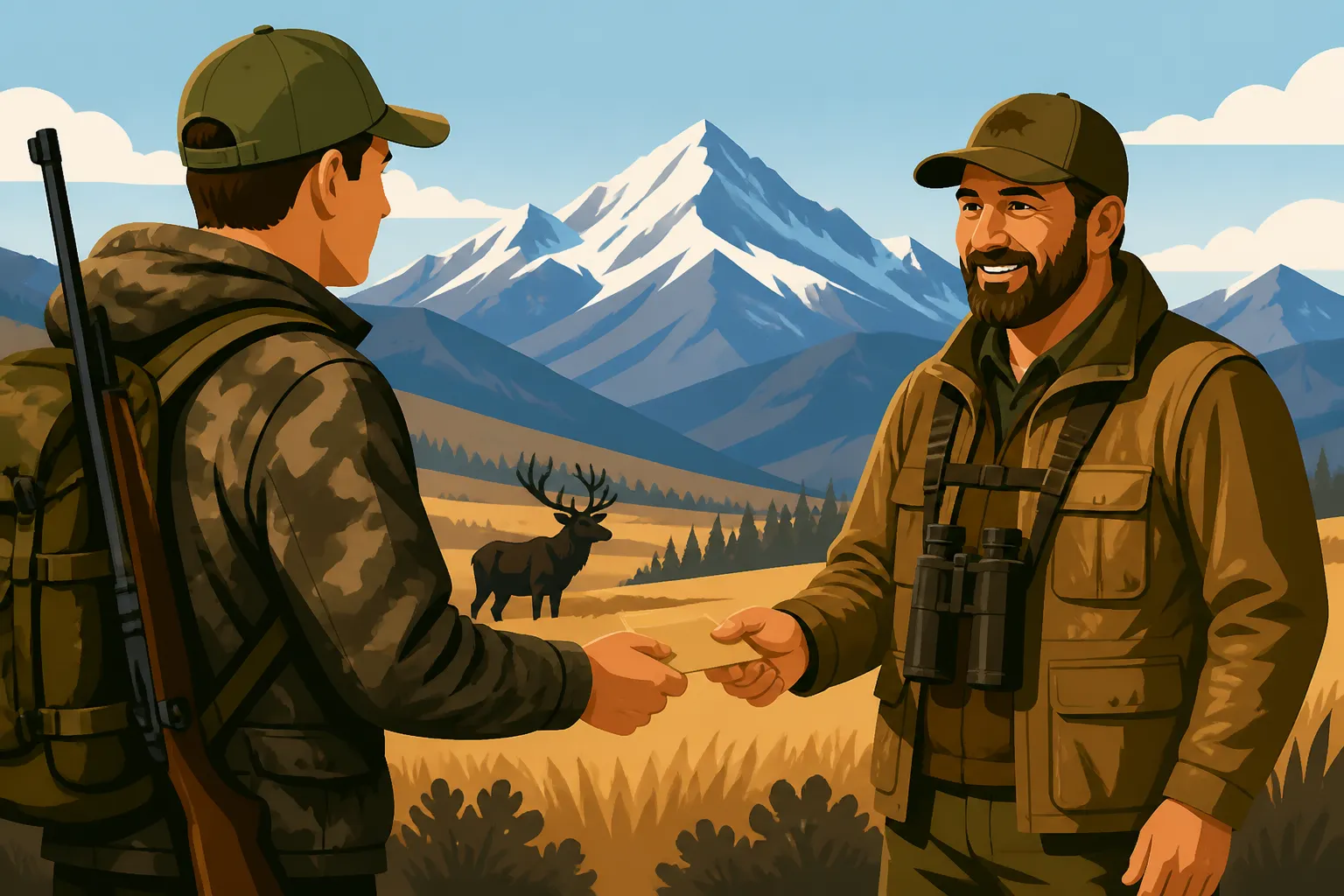
Cash is almost universally preferred. It offers immediate liquidity and privacy for the guide. A common practice is to place the cash discreetly in a plain envelope and hand it to your guide with a sincere thank you and a firm handshake. You can say something as simple as, "Thank you for an incredible hunt, I really appreciate all your hard work and expertise," as you hand them the envelope. If you're a non-resident hunter exploring options like the Montana Nonresident Combination License Guide, remember that planning for this cash tip should be part of your overall trip budget.
While cash is king, in some cases, other methods might be acceptable. If you genuinely don't have enough cash on hand, you might discreetly ask the outfitter if a personal check made out to the guide, or even a digital payment through an app like Venmo, is an option. However, always confirm this beforehand; don't just assume. The key is to be discreet, respectful, and prepared.
Tipping When Multiple Guides Are Involved
On many Montana hunts, especially longer or more complex ones, you might interact with several individuals who contribute to your experience: a lead guide, assistant guides, camp cooks, wranglers, or even packers. This can complicate the tipping process, but a little clarification goes a long way.
Firstly, if possible, ask the outfitter at the beginning or middle of your trip how tips are typically handled when multiple staff are involved. Some outfitters prefer that you give a lump sum to the head guide, who will then distribute it among the staff. Others may suggest you tip each individual directly, based on their specific contributions to your hunt. It's perfectly acceptable to ask, "How do tips usually work here with the team?"
If you're tipping individuals directly, try to have separate envelopes ready. Your primary hunting guide, who spent the most direct time with you in the field, will typically receive the largest portion. However, don't forget the unsung heroes like the camp cook who kept you fed and warm, or the wrangler who took excellent care of the horses that carried you deep into the Montana Backcountry Hunting Areas. Their contributions, though perhaps less direct in the actual pursuit of game, are absolutely vital to the overall success and enjoyment of your trip. Consider their hours, their skill, and their impact on your comfort and safety.
What If the Hunt Wasn't Great?
This is perhaps the toughest part of the tipping conversation, and it's where the nuance of "effort over success" really comes into play. It's natural to feel less inclined to tip generously if you didn't tag an animal, but it’s crucial to separate factors outside a guide's control from their actual performance.
Separating Effort from Success
Let's face it: this is hunting, not shopping. There are no guarantees. You can't simply pick an elk off a shelf. Montana's vast wilderness, unpredictable weather, and the inherent nature of wild animals mean that even the best guides sometimes come up empty-handed. A guide cannot control a sudden blizzard, a herd that vanished overnight, or an uncooperative bull. They also can't control your shot placement or your ability to handle pressure.
If your guide worked tirelessly, scouted hard, maintained a positive attitude, made every effort to put you on game, and ensured your safety and comfort, they still deserve a tip for their effort, even if you didn't punch your tag. Think about it: did they get you within range? Did they call in an animal, even if you didn't get a clean shot? Did they share valuable knowledge and keep your spirits high? If the answer is yes, then their effort and professionalism should be recognized. Their passion and commitment are what you are truly tipping for, not just a rack of antlers. For example, if they successfully demonstrated How to Call Elk in Montana and got an animal talking, even if it didn't commit, that's still expert guiding.
When a Reduced Tip (or No Tip) is Justified
While tipping for effort is the general rule, there are rare occasions when a reduced tip, or even no tip, might be warranted. This should be reserved for serious issues and not simply for a lack of harvesting an animal.
If your guide displayed a clear lack of effort, seemed disengaged, was consistently late, or showed poor judgment that compromised your safety, then a reduced tip is certainly defensible. Examples might include a guide who rarely scouted, spent excessive time on their phone, drank excessively, or seemed actively uninterested in your success or well-being. Safety is paramount in Montana's rugged terrain, and any guide who neglects safety protocols, as outlined in our Montana Backcountry Hunting Safety Tips, is failing a core responsibility.
In extremely rare and severe cases of outright unprofessionalism, misconduct, or negligence that endangered you, withholding a tip might be appropriate. However, this is an extreme measure and should be communicated clearly and calmly to the outfitter's management, rather than simply disappearing without a word. Most reputable Montana outfitters are committed to providing excellent service and will want to know if one of their guides is not meeting standards. This situation should be approached with careful consideration and honest reflection on the guide's actual performance and behavior, not just the outcome of the hunt.
Practical Scenarios and Examples
Let's walk through a few hypothetical scenarios to solidify these tipping guidelines in the context of different Montana hunting experiences.
Tipping on a Montana Elk Hunt
Imagine you've just wrapped up a 7-day guided archery elk hunt in the mountains near Bozeman. Your guide, let's call him Mark, was up before you every day, tracking fresh sign, calling tirelessly, and moving you through steep, challenging terrain. He packed fantastic lunches, kept the camp fire going, and even helped you refine your archery form in the evenings. You had multiple close encounters with bulls, but either the shot opportunity didn't materialize, or you buckled under pressure and missed. You didn't tag an elk.
Despite not harvesting, Mark's effort was undeniable. He gave it his all, made you feel safe and comfortable, and created an unforgettable experience. In this scenario, even without a successful harvest, a tip towards the higher end of the 15-20% range would be entirely appropriate, reflecting his exceptional effort and the quality of the experience. Perhaps you also leave a glowing review on BookYourHunt, detailing Mark's dedication. If you're planning such a trip, you can learn more about what to expect in a Montana Archery Elk Hunting Guide.
Tipping for a Mule Deer or Antelope Hunt
Consider a 3-day guided mule deer hunt on the rolling plains of Eastern Montana, or an antelope hunt in the famous 900 units. Your guide, Sarah, spent countless hours behind the glass, meticulously gridding pastures, and locating several quality bucks or speed goats. She expertly stalked you within shooting range multiple times, providing clear instructions and managing the wind perfectly. You finally connected with a beautiful mule deer buck on the last evening.
Sarah's expertise in How to Glass for Montana Mule Deer and How to Spot-and-Stalk Montana Antelope was evident, and her patience and skill directly led to your success. In this case, a tip in the 15-20% range is well-deserved for her direct impact on your harvest and the overall positive experience. If it was a truly phenomenal hunt where everything clicked, you might even consider going slightly above that range to show your profound gratitude.
The Role of the Outfitter in Tipping
Outfitters act as the liaison between you and the guides, and sometimes, they play a role in the tipping conversation. While the final decision on your tip amount is always yours, a reputable outfitter will often provide clear guidelines or expectations regarding tipping. This information might be included in your booking contract, on their website, or discussed during your initial conversations.
Occasionally, an outfitter might collect the tips themselves and then distribute them among their staff. This can be beneficial if there are many individuals contributing to the camp experience (cooks, wranglers, assistant guides) and you want to ensure everyone gets their fair share without having to individually tip each person. However, if you prefer to tip your primary guide directly, ensure this is clarified with the outfitter beforehand. Utilizing resources like GoHunt or other outfitter review sites before booking can also give you an idea of an outfitter’s reputation and how they manage their operations, including staff compensation. Ultimately, the outfitter's transparency can make the tipping process much smoother for you as the hunter.
Disclaimer
This article is for general informational purposes only and does not constitute professional advice. Laws, prices and regulations vary by location and change over time. Consult a qualified professional for guidance on your specific situation.