Montana Hunting District 622 Overview
Navigating Montana's vast hunting landscape can feel like trying to find a specific needle in a haystack, especially when you're zeroing in on a particular hunting district. The sheer scale, the varied terrain, and the specific regulations for each area can be overwhelming, leaving many hunters scratching their heads about where to even begin. This comprehensive guide is designed to cut through that confusion, offering a detailed look into Montana Hunting District 622, ensuring you understand its unique characteristics, game opportunities, and critical access considerations to plan your hunt effectively.
Understanding Montana Hunting District 622
Hunting District 622 isn't your typical high-mountain elk country that often comes to mind when you think of Montana. Instead, it offers a distinct, rugged, and incredibly rewarding hunting experience in the heart of eastern Montana's wild plains and breaks. This district is a prime example of Big Sky Country’s diverse ecosystems, challenging hunters with its unique topography and requiring different strategies than those employed in the state's western mountain ranges.
Geographic Boundaries and Key Features
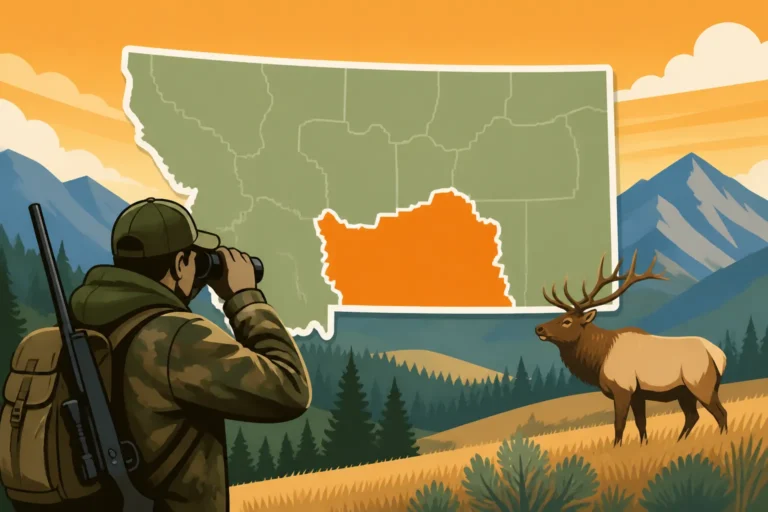
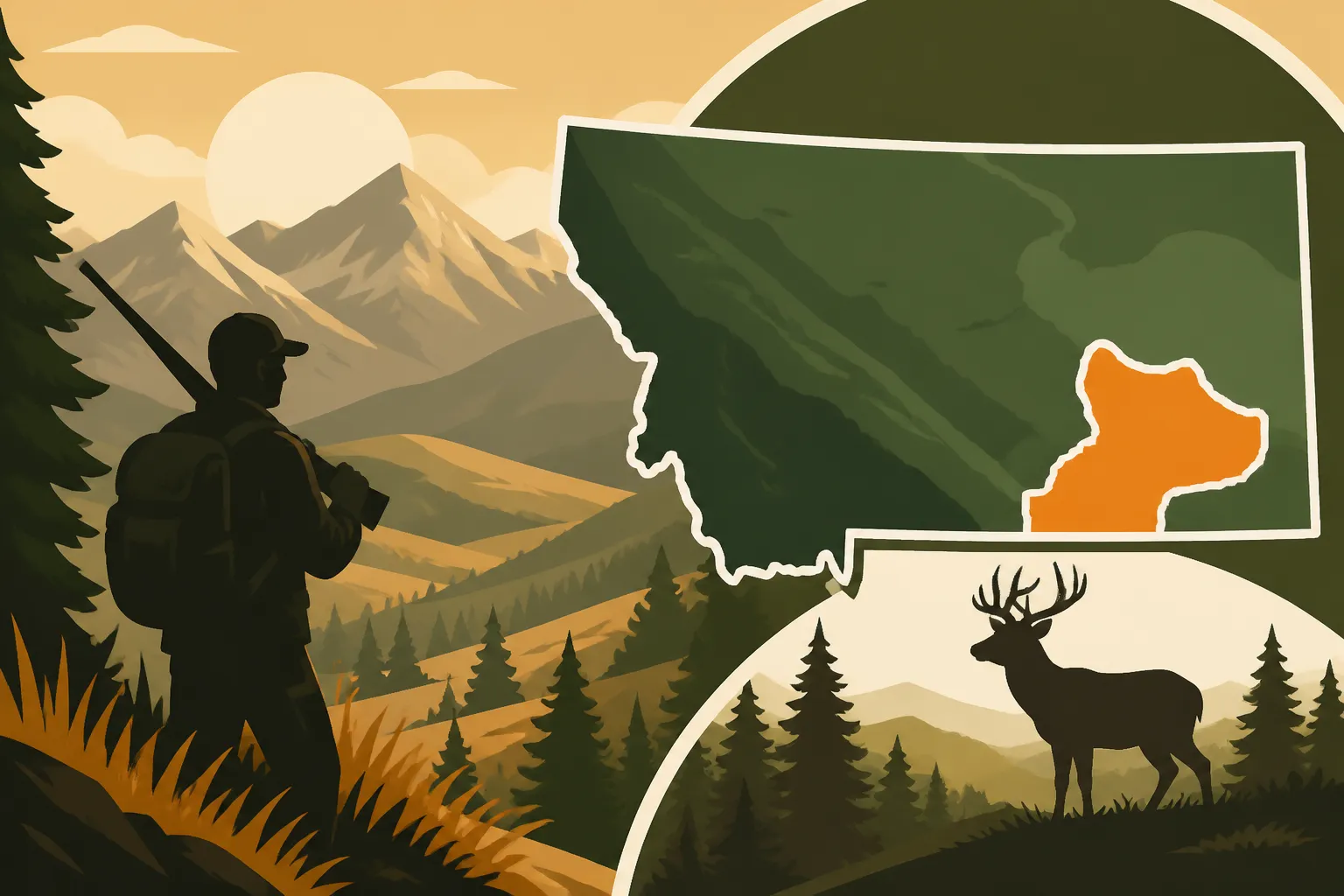
Hunting District 622 is nestled within Region 6, a sprawling area of eastern Montana often characterized by its vast, open spaces and dramatic breaks country. Specifically, HD 622 is located primarily north of the mighty Missouri River and extends west of the expansive Fort Peck Reservoir. This placement puts it in close proximity to towns like Glasgow and Malta, which serve as crucial hubs for supplies and services for hunters venturing into this wild expanse. The district itself encompasses a fascinating blend of landscapes, from rolling prairie grasslands that stretch to the horizon to intricately carved badlands and deep coulees that provide critical cover and habitat for wildlife.
A significant portion of this district either borders or includes segments of the Charles M. Russell National Wildlife Refuge (CMR), a massive federally managed area. While the CMR itself has specific hunting regulations, its influence on the surrounding HD 622 is undeniable, acting as a crucial sanctuary and dispersal area for many game species. Knowing the boundaries of the CMR and understanding its impact on game movement is vital when planning a hunt in 622. The district also features numerous smaller, seasonal streams and dry creek beds, which, when they hold water, become magnetic sources for wildlife in an otherwise arid environment. These geographical nuances are more than just pretty scenery; they dictate where animals live, move, and seek refuge, making them central to any successful hunting strategy.
General Landscape and Vegetation
The overall landscape of HD 622 is a testament to the power of ancient rivers and winds, dominated by prairie and badlands formations. You'll primarily encounter expansive grasslands, interspersed with sagebrush flats and patches of greasewood. These open environments are the domain of speedsters like the antelope and offer vital forage for deer. As you move closer to the Missouri River or into the more broken, eroded areas, the landscape transforms. Here, you'll find the characteristic "breaks" – steep, dissected hillsides and deep coulees often studded with scattered stands of Ponderosa pine, juniper, and various brush species. These pockets of timber and dense shrubbery provide invaluable thermal cover, bedding areas, and escape routes for mule deer and whitetails.
Along the Missouri River and its larger tributaries, riparian zones emerge, offering a stark contrast to the surrounding aridity. These areas boast deciduous trees like cottonwoods, willows, and various thorny thickets, creating dense, linear strips of cover. This lush vegetation provides critical habitat for whitetail deer, turkeys, and a multitude of other wildlife, especially during the colder months or periods of high heat. Understanding these transitions in vegetation is key to deciphering animal movement. For instance, mule deer might spend their days bedded in the breaks, emerging into the sage flats to feed, while whitetails will rarely stray far from the river bottom cover. The subtle variations in vegetation types dictate the specific microhabitats that game animals prefer, making them crucial clues for any hunter.
Hunting Opportunities and Species in HD 622
Hunting District 622 presents a unique array of opportunities, distinct from the popular elk-centric hunts further west. While elk are certainly present, this district truly shines for its deer and antelope populations, offering a classic eastern Montana hunting experience. Success here often hinges on understanding the dominant species, their habits, and the specific tag requirements that govern access to them.
Primary Big Game Species
When considering a hunt in District 622, your primary focus will likely be on two species: mule deer and pronghorn antelope. The rolling prairies and sagebrush flats are classic antelope country, and you'll often see herds dotting the landscape. These animals thrive in the open, using their incredible eyesight and speed as their main defenses. A hunt for antelope in Montana's Plains is an exhilarating experience, often involving extensive glassing and careful stalk approaches across seemingly flat terrain.
Mule deer are also abundant, particularly in the broken topography of the badlands, the draws, and along the coulees. These deer are masters of using the contours of the land for cover, seemingly disappearing into shallow depressions. They often blend seamlessly with the Ponderosa pine and juniper, making them challenging targets. You'll find them navigating the steep hillsides and seeking refuge in the deep cuts of the Missouri Breaks. On the other hand, whitetail deer tend to stick to the denser cover of the riparian areas along the Missouri River and its tributaries, often found in the thickets and cottonwood groves. They're masters of concealment, and hunting them typically involves still-hunting or stand hunting along known travel corridors in their dense habitat. While less common, elk do inhabit parts of Region 6, particularly in more timbered or rugged areas that may spill into the western edges of HD 622. They are not the primary target species here, but an opportunistic hunter might encounter them. Black bears are also present in very low densities, generally confined to areas with denser cover, making them a rare but possible harvest. For those interested in upland birds, sharp-tailed grouse are quite common in the grasslands.
Tag Requirements and Draw Odds
Successfully hunting in HD 622, like any Montana district, requires a clear understanding of the tag system. For non-residents, the process often starts with applying for a Montana Nonresident License Draw Explained or a Montana Combination License Draw Odds.
For Mule Deer, HD 622 is typically a general deer unit, meaning if you draw a general deer license, you can hunt mule deer here. However, it’s crucial to verify this each year with the Montana FWP regulations, as specific antlered or antlerless restrictions can apply. For non-residents, drawing the general deer or elk/deer combo license can be competitive, often requiring a few preference points to feel confident. For residents, a general deer license is readily available.
Whitetail Deer often fall under the general deer license as well. Depending on specific unit management goals, there might be opportunities for antlerless deer tags, sometimes referred to as 'B' licenses, which typically have better draw odds and are intended to manage herd numbers. These Montana Antlerless Deer Tags Explained can provide excellent opportunities for meat hunters.
For Antelope, HD 622 is generally a permit-only unit. This means you must apply specifically for an antelope permit for this district during the draw. Draw odds for antelope permits can vary significantly from year to year and by specific hunt code. Some units in eastern Montana, including potentially parts of 622, are part of the "900 series" which sometimes have different rules or increased opportunities, especially for archery. Check the Montana 900 Series Antelope Tags Explained for more details. For non-residents, drawing an antelope tag can be challenging without a few bonus points. GoHunt's draw odds data can be a fantastic resource for assessing your chances for specific antelope hunt codes within 622.
Elk are less common, and obtaining an elk tag for this specific district would almost certainly require drawing a limited-entry permit, which often have very long odds, especially for trophy bulls. It's more common for hunters to use a general elk tag in the western districts of Montana, or focus on a Montana Elk B License Explained in high-population areas.
Here's a simplified overview of typical tag scenarios in HD 622:
| Species | Typical Tag Type (Non-Resident) | General Draw Odds (Conceptual) | Considerations |
|---|---|---|---|
| Mule Deer | General Deer License (Combo or Standalone) | Moderate to Hard | Often requires some preference points for Combo. Verify antler restrictions. |
| Whitetail Deer | General Deer License, sometimes Deer B | Moderate to Easy | Deer B licenses improve odds. Found primarily in riparian zones. |
| Antelope | Limited-Entry Permit (often 622-XX) | Hard to Very Hard | Specific permit draw. Bonus points are crucial. Often excellent hunting once drawn. |
| Elk | Limited-Entry Permit (rarely general) | Extremely Hard | Very low density; highly competitive limited-entry draw. |
Note: This table is a generalization. Always consult current Montana FWP regulations for the most accurate and up-to-date information for any given hunting season.
Terrain, Access, and Hunter Considerations
Hunting in District 622 is a genuine adventure that demands careful planning, especially concerning terrain and access. Unlike the more easily navigable national forests, much of this region is a patchwork of public and private ownership, often with limited road infrastructure. Understanding these elements is paramount to a safe and successful hunt.
Public vs Private Land Breakdown
Montana Hunting District 622 is a classic example of eastern Montana's land ownership mosaic. You'll find significant portions of public land, primarily managed by the Bureau of Land Management (BLM) and some State Trust Lands. As mentioned, parts of the Charles M. Russell National Wildlife Refuge also fall within or border this district, offering additional public access opportunities, though with specific refuge rules. However, these public lands are often interspersed with large tracts of private ranchland, creating a challenging puzzle for hunters seeking access. It's not uncommon to find public land that is "landlocked" by private property, meaning there's no legal way to access it without permission from the adjacent landowner.
This is where tools like onX Hunt become absolutely indispensable. Before you even set foot in the district, you should be meticulously pouring over satellite imagery and public/private land ownership layers on your mapping app. You can identify potential access corridors, public land boundaries, and isolated public parcels that might hold unpressured game. Many hunters find that the best way to gain access to HD 622's scattered public land, or even to hunt on private land directly, is through Montana's Block Management Program. These are private lands where landowners have agreed to allow public hunting, often for specific species and under specific rules. Understanding How Montana Block Management Works is crucial for hunting in districts like 622. You'll need to research specific Block Management Areas (BMAs) within or adjacent to HD 622, as they change annually and have varying access requirements, from sign-in boxes to mandatory permission from a local manager. Without a solid plan for navigating the public/private patchwork, you could spend more time driving than hunting.
Access Points and Road Systems
Access into and throughout HD 622 can be quite challenging, particularly after adverse weather. The main arteries are typically well-maintained gravel or dirt roads, but once you diverge onto county or two-track ranch roads, conditions can quickly deteriorate. Heavy rains or snow can render many roads impassable, even for 4×4 vehicles, turning them into slick, muddy traps. It’s not just about getting stuck; many of these roads are built on clay soils that become treacherous and easily damaged when wet, and driving on them in such conditions can be illegal and result in costly fines or vehicle recovery nightmares.
You'll encounter various access scenarios. Some public land parcels might have direct road access from a main county road. Others might be accessible only via primitive two-tracks that require high clearance and 4WD. Still others may be entirely walk-in, which, while challenging, often leads to less-pressured animals. The Charles M. Russell National Wildlife Refuge has specific regulations regarding vehicle access, often restricting motorized travel to designated routes only, especially during certain times of the year or to protect sensitive habitats. Always carry detailed maps (digital and paper backups) and be prepared for self-reliance. Fuel stations and services can be few and far between, so plan your routes and vehicle preparedness carefully. Understanding the road network and potential access points, often with the help of onX Hunt's road layers, is fundamental for hunting in this rugged area.
Challenges and Unique Aspects
Hunting District 622 presents a unique set of challenges that can make for an incredibly rewarding, albeit demanding, hunt. One of the primary difficulties is the sheer scale and openness of the landscape. While this offers incredible opportunities for glassing, it also means animals can spot you from a long distance, making close approaches for How to Spot-and-Stalk Montana Mule Deer or How to Spot-and-Stalk Montana Antelope incredibly difficult. The rolling hills and deep coulees can hide animals surprisingly well, creating constant puzzles of elevation and wind. The weather is another major factor. Eastern Montana can experience extreme temperature swings, from scorching hot days in early season to bitter cold with heavy winds and snow later in the fall. Be prepared for everything from drought-like conditions to sudden blizzards, as these can drastically affect animal movement and your ability to hunt.
Hunter pressure, while generally lower than in more popular mountain elk districts, can still be a factor, particularly during the rifle deer seasons and around easily accessible Block Management Areas. Knowing How to Beat the Crowds on Montana Public Land is an important skill here. Water sources are critical in this arid environment, and identifying reliable water holes, especially natural springs or stock tanks, can be key to finding concentrations of game. Finally, physical preparation, while not as extreme as a high-country elk hunt, is still important. You'll likely cover many miles on foot, often in soft, uneven terrain, and packing out an animal can be a strenuous undertaking, especially if you're miles from the nearest road. Embrace the vastness and the quiet solitude, but respect the challenges this unique landscape presents.
Strategic Hunting Tips for District 622
Success in Montana Hunting District 622 doesn't come by accident; it's the result of thorough preparation and adapting your tactics to the specific environment. This isn't a "sit-and-wait" kind of place, generally speaking. It demands an active, strategic approach.
E-Scouting and Pre-Season Planning
Before you even leave your living room, you should be deep into an intense e-scouting session. This is where tools like onX Hunt and GoHunt become your best friends. Start by examining the satellite imagery for HD 622. Look for patterns in the terrain: where do the rolling grasslands transition into breaks? Where are the deepest, most timbered coulees? Identify potential bedding areas on north-facing slopes, which tend to hold moisture and provide shade, or in dense stands of juniper in the breaks. Locate natural travel corridors between feeding and bedding areas, often along the bottoms of draws or saddles over ridges.
Crucially, layer in the public and private land boundaries. Identify sections of BLM or State Trust Land that might be overlooked because they're harder to access, or those that are well-connected to Block Management Areas. Pay close attention to water sources – stock tanks, windmills, or natural springs are magnets for wildlife in this arid region, especially early in the season. Use historical weather data to understand typical wind patterns and precipitation, which can influence animal movement and road conditions.
Don't neglect the official resources. The Montana FWP website is invaluable for current regulations, season dates (Montana Deer Season Dates and Tags), and details on specific Block Management Areas. GoHunt's Insider platform, for example, provides detailed draw odds and unit breakdowns that can help you understand the permit situation for antelope or special deer tags. Cross-reference what you see on maps with historical harvest reports if available for the district; these can give you clues about where animals are being taken and what areas might be productive. The more you know before you arrive, the less time you'll waste blindly wandering, and the more efficiently you can hunt the diverse landscape of HD 622.
On-the-Ground Tactics
Once you're actually in District 622, your e-scouting needs to translate into effective on-the-ground tactics. This is often a game of patience, optics, and smart movement.
Glassing is King: Given the open nature of much of the district, high-quality optics are non-negotiable. Spend a significant amount of time glassing from elevated positions, using a tripod-mounted spotting scope or binoculars to systematically pick apart distant hillsides, coulee bottoms, and the edges of timber patches. You're not just looking for entire animals, but for subtle clues: an ear flick, the glint of an antler, a patch of deer hide against the sage. Start glassing at first light and continue through mid-morning, and again from late afternoon until dark, when animals are most active. This is particularly effective for How to Glass Montana's Big Country for both mule deer and antelope.
Spot and Stalk: For mule deer and antelope, the spot-and-stalk method is often the most productive. Once an animal is located, carefully plan your approach using the terrain to your advantage. Wind direction is critical; never stalk into the wind. Use coulees, ridges, and even dense sagebrush to break up your silhouette. This often means taking a longer, more circuitous route, but it increases your chances of getting within shooting range undetected. You might find valuable insights in articles on Montana Spot-and-Stalk Antelope Tactics or How to Hunt Mule Deer on Montana Public Land.
Still-Hunting and Ambush in Cover: In the denser riparian zones along the Missouri River, or in the more timbered breaks, still-hunting or setting up an ambush can be effective for whitetail deer. Move slowly, taking one or two steps, then stopping to observe and listen for several minutes. Use the wind to your advantage, especially in these areas where scent can carry through the trees. Identifying pinch points, rubs, scrapes, and well-used game trails during your scouting will guide your stand or ambush locations. For whitetail, hunting in a ground blind or tree stand might be viable in these thicker areas, particularly near water or food sources.
Adapt to Conditions: Be ready to adapt. If a cold front moves in, expect animals to seek more thermal cover in the coulees and potentially feed more aggressively before or after the storm. During the rut, both deer and antelope bucks will be on the move, making them more visible. Understanding Montana Mule Deer Behavior in the Rut or Montana Antelope During the Rut can give you a significant edge. Always carry enough water, layers of clothing for changing conditions, and a reliable first-aid kit. The self-reliance needed for a Montana DIY Elk Hunting Guide or a general backcountry hunt applies equally to the expansive and remote nature of HD 622.
Disclaimer
Please remember that hunting regulations, season dates, and land access rules can change frequently. Always consult the most current Montana Fish, Wildlife & Parks (FWP) regulations booklet and official FWP website before planning and executing any hunt in Montana. This guide is for informational purposes only and should not be considered a substitute for official sources. Respect private property, practice ethical hunting, and prioritize safety in the field.