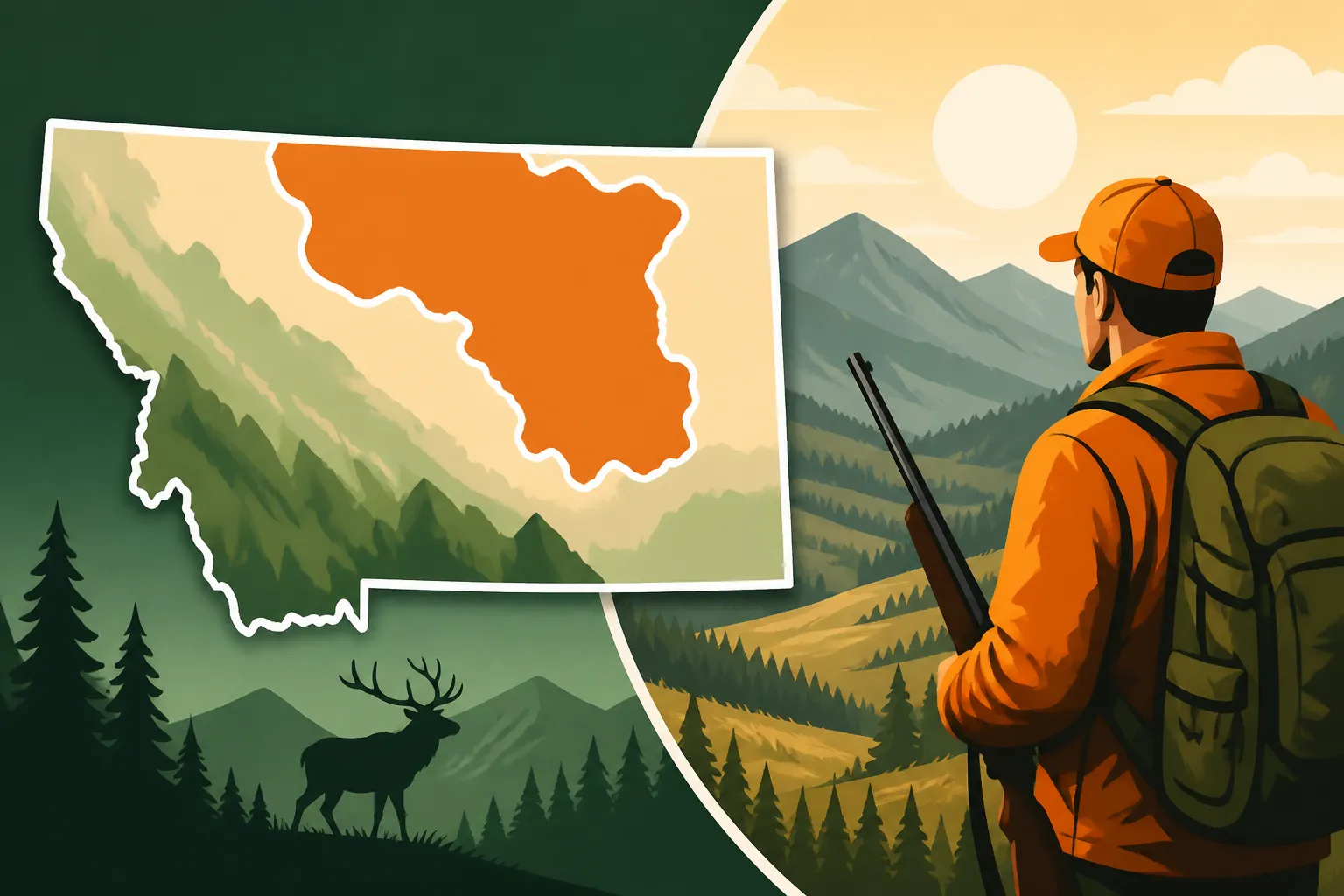
Montana Hunting District 560 Overview
Trying to make sense of Montana's vast hunting landscape, especially when you start diving into the specifics of individual hunting districts, can feel like you're trying to navigate a dense timber patch in a snowstorm. It's easy to get lost in the regulations, map overlays, and conflicting advice. This guide is here to shed some light on Hunting District 560, giving you a comprehensive overview of what to expect, from its unique geography and available game to crucial access points and the specific permits you'll need to chase your quarry here.
Understanding Hunting District 560: Location and Landscape
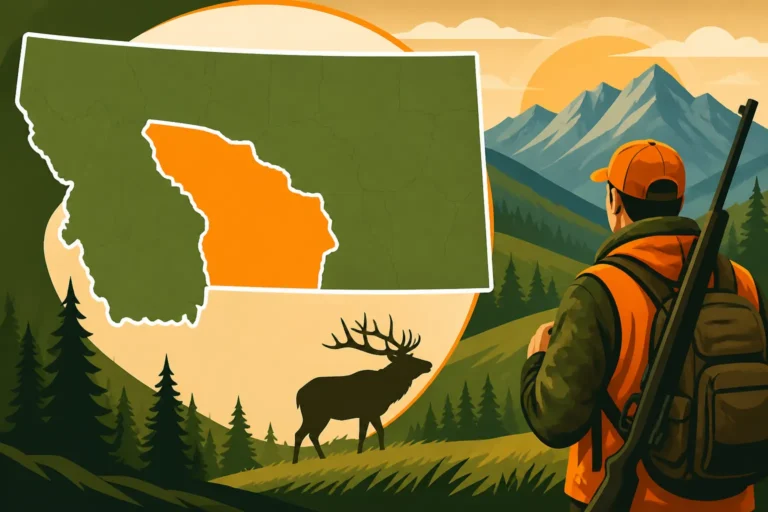
Hunting District 560 is one of those spots in Montana that truly embodies the rugged, diverse character of Big Sky Country. It’s nestled in west-central Montana, a region known for its dramatic mountains, sprawling national forests, and a mix of timbered slopes and open parks. This isn't flatland hunting; it's an area that demands physical preparation and a solid understanding of mountain terrain.
Geographical Features and Topography
HD 560 typically encompasses a significant portion of mountainous terrain, often overlapping with the Helena-Lewis and Clark National Forest. We're talking about elevations that range from valley floors to high alpine basins, characterized by steep climbs, deep drainages, and thick timber stands. You'll find a mix of conifer forests, aspen groves, and open meadows that provide critical forage for big game. Rivers and smaller creeks carve through the district, creating natural travel corridors and water sources. This varied topography means that animals have plenty of places to find cover, feed, and escape pressure, making for a challenging but rewarding hunt. For anyone planning a trip, understanding the specific mountain ranges or prominent features within this district, like parts of the Elkhorn Mountains or the Continental Divide, can give you a real edge when it comes to E-Scouting Montana Hunting Units and planning your approach.
Climate and Seasonal Considerations
The climate in HD 560 is typical of Montana’s mountain regions, featuring cold, snowy winters and mild, relatively dry summers. Fall, which is prime hunting season, can swing wildly from warm, sunny days to sudden blizzards, especially as you get into late October and November. Early archery season might see daytime temperatures in the 60s, while late general rifle season often involves snow, ice, and temperatures well below freezing. This variability means you need to be prepared for anything Mother Nature throws your way. Hunters often face muddy roads, slick trails, and deep snow depending on when they choose to venture out. For those considering an early-season archery hunt, the weather can be pleasant, but later in the year, having the right gear for cold-weather hunting becomes paramount. Snowfall in the higher elevations often dictates elk movement, pushing them down to lower elevations as winter sets in, which can be a key factor for those focused on Late-Season Elk Hunting in Montana.
Game Species and Tag Opportunities in HD 560
One of the biggest questions for any hunter eyeing a new district is, "What can I actually hunt here, and how hard is it to draw a tag?" HD 560 is primarily known for its elk and mule deer populations, offering opportunities that range from general tags to more coveted limited-entry permits. Understanding the nuances of these tags is critical before you even think about packing your boots.
Elk Hunting in District 560
Elk are a major draw in HD 560, with both resident and non-resident hunters vying for a chance at a Montana bull. The district is generally considered a "general" unit for elk, meaning that if you hold a valid statewide elk license (like the Montana Elk Hunting Guide), you can hunt elk here during the designated seasons without needing to draw a specific permit for the district itself. However, this often comes with specific regulations regarding antlered animals, such as a "brow-tine" rule where a bull must have at least one antler with a visible brow-tine to be legal.
While the general license is the main pathway, there are sometimes specific antlerless B-licenses available through a draw for specific hunt codes within HD 560. These "B-tags" allow hunters to harvest an antlerless elk, which is a fantastic opportunity for meat hunters or those looking to increase their chances of filling the freezer. The draw odds for these B-tags can vary significantly year to year, and they usually have specific application deadlines. Keeping an eye on the Montana Fish, Wildlife & Parks (FWP) regulations and using resources like GoHunt can help you understand the current year's quotas and draw probabilities. For non-residents, drawing any elk tag in Montana, even general combination licenses, can be a competitive endeavor, but HD 560 being a general unit increases accessibility once you've secured that base license.
Deer Hunting in District 560
HD 560 also offers solid opportunities for both mule deer and whitetail deer. Mule deer tend to inhabit the higher, more open timbered ridges and mountain slopes, while whitetails are more commonly found in the river bottoms and brushy draws at lower elevations. Similar to elk, the standard statewide general deer license typically allows hunting for either species within HD 560, often with specific regulations regarding antlered bucks (e.g., minimum points on one side).
Just like with elk, the FWP occasionally offers "B-licenses" for antlerless deer in specific hunt codes within HD 560, often to manage local populations. These B-licenses are usually acquired through a draw. Given the prevalence of both species, HD 560 can be an excellent district for a combination hunt, allowing you to pursue both elk and deer if you're lucky enough to hold the necessary tags. For those interested in Montana Mule Deer Hunting Guide or Montana Whitetail Deer Hunting Guide, understanding the specific habitat preferences within HD 560 will be key to success.
Here's a simplified table outlining the primary game species and common tag types in HD 560:
| Species | Primary Tag Type | Common Regulations | Typical Season Dates (General) | Notes |
|---|---|---|---|---|
| Elk | General Elk License | Brow-tine antler restriction (bull) | Sept (Archery), Oct/Nov (Rifle) | B-licenses for antlerless elk sometimes available via draw. |
| Mule Deer | General Deer License | Antlered buck regulations | Sept (Archery), Oct/Nov (Rifle) | Trophy potential varies. |
| Whitetail | General Deer License | Antlered buck regulations | Sept (Archery), Oct/Nov (Rifle) | Found in lower elevations, often near river bottoms. |
| Black Bear | Permit/General (Varies) | Specific draw or general season | Spring/Fall (Varies annually) | Season dates and specific regulations highly variable by region/year. |
Note: Always consult the current year's Montana FWP Hunting Regulations for precise dates, hunt codes, and rules, as they can change annually.
Navigating Access and Terrain Challenges
Getting into HD 560 and navigating its rugged landscape is half the battle. This isn't a district where you're likely to find easy road access to prime hunting spots everywhere. It often requires dedication, good boots, and a solid plan, especially if you're looking to avoid crowds.
Public Land Access Points and Opportunities
A significant portion of HD 560 is comprised of public land, primarily within the Helena-Lewis and Clark National Forest. This means ample opportunity for the do-it-yourself hunter. Access typically involves a network of forest service roads, some of which are well-maintained, while others can be rough, require high-clearance vehicles, or are seasonally closed due to snow or mud. Many areas also have designated motor vehicle restrictions, meaning you'll need to leave your vehicle and travel on foot, horseback, or mountain bike.
Utilizing mapping apps like onX Hunt is absolutely crucial for identifying public versus private land boundaries, understanding road networks, and finding designated wilderness study areas or roadless areas where motorized travel is restricted. These maps can literally save you from trespassing and help you identify vast tracts of public land that might see less pressure simply because they require more effort to reach. Additionally, keep an eye out for Block Management Areas (BMAs) within or adjacent to HD 560. While not always present in every mountain district, BMAs can occasionally provide additional access to private land that would otherwise be inaccessible, offering valuable Montana Block Management Areas Explained insights.
Overcoming the Rugged Terrain
The terrain in HD 560 is no joke. Expect steep slopes, dense timber, and drainages that demand serious physical exertion. For hunters unfamiliar with mountain hunting, this can be a real wake-up call. Here are a few tips for tackling it:
- Physical Fitness: This cannot be stressed enough. Long days of hiking up and down steep grades, often at elevation, require excellent cardiovascular fitness and strong legs. Start your training months in advance.
- Quality Gear: Good boots that offer ankle support and traction are non-negotiable. A comfortable, properly fitted backpack is essential, especially if you plan to How to Pack Out an Elk in Montana.
- Navigation Skills: Beyond a GPS device or onX Hunt, having a topographical map and compass and knowing how to use them can be a lifesaver if electronics fail or batteries die. Mountain weather can change quickly, disorienting even experienced hunters.
- Patience and Persistence: Animals in this rugged country are often widely dispersed and wary. You might cover a lot of ground before finding what you're looking for. Persistence and the willingness to go "one more ridge" often pay off.
- Consider Horseback: For those with the means, horses or mules can be invaluable for accessing deeper wilderness areas and packing out game, making a Montana Backcountry Hunting Guide much more manageable. Many outfitters in the area offer drop camps or fully guided hunts that utilize horses to cover more ground and reach less pressured areas.
Planning Your Hunt in HD 560
Planning is paramount for a successful hunt in a district like HD 560. From understanding the regulations to preparing for the unexpected, a solid strategy makes all the difference.
Regulatory Deep Dive and Application Strategies
Montana's hunting regulations can be a labyrinth, but taking the time to understand them is non-negotiable. For HD 560, pay close attention to:
- Hunt Codes: Every species, weapon, and specific area often has a unique hunt code. Make sure your licenses and tags match the codes for HD 560 and the species you intend to pursue.
- Antler Restrictions: As mentioned, brow-tine restrictions for bull elk are common. Ensure you can confidently identify a legal animal in the field. Similar antler point restrictions may apply to deer.
- Season Dates: Double-check the archery and general rifle season dates for the specific year you plan to hunt. These can sometimes shift slightly. For a detailed breakdown, look into the Montana Elk Season Dates Guide.
- Permit Application Deadlines: If you're interested in any limited-entry permits or B-licenses, mark your calendar for application deadlines, which typically fall in late winter or early spring. Missing a deadline means missing the opportunity.
- Access Restrictions: Be aware of any specific regulations regarding motorized vehicle use, wilderness area boundaries, or private land restrictions within the district.
Using tools like GoHunt's Insider platform can provide invaluable data on draw odds, success rates, and detailed unit profiles, which can significantly streamline your research for districts like 560. This can help you strategize whether to build points for a more coveted permit elsewhere or focus on general opportunities here.
Essential Gear and Preparation Checklist
Hunting in HD 560 means being prepared for anything. Here’s a basic checklist to get you started, assuming a multi-day backcountry or spike camp hunt:
- Navigation: onX Hunt app, GPS device, topo maps, compass, extra batteries/power bank.
- Optics: High-quality binoculars (10×42 or 12×50), spotting scope (optional but useful for How to Glass Montana's Big Country), rangefinder.
- Weapon System: Rifle/bow/muzzleloader, ammunition/arrows, cleaning kit, sling/quiver. Make sure your rifle is sighted in for a Montana Long-Range Shooting Considerations.
- Clothing (Layering System): Base layers (merino wool or synthetic), mid-layers (fleece/puffy), outer shell (waterproof/windproof), warm hat, gloves, spare socks.
- Footwear: Broken-in, waterproof hiking boots, camp shoes.
- Shelter: Tent or bivy, sleeping bag rated for expected lows, sleeping pad.
- Food & Water: Lightweight, high-calorie food, water filter/purifier, water bottles/bladder.
- Survival/Safety: First-aid kit, fire starter, headlamp/flashlight, knife, signaling device (whistle/satellite messenger like Garmin inReach).
- Game Processing: Game bags, sharp knife, sharpening stone, rope for hanging meat.
- Camp Essentials: Cook stove, fuel, pot, spork.
Remember, this is mountain country. The more self-sufficient you are, the better your chances of a safe and successful hunt. Consider a Montana Backcountry Hunting Gear List for a more comprehensive breakdown.
Understanding Hunter Pressure and Strategy
Because HD 560 is largely a general unit for elk and deer, especially on public land, it can experience significant hunter pressure, particularly during the first week of general rifle season. To increase your chances of success and find solitude:
- Go Deeper: The further you get from roads and trailheads, the less pressure you'll likely encounter. This means being willing to hike several miles into roadless areas or wilderness boundaries.
- Hunt Mid-Week: Weekends often see a surge in hunter numbers. If possible, plan your hunt to coincide with weekdays.
- Hunt the Fringes: Animals often get pushed into thick, nasty cover or onto private land by hunter pressure. Focus your efforts on these less inviting areas or on the edges of private holdings where public land access exists.
- Use Topography to Your Advantage: Learn how to use thermals and wind patterns to approach animals undetected. How to Use Thermals in Montana Elk Country is a crucial skill.
- Consider Archery Season: While challenging, archery season generally sees less pressure than rifle season and offers a unique opportunity to hunt elk during the rut when they are more vocal and visible. For insights, check out Montana Archery Elk Hunting Guide.
Hunting HD 560 is a true Montana experience, offering rugged beauty and the challenge of pursuing big game in demanding terrain. With careful planning, the right gear, and a healthy dose of determination, it can be an incredibly rewarding adventure.
Disclaimer
Please be aware that hunting regulations, season dates, and access rules in Montana can change annually. Always consult the official Montana Fish, Wildlife & Parks (FWP) regulations for the current year before planning and executing any hunt. This guide provides general information and should not be considered a substitute for official FWP documentation.