Bridger Mountains Hunting Guide
Hunting the Bridger Mountains near Bozeman, Montana, can feel like stepping into a postcard, but the beauty often hides a steep learning curve and some serious physical challenges. Many hunters arrive with high hopes, only to be overwhelmed by the rugged terrain, dense timber, and the sheer effort it takes to navigate this iconic range. This guide is here to demystify the Bridgers, offering practical advice and strategies to help you plan a successful hunt, from understanding the landscape to mastering the regulations.
Understanding the Bridger Mountains Hunting Landscape
The Bridger Mountains are a distinct and rugged range, rising abruptly from the Gallatin Valley. They're a favorite among locals and a destination for many non-residents, and for good reason – they hold huntable populations of elk, mule deer, and black bear. However, their unique characteristics demand specific strategies and a healthy respect for the mountains themselves.
Geography and Terrain Challenges
When you look at the Bridgers from a distance, they might seem approachable, but once you start hiking, the reality hits. This range is characterized by steep, timbered slopes, deep drainages, and rocky outcroppings. Elevations range significantly, with peaks like Ross Peak and Sacagawea Peak soaring well above 9,000 feet. The lower elevations often feature aspen groves and open parks, transitioning into mixed conifer forests higher up, eventually giving way to alpine meadows and craggy, exposed ridges.
Navigating this terrain is physically demanding. You'll encounter deadfall, slick slopes, and unpredictable weather, even during early archery season. Understanding how game animals use this varied landscape – where they feed, bed, and travel – is crucial. Elk, for instance, often favor the dense timber on north-facing slopes for bedding during the day, moving to more open areas or south-facing slopes to feed in the evenings and mornings. Mule deer might be found in more open, rocky areas higher up, especially the mature bucks. Your ability to move quietly and efficiently through this diverse environment will directly impact your success.
Key Game Species and Their Habitat
The Bridgers are primarily known for their elk hunting, but they also offer opportunities for mule deer, black bear, and occasionally mountain lion. Each species has its preferred haunts and habits within the range.
Elk are the undisputed kings of the Bridgers, thriving in the mixed conifer forests and aspen groves that provide both cover and forage. During the early season and into the rut, you’ll find them higher up, often in or near the timberline. As hunting pressure mounts or snow begins to fall, they’ll often move to darker timber and sometimes lower elevations, though they can be surprisingly resilient and remain high even in tough conditions. Targeting north-facing slopes for bedding areas and south-facing slopes or saddles for feeding and travel corridors is a classic strategy that works well here. If you're planning a hunt during the rut, learning How to Call Elk in Montana can significantly increase your chances of success in the Bridgers.
Mule deer are also present, often occupying slightly different niches than elk. While you might find them in the same drainages, mule deer bucks tend to favor more open, broken country, steep rocky ridges, and scattered timber, often at higher elevations than cows and fawns. Glassing these steep, open slopes and rocky basins is a highly effective tactic for mule deer. Black bears are also common, particularly in the spring and fall. They often frequent areas with berry patches, dense brush, and south-facing slopes that warm up quickly. Knowing what you can hunt in Montana and the specific habitats will help you narrow down your focus.
Access Points and Public Land Considerations
Access into the Bridger Mountains is primarily from the west, via numerous trailheads stemming from the communities of Bozeman and Belgrade. Some of the more popular access points include those leading into the Gallatin National Forest, which encompasses much of the range. These trailheads, like those for Sacagawea Peak or the Michener Creek area, can see significant traffic, especially on weekends or during the early archery season.
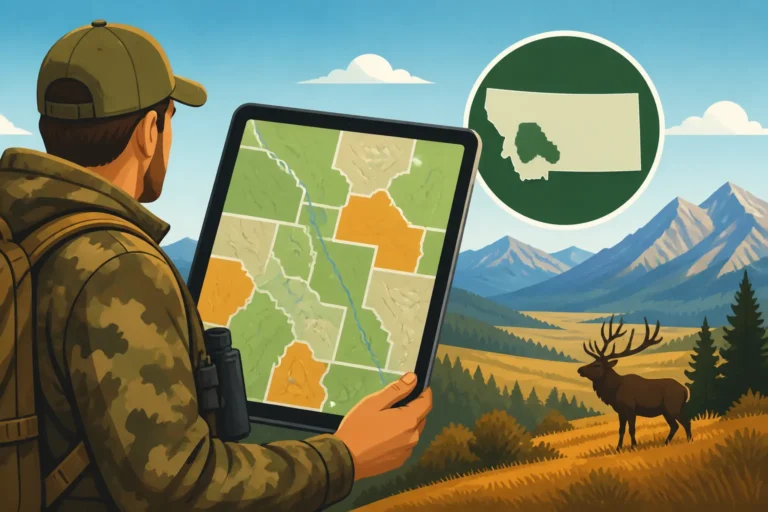
While most of the Bridgers are public land, primarily National Forest, understanding the specific land ownership using a reliable mapping tool like onX Hunt is paramount. There are parcels of private land, especially at lower elevations, that intersperse with public ground. Accidentally trespassing can ruin a hunt and land you in legal trouble, so always know exactly where you stand. Familiarize yourself with the main drainages that lead deep into the range, such as Bracket Creek, Middle Cottonwood, and Springhill. These offer extensive public access but demand serious effort to get away from the crowds. For a comprehensive overview, consult a Montana Public Land Hunting Guide.
Essential Strategies for Hunting the Bridger Mountains
Hunting the Bridgers isn't about luck; it's about preparation, smart tactics, and persistence. The mountains will test your resolve, but a well-thought-out plan can lead to incredible rewards.
E-Scouting and Pre-Season Preparation
Before you even set foot in the Bridgers, your hunt begins at home with thorough e-scouting. This critical step allows you to virtually explore the terrain, identify potential game habitat, and pinpoint access points. Tools like onX Hunt are indispensable here. Use it to study topography, identify north and south-facing slopes, locate water sources, and find areas with dense timber cover (often indicative of bedding areas) or open parks (feeding areas). Pay close attention to ridge lines, saddles, and benches – these are natural travel corridors for game.
Identifying potential hunting units and understanding their boundaries is another key aspect of pre-season work. The Bridgers fall within several hunting districts, each with its own regulations. Use the Montana FWP website in conjunction with your mapping app to mark these boundaries. Look for areas with a good mix of cover and feed, and note any steep terrain that might deter other hunters, potentially giving you an advantage. Consider potential ingress and egress routes, and mark emergency bail-out points. For an in-depth look at this process, check out How to E-Scout Montana Hunting Units.
| Feature / Tactic | Importance in Bridgers | E-Scouting Notes |
|---|---|---|
| Steep Topography | High physical demand, dictates game movement | Identify benches, saddles, and less steep travel routes. Look for north-facing timber for bedding. |
| Water Sources | Critical for game, especially during dry periods | Mark all reliable springs, creeks, and wallows. Game will concentrate near these. |
| Timber Density | Provides cover for game and hunters | Dense timber often holds elk during the day. Identify travel lanes through it. |
| North/South Slopes | Dictates bedding (N) and feeding (S) | Prioritize scouting both aspects. South slopes can hold more feed and warm up faster. |
| Access Roads/Trails | Hunter entry points, but also game escape routes | Note trailheads and roads. Plan to get off trails quickly to avoid pressure. |
| Private Land | Legal boundary concerns | Use onX Hunt to clearly mark private vs. public land boundaries to avoid trespassing. |
On-the-Ground Tactics for Success
Once you're actually in the Bridgers, adapting your tactics to the specific conditions is key. Still-hunting, calling, and glassing are all effective methods, depending on the terrain and the game you're pursuing.
Still-hunting is incredibly effective in the dense timber and broken terrain of the Bridgers. Moving slowly, stopping frequently to listen and scan, and using the wind to your advantage are paramount. Remember that in mountainous terrain, thermals will typically rise in the morning and fall in the evening. Understanding How to Use Thermals in Montana Elk Country is crucial for keeping your scent from spooking game. When still-hunting, focus on creek bottoms, benches, and the transitions between different types of cover. This methodical approach allows you to cover ground quietly and detect animals before they detect you.
Calling can be highly successful, especially during the elk rut. Locator bugles can help you find bulls, and cow calls can entice them closer. Be mindful of other hunters, especially in pressured areas. If you locate a bugling bull, a strategic setup, often with a caller and a shooter, can be deadly. However, don't over-call. Sometimes, a subtle approach with minimal calling is more effective, especially with a "silent" bull that may be wary of aggressive bugles. For mule deer, spot-and-stalk is often the most productive method. Find a high vantage point early in the morning, glass thoroughly, locate your animal, and then plan a careful stalk using terrain features to mask your approach. Knowing How to Spot-and-Stalk Montana Mule Deer is an invaluable skill here.
Dealing with Hunter Pressure
The Bridger Mountains, being so close to a population center like Bozeman, can experience significant hunter pressure, particularly during the general rifle season and the early archery season. This pressure forces game to become more wary and adapt their patterns, often pushing them into thicker cover or more remote areas.
To combat hunter pressure, one of the best strategies is simply to go farther and deeper than others. While many hunters stick to the main trails and easily accessible areas, those willing to put in the extra miles and climb the steepest slopes often find less disturbed game. Consider planning a multi-day backcountry hunt to truly get away from the crowds. This requires careful planning for gear, food, and water, but it significantly increases your chances of encountering unpressured animals. You might find our Montana Backcountry Hunting Guide helpful for this kind of trip.
Another tactic is to hunt during the week if possible, avoiding the weekend rush. Also, consider hunting during adverse weather conditions, like light rain or snow, when many fair-weather hunters stay home. Animals are often still moving during these times, and the damp ground can make for quieter walking. Utilize topography to your advantage, too. Look for steep, nasty areas that funnel into gentler terrain. These natural barriers often deter less determined hunters and can hold pockets of undisturbed game.
Navigating Regulations and Drawing Tags in the Bridgers
Hunting in Montana, especially for desirable species like elk and mule deer, involves navigating a complex system of regulations, licenses, and draws. The Bridger Mountains are no exception, and understanding the specifics for this area is crucial.
Specific Hunting Districts and Their Rules
The Bridger Mountains fall within specific hunting districts (HDs), most notably HD 312. It's imperative to consult the Montana Fish, Wildlife & Parks (FWP) hunting regulations specific to the current year. These regulations dictate everything from season dates (archery vs. general rifle), weapon restrictions, and specific tag requirements. For instance, HD 312 is a popular district, and it's often permit-only for antlered elk, meaning you need to draw a special permit in addition to your general elk license.
Always verify the regulations for your chosen HD before planning your hunt. Some districts may have unique rules, such as antler point restrictions for bulls or specific quotas for cow elk tags. These details can change annually based on herd management objectives and population surveys. Don't rely on information from previous years or assumptions; always check the current FWP regulations. This will help you understand if you need a Montana General vs Permit Tags Explained strategy.
Understanding Tag Requirements and Odds
For non-residents, securing an elk or deer tag in Montana is often a multi-year process due to the draw system. The Bridger Mountains are in a highly sought-after region, making tags for antlered animals in districts like 312 notoriously difficult to draw without accumulated preference points. Non-residents typically apply for the "Big Game Combination" or "Elk Combination" licenses, which include a general elk or deer tag, and then apply for specific permits (like for an antlered bull in HD 312) using a bonus point system.
Preference points increase your odds in subsequent years for general combination licenses, while bonus points increase your odds for specific limited-entry permits. For a district like HD 312, drawing an antlered elk permit can take many bonus points, potentially years. It's important to research current draw odds using resources like GoHunt or the FWP website to set realistic expectations. For many, a general elk tag, allowing hunting in general units, is a more attainable goal for a first-time hunt in Montana. However, even with a general tag, finding unpressured elk in the Bridgers requires significant effort. Learn more about the intricacies in our Montana Nonresident License Draw Explained article.
Planning for Non-Resident Hunters
If you're coming from out of state to hunt the Bridgers, thorough planning is non-negotiable. Beyond the tag draw process, you need to consider logistics like travel, lodging, meat processing, and potentially hiring an outfitter. While the Bridgers are easily accessible from Bozeman, a large portion of the best hunting requires serious foot travel or even a pack-in trip.
Many non-residents choose a DIY hunt, which means they are responsible for all aspects of their trip, from scouting to packing out meat. This can be incredibly rewarding but demands extensive preparation. Others opt for a drop camp service or a fully guided hunt to navigate the complexities and increase their chances of success, especially in challenging terrain like the Bridgers. Be aware that most outfitters book years in advance for popular areas and species. Regardless of your approach, ensure you have all necessary licenses and permits well in advance of the application deadlines, which are typically in March for the big game draws. A good starting point for your planning is our Montana Elk Hunting Guide.
Gear and Physical Demands for Bridger Hunts
Hunting in the Bridger Mountains is a physical undertaking. You're going to be climbing steep grades, descending into drainages, and potentially packing heavy loads out of rugged terrain. Having the right gear and being in peak physical condition aren't just recommendations; they're necessities for a safe and successful hunt.
Recommended Gear for Mountain Hunting
The gear you bring can make or break your hunt in the Bridgers. Layering is paramount, as weather can change drastically from valley to ridgetop, and throughout the day. Start with moisture-wicking base layers, add insulating mid-layers like fleece or puffy jackets, and top it off with waterproof and windproof outer shells. Even in early archery season, unexpected snow or freezing rain is possible.
Footwear is another critical component. You need sturdy, broken-in boots with excellent ankle support and reliable traction. The uneven, steep, and often loose ground of the Bridgers will test your feet and ankles like no other. Look for boots that are waterproof and breathable. Our guide on the Best Boots for Montana Elk Hunting can provide more specific recommendations. Don't forget high-quality socks to prevent blisters.
A reliable backpack is also essential. For day hunts, a 30-45 liter pack should suffice for water, food, extra layers, first-aid, and emergency gear. If you plan to go deep or stay overnight, a larger pack (60+ liters) capable of hauling meat will be necessary. Look for a pack with a strong frame, good weight distribution, and comfortable hip belt. Check out our advice on the Best Backpack for a Montana Elk Hunt for more insights. Other crucial items include high-quality optics (binoculars, spotting scope, rangefinder), a headlamp, navigation tools (GPS device and/or a reliable app like onX Hunt), a knife, fire starter, and bear spray. Cellular service is spotty at best in many parts of the Bridgers, so don't rely on your phone for navigation or communication.
Physical Conditioning for Steep Terrain
This cannot be stressed enough: the Bridger Mountains demand physical fitness. If you haven't been regularly hiking with a weighted pack, climbing hills, or doing cardio, you'll be in for a rude awakening. Many hunters underestimate the physical toll of hunting at elevation, often pushing through thick timber on uneven ground, only to face a steep pack-out of an animal.
Start your physical preparation months in advance. Focus on a combination of cardiovascular endurance (running, cycling, stair climber) and strength training, particularly for your legs, core, and back. Hiking with a loaded pack, simulating the weight you might carry during a hunt, is one of the best ways to prepare. Gradually increase the distance and elevation gain. Aim to be able to comfortably hike 5-10 miles with 2,000-3,000 feet of elevation gain while carrying 30-40 pounds, as this will get you ready for the rigors of the Bridgers. Consider creating a specific Montana Elk Hunt Fitness Plan. Being physically ready not only increases your chances of success but also enhances safety and enjoyment in these challenging mountains.
Disclaimer
Please remember that hunting regulations, season dates, and draw odds can change annually. Always consult the official Montana Fish, Wildlife & & Parks (FWP) regulations for the most current and accurate information before planning any hunting trip to the Bridger Mountains or any other area in Montana. This guide is for informational purposes only and does not supersede official regulations.