Montana Elk Antler Scoring Explained
Montana elk antler scoring explains the Boone and Crockett system, detailing measurements for typical and non-typical racks, mass, and spread.
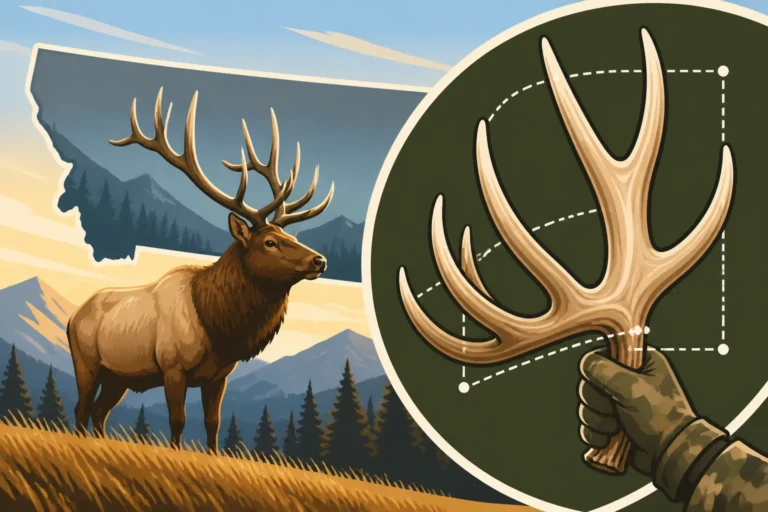
Montana elk antler scoring explains the Boone and Crockett system, detailing measurements for typical and non-typical racks, mass, and spread.

Montana elk dimensions, average weights, and antler characteristics are explained to help hunters prepare for a backcountry hunting trip.
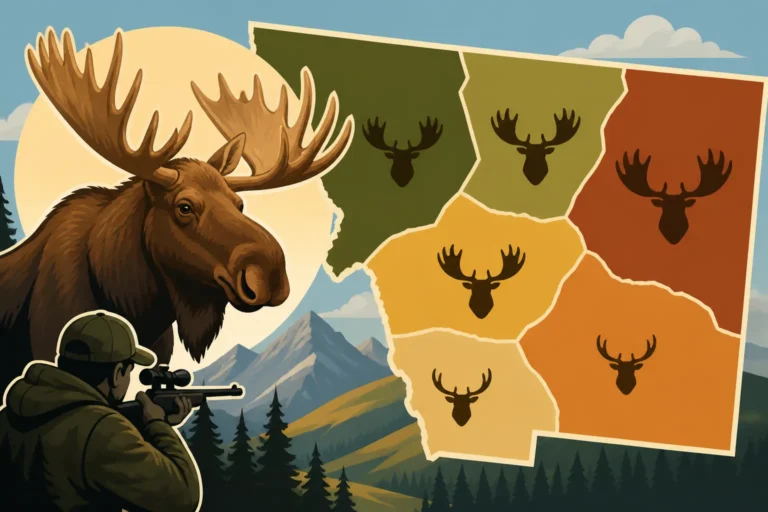
Montana moose hunting districts offer varying trophy potential based on habitat, genetics, age class, and population health across the state’s regions.
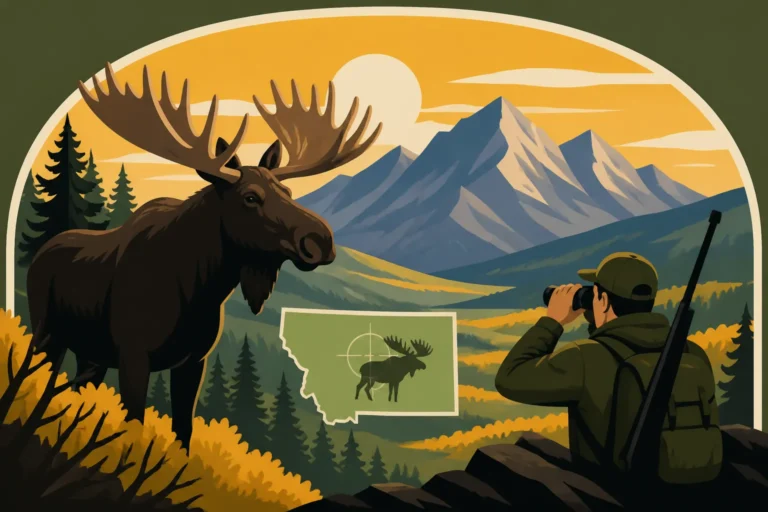
Montana moose habitats, seasonal elevation movements, and regional population strongholds are detailed here to help hunters locate these elusive animals.

Montana black bear districts provide varying trophy potential determined by habitat, food availability, and age structure across western mountain regions.
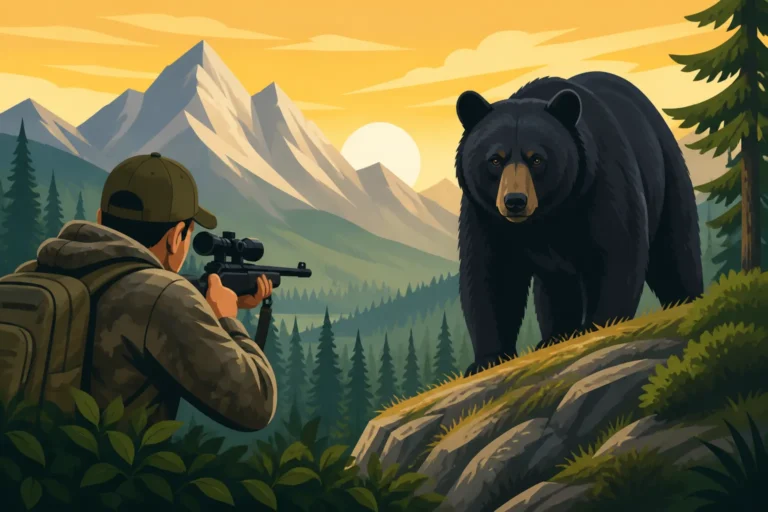
Montana black bear habitat preferences, seasonal food sources, and movement patterns explained to help locate bears across the state.
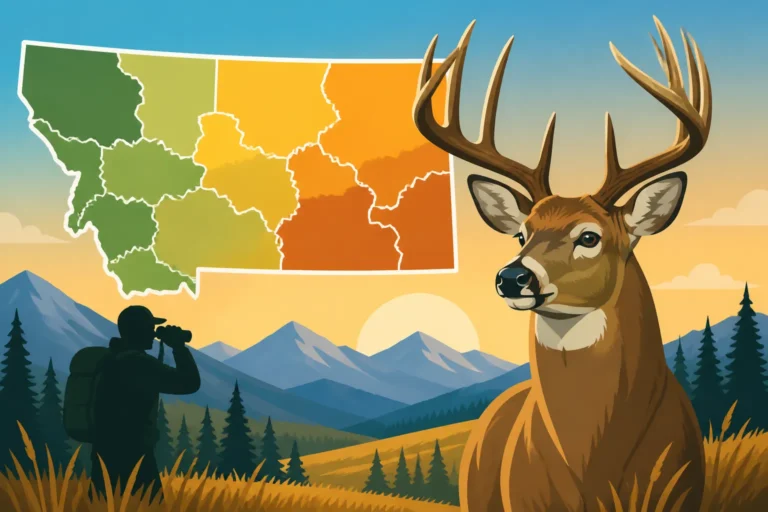
Montana whitetail deer potential varies by district, highlighting specific river valleys and eastern plains regions for trophy hunters.
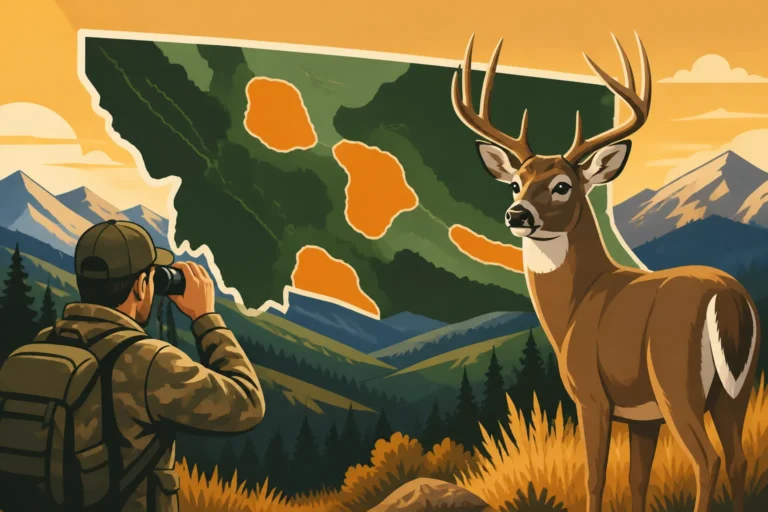
Montana whitetail deer locations and prime habitats include river bottoms, agricultural edges, timbered coulees, and regional hotspots across the state.
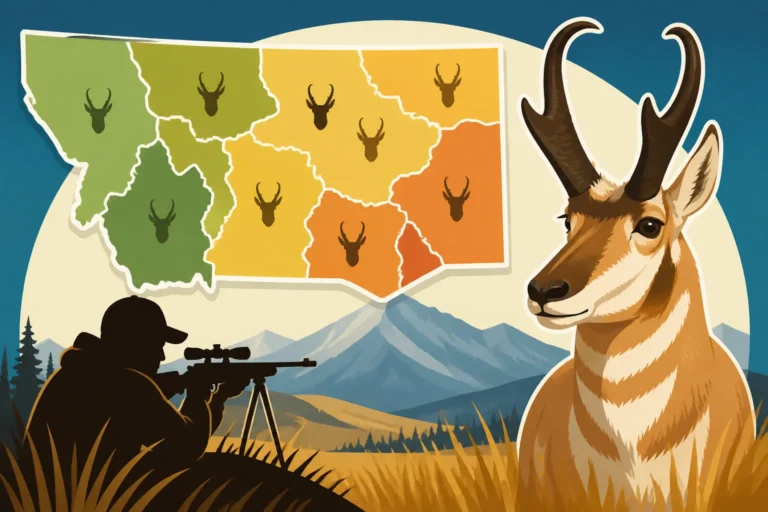
Montana hunting districts with high trophy antelope potential are detailed, outlining horn characteristics, scoring criteria, and regional draw statistics.
Montana antelope locations, habitat preferences, and scouting strategies help hunters pinpoint herds across eastern plains and central transitional zones.