Montana Waterfowl Flyways Explained
One of the biggest head-scratchers for any waterfowl hunter, whether you're a seasoned veteran or just starting out, is figuring out where the ducks and geese actually go. It’s not just about finding a pond or a river; these birds follow ancient routes, and understanding these "flyways" is absolutely critical to successful hunting in Montana. This guide will take a deep dive into how these migratory paths shape waterfowl hunting opportunities across our great state, helping you decode the movements of ducks and geese so you can be in the right place at the right time.
Understanding North America's Migratory Flyways
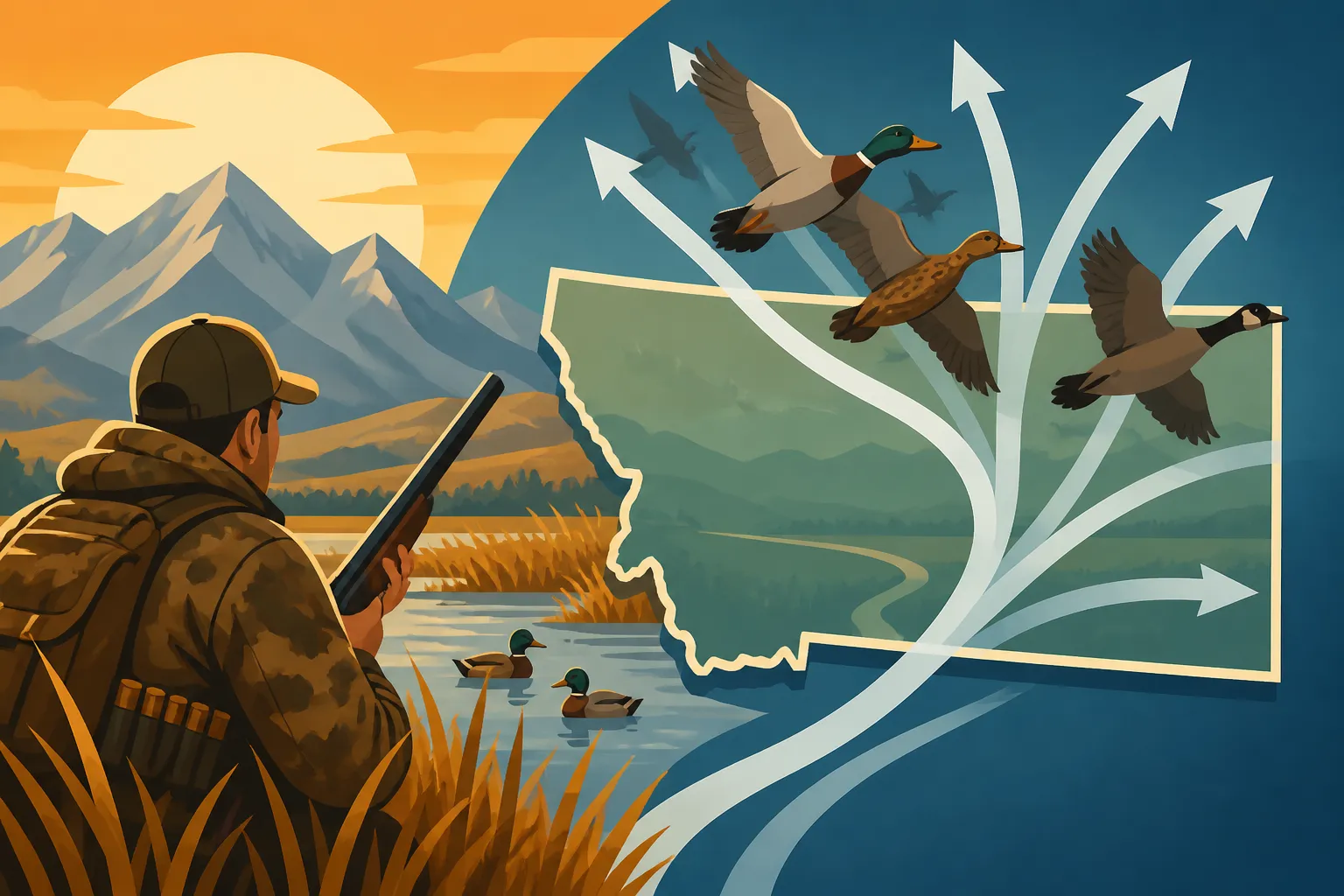
Before we zoom in on Montana, it's essential to grasp the larger picture of North American waterfowl migration. Think of these flyways as massive, invisible highways in the sky that millions of ducks, geese, and other migratory birds use each year to travel between their breeding grounds in the north and their wintering areas further south. These aren't rigidly defined lines; they're broad corridors, influenced by geography, climate, and the availability of food and water. Understanding these major routes is the first step in unlocking the secrets of Montana's waterfowl movements.
The Central Flyway's Broad Influence
Montana sits right at the western edge of the vast Central Flyway, which is arguably the most significant flyway for waterfowl traversing our state. This incredible aerial highway stretches from the Arctic Circle, through the Canadian Prairies, and down across the Great Plains of the United States, all the way to the Gulf Coast of Texas and Mexico. For hunters in eastern and central Montana, the Central Flyway is where the vast majority of their migrating ducks and geese will originate and pass through. We're talking about huge numbers of birds, from countless mallards to enormous flocks of Canada geese and snow geese, all making their way south with the changing seasons. The abundance of agricultural fields and river systems in these parts of Montana makes them prime stopping points along this busy route.
The Pacific Flyway's Western Reach
While the Central Flyway dominates much of the state, western Montana falls within the influence of the Pacific Flyway. This flyway follows the Pacific Coast, but its eastern arm reaches inland, bringing birds through states like Idaho, Washington, Oregon, and, yes, the western portions of Montana. Here, hunters will still encounter many of the same species found further east, but their numbers and timing might be slightly different, dictated by the mountain ranges and river valleys that define this region. Waterfowl traveling the Pacific Flyway often utilize the large lakes and river drainages, like the Flathead River system or the Clark Fork River, as staging areas before continuing their journey south. Understanding these unique regional patterns is key when planning your hunt, especially if you're exploring different parts of the state.
Intersecting Migratory Paths and Local Movements
What makes Montana particularly fascinating for waterfowl hunters is that it truly acts as a crossroads for migratory birds. While the Central and Pacific Flyways are the dominant narratives, there’s a degree of overlap, and sometimes birds might veer from traditional paths due to weather, habitat conditions, or hunting pressure. For instance, birds breeding in certain areas of Alberta or Saskatchewan could potentially filter into either flyway depending on local conditions. Additionally, Montana has a significant resident population of waterfowl, especially Canada geese and some mallards, that might not undertake long-distance migrations but instead make shorter, localized movements in response to food and water availability. These local birds can provide excellent hunting opportunities, particularly in early season or during mild winters when open water persists. Resources like the Montana Fish, Wildlife & Parks (FWP) website and tools such as GoHunt's detailed mapping layers can help you identify these nuanced regional distinctions, showing not just the big-picture flyways but also specific hot zones for waterfowl.
Key Waterfowl Species and Their Migratory Habits in Montana
Montana sees a incredible variety of waterfowl passing through or calling it home, each with its own preferred routes and habits. Knowing which species favor which areas and how they behave can dramatically increase your chances of success. It’s not just about seeing ducks; it’s about identifying the species and anticipating their movements.
Ducks of the Montana Flyways
Montana is a duck hunter's paradise, offering a diverse array of species throughout the season. Each duck has its own charm and challenge, and understanding their preferences will help you target your efforts.
- Mallards: The iconic greenhead is, without a doubt, the most common and sought-after duck in Montana. Mallards use both the Central and Pacific Flyways, with significant numbers breeding locally and migrating through. They are incredibly adaptable, feeding in agricultural fields, along river bottoms, and in various wetlands. Early in the season, you'll find them on smaller potholes and stock ponds. As winter approaches and things freeze up, they congregate on larger, open water bodies, often feeding in corn or stubble fields at dawn and dusk. Learning how to call in a silent Montana bull elk might be a skill for another hunt, but learning to "quack" like a mallard is crucial here.
- Northern Pintails: These elegant ducks, with their long necks and graceful flight, are primarily Central Flyway migrants. They prefer shallow wetlands and agricultural fields, often feeding on waste grain. Pintails are known for being early migrants, meaning they often pass through Montana before the peak of the mallard migration. If you’re hunting early season, especially in eastern Montana, keep an eye out for these fast-flying birds.
- American Wigeon: The "baldpate" is another common visitor to Montana, utilizing both flyways. Wigeon are predominantly grazers, often found feeding on green vegetation in shallow waters or grassy fields. They're quick to decoy and can provide exciting shooting. They're often found associating with other dabbling ducks like mallards and gadwall.
- Gadwall: These understated but delicious ducks are found throughout Montana, using both flyways. Gadwall are often overlooked but are robust, strong flyers. They prefer wetlands with abundant submerged vegetation, often grazing along the edges. They tend to stick around later in the season than pintails but are not quite as cold-hardy as mallards.
- Teal (Green-winged and Blue-winged): Montana sees both green-winged and blue-winged teal. Blue-wings are typically early migrants, often gone by early October, while green-wings are more cold-tolerant and can be found later into the season. Both species are incredibly fast flyers and prefer shallow marshes and ponds. They are primarily Central Flyway birds, with some green-wings also using the Pacific Flyway. Their quick movements make them challenging but rewarding targets.
Geese and Their Flight Paths
Montana is also a major stopover for several species of geese, offering incredible hunting experiences, especially for those who enjoy the challenge of field hunting.
- Canada Geese: These are the most prevalent geese in Montana, with both resident populations and migratory birds from the Central and Pacific Flyways. Resident Canadas often stick around until harsh winter weather forces them to move short distances, while migratory flocks arrive from the north starting in late September through November. They are heavily dependent on open water for roosting and agricultural fields for feeding. Key areas like the Missouri River breaks or the Yellowstone River valley can hold thousands of geese during peak migration.
- Snow Geese: While less common than Canada geese, large numbers of snow geese pass through eastern Montana, primarily along the Central Flyway. Their migrations are often spectacular, with tens of thousands of birds descending upon favored staging areas. These birds are extremely wary and typically feed in vast agricultural fields. Freezeout Lake in north-central Montana is a legendary staging ground for snow geese in both spring and fall, a sight every hunter should witness. Other areas like the Medicine Lake National Wildlife Refuge also provide critical habitat.
- White-fronted Geese (Specklebellies): These "specks" are highly prized by hunters for their delicious meat and challenging nature. They typically follow the Central Flyway, often arriving in Montana slightly earlier than the main snow goose migration. White-fronts are incredibly vocal and usually travel in smaller, tighter flocks than snow geese. They are often found in mixed flocks with Canada geese or in separate fields, preferring waste grain.
Montana's Critical Stopover and Staging Areas
Understanding the major flyways is one thing, but knowing the specific geographical features and habitats within Montana that attract and hold waterfowl is where your local knowledge, and good E-scouting tools, really pay off. Montana offers a diverse landscape, from vast plains to rugged mountains, and birds utilize different areas depending on their needs.
Major River Systems
Montana's sprawling river systems are the lifeblood for migrating waterfowl, offering crucial open water, food, and safe roosting areas. These river corridors act like linear oases in the landscape.
- Missouri River: The "Mighty Mo" is an absolute magnet for waterfowl, especially in its central and eastern stretches. From Fort Peck Reservoir downstream, the river often remains open late into the season, even when surrounding ponds and lakes are frozen solid. This continuous stretch of open water provides vital refuge for thousands of ducks and geese. The adjacent agricultural lands offer abundant food sources, leading to classic field hunting opportunities. Learning how to find elk in Montana dark timber is one thing, but finding waterfowl along the river bottoms requires a different approach, often focusing on scouting fields near the water.
- Yellowstone River: Similarly, the Yellowstone River, particularly in southeastern Montana, provides essential habitat. Its meandering course, sandbars, and associated oxbows create ideal conditions for ducks and geese. Like the Missouri, the Yellowstone often stays ice-free for extended periods, making it a critical late-season destination. Public access along these rivers can vary, so utilizing resources like FWP's interactive maps or GoHunt's public land layers is crucial for scouting.
- Milk River and Other Tributaries: Smaller rivers like the Milk River in north-central Montana, and various other tributaries flowing into the larger systems, also play a significant role. While they might freeze up faster, they can be excellent early-season spots, especially where they wind through agricultural country, providing both water and food. These smaller systems are often less pressured than the main rivers, offering a more intimate hunting experience.
Wetlands and National Wildlife Refuges
Montana is home to several nationally recognized wetlands and wildlife refuges that are absolute powerhouses for waterfowl. These areas provide protected resting, feeding, and breeding grounds, and knowing their locations can help you predict bird movements in surrounding public hunting zones.
- Benton Lake National Wildlife Refuge: Located northwest of Great Falls, Benton Lake is a prime example of a critical staging area within the Central Flyway. It’s a vast, shallow wetland complex that attracts hundreds of thousands of ducks and geese, especially during the fall migration. While the refuge itself has restrictions on hunting, the sheer number of birds it holds means that surrounding public and private lands often offer incredible hunting, as birds fly out to feed.
- Freezeout Lake Wildlife Management Area: Just west of Great Falls, near the small town of Fairfield, Freezeout Lake is legendary. It’s particularly famous for its incredible congregations of snow geese in both spring and fall, sometimes hosting over 300,000 birds. The hunting around Freezeout, both on limited FWP parcels and through landowner permissions, can be world-class. Its designation as an FWP wildlife management area ensures its continued importance for waterfowl.
- Medicine Lake National Wildlife Refuge: Situated in northeastern Montana's prairie pothole region, Medicine Lake is another vital stopover on the Central Flyway. This complex of lakes and wetlands provides essential habitat for dabbling ducks and geese. Its remote location often means birds have good access to undisturbed areas, making it a key attraction in the region.
- Flathead Valley Wetlands: In western Montana, the Flathead Valley, with its large lake and river systems, along with numerous smaller wetlands and marshes, serves as a crucial area within the Pacific Flyway. While perhaps not as densely populated as the eastern plains, it consistently holds good numbers of local and migrating waterfowl, especially mallards, wigeon, and various diving duck species. These areas highlight how Montana Public Land Hunting Strategy can be adapted for waterfowl.
How Montana Weather and Habitat Impact Flyway Use
The phrase "weather dictates waterfowl" couldn't be truer in Montana. While birds generally follow flyways, the nuances of local weather patterns and habitat conditions can profoundly influence when they arrive, where they stop, and how long they stay. Understanding these dynamic factors is paramount to a successful waterfowl season.
The Role of Early Snow and Ice
Nothing pushes waterfowl through Montana faster than an early hard freeze or significant snowfall. A major cold front, especially one that brings persistent freezing temperatures and a blanket of snow, will quickly lock up ponds, smaller lakes, and shallow marshes, eliminating essential roosting and feeding areas.
- Pushing Birds South: When these conditions arrive, birds are forced to move. The earliest migrants, like blue-winged teal and northern pintails, are often the first to go, pushed out by the lack of open water. Even hardy mallards and Canada geese will start to funnel down to the larger river systems that resist freezing, or completely vacate the state for warmer climates further south. This creates a "bottleneck" effect, concentrating birds in specific areas, which can be fantastic for hunting if you're there at the right time. For example, knowing How to Hunt a Cold-Front Elk Push in Montana can be translated to waterfowl, as similar weather patterns influence both.
- Impact on Staging Areas: The timing of freezes can also affect the major staging areas like Freezeout Lake or Benton Lake. If a cold snap hits before these areas are fully utilized, birds might bypass them or only stay for a very short period before moving on. Conversely, a mild fall can mean birds linger much longer, offering extended hunting opportunities in northern Montana. This variability means relying on real-time weather forecasts and scouting reports is essential.
Water Levels and Food Availability
Beyond temperature, the availability of both water and food sources is a massive driver of waterfowl movement and concentration. Birds go where they can safely rest and find enough energy to sustain their migration.
- Importance of Water: Abundant water, whether in natural wetlands, stock ponds, or flooded agricultural fields, means more habitat. Drought years, for instance, can severely limit the available water, forcing birds to concentrate in fewer, larger, and often more crowded areas, or push through faster. Conversely, a wet year with widespread shallow water can disperse birds, making them harder to pattern. The condition of water bodies can even affect where you set up a wall tent elk camp in Montana, as good water access is crucial for all forms of hunting.
- Agricultural Bounty: Montana's vast agricultural landscape, particularly in the Central Flyway, provides an invaluable food source for migrating waterfowl. Fields of waste grain – especially corn, wheat, and barley – are high-energy meals that help birds fuel their journey. Ducks and geese will often fly significant distances from safe roosting water to feed in these fields. This is where scouting becomes paramount. A successful field hunt often hinges on finding the fields birds are actively using, which can change daily. GoHunt's land ownership maps, combined with satellite imagery, are incredibly useful for identifying potential feeding fields adjacent to known waterfowl roosts.
- Natural Forage: While agriculture is huge, natural forage in healthy wetlands and river systems also plays a crucial role. Seeds, aquatic invertebrates, and submerged vegetation provide diverse food options, especially for dabbling ducks. Areas with a rich mix of wetland types and proximity to agricultural fields tend to be the most consistent waterfowl magnets.
Knowing Montana's waterfowl flyways is more than just a piece of trivia; it's the fundamental framework for understanding the incredible migrations that pass through our state each year. By grasping the influence of the Central and Pacific Flyways, recognizing the habits of key species, and pinpointing critical staging areas and the impact of weather, you'll be well on your way to more productive and fulfilling hunts on Montana's waters and fields. Every season is a new puzzle, but with this knowledge, you'll have more pieces to put together.
Disclaimer
Hunting is a challenging and potentially dangerous activity. This guide provides general information and should not replace proper training, local regulations, or personal judgment. Always consult current Montana Fish, Wildlife & Parks regulations before planning any hunt, as rules and season dates can change. Safety should always be your top priority.