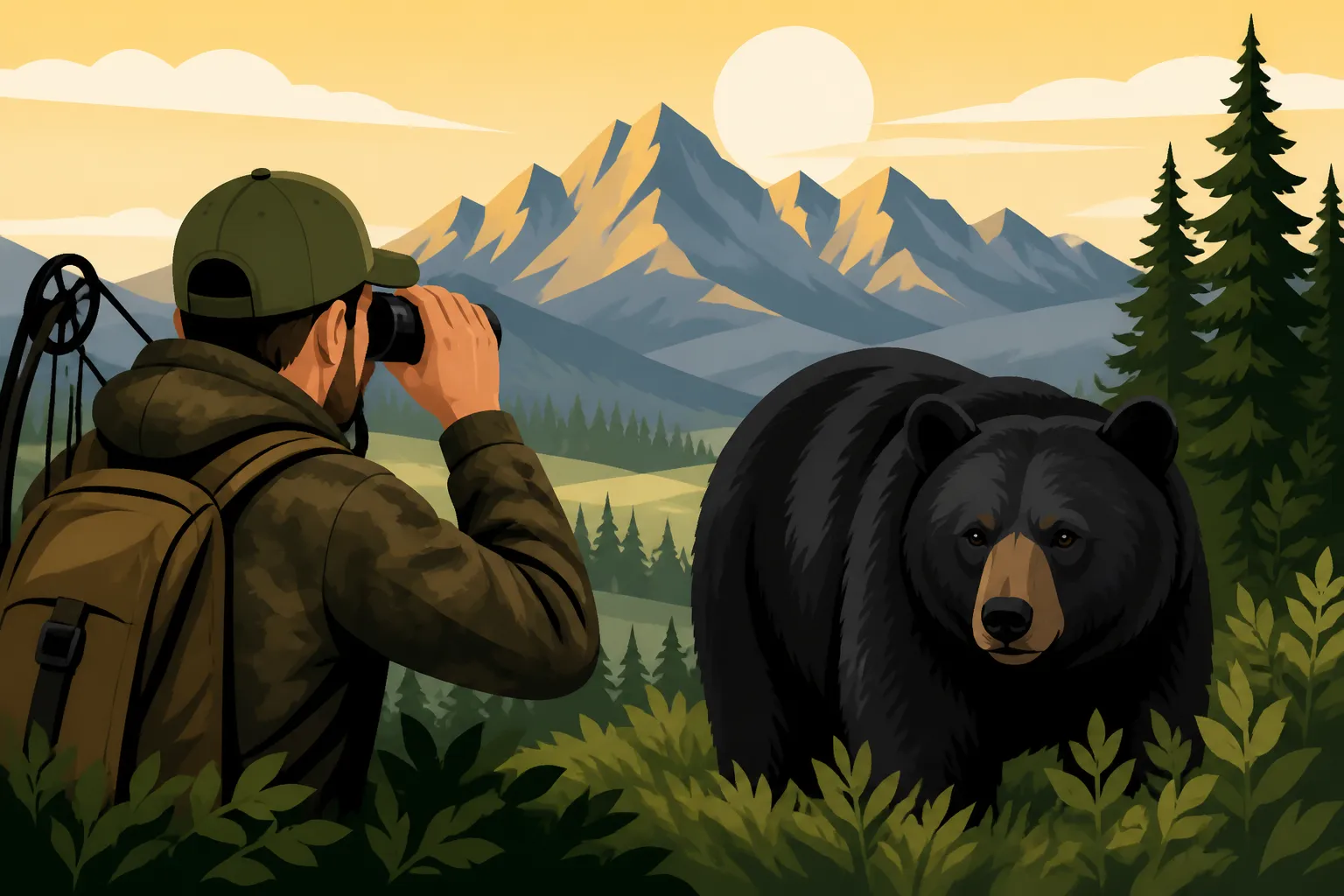
Montana Guided Black Bear Hunt: What to Expect
Dreaming of a Montana black bear hunt but feeling a bit overwhelmed by where to start when it comes to booking a guide? It's a common feeling, especially when trying to understand what a guided experience truly entails in Big Sky Country. You want to make sure you're prepared, you know what to expect, and you're making the most of your investment. This comprehensive guide will walk you through everything you can expect from a guided black bear hunt in Montana, from season specifics to gear and choosing the right outfitter for your adventure.
Understanding Montana's Black Bear Seasons and Regulations
Montana offers incredible black bear hunting opportunities, but the experience can vary significantly depending on when you choose to hunt. Understanding the seasons and the general regulatory framework is your first step in planning a successful guided trip. You'll want to coordinate closely with your outfitter on the specifics for the area you'll be hunting, as regulations can change and district boundaries play a huge role. Knowing a bit about How Montana Hunting Districts Work can certainly give you a head start.
Spring Bear Hunts: The Classic Choice
Spring is arguably the most popular time for black bear hunting in Montana. After a long winter of hibernation, bears emerge from their dens, often looking for green-up and readily available food sources to replenish their depleted fat reserves. This period typically spans from mid-April through the end of May or early June, depending on the specific hunting district and elevation. Many hunters are drawn to the spring hunt because bears are often more predictable, focusing heavily on feeding, which can make them easier to locate.
During a spring hunt, you'll often find yourself focusing on south-facing slopes, avalanche chutes, and timbered areas adjacent to new growth. These are the natural sun traps where vegetation emerges earliest, drawing bears out of the timber. Your guide will likely spend hours behind the glass, meticulously scanning these areas for any sign of a dark shape moving against the greening hillsides or pawing at the earth. The weather can be incredibly varied in spring—one day it might be warm and sunny, the next you could be trudging through fresh snow, so layering is absolutely critical. It's a hunt that demands patience and keen observation, but the reward of spotting a prime bear in a pristine mountain setting is truly unforgettable. For more detailed information, check out our guide on Montana Spring Bear Season and Tags.
Fall Bear Hunts: Opportunity and Variety
While spring gets a lot of the spotlight, fall black bear hunting in Montana offers its own unique set of challenges and rewards. Fall bear seasons often coincide with early archery elk or deer seasons, running from early September through November. In the fall, bears are in full hyperphagia mode, meaning they're eating almost constantly to put on fat for the upcoming winter hibernation. This changes their behavior and, consequently, the hunting tactics.
Instead of just green-up, fall bears are often found in areas with abundant berry crops, acorn stands, or even focusing on fresh elk or deer kills left by other predators (or hunters). They are more dispersed and often have higher caloric needs, leading them to cover more ground. Guided fall hunts might involve scouting for berry patches, stalking through timber, or even sitting over natural food sources. The dense cover of fall foliage can make spotting bears trickier, but it also provides excellent stalking cover once a bear is located. The crisp mountain air and vibrant autumn colors create a stunning backdrop, adding another layer of enjoyment to the hunt. If you're considering this option, you might find our article on Montana Fall Bear Season and Tags quite helpful.
Tagging and Licensing for Nonresidents and Residents
Navigating the licensing process is a crucial step for any Montana hunt, and black bear is no exception. For nonresidents, this typically involves purchasing a conservation license, a base hunting license, and then a black bear tag. Unlike some of Montana's highly sought-after species, black bear tags are generally available over the counter, meaning you don't usually have to enter a draw. However, quotas exist in certain districts, and tags can sell out, especially for popular spring seasons, so it's always best to plan ahead and purchase early.
Residents follow a similar process, usually requiring a base license and then purchasing the black bear tag. Your outfitter will be an invaluable resource in understanding the most current regulations, specific hunt codes for their area, and helping you navigate the Montana Fish, Wildlife & Parks (FWP) licensing system. They can advise on when to purchase, what to purchase, and any specific requirements for their hunting district. Always ensure you have all your necessary licenses and tags in possession before you head into the field.
Here's a quick comparison of the two primary seasons:
| Feature | Spring Black Bear Season | Fall Black Bear Season |
|---|---|---|
| Timing | Mid-April to early June | Early September to late November |
| Bear Behavior | Emerging from dens, seeking early green-up | Actively feeding for winter, dispersed |
| Typical Foods | New grass, succulent plants, carrion | Berries, acorns, mast, carrion |
| Tactics | Glassing south-facing slopes, spot-and-stalk | Spot-and-stalk, still-hunting, calling |
| Terrain Focus | Lower elevations, greening hillsides | Higher elevations, berry patches, timber |
| Weather | Variable, can be cold/snowy to warm | Cooler, colorful, potential for snow |
What a Guided Black Bear Hunt Typically Entails
A guided black bear hunt in Montana is more than just heading into the woods with someone. It's a full experience orchestrated by experienced professionals who dedicate countless hours to understanding bear behavior and movements in their specific hunting areas. This is where the real value of a guide shines, taking much of the guesswork out of finding and successfully harvesting a bear.
Scouting and Preparation by Your Outfitter
Before you even arrive in Montana, your outfitter and their team are putting in serious work. Bear hunting isn't something you can just walk into and expect success, especially on public land. Guides spend weeks, sometimes months, prior to the season scouting. This involves extensive glassing of potential bear habitat, looking for rubs, scat, tracks, and foraging activity. They’ll identify key feeding areas, travel corridors, and bedding sites. Depending on the regulations in their specific hunting district, some outfitters might utilize trail cameras to monitor bear activity or even engage in baiting, if it's permitted in that area. It’s critical to clarify with your outfitter what methods they employ, as baiting is highly regulated and not allowed everywhere.
The outfitter’s knowledge of the local topography, weather patterns, and how these factors influence bear movement is invaluable. They know which slopes green up first in spring, where the huckleberries are thickest in the fall, and where the bears prefer to den. This pre-season intelligence gathering is what significantly increases your chances of encountering a bear. They're not just showing you a spot; they're putting you in the best possible position based on their extensive, boots-on-the-ground research.
Common Hunting Methods Used by Guides
The primary method for hunting black bears in Montana, especially on public land, is How to Spot-and-Stalk Montana Black Bear. This involves a lot of glassing from advantageous vantage points, systematically scanning hillsides, clearings, and timber edges for bears. Your guide will have high-quality optics and an intimate knowledge of the terrain, helping you pick out bears that might otherwise go unnoticed. Once a bear is spotted, the real work begins. Your guide will assess the bear's location, the terrain, wind direction, and potential escape routes to devise a strategic stalk that minimizes detection and maximizes your opportunity for a clean shot. This can often involve long, strenuous hikes over uneven ground, through dense timber, or across open slopes.
While spot-and-stalk is dominant, some outfitters, particularly those with private land access or in areas where regulations allow, might incorporate other tactics. Calling, for instance, can sometimes be effective, especially during the rut or when a bear is curious. Using distress calls or cub bleats can draw in bears, though it's less common than spot-and-stalk for consistent success. If permitted, hunting over bait from a ground blind or tree stand can also be an option, offering a more stationary hunt often suitable for bowhunters or those with physical limitations. Always discuss the specific methods your outfitter employs and ensure they align with your hunting preferences and ethical considerations. Our article on the Best Method to Hunt Montana Black Bear delves deeper into these strategies.
Daily Schedule and Logistics
A typical day on a guided black bear hunt in Montana starts early, often before dawn, and ends well after dark. You'll usually have breakfast at camp, then head out with your guide in a truck, ATV, or on horseback, depending on the remoteness of the area. Some backcountry hunts might even involve packing into a spike camp, meaning days filled with rugged hiking.
The morning hours are often spent driving to various glassing points, where you and your guide will set up spotting scopes and binoculars to scour distant hillsides. This can be surprisingly tiring, as it requires intense focus for extended periods. If a bear is spotted and a stalk is initiated, the rest of the morning or afternoon could be consumed by the arduous process of closing the distance, culminating in a shot opportunity if everything aligns. Lunch might be packed sandwiches eaten on a hillside, or you might return to a base camp depending on the plan. Afternoons mirror the mornings, with more glassing, potentially moving to new areas, or sitting patiently in promising locations. As evening approaches, bears tend to become more active again, offering another prime hunting window. Once a bear is harvested, the work shifts to field dressing, quartering, and packing out the meat and hide, often in fading light. It's a physically demanding schedule, but every minute is filled with the anticipation of a potential encounter.
Gear, Physical Demands, and Expectation Setting
Heading into the Montana wilderness for a black bear hunt means being prepared for anything. This isn't a walk in the park; it's an immersive experience that requires the right gear and a realistic understanding of the physical commitment.
Essential Gear for a Montana Bear Hunt
When preparing for a guided black bear hunt, think layers, durability, and functionality. The Montana mountains can present all four seasons in a single day, especially during spring and fall bear hunts. You'll need reliable hunting clothes that can wick moisture, insulate, and protect against wind and rain. Start with a good base layer, add insulating mid-layers like fleece or puffy jackets, and top it off with waterproof and windproof outerwear.
Footwear is paramount; invest in high-quality, broken-in hunting boots that offer excellent ankle support and waterproofing. Think about the varied terrain – rocky, muddy, potentially snowy, and steep. A good pair of boots is arguably the most critical piece of personal gear. Beyond clothing, quality optics are non-negotiable. While your guide will have excellent gear, having your own binoculars is a must, and a spotting scope can be a huge asset. Don't forget a comfortable yet capable hunting backpack to carry your layers, water, snacks, first-aid, and any personal items. For more ideas on what to pack, our guides on Best Boots for Montana Elk Hunting and Best Backpack for a Montana Elk Hunt offer excellent, transferable advice. Your weapon, whether rifle or bow, should be thoroughly sighted in and something you're proficient with, capable of making a clean kill at typical hunting distances.
| Category | Essential Items | Considerations |
|---|---|---|
| Clothing | Layered system (base, mid, outer) | Moisture-wicking, insulating, waterproof/windproof |
| Warm hat, gloves | Early mornings/evenings, cold weather | |
| Footwear | High-quality, waterproof, broken-in hunting boots | Ankle support, traction for varied terrain |
| Extra socks (wool or synthetic) | Keep feet dry and prevent blisters | |
| Optics | Binoculars (10x preferred) | Personal use for scanning |
| Rangefinder | Accurate shot placement | |
| Weapon | Rifle/Bow (sighted in) and appropriate ammunition | Familiarity, ethics, practice |
| Backpack | Daypack (25-40L capacity) | Comfortable, sufficient for layers, water, snacks |
| Navigation | GPS device or smartphone with mapping app | Backup to guide's tools, useful for personal reference. Tools like GoHunt can be invaluable here for familiarizing yourself with topography. |
| Safety/Misc. | Headlamp with extra batteries, First-aid kit, Water bottle/bladder, Knife, Bear spray (your guide may provide/carry) | Crucial for safety and comfort |
Physical Requirements and Terrain
Let's be real: Montana hunting isn't for the faint of heart, and black bear hunting is no exception. The terrain can be incredibly steep, rocky, brushy, and unforgiving. You might be hiking for miles, gaining significant elevation, and often doing so quietly through dense timber or across exposed hillsides. Spring hunts can involve navigating snow patches and muddy trails, while fall hunts might mean pushing through thick brush. Your outfitter will always work to accommodate your physical capabilities, but a good level of fitness will exponentially increase your enjoyment and success.
Imagine spending hours behind binoculars, then quickly needing to cover a mile of steep, uneven ground to get into position on a bear. This requires strong legs, good cardiovascular endurance, and mental fortitude. Being able to hike comfortably with a loaded pack is also a huge advantage, as you might be carrying out meat and hide. If you're serious about a guided black bear hunt, start a dedicated fitness regimen well in advance. Focus on cardio, leg strength, and hiking with a weighted pack. This preparation will pay dividends when you're in the field. Our guide to How to Physically Prepare for a Montana Elk Hunt offers advice that applies broadly to any physically demanding big game hunt in Montana.
Managing Expectations: Success Rates and Trophy Potential
It’s crucial to go into any guided hunt with realistic expectations. While outfitters significantly increase your odds, hunting is never a guarantee. Montana's black bear populations are healthy, but bears are still wild animals in vast, rugged landscapes. Variables like weather, bear activity, and even your own shooting proficiency play a role. Your guide will do everything in their power to put you on an ethical shot opportunity, but ultimate success isn't something they can promise.
Focus on the overall experience: the beauty of the Montana wilderness, the camaraderie with your guide, the challenge of the hunt, and the thrill of the chase. While trophy bears exist, don't make the hunt solely about antler or skull size. A legal, ethically harvested bear of any size is a tremendous accomplishment and provides excellent meat. Discuss your goals with your outfitter beforehand – are you strictly looking for a large boar, or would you be happy with any legal bear for the experience and meat? Having this conversation upfront helps manage expectations for both parties and ensures a more enjoyable trip.
Choosing the Right Outfitter and Making the Most of Your Trip
Selecting the right outfitter is arguably the most critical decision you'll make for your guided black bear hunt in Montana. A good guide can make or break your experience, ensuring both safety and a memorable adventure. This selection process takes careful thought and research.
Researching and Vetting Montana Black Bear Outfitters
Start your search early, as quality outfitters often book up a year or more in advance. One excellent way to begin is by using online platforms that list and review outfitters. Sites like BookYourHunt can be incredibly useful, acting as a directory where you can browse different operations, see what hunts they offer, and read testimonials from past clients. This gives you a broad overview of available options and allows you to narrow down choices based on location, services, and reputation.
Beyond online listings, reach out to hunting forums, social media groups, and personal networks for recommendations. Nothing beats a personal referral from someone you trust. Once you have a shortlist, visit each outfitter's website, paying close attention to their photo galleries, hunter testimonials, and information about their specific bear hunting programs. Look for consistency in their messaging and how transparent they are about their operations. Remember, a reputable outfitter will be licensed and insured, so don't hesitate to verify their credentials. This diligence is key to How to Choose a Montana Hunting Outfitter and to How to Vet a Montana Hunting Outfitter thoroughly.
Important Questions to Ask Your Guide
Once you've identified a few potential outfitters, schedule a phone call or video conference. This direct communication is invaluable for getting a feel for their personality, experience, and how they operate. Be prepared with a list of questions. Here are a few to get you started:
- What are your typical success rates for black bear hunts, and what factors contribute to them? (Be wary of anyone guaranteeing success.)
- What hunting methods do you primarily use for black bear, and are there any alternatives? (Baiting vs. spot-and-stalk, for example.)
- What kind of terrain should I expect, and what are the physical demands of this hunt? (Be honest about your fitness level.)
- What is included in the hunt package (e.g., lodging, food, transportation during the hunt, field care of the animal)?
- What is your policy on wounded animals? (An ethical outfitter will have a clear, responsible policy.)
- Can you provide references from past black bear hunters, preferably from the last year or two? (Always call these references!)
- What is the best time within the season to hunt for a trophy bear versus a meat animal?
- What gear do I need to bring, and what do you provide (e.g., optics, bear spray)?
Asking these Questions to Ask a Montana Outfitter will help you gather essential information and ensure there are no surprises when you arrive.
Beyond the Hunt: Lodging, Food, and Post-Harvest Care
A guided hunt encompasses more than just the time spent actively pursuing game. Consider the logistics surrounding the hunt itself. Outfitters offer a range of experiences, from rustic backcountry spike camps where you're sleeping in a small tent and eating dehydrated meals, to comfortable lodge-style accommodations with home-cooked meals. Discuss the type of lodging and food provided, and ensure it aligns with your preferences and expectations. Some outfitters operate out of their homes, while others maintain dedicated hunting camps.
Post-harvest care of your animal is another critical aspect. Ask your outfitter about their process for field dressing, quartering, and packing out the meat and hide. Will they handle initial processing, or is that your responsibility? Do they have facilities to keep the meat cool, especially if you're hunting in warmer early seasons? What about hide care for taxidermy? Many outfitters work with local meat processors and taxidermists and can assist with arrangements for getting your meat processed and your hide prepared for shipment. Understanding these details upfront ensures that your hard-earned harvest is handled ethically and efficiently, making the entire experience from field to table as smooth as possible.
Disclaimer
This article is for general informational purposes only and does not constitute professional advice. Laws, prices and regulations vary by location and change over time. Consult a qualified professional for guidance on your specific situation.