How Many Antelope Are in Montana
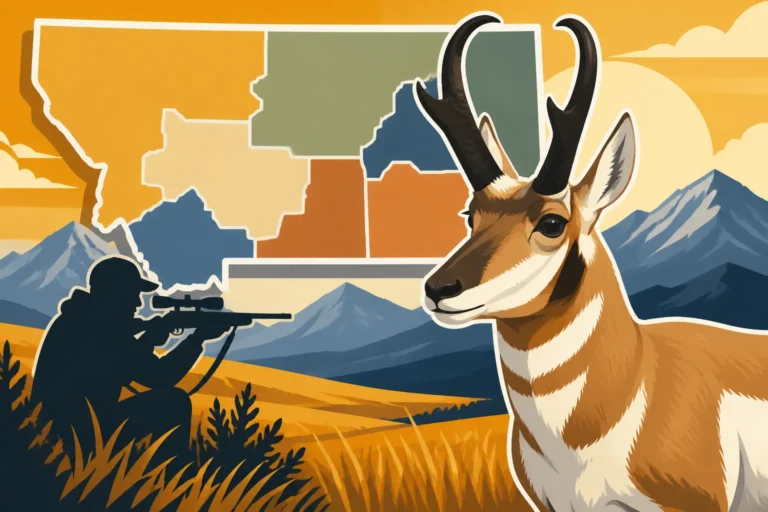
Trying to pin down an exact, unchanging number for how many antelope roam the vast plains and sagebrush flats of Montana can feel a lot like trying to count individual blades of grass in a vast prairie. It’s a question that naturally comes up for any hunter, enthusiast, or curious mind, but the reality is that the population of these incredible animals is far from static. This guide will dive deep into Montana’s pronghorn population, exploring the factors that influence their numbers, how they're managed, and what those dynamics mean for those of us who cherish the chance to pursue them.
Understanding Montana's Antelope Population: It's More Than Just a Number
When we talk about "how many antelope are in Montana," it’s crucial to understand that we’re dealing with a dynamic, living system, not a fixed inventory. The number isn't a single, precise figure that remains constant year after year. Instead, it's an estimate that fluctuates significantly based on a multitude of environmental and biological factors. Montana Fish, Wildlife & Parks (FWP) does an incredible job monitoring these herds, but even their most sophisticated surveys provide a snapshot, not a continuous live count.
Historically, pronghorn populations have seen their fair share of ups and downs across the West, and Montana is no exception. They are incredibly resilient, but also sensitive to specific conditions. What makes one year great for pronghorn can be detrimental the next. Understanding this variability is the first step in appreciating the complexities of wildlife management and the challenges FWP faces in ensuring sustainable populations for future generations. For anyone planning a trip, knowing about the population trends is as important as understanding the Montana Antelope Season Dates.
The Science of Counting Pronghorn: How FWP Tracks the Herds
Counting animals across hundreds of thousands of square miles of varied terrain is a monumental task, especially for a species as widespread and agile as the pronghorn. Montana FWP employs a combination of scientific methods to estimate antelope populations, striving for accuracy to inform their management decisions. These methods, while robust, always come with a margin of error due to the sheer scale and natural unpredictability of wildlife.
Aerial Surveys and Ground Spotting
The primary method for estimating pronghorn populations in Montana is through aerial surveys. Biologists and trained personnel fly fixed-wing aircraft over specific hunting districts (HDs) or management units, systematically counting herds. These flights are usually conducted in late winter or early spring when snow cover can make antelope more visible against the white landscape, or after fawning season to get a handle on recruitment. It's an incredibly labor-intensive process, requiring skilled pilots and observers who can identify and tally animals quickly and accurately. Ground crews often supplement these aerial counts, especially in areas where aerial visibility is challenging or to confirm species identification.
These surveys don't cover every single square mile of pronghorn habitat in the state. Instead, they focus on representative transects or key winter ranges, and then extrapolate those counts to estimate the total population within a given area. This means the numbers you see are calculated estimates, not absolute counts, which is why they are often presented as ranges or averages. If you're looking into specific areas, resources like GoHunt often synthesize this FWP data, making it easier to research Montana Antelope Draw Odds Explained for particular districts.
Data Analysis and Population Models
Once the raw count data is collected, FWP biologists utilize sophisticated population models. These models incorporate various demographic factors, such as observed fawn-to-doe ratios (which indicate reproductive success), buck-to-doe ratios (important for genetic diversity and hunting opportunities), and estimated mortality rates from disease, predation, and harvest. By plugging in these variables, they can project population trends, predict how many animals might be available for harvest in the upcoming season, and assess the overall health of regional herds.
It’s an ongoing cycle of observation, data input, and re-evaluation. Every year, new data refines the models, helping FWP make more informed decisions about tag quotas and season structures. This continuous monitoring is vital for adaptive management, allowing FWP to respond to changes in population status due to environmental shifts or other factors.
Key Influences on Montana's Antelope Numbers
Montana’s antelope population, often fluctuating between roughly 100,000 and 150,000 animals statewide, is constantly shaped by a complex interplay of natural and human-related factors. These influences can dramatically alter local or even regional herd sizes from one year to the next, which directly impacts hunting prospects.
Weather and Climate Conditions
Without a doubt, weather is one of the most significant determinants of pronghorn success. Long, harsh winters with deep, persistent snow can be devastating. Antelope, with their smaller hooves and less robust build compared to deer or elk, struggle to move through deep snow and access forage. This can lead to increased mortality, especially among fawns and older animals, as well as reduced body condition going into the spring, impacting reproductive rates.
Conversely, drought conditions can also be problematic. Pronghorn rely on forbs and grasses that thrive with adequate moisture. Prolonged dry spells reduce forage availability and diminish water sources, forcing herds to travel farther for sustenance, expending precious energy. While pronghorn are adapted to arid environments, extreme drought puts immense pressure on their survival. A mild winter followed by a wet spring, however, can lead to bumper fawn crops and healthier animals, setting the stage for population growth.
Habitat Quality and Availability
Pronghorn are creatures of the open plains, sagebrush steppes, and grasslands. The quality and interconnectedness of this habitat are paramount to their survival. Loss of habitat due to agricultural conversion, urban sprawl, and energy development fragments their range, limiting their movement and access to vital resources like water, food, and fawning grounds. Fences, especially net wire, can also pose significant barriers, preventing them from reaching seasonal ranges or escaping harsh weather.
Healthy sagebrush ecosystems provide critical cover from predators and thermal regulation, especially for fawns. The presence of a diverse array of native grasses and forbs ensures a rich diet. When these components are degraded or disconnected, antelope populations suffer. This is why conservation efforts often focus on maintaining large, intact grassland and sagebrush habitats and modifying fencing to be wildlife-friendly. Understanding Where Montana Antelope Live is key to appreciating this dynamic.
Disease and Predation
While less common than for deer or elk, diseases can occasionally impact antelope herds. For instance, respiratory diseases or other localized illnesses can cause spikes in mortality. However, large-scale, widespread disease outbreaks comparable to EHD in whitetail deer are relatively rare for pronghorn in Montana.
Predation is a constant factor, especially for vulnerable fawns. Coyotes, bobcats, and golden eagles are common predators of young pronghorn. Adult antelope are incredibly fast and agile, making them difficult prey for most predators, but mountain lions and wolves can certainly take down adults, particularly in areas where pronghorn range overlaps with more mountainous terrain. The impact of predation tends to be more significant when combined with other stressors like severe weather or poor habitat, as weakened animals become easier targets.
Regional Distribution and Antelope Management in Montana
Montana is a big state, and its antelope population isn't evenly distributed. Vast portions of eastern Montana, characterized by rolling plains and abundant sagebrush, are the traditional strongholds for pronghorn. However, they can also be found in more isolated pockets in the western and central parts of the state, often in valleys or foothills that offer suitable open habitat.
Eastern Montana Strongholds
The vast majority of Montana's antelope population resides east of the Continental Divide, stretching across the high plains. Regions like the Missouri Breaks, the Powder River Country, and the vast agricultural lands interspersed with native grasslands provide ideal conditions. These areas boast expansive public lands, including Bureau of Land Management (BLM) and State Trust Lands, as well as private ranches, many of which participate in the Block Management Program, offering crucial access for hunters. When researching How to Hunt Antelope on Montana's Plains, you’ll quickly find that eastern Montana dominates the discussion.
Districts in these regions often have higher tag quotas and better draw odds compared to the more mountainous, fragmented western areas. This concentration of pronghorn is a testament to the quality and extent of the remaining grassland and sagebrush habitat in eastern Montana.
FWP Management Strategies
Montana FWP actively manages pronghorn populations to ensure their long-term health and to provide hunting opportunities. This involves:
- Setting Quotas: Based on annual surveys and population models, FWP determines how many hunting licenses (tags) will be allocated for each hunting district. This is a critical balancing act, aiming to harvest a sustainable number of animals without negatively impacting herd growth or buck-to-doe ratios.
- Season Structures: Seasons are designed to coincide with times of the year when harvest is most effective and least disruptive to breeding cycles. Archery seasons typically precede general rifle seasons, and in some areas, specific antlerless (doe) tags are issued to manage overall herd numbers.
- Habitat Improvement: FWP works with landowners and other agencies to implement habitat improvement projects, such as sagebrush restoration, water development, and fence modifications. These efforts are crucial for sustaining and enhancing antelope populations.
- Public Outreach: Educating hunters and the general public about pronghorn biology, conservation challenges, and ethical hunting practices is an ongoing part of FWP's mission.
One example of targeted management includes special designations like the Montana 900 Series Antelope Tags Explained, which are often designed to address specific population dynamics or provide unique hunting experiences in certain areas.
| Region of Montana | General Antelope Presence | Habitat Type | Typical Population Density | Hunting Opportunity |
|---|---|---|---|---|
| Eastern Plains | Widespread, abundant | Vast grasslands, sagebrush, agricultural interfaces | High | Excellent |
| Central Montana | Common, localized | Rolling hills, smaller prairies, some river bottoms | Moderate | Good |
| Southwestern MT | Scattered | Mountain valleys, limited sagebrush basins | Low | Limited |
| Northwestern MT | Rare | Mostly forested, very limited open grassland | Very Low | Extremely Limited |
Implications for Hunters: Drawing Tags and Finding Success
For hunters, understanding the dynamics of Montana’s antelope population directly translates into strategy for drawing tags and increasing the likelihood of a successful hunt. The general rule of thumb is: more antelope means more tags, and often, better draw odds.
Navigating the Draw
Montana's antelope tags are primarily distributed through a lottery drawing system, especially for non-residents and for specific limited-entry districts for residents. Districts with consistently healthy and growing populations tend to offer more tags, making them easier to draw. Conversely, districts with lower populations or high trophy potential might have very few tags and extremely low draw odds, sometimes requiring years of accumulating bonus points. Websites and platforms like GoHunt provide invaluable tools for analyzing draw odds, unit statistics, and application strategies, making sense of the complex FWP regulations. They can help you sift through data to find areas with a realistic chance of success. For more on the application process, consider researching How Many Points for a Montana Antelope Tag.
Strategizing Your Hunt
Once you've drawn that coveted tag, knowing about the population distribution and habitat preferences becomes crucial. Scouting, whether in person or through effective How to E-Scout Montana Hunting Units, should focus on areas known for good antelope numbers and suitable habitat. This often means focusing on the vast public lands of eastern Montana, or seeking out access to Block Management Areas.
Antelope are highly visible, but their incredible eyesight means you need a solid Spot-and-Stalk Antelope Tactics plan. They prefer open country where they can see danger coming from a distance. Look for areas with a mosaic of sagebrush for cover and diverse grasses for feeding, often near reliable water sources, especially during drier years. Remember that while the statewide population is healthy, local pockets can fluctuate, so always do your homework on the specific hunting district you plan to pursue.
Montana truly offers some phenomenal antelope hunting experiences. By understanding the ebb and flow of their populations, and recognizing the hard work that goes into managing these herds, hunters can approach the season with greater insight and respect for this unique American big game animal.
Disclaimer
Please remember that hunting regulations, season dates, and tag quotas are subject to change annually by Montana Fish, Wildlife & Parks. Always consult the official FWP hunting regulations for the most current and accurate information before planning any hunt. This guide is for informational purposes only.