Montana Antelope: Where to Find Them
It's incredibly frustrating to stare out at the vast, seemingly endless plains of Montana and wonder where on earth to even begin looking for antelope. These speedy ghosts of the prairie can be everywhere and nowhere all at once, leaving many hunters feeling overwhelmed and unsure how to pinpoint their herds. This guide is here to cut through that confusion, giving you the insider knowledge on where to find Montana antelope and how to approach these elusive animals.
Understanding Montana Antelope Habitat and Behavior
Hunting antelope in Montana is a truly unique experience, largely because these animals have such specific habitat preferences that dictate where you’ll find them. They aren't like elk that hide in timber or deer that hug river bottoms. Antelope are creatures of the open, masters of their vast, flat domains. Knowing why they choose these areas and how they behave within them is the first step to successful hunting.
The Preference for Open Prairies and Sagebrush
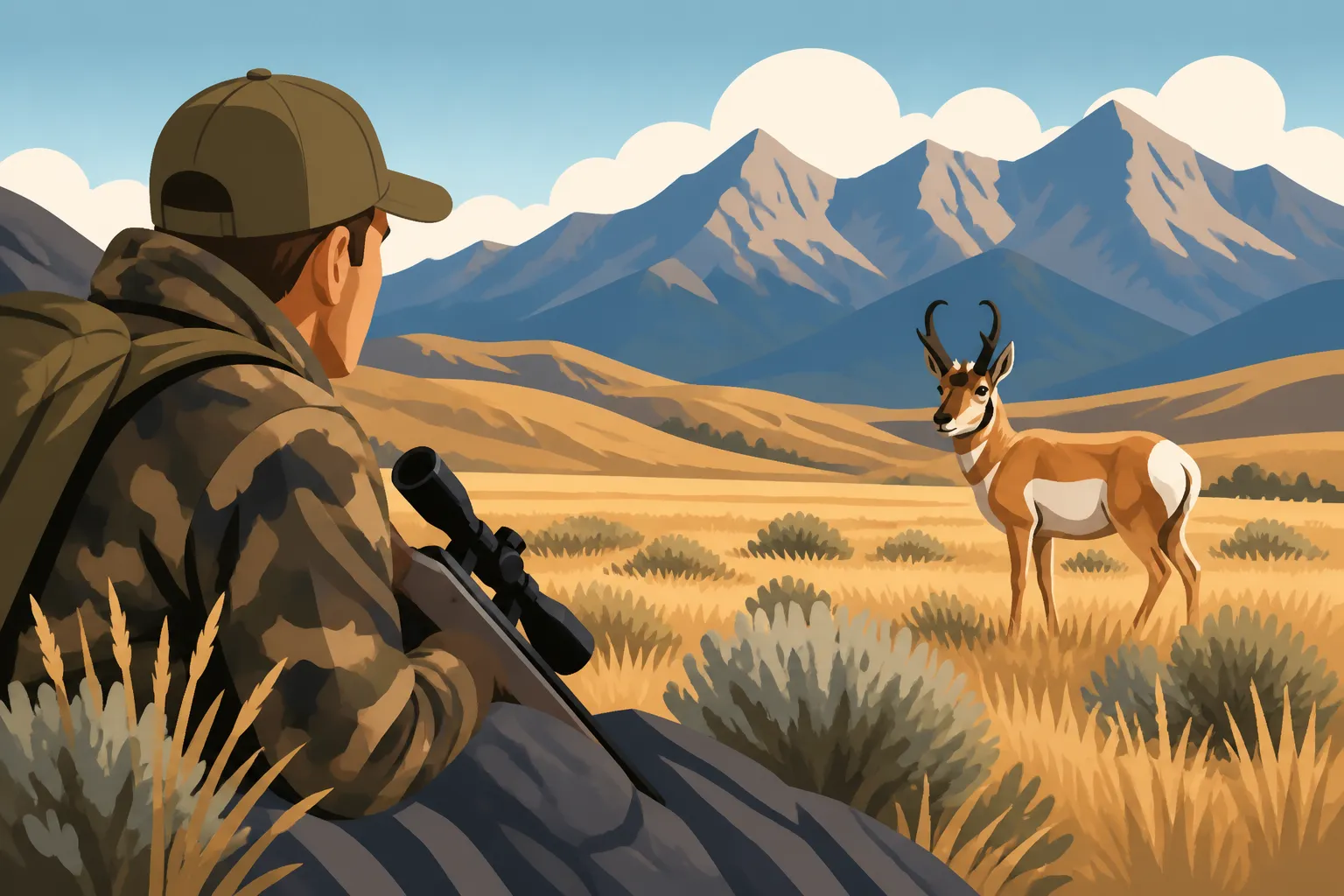
Antelope, often mistakenly called pronghorn "antelope" (they're actually not true antelope but rather a unique species native to North America), thrive in wide-open spaces where they can utilize their incredible eyesight and blistering speed. They absolutely depend on an unobstructed view of their surroundings, which is why you'll rarely find them in thick timber or dense brush. Instead, they gravitate towards expansive grasslands, sagebrush flats, and rolling prairie terrain. This open country offers them the visibility they need to spot predators—including hunters—from an astonishing distance.
These areas are also rich in the forage they prefer. Antelope are primarily browsers, not grazers like cattle or many deer. They have a particular fondness for forbs, cacti, and various shrubs, with sagebrush often being a significant part of their diet, especially in leaner times. If you're scouting an area and notice a healthy mix of these plant types, it's a strong indicator that antelope will likely be present. They're also quite adaptable, and in some areas, you'll find them venturing into agricultural fields, particularly in late summer and fall, to feed on alfalfa or other crops that provide a juicy supplement to their prairie diet. This can present unique hunting opportunities, especially on Block Management Areas that incorporate private agricultural lands.
Antelope Adaptations to Arid Environments
Montana's antelope are perfectly engineered for the often dry, windy, and exposed landscapes they call home. Their impressive speed, capable of hitting over 60 miles per hour, is legendary and their primary defense mechanism. This means they need space to run, making wide-open areas not just a food source but a critical escape route. Their large eyes are another key adaptation, providing them with telescopic vision that rivals any human-made optic. They can pick out a hunter from miles away, making stealth and long-range glassing absolutely essential for success.
Water sources are also a critical factor in antelope distribution, particularly during hotter, drier periods. While antelope can go for extended periods without drinking, relying on moisture from the plants they eat, they will often congregate near stock ponds, windmills, natural springs, and even river bottoms. These water holes become high-traffic areas, especially in the afternoon. Understanding these patterns can be a game-changer when trying to pinpoint herds. Don't be surprised to see them bedded down in a slight depression or on the leeward side of a low rise, always with an eye on their surroundings, ready to bolt at the first sign of danger. This intimate understanding of their behavior is key to knowing How to Hunt Antelope in Montana.
Prime Antelope Country in Eastern Montana
When most folks think about where to find Montana antelope, their minds immediately turn to the eastern side of the state. And for good reason! This vast expanse of prairie and badlands is truly the heartland of Montana's antelope population. It offers some of the most consistent opportunities and holds the largest concentrations of these incredible animals.
The Vastness of the Eastern Plains
Eastern Montana is synonymous with big skies, endless horizons, and, yes, abundant antelope. Counties like Powder River, Custer, Garfield, Petroleum, McCone, Phillips, and Valley are often spoken about in hushed tones by antelope enthusiasts. These areas are characterized by rolling grasslands, extensive sagebrush flats, and broken badland terrain carved by ancient rivers and ephemeral streams. The sheer scale of the landscape means you’ll need good optics and patience, but the rewards can be significant.
Public land access varies greatly across these eastern counties. While some regions boast large tracts of Bureau of Land Management (BLM) land and State Trust Land, others are predominantly private. However, Montana's robust Block Management Program shines brightly here, providing hunters with crucial access to private lands that might otherwise be inaccessible. It's not uncommon to find Block Management Areas (BMAs) specifically designated for antelope hunting, often encompassing thousands of acres. When planning your hunt, you'll want to dive deep into these resources. Services like GoHunt are invaluable for identifying land ownership, potential public access points, and even historical draw odds for specific hunting districts, giving you a competitive edge. This information can help you understand Best Montana Antelope Hunting Areas.
Key Indicators for Locating Herds
Successfully finding antelope on the vast eastern plains isn't about blind luck; it's about smart observation and understanding their preferences. Water sources are paramount, especially during the early archery season or warmer rifle seasons. Look for stock ponds, dugouts, and small reservoirs. These often become focal points for herds, particularly in the mid-to-late afternoon. Scouting these areas, either physically or through e-scouting tools, can reveal patterns of movement and congregation.
Beyond water, pay close attention to terrain features. While the plains might seem flat, there are always subtle changes: gentle swells, shallow draws, coulees, and low ridges. Antelope will use these features for bedding, escaping the wind, or traversing the landscape. They particularly favor the edges of these draws, often bedding on a sun-exposed slope that offers both a view and some protection. When using your optics, don't just scan; grid the landscape systematically. Start with distant landmarks and work your way closer, meticulously searching every fold and crevice. A good pair of binoculars, like a 10×42 or even 12×50, is non-negotiable for effectively glassing Montana's Big Country. On-the-ground scouting trips before the season opens, driving county roads, and identifying key landscape features can dramatically increase your chances.
Western and Central Montana Antelope Pockets
While Eastern Montana gets most of the glory for antelope, it's a mistake to overlook the western and central parts of the state entirely. Though not as widespread or abundant, significant, huntable populations of antelope exist in these regions, often providing different hunting experiences and potentially less hunter pressure. These areas can be fantastic for those looking for a different kind of challenge or who live closer to the mountain ranges.
Scattered Herds in Transitional Zones
As you move west from the truly expansive eastern plains, the landscape begins to transition. You'll find areas where rolling grasslands give way to foothills, river valleys, and eventually, towering mountains. These transitional zones, often characterized by a mix of agriculture, scattered timber, and open prairie, still hold antelope. Central Montana, in particular, around areas like Lewistown, Denton, and the Judith Basin, harbors healthy populations. Here, antelope often share their range with mule deer and whitetails, adding a diverse element to the hunting experience.
These antelope herds tend to be more localized and sometimes smaller than their eastern counterparts. They might use river breaks for cover, navigate through scattered ponderosa pine stands, or utilize large agricultural fields adjacent to their more traditional sagebrush habitat. The key to finding them here is often more focused scouting, looking for the specific micro-habitats they prefer within these mixed landscapes. Again, don't discount the value of water, especially in drier pockets. These areas can sometimes offer better opportunities for a do-it-yourself hunter looking for a unique challenge away from the primary antelope hotspots.
Specific Public Land Opportunities
Finding public land for antelope in central and even parts of southwestern Montana can be a bit more challenging than out east, but it's certainly possible. You’ll still encounter BLM and State Trust lands, though they might be in smaller, more fragmented parcels. The real gem here, once again, is the Block Management Program. Many central Montana ranchers enroll their properties, opening up access to lands that might be ideal antelope habitat. Checking the Montana Fish, Wildlife & Parks (FWP) website for specific Block Management Areas Explained in your target hunting district is an absolute must.
In addition to BMAs, don't overlook isolated pieces of public land that might be landlocked or harder to access. Sometimes, these small, out-of-the-way parcels can hold resident antelope herds that see less pressure simply because they require more effort to reach. This is where strategic e-scouting with tools like onX Hunt becomes critical, allowing you to identify these parcels and plan your access routes. While you might not find the vast, sprawling public tracts of eastern Montana, the central region offers a rewarding puzzle for the determined antelope hunter. For those considering hunting in general, the Montana Public Land Hunting Guide offers an excellent overview.
Leveraging Technology and Scouting for Success
In today's hunting world, ignoring the power of modern technology and diligent scouting is like leaving your binoculars at home—you're intentionally handicapping yourself. For an animal as perceptive and wide-ranging as the Montana antelope, these tools are not just helpful; they’re often essential for finding success, especially when trying to pinpoint where to find Montana antelope.
E-Scouting for Antelope Hotspots
E-scouting is your first and most powerful weapon in the quest for antelope. Before you even set foot in Montana, you can spend hours virtually navigating the landscape, identifying potential hotspots, and developing a solid game plan. Platforms like onX Hunt are indispensable. With onX, you can clearly see land ownership boundaries, differentiating public land (BLM, State Trust, National Grasslands) from private property. You can also identify Block Management boundaries and access points, which are critical for hunting in many areas. Beyond land ownership, onX allows you to analyze terrain features. Look for areas with a good mix of sagebrush, grasslands, and subtle elevation changes like draws and low ridges where antelope might bed or travel.
Another incredibly useful tool for planning your hunt is GoHunt. GoHunt's research platform provides detailed draw odds, unit analyses, and even harvest statistics, helping you understand which units have the best potential for antelope, particularly for non-residents. You can filter by species, region, and even success rates. Combining GoHunt's data with onX's mapping capabilities allows you to meticulously scout potential areas, identify water sources, and mark prospective glassing points long before your boots hit the ground. For instance, if you're looking at a unit in the Powder River country, GoHunt might show a favorable draw odd, and then you can switch to onX to pinpoint specific BLM sections with stock ponds that would attract antelope. This approach significantly increases your efficiency and helps you focus your efforts. Knowing How to E-Scout Montana Hunting Units will make a huge difference.
On-the-Ground Scouting Strategies
While e-scouting lays the groundwork, nothing truly replaces putting boots (or at least tires) on the ground. Pre-season scouting, even just a few weeks before opening day, can reveal crucial real-time information. Drive accessible county roads and public access routes, constantly glassing the landscape. Look for fresh antelope tracks, droppings, and most importantly, the animals themselves. Pay attention to their movement patterns: where do they feed in the mornings and evenings? Where do they water during the day? What routes do they take when disturbed?
One often-overlooked aspect of ground scouting is understanding hunter pressure. Antelope are incredibly sensitive to disturbance. If an area receives heavy pressure, herds might shift to more secluded pastures or become nocturnal. Look for signs of other hunters, like parked trucks or well-worn trails in unexpected places. Sometimes, the best strategy is to find areas that are slightly harder to access, requiring a longer walk or a cross-country drive on an unmaintained road. These less-pressured pockets can hold the antelope that have been driven out of more accessible spots. Remember, antelope in Montana's General Rifle Season Pressure will behave differently than those in untouched areas. By combining thorough e-scouting with strategic on-the-ground reconnaissance, you significantly enhance your chances of finding and successfully hunting these incredible animals.
Here's a quick look at some key regions in Montana for antelope hunting:
| Region Name | Primary Characteristics | Public Land Availability | Typical Terrain | Notes |
|---|---|---|---|---|
| Eastern Plains | Highest population density | Abundant (BLM, State, BMA) | Vast grasslands, sagebrush flats, rolling hills | Classic antelope country, wide-open, excellent glassing opportunities |
| Central Montana (Judith Basin) | Healthy, scattered populations | Moderate (State, BMA) | Mixed prairie, agriculture, river breaks | Transitional zone, diverse hunting, often less crowded |
| Southeastern Montana (Powder River) | Very strong populations, rugged areas | Good (BLM, State, BMA) | Badlands, broken country, open ranges | Can be more challenging physically, rewarding for big bucks |
| Southwestern Montana (Lower Elevation) | Small, isolated pockets | Limited (scattered BLM, BMA) | High desert steppe, agricultural fringes | Less common, often found on private land or specific BMAs |
Disclaimer
Please remember that hunting regulations, season dates, and access programs like Block Management can change annually. Always consult the official Montana Fish, Wildlife & Parks (FWP) regulations and maps for the most current and accurate information before planning any hunt. This guide is for informational purposes only.