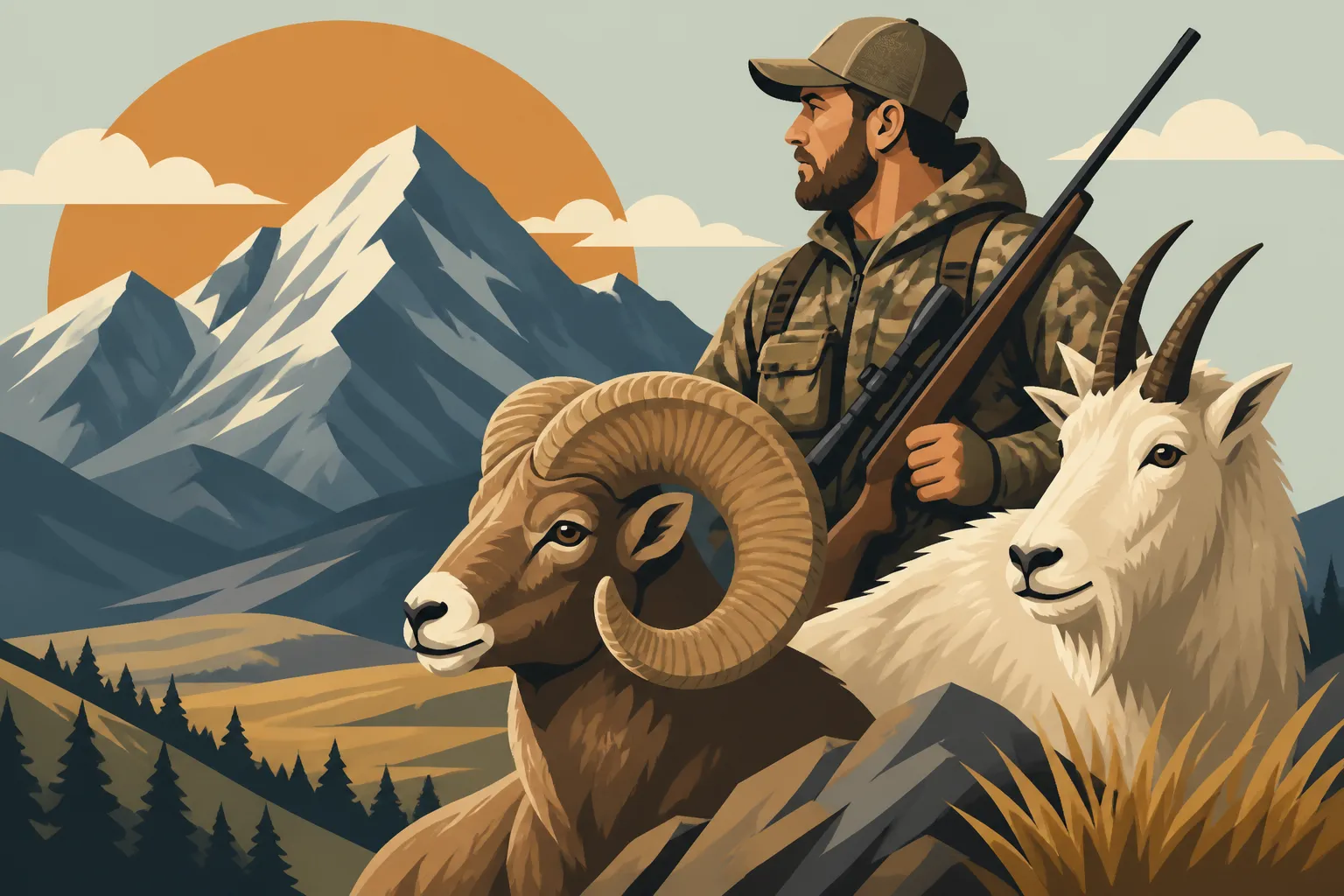
Montana Sheep and Goat Hunting Explained
Drawing a Montana bighorn sheep or mountain goat tag is arguably one of the most challenging and coveted achievements in Western hunting. For many, it's a lifelong pursuit, a dream fueled by countless bonus points and endless anticipation. This guide will walk you through everything you need to know about hunting these majestic high-country species in Big Sky Country, from navigating the notoriously tough draw system to understanding the demanding physical and mental preparations required, and ultimately, how to approach the hunt if you're lucky enough to draw.
The Allure of Montana's High Country for Sheep and Goats
There's something truly special about hunting in the alpine environment. The air is thinner, the views are breathtaking, and the animals themselves seem to embody the wild, untamed spirit of the mountains. Bighorn sheep and mountain goats are icons of this rugged landscape, representing the pinnacle of big game hunting challenges. Their habitats are remote, unforgiving, and demand every ounce of a hunter's skill and determination.
Bighorn Sheep: A Hunter's Everest
The bighorn sheep is a symbol of resilience, adapted to live in some of the most extreme mountain terrain. Pursuing a bighorn ram in Montana is often called a "once-in-a-lifetime" hunt, and for good reason—tags are incredibly rare, and the hunting itself is physically brutal. These hunts aren't just about bagging an animal; they're about experiencing the raw beauty of Montana's wild places and testing your limits against nature's toughest creatures.
Bighorns typically inhabit steep, rocky slopes, alpine meadows, and canyon lands, offering them protection from predators and access to various forage. In Montana, you'll find different subspecies, primarily Rocky Mountain bighorn sheep. Prime sheep country often involves significant elevation gain, often above 8,000 feet, sometimes pushing well past 10,000 feet. Locating sheep requires powerful optics and endless glassing, often covering vast basins from a single vantage point. Once spotted, the stalk can be arduous, requiring careful route planning through cliffs, scree fields, and timbered chutes. Districts known for bighorn sheep are often in the western part of the state, in areas like the Missouri Breaks, though these are typically separate sub-species, and the Ruby Mountains or Anaconda-Pintler Wilderness area. The very limited nature of these permits means that every ram is a trophy, regardless of size, simply due to the sheer difficulty of drawing and successfully executing the hunt.
Mountain Goats: White Ghosts of the Peaks
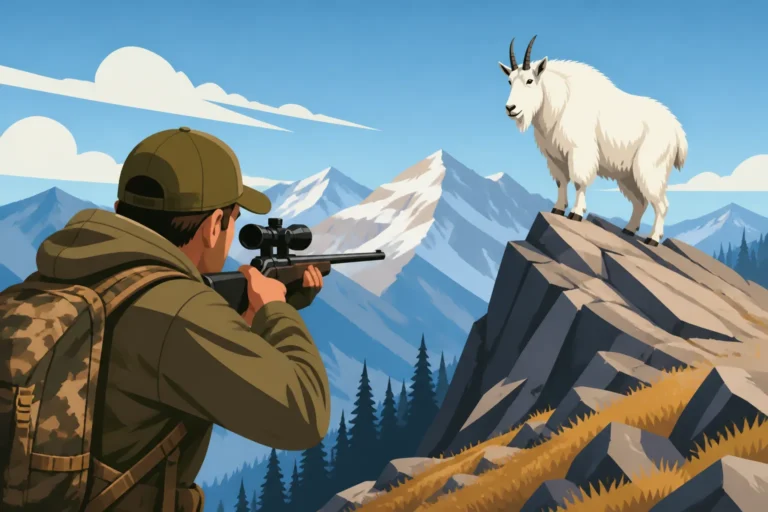
Mountain goats, with their shaggy white coats and black dagger-like horns, are perfectly camouflaged against the snow-capped peaks and glaciers they call home. They are arguably even more at home in vertical terrain than bighorn sheep, often found clinging to ledges that seem impossible for any large mammal to navigate. Hunting mountain goats presents a distinct set of challenges, often involving traversing treacherous rocky slopes, steep snowfields, and glacial moraines.
Unlike sheep, which can be found in more arid mountain ranges and even badlands like the Missouri Breaks, goats are strictly creatures of the high, rugged mountains. Think of areas near Glacier National Park, the Absaroka-Beartooth Wilderness, or other major mountain ranges throughout Western Montana. They prefer exposed cliffs and rocky areas where they can feed on sparse vegetation and find security from predators. Hunters often describe goat country as "three-dimensional," requiring not just horizontal travel but significant vertical negotiation. The weather in these high-altitude environments can change in an instant, turning a sunny day into a blizzard without warning, adding another layer of complexity and danger to an already demanding pursuit. A successful mountain goat hunt is a testament to perseverance, mountaineering skills, and a deep respect for these incredible animals and their unforgiving habitat.
Understanding Montana's Draw System for Sheep and Goats
The most significant hurdle for most aspiring sheep and goat hunters is simply drawing a tag. Montana's system for these coveted species is highly competitive, designed to allocate a very limited number of permits to ensure sustainable populations while offering a chance for hunters to pursue their dreams. It's a system built on bonus points, patience, and a bit of luck.
Bonus Points: Your Long Game Strategy
Montana utilizes a bonus point system for its limited-entry permits, including those for bighorn sheep and mountain goats. Unlike preference points, which essentially give you priority based on the number of points you have, bonus points increase your odds exponentially. For every point you have, you get an additional entry into the draw. So, if you have 5 bonus points, you'll have 6 entries (1 for the current year's application + 5 for your bonus points). This means that accumulating points significantly improves your chances over time, but it still doesn't guarantee a tag. Many hunters apply for decades, patiently building points, before their number finally comes up.
This long-term strategy requires commitment and annual participation. Each year you apply for a sheep or goat permit and are unsuccessful, you automatically receive a bonus point for that species for the following year. Alternatively, if you decide not to apply for a permit, you can purchase a bonus point for a nominal fee (usually around $15-20 for residents, significantly more for nonresidents) to keep building your points total. This point-only purchase option is crucial for those who want to stay in the game without the commitment of a full application every year. To see how your points might stack up, especially as a nonresident, tools like GoHunt's Insider service provide invaluable draw odds data, allowing you to analyze historical trends and strategically choose units or species to apply for, even if it's a long shot. Understanding how Montana Bonus Points Work is critical for any serious applicant.
Hunt Codes and Limited Entry: Demystifying the Application
Montana's hunting regulations outline specific "hunt codes" for each species, season, and hunting district. For bighorn sheep and mountain goats, these are always limited-entry permits, meaning only a specific, often tiny, number of tags are issued for each designated hunting district. This contrasts sharply with general licenses for deer or elk, which allow hunting in most units statewide. Each hunt code specifies the species, the type of animal (e.g., ram, ewe, nanny, billy), the weapon type allowed, and the season dates. For instance, a hunt code might specify "Bighorn Sheep Ram – Archery Only – HD XXX" with a quota of 1-2 tags.
Applying for these permits requires careful study of the current year's regulations. The application window typically opens in early spring, with deadlines usually in May or June. It's imperative to consult the Montana Fish, Wildlife & Parks (FWP) website annually for the most up-to-date information on application deadlines, available districts, and any changes to quotas or regulations. When applying, you'll typically rank your district choices, a crucial decision that can influence your chances, especially for the rare permits. Some districts might have slightly better odds, even if still minuscule, due to lower demand or slightly higher quotas. The system then draws from the pool of applicants, factoring in bonus points, until all tags are allocated. Understanding Montana Limited Entry Permits Explained can help you navigate these complex choices.
Application Timeline and Costs
Applying for a Montana sheep or goat tag isn't just about wishing on a star; it involves specific deadlines and financial commitments, especially for nonresidents. Here's a general overview:
| Item | Resident Cost (Approx.) | Nonresident Cost (Approx.) | Application Deadline | Notes |
|---|---|---|---|---|
| Base Hunting License | $8 | $15 | Early March (for combos) | Required before applying for any big game permits. Nonresidents typically need to purchase a nonresident combination license like the Montana Nonresident Combination License Guide which includes a base license. |
| Conservation License | $8 | Included in combos | Early March (for combos) | Supports FWP conservation efforts. |
| AIS Prevention Pass | $2 | Included in combos | Early March (for combos) | Aquatic Invasive Species prevention. |
| General Hunting License | $10 | Included in combos | Early March (for combos) | Required to hold any big game permit. |
| Sheep Bonus Point Fee | $5 | $20 | June 1st (usually) | Purchase if not applying for a permit. |
| Goat Bonus Point Fee | $5 | $20 | June 1st (usually) | Purchase if not applying for a permit. |
| Sheep Permit Application Fee | $5 | $50 | June 1st (usually) | Non-refundable application fee. |
| Goat Permit Application Fee | $5 | $50 | June 1st (usually) | Non-refundable application fee. |
| Full Sheep License (if drawn) | $125 | $1,250 | N/A (charged upon draw) | Significant cost difference for nonresidents. |
| Full Goat License (if drawn) | $125 | $1,250 | N/A (charged upon draw) | Significant cost difference for nonresidents. |
Note: All costs are approximate and subject to change annually. Always consult the Montana FWP regulations for the most current information.
It's critical for nonresidents to understand that in addition to the permit application fees, you must also purchase a base hunting license or a combination license, like the nonresident Big Game Combo, before you can apply for species like sheep or goats. These combination licenses are themselves subject to a draw. The deadlines for these combo licenses are much earlier, usually around March 15th, preceding the sheep/goat specific permit draw. This means nonresidents need to plan their application strategy well in advance and potentially commit significant funds even before knowing if they'll draw a general big game tag, let alone a sheep or goat permit. Knowing how to apply for a Montana Hunting License is the first step in this complex process.
Preparing for a Montana Sheep or Goat Hunt (If You Draw)
Congratulations! If you've been fortunate enough to draw one of these incredibly rare tags, the real work begins. This isn't your average deer hunt; a high-country sheep or goat hunt will test every fiber of your being. Preparation needs to be meticulous and comprehensive, covering everything from your physical condition to the gear you carry and your strategy once you hit the mountains.
Physical and Mental Conditioning: The Demands of Alpine Hunting
The phrase "mountain shape" takes on a whole new meaning when you're talking about hunting bighorn sheep or mountain goats. These animals live in some of the most unforgiving, high-altitude terrain imaginable, and to pursue them effectively, you need to be in peak physical condition. Think beyond just being able to walk a few miles. You need the stamina to climb thousands of vertical feet with a heavy pack, often off-trail, for multiple days in a row. You'll traverse steep scree, navigate boulder fields, and ascend rocky chutes, all while carrying your rifle or bow, optics, and survival gear.
A comprehensive fitness plan should include a mix of cardio, strength training, and, most importantly, specific mountain conditioning. This means hiking with a loaded pack on steep trails, practicing dynamic movements that mimic climbing and descending uneven terrain, and building core strength to prevent injury. Don't underestimate the impact of altitude either; if you're coming from sea level, even a few days of acclimatization can make a huge difference. Mentally, these hunts are just as taxing. The physical discomfort, unpredictable weather, and the sheer vastness of the landscape can be overwhelming. Cultivating patience, resilience, and a positive mindset is just as important as strong legs and lungs. For more detailed insights, checking out resources like How to Physically Prepare for a Montana Elk Hunt can provide a great foundation, though sheep and goat hunts often demand an even higher level of conditioning.
Essential Gear for High-Altitude Success
The gear you choose for a high-country sheep or goat hunt isn't just about comfort; it's about survival and success. Every item in your pack needs to be lightweight, durable, and reliable. Investing in high-quality gear is not a luxury; it's a necessity.
- Optics: Top-tier optics are paramount. A high-magnification spotting scope (20-60x or 25-75x) with a stable tripod is non-negotiable for finding sheep and goats in their vast habitats. Pair this with powerful binoculars (10x or 12x) and a good rangefinder. Quality glass from brands like Swarovski, Zeiss, or Kowa will be your best friend.
- Layered Clothing System: Weather in the mountains changes rapidly. A versatile layering system is key. Start with moisture-wicking base layers, add insulating mid-layers (fleece or puffy jackets), and top it off with waterproof and windproof outer shells. Pay attention to fabrics; synthetics and merino wool perform best in wet and cold conditions. Don't forget a warm hat and gloves, even in early season.
- Footwear: Your boots are your foundation. You need stiff, supportive, waterproof mountain boots that are already broken in. Think high-ankle support for stability on uneven terrain and a robust sole with aggressive traction. Consider carrying camp shoes or lighter approach shoes for less rugged stretches or around camp.
- Backpack: A comfortable, high-capacity backpack (65-85 liters) with an external frame or robust internal frame is essential. It needs to comfortably carry all your gear for multiple days, and crucially, be capable of carrying out heavy loads of meat and horn if you're successful. Look for adjustable suspensions and good load-bearing capabilities.
- Navigation Tools: A reliable GPS device, a satellite communication device (like a Garmin inReach or Zoleo), and paper maps with a compass are all critical backups. Cell service is often non-existent in these remote areas. Applications like onX Hunt can be incredibly useful for e-scouting and in-field navigation.
- Shelter and Sleep System: A lightweight, sturdy tent or tarp shelter capable of withstanding high winds and inclement weather is a must. Pair this with a warm sleeping bag (rated for well below expected night temperatures) and an insulated sleeping pad.
- Other Essentials: Water filtration system, headlamp with extra batteries, first-aid kit, fire starter, knife, trekking poles (highly recommended for stability and reducing strain), and plenty of high-energy food.
For a comprehensive checklist, refer to a detailed resource like the Montana Backcountry Hunting Gear List. Remember, every ounce matters, but compromising on critical safety or success items is never worth it.
E-Scouting and In-Season Strategy
Once you've drawn that coveted tag, the next crucial step is intensive scouting. With limited time and the vastness of Montana's high country, maximizing your scouting efforts is paramount. This begins long before you set foot in the field, with extensive e-scouting.
Utilize satellite imagery and topographic maps (platforms like GoHunt's Insider or onX Hunt are invaluable) to identify potential sheep or goat habitat. Look for steep, rocky areas with escape terrain, south-facing slopes that melt out earlier and offer forage, and areas with water sources. Pay attention to natural travel corridors, benches, and ridges that the animals might use. Identify potential glassing points and access routes to these areas. This pre-season work allows you to narrow down vast wilderness areas into manageable sections for actual boots-on-the-ground scouting. Understanding How to E-Scout Montana Hunting Units is a critical skill for this phase.
In-season, your strategy will likely revolve around patient glassing. Sheep and goats are masters of their environment, blending seamlessly into rocky cliffs and scree fields. Spend hours behind your spotting scope, systematically dissecting every inch of potential habitat. Once an animal is spotted, the real chess match begins. Evaluate the terrain, wind direction, and potential hiding spots for a stalk. Remember, these animals have incredible eyesight, and their habitat offers them numerous escape routes. Often, the best approach might take hours or even a full day, requiring you to circle around entire drainages to get above or across from them. Adaptability is key; the mountains rarely conform to your plans, so be ready to adjust your approach based on wind shifts, weather changes, or the animal's movement.
Hunting Tactics and Ethics for Sheep and Goats
Actually being in the field with a tag in hand for a Montana bighorn sheep or mountain goat is an experience few get to have. The tactics employed are fundamentally different from hunting deer or elk in timbered areas. It's a game of patience, precision, and profound respect for the animal and its environment.
Spot and Stalk in Vertical Terrain
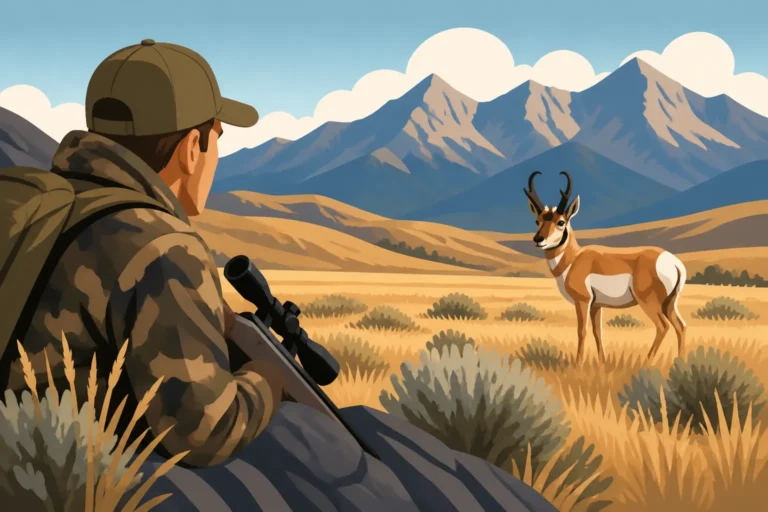
The primary hunting method for both bighorn sheep and mountain goats is spot and stalk. Given their preference for open, steep terrain, still-hunting through timber is generally ineffective. Instead, you'll position yourself on a high vantage point, often miles away from your target, and spend exhaustive hours glassing. The goal is to locate a legal ram or billy/nanny, assess its size, and then meticulously plan an approach that minimizes your chances of being seen, heard, or smelled.
A successful stalk in vertical terrain requires a careful analysis of thermals and prevailing winds, which can be fickle in the mountains. You'll need to use every available piece of cover—boulders, ridges, sparse timber, or draws—to break up your silhouette. The stalk itself can be physically demanding and technically challenging, often involving navigating cliffs, talus slopes, and exposure. Patience is paramount; a stalk might take half a day or more, and there will be times you have to backtrack or wait for the animals to move into a more favorable position. Once within shooting range, often 200-400 yards, a steady rest is crucial. The thin air, swirling winds, and steep angles can all impact bullet trajectory, so practice shooting in varied conditions and at known distances.
Field Judging and Shot Placement
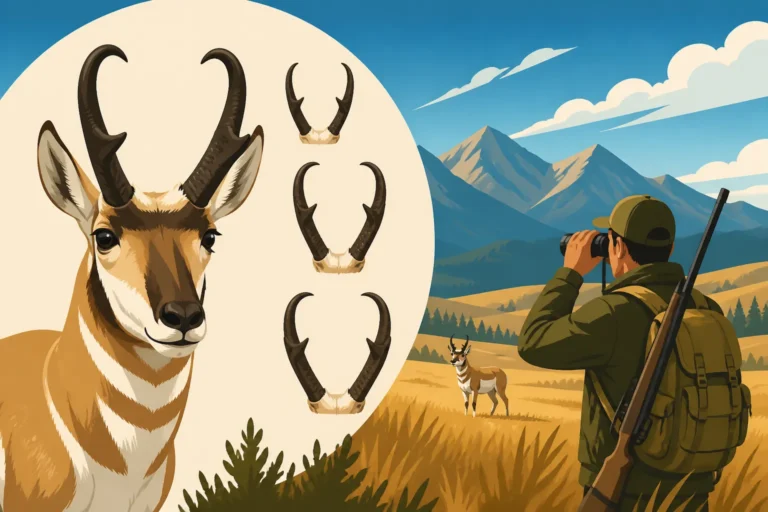
For such a rare tag, responsible field judging is critical. For bighorn sheep, legality typically dictates a "full curl" ram, meaning the horn tip must extend past the eye when viewed from the side, or an "age class" ram based on criteria like horn mass or broomed tips. For mountain goats, distinguishing between a billy (male) and a nanny (female) can be challenging, especially at a distance. Billies often have thicker horns at the base and a more pronounced backward curve, while nannies tend to have thinner, straighter horns. Some districts may have specific regulations for billies only, making accurate field judging even more important. Take your time, use your spotting scope, and consult your hunting partners if possible. You only get one shot at this.
When it comes to shot placement, precision is everything. Given the remote, rugged terrain and the resilience of these animals, a clean, ethical kill is paramount. Aim for the vitals (lungs and heart), understanding that bone structure and angles can differ slightly from broadside deer. If possible, wait for the animal to be broadside or quartering away, offering a clear shot at the vital organs. Follow through on your shot, and be prepared for a follow-up if necessary. Never take a risky shot that could result in a wounded animal in terrain where recovery would be impossible.
Pack-Out Challenges and Meat Care
Successfully harvesting a sheep or goat is only half the battle. The pack-out can be the most grueling part of the entire experience. These animals are often taken in extremely remote, steep, and inaccessible locations. Getting the meat, cape, and horns off the mountain safely requires immense effort, proper equipment, and careful planning. You might be carrying hundreds of pounds of bone, meat, and hide over incredibly difficult terrain, often in worsening weather conditions.
Proper meat care begins immediately after the animal is down. Quickly field dress and quarter the animal to allow the meat to cool. For bighorns, the skull with horns is a significant weight, requiring careful handling. For goats, caping out for a shoulder mount is common. Use game bags to protect the meat from dirt and flies. If hunting solo, consider how you will divide the load into multiple trips or utilize a strong partner if possible. Navigation back to your camp or vehicle with a heavy load will be slow and arduous. Ensuring you have adequate How to Pack Out an Elk in Montana knowledge, adaptable to sheep and goats, will be invaluable. This is where your physical conditioning truly pays off.
Conservation and Responsible Hunting
Hunting bighorn sheep and mountain goats in Montana is not just a privilege; it's a responsibility. These populations are precious, often fragile, and exist in habitats that are increasingly facing pressures from human development and climate change. Hunters play a vital role in their conservation through license fees, advocacy, and ethical practices.
Population Management and Research
Montana Fish, Wildlife & Parks (FWP) diligently manages bighorn sheep and mountain goat populations through scientific research, habitat improvement projects, and carefully controlled hunting seasons. Tag quotas are set annually based on population surveys, health assessments, and harvest data to ensure that hunting remains sustainable and doesn't negatively impact herd numbers. For example, if a specific district's sheep population declines or faces disease outbreaks, FWP might reduce or eliminate tags for that year to allow the herd to recover.
Hunters contribute significantly to this management through their license dollars, which fund wildlife research, habitat acquisition, and disease monitoring. Furthermore, successful hunters are often required to bring their harvested animals to an FWP check station for biological data collection. This provides invaluable information on age, health, and genetics, which informs future management decisions. This cooperative effort between hunters and wildlife agencies is a cornerstone of the North American model of wildlife conservation. Staying informed about the Montana Big Game Species Guide and FWP updates helps hunters understand their role in this larger picture.
Minimizing Impact and Respecting the Resource
The pristine nature of high-country habitats makes it even more crucial for hunters to practice Leave No Trace principles. Every action, from your travel to your camp, should aim to minimize your impact on these delicate ecosystems. This includes packing out all trash, human waste, and any food scraps. Avoid building unnecessary fires, and if you must, use established fire rings where allowed or practice minimum impact fire techniques.
When stalking or recovering an animal, be mindful of disturbing other wildlife or damaging sensitive alpine vegetation. Cross streams and meadows carefully, and avoid creating new trails. The goal is for your presence to be as temporary and imperceptible as possible. Respecting private property boundaries and adhering to all game laws are non-negotiable. This goes beyond the legal requirements; it's about demonstrating stewardship for the land and its wildlife, ensuring that future generations have the opportunity to pursue these magnificent creatures in their wild homes. Your Montana Backcountry Hunting Guide should emphasize these ethical considerations, reinforcing that the hunt is about far more than just the harvest.
Disclaimer
Hunting is an inherently dangerous activity. This guide provides general information and recommendations. Always consult the most current Montana Fish, Wildlife & Parks regulations and laws before planning any hunting trip. Safety should be your top priority, and proper training, preparation, and equipment are essential. The author and publisher are not responsible for any accidents, injuries, or legal issues that may arise from hunting activities.