Montana Elk Herd Size and Population
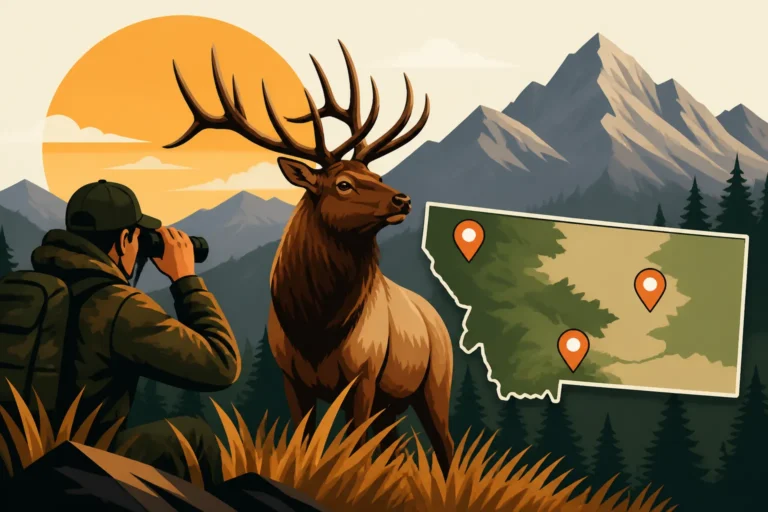
Hunting for elk in Montana can feel like a roll of the dice if you don't understand the underlying dynamics of their populations. Many hunters arrive with high hopes, only to be frustrated by unpredictable herds or districts that just aren't producing like they used to. This comprehensive guide will pull back the curtain on Montana's elk herd sizes and population trends, helping you grasp how the state manages these majestic animals and what that means for your hunting prospects.
Understanding Montana's Elk Management Framework
Successfully hunting elk in Montana isn't just about sharp shooting or perfect calling; it's deeply tied to understanding how the state manages its wildlife. Montana Fish, Wildlife & Parks (FWP) plays a monumental role in monitoring and regulating elk populations, ensuring healthy herds for both ecological balance and hunting opportunities. Ignoring this framework is like trying to navigate a dense forest without a compass – you might stumble into something, but it’s unlikely to be efficient or consistent.
The Role of Montana Fish, Wildlife & Parks FWP
Montana Fish, Wildlife & Parks, often just called FWP, is the primary agency responsible for the conservation and management of all wildlife resources within the state, and elk are a huge part of that mission. Their work encompasses everything from habitat protection and restoration to population monitoring, disease surveillance, and setting hunting regulations. This isn't a small task; Montana is a vast state with diverse landscapes, and elk populations can vary wildly from one mountain range to another. FWP biologists spend countless hours in the field, conducting aerial surveys, ground counts, and tracking studies to gather the critical data needed to make informed management decisions.
Their overarching goal is to maintain sustainable elk populations that align with public expectations and habitat capacity. This means balancing the desires of hunters for robust opportunities with the need to prevent overgrazing, minimize conflicts with agricultural producers, and ensure the long-term health of the ecosystem. Understanding FWP's role is crucial for any hunter, as their decisions directly influence where and how you can hunt. For a broader view, it’s worth exploring the Montana Elk Hunting Guide which delves into various aspects of pursuing these animals across the state.
Herd Management Objectives HMOs
At the heart of FWP's elk management strategy are what they call Herd Management Objectives, or HMOs. These aren't just arbitrary numbers; they are specific population targets established for each of Montana's numerous hunting districts. These objectives are developed through extensive public input, scientific research, and consideration of habitat capacity, landowner tolerance, and hunter demand. For example, an HMO might specify a desired post-hunt population range for antlerless elk in a particular district, or a bull-to-cow ratio target.
When FWP evaluates a hunting district, they're looking to see if the actual elk population is meeting, exceeding, or falling short of its HMO. If a district is consistently over its objective, FWP might increase harvest opportunities for antlerless elk, often through special permits or longer seasons, to bring the numbers back into balance. Conversely, if a population is below objective, they might reduce antlerless harvest or even implement more restrictive bull hunting regulations to allow the herd to grow. These objectives are not static; they are reviewed and adjusted periodically to adapt to changing conditions and new data. Knowing how these objectives are set and what they entail can give you a significant advantage in understanding the availability of tags and the overall health of a local elk population.
Data Collection Methods
How exactly does FWP know how many elk are out there? It's a complex process involving a mix of traditional and modern data collection techniques. Aerial surveys, typically conducted from helicopters or fixed-wing aircraft during late winter when snow cover makes elk more visible, are a cornerstone. Biologists count animals in specific survey units, looking for herd composition (bulls, cows, calves) to gauge reproductive success and sex ratios. These surveys are often augmented by ground counts in areas where aerial access is difficult or data needs more granularity.
Beyond direct counts, FWP utilizes hunter harvest data, collected through mandatory reporting systems, to estimate total take and hunter success rates. This information, combined with aging elk jaws collected from harvested animals, provides insights into herd age structure and overall health. Furthermore, they monitor collared animals, which can give crucial data on migration patterns, survival rates, and habitat use. Private consultants and university researchers also contribute to this data through specific studies. This continuous influx of data allows FWP to create detailed Montana Hunt Planner Maps Explained and make informed adjustments to hunting regulations each year, ensuring that their management decisions are as data-driven as possible.
Montana's Elk Population Trends and Factors
Montana's elk populations have a fascinating history, marked by dramatic declines and impressive recoveries, all influenced by a complex web of environmental and human factors. Understanding these trends is key to appreciating the current state of elk hunting in the Big Sky Country. It’s not just about a single number; it's about the narrative behind the numbers.
Historical Context and Recovery
Before European settlement, elk roamed widely across Montana's vast landscapes, their numbers only limited by natural factors like harsh winters, disease, and predation. However, by the late 19th and early 20th centuries, uncontrolled market hunting, habitat destruction, and westward expansion led to a catastrophic decline. Elk were nearly extirpated from many areas, with only isolated pockets surviving in the most remote mountain ranges. It was a bleak time for wildlife in general across the West.
Thankfully, dedicated conservation efforts, starting in the early 20th century, turned the tide. The establishment of national forests and parks, stricter hunting regulations, the enforcement of bag limits, and reintroduction programs gradually helped elk populations rebound. Land acquisitions and habitat improvements further aided their recovery. Today, Montana boasts a robust elk population, estimated to be well over 100,000 animals statewide, a testament to decades of hard work and sound wildlife management. This recovery story is a source of pride for conservationists and hunters alike, highlighting the importance of ongoing efforts to protect these iconic animals.
Factors Influencing Population Growth and Decline
Elk populations are dynamic, constantly fluctuating in response to various environmental and anthropogenic pressures. On the growth side, ample high-quality forage, mild winters, and effective herd management that allows for reproductive success contribute to increasing numbers. When cows are healthy, they produce more calves, and those calves have a better chance of surviving their first critical year. Reduced predation pressure in some areas can also allow populations to grow unchecked if not managed through hunting.
Conversely, several factors can lead to population declines. Severe winters, especially those with deep snow and prolonged cold, can cause significant mortality, particularly among calves and older animals. Habitat degradation or fragmentation due to development, logging, or wildfires can reduce available food and cover. Disease outbreaks, like chronic wasting disease (CWD) or brucellosis, pose a constant threat and can devastate local herds. Predation from wolves and mountain lions also plays a role, especially in certain areas where predator populations are high and elk herds are vulnerable. FWP continuously monitors these factors to predict trends and adjust management strategies accordingly, often making changes to the Montana Hunting Seasons Explained to account for current conditions.
Impact of Weather and Habitat
Weather patterns are arguably one of the most significant natural drivers of elk population dynamics. A series of mild winters, for instance, often leads to high calf survival rates and robust herd growth, while a harsh winter can wipe out years of gains. Deep snow limits access to forage, increasing stress and susceptibility to disease and predation. Droughts, on the other hand, reduce the quality and quantity of forage available, which can impact reproductive success and overall herd health in the following years.
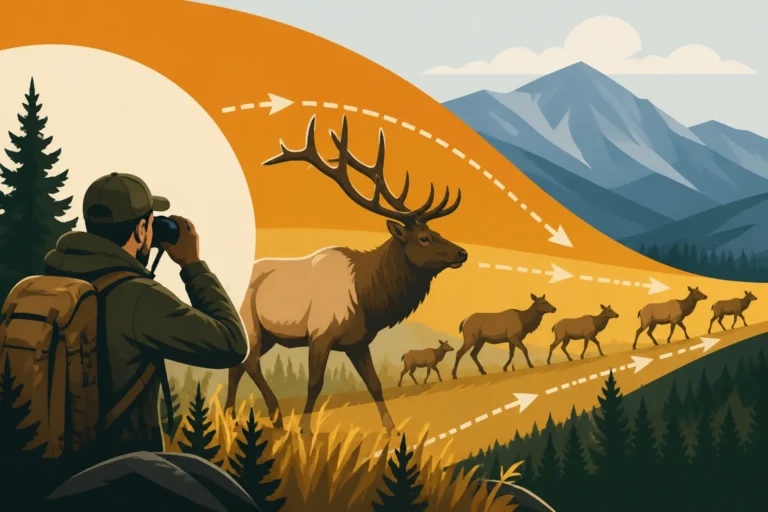
Habitat quality and availability are equally critical. Elk need a mosaic of different habitats, including open foraging areas, dense timber for cover, and reliable water sources. As human development expands, prime elk habitat can be fragmented or lost entirely, forcing elk into less ideal areas or increasing their interactions with humans and livestock. Habitat improvement projects, such as prescribed burns to rejuvenate forage or the protection of crucial winter range, are vital for sustaining healthy elk populations. The better the habitat, the more elk it can support, and the healthier those elk will be. Understanding Montana Elk Migration Patterns can also reveal how elk utilize different habitats throughout the year, further highlighting the importance of diverse landscapes.
Regional Breakdown of Elk Herds in Montana
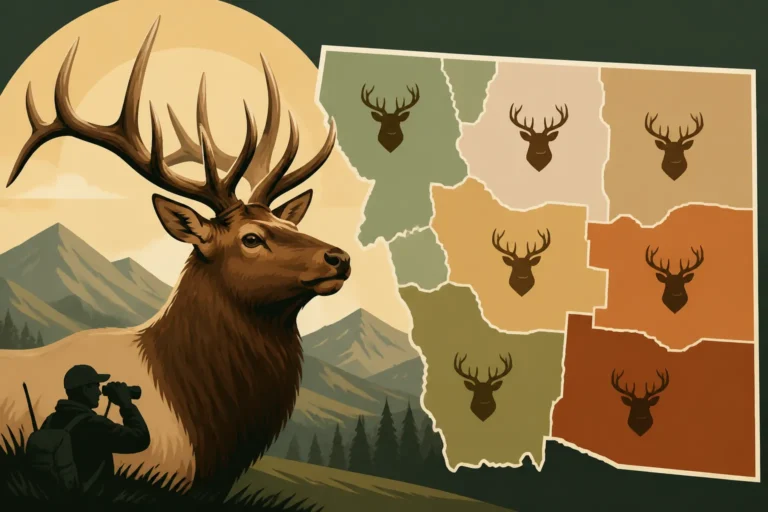
Montana is a big state, and generalizations about elk populations can be misleading. What holds true for the dense timber of western Montana might be entirely different from the expansive plains of the east. FWP divides the state into seven administrative regions, each with its own unique characteristics, challenges, and elk management strategies. Let's take a closer look at the general trends and characteristics of elk herds across these distinct geographical areas.
Western Montana Regions 1 & 2
Regions 1 (Northwest Montana, including Kalispell and Libby) and 2 (Southwest Montana, including Missoula and Butte) are characterized by vast stretches of national forests, rugged mountains, and dense timber. These regions are often what people envision when they think of elk hunting in Montana. Elk populations here are generally robust, though often more scattered and harder to hunt due to the thick cover and challenging terrain. Historically, these areas have served as strongholds for elk, offering extensive public land access.
However, hunting in these regions requires dedication and physical prowess. Elk can be found from valley bottoms to high alpine basins, often retreating into dark timber during hunting season pressure. While trophy potential is certainly present, hunters often focus on finding animals in the wilderness areas or utilizing tactics like still-hunting through timber. Access can be a challenge, with many prime areas requiring significant hiking or even packing in on horseback. For those interested in this rugged style of hunting, resources like the Montana Backcountry Hunting Guide and How to Hunt Elk in Montana's Wilderness are invaluable. Despite the challenges, the solitude and raw beauty of hunting in western Montana are unmatched, and many of the best districts for elk hunting are found here, though they often require significant effort.
Central Montana Regions 3 & 4
Regions 3 (South Central Montana, including Bozeman and Livingston) and 4 (North Central Montana, including Great Falls and Helena) represent a mix of towering mountain ranges, rolling foothills, and expansive agricultural lands. These regions boast some of Montana's highest elk populations and offer a wide variety of hunting experiences, from high-country wilderness to more accessible foothill units. Region 3, in particular, is renowned for its high elk numbers and often presents significant landowner conflict challenges due to elk depredation on private agricultural lands.
Many districts in Central Montana have elk populations well over FWP objectives, leading to more liberal hunting opportunities, especially for antlerless elk. Hunters here might find success in timbered mountains, on isolated private land parcels (with permission), or on Block Management Areas. The hunting pressure can be intense, especially during the general rifle season, so understanding how to navigate crowded areas is crucial. For non-residents, drawing a quality tag in Region 3 can be highly competitive, but the potential rewards are substantial. These regions exemplify the common debate between public land access, private land management, and population control. The Best Districts for Elk Hunting in Montana often include some of these high-population central districts.
Eastern Montana Regions 5, 6 & 7
Regions 5 (South East Montana, including Billings and Miles City), 6 (Northeast Montana, including Glasgow and Havre), and 7 (Southeast Central Montana, including Forsyth and Broadus) are characterized by vast plains, badlands, and river breaks. While traditionally associated more with deer and antelope, these regions also hold significant elk populations, particularly in the breaks and river drainages. Elk here are often found in much lower densities than in the mountains but can be more concentrated in specific habitats, making them a unique challenge.
Elk in Eastern Montana tend to inhabit river bottomlands, isolated timber pockets, and breaks country, often relying on private agricultural lands for forage. Access can be a primary concern, as a large portion of these regions is privately owned. However, opportunities exist on Block Management Areas and scattered public lands (Bureau of Land Management, State Trust Lands). Hunting success often hinges on securing private land access or meticulously scouting public parcels. The hunting can be very different from the mountains, often involving more glassing and long-range shots. While not typically known for high trophy potential for elk compared to some mountain districts, these regions offer a distinct hunting experience for those willing to put in the effort to find the animals.
Challenges and Conservation Efforts for Montana Elk
Managing a robust elk population in a state as diverse as Montana comes with its fair share of hurdles. From the persistent threat of disease to the ever-present pressure of human development, FWP and conservation organizations work tirelessly to address these issues. Understanding these challenges sheds light on why regulations change and why certain areas might see population fluctuations.
Disease and Predation
Elk herds face continuous threats from diseases and natural predators. Chronic Wasting Disease (CWD) is a significant concern, slowly spreading across the state and posing a long-term risk to elk populations. FWP implements extensive surveillance and testing programs to monitor CWD prevalence and inform management decisions, including targeted harvests in affected areas to try and control its spread. Brucellosis, another bacterial disease that can cause abortions in elk, is endemic in some parts of Montana, particularly in the Greater Yellowstone Ecosystem, and poses a transmission risk to cattle. Managing these diseases requires careful monitoring, research, and sometimes difficult management actions to protect both wildlife and livestock.
Predation by wolves, mountain lions, and bears also impacts elk populations, especially calves. In areas with high predator densities, recruitment rates (the number of young animals that survive to breeding age) can be suppressed. FWP manages predator populations through regulated hunting and trapping seasons, aiming to maintain a balance that supports healthy prey populations while acknowledging the ecological role of predators. The dynamic interplay between predator and prey populations is complex, and management decisions are often met with spirited public debate.
Habitat Loss and Fragmentation
As Montana grows, so does the pressure on wildlife habitat. Urban and rural development, energy exploration, road construction, and agricultural expansion all contribute to the loss and fragmentation of critical elk habitat. Winter range, in particular, is often located in valleys and foothills, which are also prime areas for human settlement. When elk lose access to these vital wintering grounds, their survival rates can drop significantly, especially during harsh winters.
Habitat fragmentation isolates elk populations, limiting genetic exchange and making them more vulnerable to localized threats. It also increases conflicts with humans, as elk are forced into developed areas or onto agricultural lands, leading to depredation issues. Conservation efforts focus on protecting existing key habitats through land acquisitions, conservation easements, and working with private landowners. Organizations like the Rocky Mountain Elk Foundation (RMEF) play a crucial role in securing and enhancing elk habitat across the state, ensuring that there are places for elk to thrive now and in the future. Their work often involves partnerships with FWP and private landowners to create corridors and improve forage.
Current Conservation Initiatives
Montana is proactive in its approach to elk conservation, implementing various initiatives to ensure the long-term health of its herds. Beyond disease monitoring and habitat protection, FWP engages in public education campaigns to raise awareness about CWD and ethical hunting practices. They also work on habitat improvement projects, such as prescribed burns, noxious weed control, and forest thinning, to enhance forage quality and cover for elk.
Additionally, programs like Montana's Block Management Areas (BMAs) are vital for connecting hunters with private lands, effectively expanding hunting access and providing a valuable tool for FWP to manage elk populations on private property. Collaboration with landowners is a cornerstone of effective elk management, recognizing that a significant portion of elk habitat is on private land. These initiatives represent a multi-faceted approach, combining scientific management with community engagement and partnerships to safeguard Montana's cherished elk herds.
How Population Data Impacts Hunters
For the dedicated hunter, understanding elk herd size and population trends isn't just academic; it directly influences success rates, tag availability, and overall hunting strategy. Ignoring this data is a missed opportunity, potentially leading to wasted time and effort in areas that aren't living up to expectations. Leveraging resources and understanding FWP's decisions can make all the difference.
Understanding Draw Odds and Tag Quotas
The most direct impact of elk population data on hunters is seen in draw odds and tag quotas. In districts where elk populations are strong and above FWP objectives, there may be more general tags available, or a higher number of antlerless B licenses offered. This increases the chances for both resident and non-resident hunters to draw a tag. Conversely, in districts where populations are struggling or below objective, FWP will often reduce tag quotas, making permits much harder to draw. This is where the concept of Montana General vs Permit Tags Explained becomes critically important. Some districts allow general elk tags, while others require drawing a specific limited-entry permit.
Non-residents, in particular, need to pay close attention to these numbers. The Montana Nonresident License Draw Explained is already competitive, and understanding which districts have more liberal quotas can help strategize applications. Tools and resources like GoHunt become invaluable here, providing detailed draw odds and historical data that can help you make informed decisions about where to apply your points and choose your hunting districts. A little homework using this data can drastically improve your chances of getting a tag in a productive area.
Season Structure and Opportunities
Elk population data also dictates the structure of Montana's hunting seasons. When FWP needs to increase harvest to manage an over-objective population, they might extend general seasons, implement antlerless shoulder seasons, or offer more "B" licenses (antlerless tags) that can be hunted alongside a general tag. These more liberal seasons provide additional opportunities for hunters, particularly those focused on meat harvesting or simply wanting to experience a Montana elk hunt.
Conversely, if a population is struggling, FWP might shorten seasons, restrict harvest to bulls only, or even close certain districts to hunting entirely. This happened in some areas after particularly severe winters to allow herds to recover. For example, some districts might have an Montana Elk Shoulder Season Explained to target elk that have moved onto agricultural land outside the traditional hunting season dates. These decisions are always made with the long-term health of the herd in mind. Paying attention to proposed season changes each year can give you a heads-up on where hunting opportunities might be expanding or contracting.
Utilizing Resources like GoHunt for Planning
In today's hunting world, information is power, and knowing how to access and interpret elk population data is a huge advantage. Resources like GoHunt provide incredibly detailed insights into FWP statistics, draw odds, and hunting unit breakdowns. They aggregate years of FWP data, presenting it in an easily digestible format that allows hunters to compare districts, analyze success rates, and forecast their chances of drawing a tag. This is particularly useful for navigating the complexities of Montana Elk Draw Odds by District.
Before you even apply for a license, spending time with GoHunt's data can help you strategize your application, understand point requirements, and identify hidden gem units. It's not just about drawing a tag, but drawing a tag in a unit that aligns with your hunting style and expectations for elk numbers. Combine this with public land mapping tools like onX Hunt, and you have a powerful arsenal for planning your next Montana elk adventure. These resources empower hunters to make data-driven decisions, transforming what used to be guesswork into a calculated strategy for success. For a comprehensive overview of how to plan your hunt, consider reading up on a Montana Public Land Hunting Strategy.
Disclaimer
Please remember that hunting regulations and elk populations are dynamic. The information provided in this guide is for general informational purposes only and should not replace official Montana Fish, Wildlife & Parks (FWP) regulations. Always consult the most current FWP hunting regulations and district-specific information before planning any hunt. Conditions can change rapidly due to weather, disease, and management decisions.