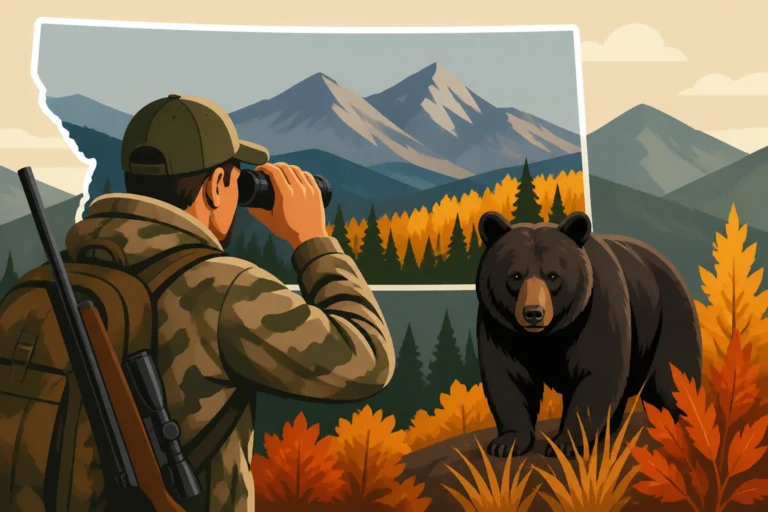
Montana Black Bear Season Dates and Tags
For many hunters, the prospect of chasing black bears in Montana can be incredibly exciting, but the sheer volume of regulations, differing season dates between spring and fall, and the specifics of obtaining the correct tag can feel like navigating a dense thicket without a compass. This comprehensive guide is designed to untangle the complexities of Montana's black bear season dates and tagging requirements, helping you confidently plan your next hunt for these adaptable omnivores.
Montana's Black Bear Hunting Seasons: A Tale of Two Opportunities
Montana offers distinct black bear hunting seasons in both spring and fall, each presenting unique challenges and opportunities based on bear behavior, forage availability, and weather patterns. Understanding these differences is paramount to planning a successful hunt.
Spring Bear Opportunities and Dates
The spring black bear season is a highly anticipated time for many hunters. Bears are emerging from hibernation, often hungry and focused on finding early green-up and carrion in lower elevations and south-facing slopes. This period typically runs from mid-April through May, sometimes extending into early June in certain units, particularly in western Montana's more mountainous regions. The specific start and end dates can vary significantly by hunting district (HD) and management unit, so always consult the latest Montana Fish, Wildlife & Parks (FWP) regulations for your chosen area. For instance, some areas in Region 1 or Region 2 might open earlier or close later than those in the central or eastern parts of the state.
During the spring, hunters often find bears actively foraging, which can make them more visible. This is also when sows with cubs are out, and it's critical to correctly identify your target to avoid harvesting a sow with dependent young. The scenery is often breathtaking, with snow still clinging to higher peaks while valleys burst with new life. Hunters can combine a spring bear hunt with shed hunting or scouting for other big game, making for a multi-faceted backcountry experience.
Fall Bear Dynamics and Season Structures
The fall black bear season typically coincides with archery and general rifle seasons for deer and elk, running from early September through late November or even early December in some units. Again, the exact dates are highly variable by HD, with some units having much longer or shorter seasons depending on local bear populations and management objectives. Fall bears are often focused on building up fat reserves for winter hibernation, seeking out berries, nuts, and other mast crops. This can lead them to different habitats than in spring, often in more dense timber or brushy areas where food sources are plentiful.
Hunting fall bears can be more challenging due to the abundance of cover and their less predictable movements compared to their spring counterparts. However, success can be high if you find areas with good food sources. Many hunters find that combining a fall bear tag with an elk or deer tag makes good sense, as you're already in the field. Imagine glassing for elk and spotting a cinnamon-phase black bear feeding on huckleberries—a true bonus! Remember to check the FWP regulations closely, as some districts might have specific opening or closing dates that don't perfectly align with other big game seasons. For detailed information on specific season timelines, refer to the official Montana Black Bear Season Dates and Tags information.
Navigating Montana Black Bear Tag Requirements
Getting your hands on a Montana black bear tag isn't as complex as some of the state's limited-entry draws, but there are still important distinctions and steps to follow, especially for non-residents.
Obtaining Your Black Bear License
For most hunting districts in Montana, black bear licenses are available over-the-counter (OTC) for both residents and non-residents. This means you don't typically have to go through a draw process, which is a huge relief for many who are tired of point systems and low odds for other species. However, there's a crucial caveat: these tags are subject to statewide and sometimes regional quotas. Once the quota for a specific region or sex is met, that season or specific tag type closes immediately.
To purchase a black bear license, you'll first need to acquire a base hunting license, which also requires an Alien Invasive Species (AIS) Prevention Pass. Non-residents will likely opt for a non-resident base hunting license, which is a prerequisite for any big game tag. You can purchase these online through the FWP licensing portal or from an FWP license provider. It’s always best to purchase your black bear license well in advance, especially for the spring season, as quotas can sometimes be met quicker than anticipated in popular areas. To understand the broader context of licensing, you might find value in exploring the Montana Hunting Seasons Explained.
Understanding Special Permits and Quotas
While most black bear tags are OTC, certain specific hunting districts or management units might have limited-entry permits for black bears. These are typically in areas with unique management concerns or very high demand. If a permit is required, you would need to apply through a separate draw process, often with specific application deadlines that are much earlier than the start of the season. Always verify if your chosen hunting district requires a special permit. Tools like GoHunt can be invaluable here, as they often compile draw odds and permit information, making it easier to research potential units beyond just general OTC tags.
Beyond limited-entry permits, the primary 'special permit' aspect for black bears revolves around harvest quotas. Montana FWP manages black bear populations by setting regional quotas for males and females (often referred to as male and female "sex-specific" quotas) for both spring and fall seasons. For example, a region might have a total quota of 100 bears, with a sub-quota of 30 female bears. Once that 30-female quota is met, the season for female bears might close immediately, while the male bear season continues until its quota or the general season end date is reached. Hunters are responsible for checking the FWP website or calling regional offices for daily updates on quota closures. This is a critical responsibility, as mistakenly harvesting a bear after a quota closure can result in severe penalties.
It’s not just about getting the tag; it’s about understanding the specific rules and quotas for the area you plan to hunt. This is where meticulous pre-hunt research really pays off. For more on how tags work, read up on Montana General vs Permit Tags Explained.
Key Application Deadlines and Planning Your Hunt
While black bear licenses are largely OTC, there are still critical timelines to be aware of, especially if you're a non-resident or planning for a permit-only area. Diligent planning is key to ensuring you have the right tags when the season opens.
Important Dates to Mark on Your Calendar
Even for OTC black bear tags, there are a few dates that should be on every hunter's radar.
- Mid-January to Mid-March (Approximate): This is typically when Montana's FWP license year opens. If you're a non-resident, this is the time to start purchasing your base hunting license and any combination licenses that you might need as a prerequisite for a black bear tag. While the bear tag itself might be available later, getting your foundational licenses in place is crucial.
- April 15 (Approximate): This is a common start date for many spring black bear seasons across the state, though it can vary. Be ready to buy your tag and hit the woods shortly after.
- Early September (Approximate): This marks the typical start of fall black bear seasons, often coinciding with general archery seasons for deer and elk.
- Variable Throughout Seasons: The most important "deadline" isn't a fixed date but rather the dynamic quota closures. You absolutely must stay informed on regional harvest quotas and closure notices, especially for female bears. FWP provides online resources and regional hotlines for these updates.
For anyone considering other species, it’s also important to note the Montana Big Game Draw Deadlines for other species, as these often occur much earlier in the year.
Leveraging Tools for Hunt Planning
Planning a Montana black bear hunt, whether it's for spring or fall, benefits immensely from modern digital tools. These resources can help you pinpoint promising hunting districts, understand regulations, and stay current on quota information.
- FWP Website: The official source for all regulations, season dates, hunt codes, and real-time quota updates. Bookmark the FWP website and check it frequently as your hunt approaches.
- Mapping Applications: Platforms like onX Hunt, BaseMap, or Gaia GPS are indispensable. They allow you to study public land boundaries, access points, terrain features, recent burn areas, and potential feeding zones. You can mark waypoints for glassing knobs, water sources, or areas with good berry production. This is especially helpful when trying to identify productive areas in vast national forests or Bureau of Land Management (BLM) lands. Many hunters use GoHunt's advanced filtering to identify specific units based on various criteria, which can then be cross-referenced with these mapping tools. Understanding how to use these tools effectively is key, and our guide on How to E-Scout Montana Hunting Units can provide more in-depth tips.
- Online Forums and Communities: Hunter forums specific to Montana can offer current intel, although always take anecdotal information with a grain of salt and cross-reference with official FWP data. They can be a good place to ask general questions or learn about specific district characteristics.
- Weather and Solunar Forecasts: Pay attention to long-range and short-range weather forecasts. Cold fronts, rain, or snow can influence bear movement significantly. Solunar tables, while not definitive, can provide insights into peak animal activity times.
By diligently marking these dates and utilizing these planning tools, you'll be much better prepared for the season. Before settling on a unit, cross-reference FWP data with resources like GoHunt and your mapping apps to build a solid hunt plan.
Strategic Considerations for a Successful Montana Black Bear Hunt
Beyond the tags and dates, a successful black bear hunt in Montana hinges on understanding bear behavior, their habitat preferences, and employing effective hunting tactics for both spring and fall seasons.
Habitat and Timing Insights for Black Bears
Montana's diverse landscape means black bear habitat varies greatly from the dense, coniferous forests of western Montana to the timbered breaks and river bottoms of the central and eastern regions.
- Spring Habitat: In spring, focus on south-facing slopes, lower elevations, and areas with early green-up. Bears are often found near recent avalanche chutes, logging clearcuts, or natural openings where sunlight encourages new vegetation growth. They'll also frequent areas with winter-killed animals. Look for signs like scat, rubbed trees, and overturned rocks. These bears are hungry and predictable in their pursuit of food. Access to water is also a key factor.
- Fall Habitat: During the fall, bears shift their focus to calorie-rich foods like berries (huckleberries, serviceberries, chokecherries), acorns, and other hard mast crops. These resources are typically found in denser timber or brushy creek bottoms. Bears may move to higher elevations if those areas offer abundant food sources, or stay lower if the mast crop is good there. Hunting in areas with plentiful berry bushes, especially after a good rain, can be highly productive. Consider reviewing Montana Black Bear Behavior for more insights into their seasonal movements.
Timing your hunt within the season is also critical. Early spring typically means bears are lower and more concentrated, but can be susceptible to late-season snow. Late spring, as vegetation greens up more broadly, can spread bears out. In the fall, the timing of the berry and mast crop is paramount. A warm, dry fall might mean bears are still higher up or in specific drainages longer than a cold, wet fall that pushes them to seek lower, more protected areas earlier.
Ethical Hunting Practices for Black Bears
Ethical hunting is at the core of Montana's hunting tradition, and it's especially important when pursuing black bears.
- Bear Identification: It is absolutely crucial to accurately identify your bear. Montana FWP regulations prohibit the harvest of grizzly bears, which coexist with black bears in many parts of the state. Grizzlies are a protected species under the Endangered Species Act. Furthermore, it's illegal to harvest a sow with dependent cubs. Bears can vary widely in color, from black to cinnamon to blonde, so color is not a reliable identification tool. Focus on physical characteristics like shoulder hump (grizzlies have a prominent hump, black bears do not), ear shape and size, facial profile (grizzlies often have a "dished" face, black bears a "roman" profile), and claw length. If there's any doubt, do not shoot.
- Shot Placement: Always strive for a clean, ethical kill. Black bears are tough animals, and good shot placement is essential to ensure a quick harvest and to prevent wounded animals. Familiarize yourself with bear anatomy and practice your shooting skills at various distances.
- Conservation and Reporting: Harvest reporting is mandatory. After harvesting a black bear, you are required to report it to FWP, typically within 48 hours. This reporting is vital for FWP to monitor populations, assess harvest quotas, and make informed management decisions for future seasons. Always ensure you are familiar with the specific reporting requirements for your tag. This data helps maintain healthy bear populations for generations to come, as outlined in the overall Montana Black Bear Hunting Guide.
By prioritizing these ethical practices and understanding bear biology, you're not just hunting; you're participating in responsible wildlife management.
Frequently Asked Questions about Montana Black Bear Hunting
To further clarify some common questions, here's a quick overview of additional considerations for your Montana black bear hunt.
| Question | Answer |
|---|---|
| Are black bear tags part of the draw? | Generally, no. Most black bear tags in Montana are available over-the-counter (OTC) for both residents and non-residents. However, specific limited-entry permits may exist for certain hunting districts, requiring an application. |
| How much does a black bear tag cost? | The cost varies for residents and non-residents. Non-residents typically pay significantly more, and must also purchase a base hunting license. Prices change, so check the current FWP fee schedule. |
| Can I hunt black bears and other big game at the same time? | Yes, in many cases, especially during the fall season when bear season overlaps with deer and elk seasons. Just ensure you have the appropriate licenses for each species and are adhering to all regulations. |
| Do I need to check in my bear? | Yes, harvest reporting is mandatory. You must report your harvested bear to FWP, typically within 48 hours. Some regions may also require skull and hide inspection. |
| Are baiting or hounds allowed for black bears? | No, both baiting and the use of hounds for black bear hunting are illegal in Montana. Hunters must use fair chase methods. |
| What happens if a quota is met? | The season for that specific quota (e.g., female bears in a certain region) closes immediately. Hunters are responsible for checking FWP updates daily to avoid hunting after a closure. |
Understanding these common questions can help avoid common pitfalls and ensure a more enjoyable and compliant hunting experience. It’s always best to be over-prepared when it comes to regulations in a state like Montana, which boasts vast and diverse hunting opportunities.
Disclaimer
Please remember that hunting regulations, season dates, and tag requirements can change annually. The information provided in this guide is for general informational purposes only and should not be considered legal advice. Always consult the most current Montana Fish, Wildlife & Parks (FWP) hunting regulations before planning and embarking on any hunting trip in Montana. It is the hunter's responsibility to know and follow all applicable laws and regulations.