Montana Turkey Season and Tags
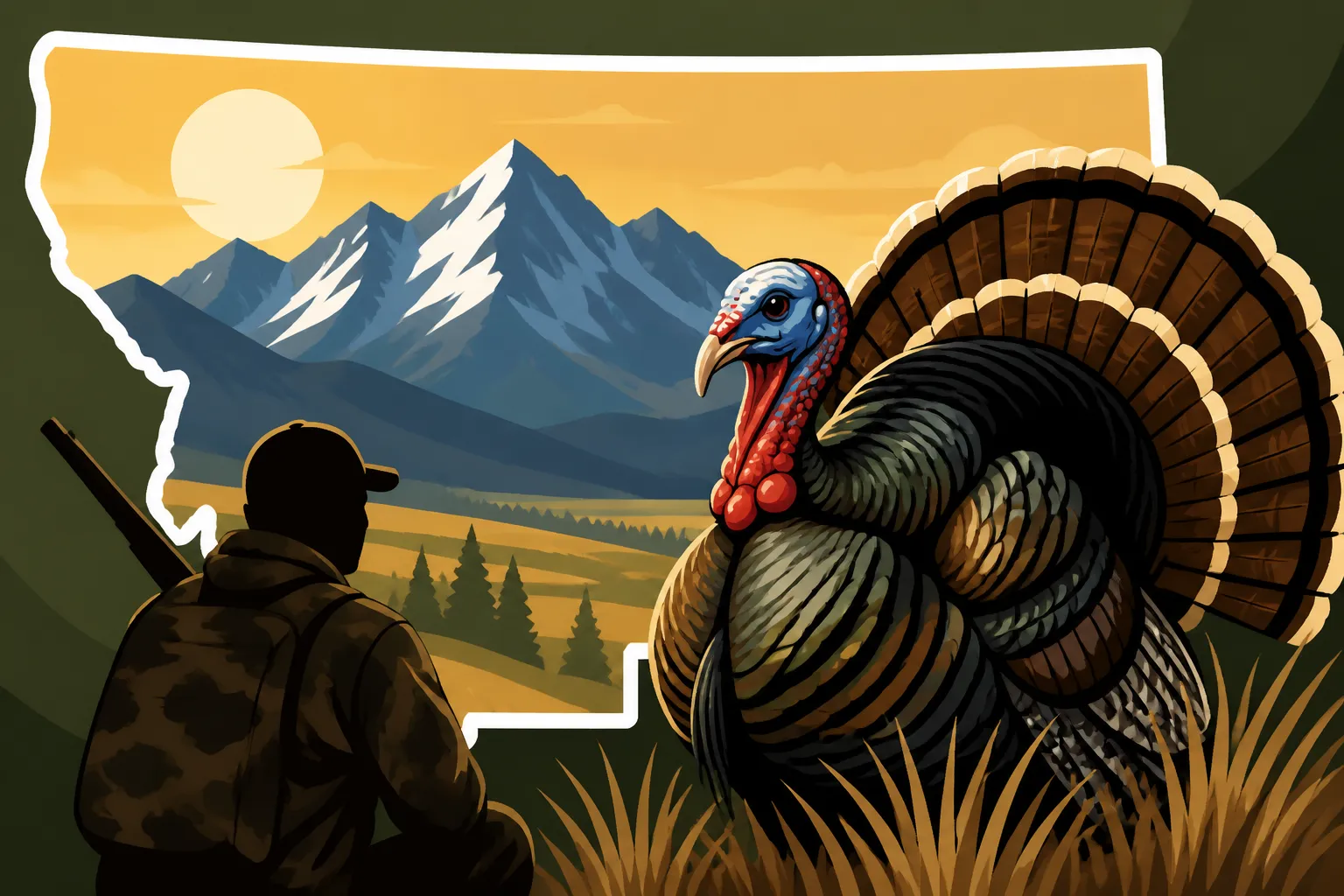
Navigating the regulations for hunting in Montana can feel like trying to untangle a stubborn knot, especially when it comes to species like turkey where season dates and tag requirements can vary by region. Many hunters, both seasoned and new, find themselves scratching their heads, worried about missing critical application windows or misinterpreting the specific rules for their chosen hunting district. This comprehensive guide is here to unravel that complexity, providing a clear roadmap to understanding Montana's turkey season dates, different tag types, the application process, and key regulations, so you can plan your hunt with confidence and focus on chasing those wary birds.
Understanding Montana's Turkey Seasons
Montana offers both spring and fall turkey hunting opportunities, each presenting a unique challenge and experience. The seasons are carefully structured to manage populations and provide ample opportunity for hunters across the state. It's crucial to understand these distinctions to plan your hunt effectively.
Spring Turkey Season Details
There’s nothing quite like the vibrant sounds of a Montana spring, especially when a gobbler's thunderous call echoes through the timber. The spring turkey season is arguably the most popular time to pursue these magnificent birds, primarily focusing on harvesting gobblers or bearded hens. Generally, spring turkey season kicks off around mid-April and runs through late May, though these dates can fluctuate slightly each year, so always check the latest Montana Fish, Wildlife & Parks (FWP) regulations.
During the spring, the focus is almost entirely on breeding behavior. Gobblers are actively strutting, gobbling, and seeking out hens, making them more responsive to calling. This is when hunters often employ various calling tactics, from soft tree yelps at dawn to aggressive cutting and cackling during the day, hoping to entice a dominant tom into range. The primary hunting grounds for spring turkeys in Montana often include the lower elevation river bottoms along the Yellowstone, Missouri, and Milk Rivers, as well as drainages in southeastern Montana and some of the more timbered valleys in the western part of the state. These areas provide the necessary roosting trees, water sources, and open fields for strutting. Remember, while a "gobbler" is typically the target, bearded hens are also legal game in most spring units. This adds a layer of flexibility, but always confirm local district rules before heading out.
Fall Turkey Season Overview
While not as widely pursued as the spring season, Montana's fall turkey season offers a completely different, yet equally rewarding, hunting experience. The fall season typically spans from early September well into January, depending on the specific hunting district. This long season provides a fantastic opportunity to fill the freezer and enjoy the cooler weather and changing landscapes.
Unlike the spring, fall turkey hunting shifts away from the intense calling duels with gobblers. Birds in the fall are often grouped in larger flocks, and their behavior is less about breeding and more about foraging and surviving the coming winter. The classic fall strategy involves locating a flock, attempting to scatter them, and then setting up to call individual birds back together. This can be an incredibly engaging and challenging method, requiring patience and a good understanding of turkey vocalizations. In the fall, both sexes are typically legal game, allowing hunters to target any bird. This makes it a great opportunity for new hunters or those looking to secure some delicious wild turkey meat. Key habitats remain similar to spring, focusing on agricultural fringes, river bottoms, and timbered draws where birds can find food and cover. Regions like the Missouri Breaks can offer excellent fall hunting, with birds congregating in large numbers before the heavy snows hit.
Deciphering Montana Turkey Tags and Licenses
Understanding the various licenses and tags required for turkey hunting in Montana can be a bit confusing, especially for those new to the state's system. It’s not as complex as some of the big game draws, but there are still distinct requirements for residents and non-residents, as well as distinctions between general and permit-only opportunities.
Resident vs. Non-Resident Requirements
Whether you’re a Montana resident or planning an adventure from out of state, the licensing process starts with a foundational set of requirements. All hunters, regardless of residency, must first purchase a Base Hunting License and a Conservation License. These are the gateway to any further hunting opportunities in Montana. The Conservation License helps fund FWP's critical wildlife management and habitat programs across the state.
For residents, once these base licenses are secured, purchasing a General Turkey Tag is usually straightforward and relatively inexpensive. Residents often have more options and lower costs. Non-residents, however, face higher fees and typically a more structured process, though turkey tags are generally more accessible than highly sought-after big game tags like elk or deer combination licenses. Non-residents will pay significantly more for their Base Hunting License and Conservation License, plus the cost of the specific turkey tag. It's important for non-residents to check the FWP website well in advance, as some regulations or quotas can change. While turkey tags aren't usually subject to the same competitive draw as big game, understanding the overall Montana Nonresident License Draw Explained process can provide helpful context.
General Turkey Tags vs. Permit-Only Units
The good news for most turkey hunters in Montana is that the majority of the state is open to hunting with a General Turkey Tag. This means once you have your base licenses, you can simply purchase a turkey tag over-the-counter or online, and you're good to go for most hunting districts. These general tags are available for both spring and fall seasons and allow hunters to pursue turkeys in designated general hunting districts.
However, there can be exceptions. While rare for general turkey hunting, some specific areas, often to manage local populations or provide unique hunting experiences, might require a special permit drawn through a lottery. These are typically called "permit-only units" and will have specific hunt codes. You'll need to pay close attention to the FWP regulations handbook to identify if your desired hunting area falls under a general tag or requires a special draw. For instance, an area might be designated general for fall but have specific rules or a draw for spring. Always consult the FWP regulations for the current year and the specific hunting district you plan to hunt. Understanding Montana Hunting Districts Explained is key to deciphering these regulations.
To illustrate, here's a general breakdown of common turkey tag types:
| Tag Type | Season | Sex Allowed | Availability | Cost (approx.) | Notes |
|---|---|---|---|---|---|
| Resident General | Spring & Fall | Gobbler/Bearded Hen (Spring), Any (Fall) | Over-the-counter/Online | Low | Most common for residents. |
| Non-Resident General | Spring & Fall | Gobbler/Bearded Hen (Spring), Any (Fall) | Over-the-counter/Online | Moderate | Requires Non-Resident Base Hunting License. |
| Special Permit (HD-specific) | Spring & Fall | Specific (check regulations) | Limited Draw/Application | Varies | Rare for general turkey; check FWP for specific units. |
Applying for Montana Turkey Tags
The process for acquiring your Montana turkey tags is generally straightforward, but missing key deadlines or misunderstanding the system can lead to frustration. While most turkey tags are available over-the-counter, being prepared is always the best approach.
The Application Process Step-by-Step
For most Montana turkey hunts, especially for general tags, you won't be "applying" in the traditional sense of a draw application. Instead, you'll be purchasing your licenses and tags directly. The easiest way to do this is through the Montana FWP's online licensing system. This portal is intuitive and allows you to select your base licenses, conservation license, and then add your desired turkey tags.
Here's a simplified step-by-step guide:
- Create or Access Your FWP Account: If you're a new hunter to Montana, you'll need to create an FWP customer account online. Returning hunters can simply log in.
- Purchase Base Licenses: Start by purchasing your Montana Base Hunting License Requirements and a Montana Conservation License Explained. These are mandatory for all hunters.
- Select Turkey Tags: Navigate to the "Purchase Licenses" section and select the appropriate turkey tag(s) for the season you intend to hunt (Spring Turkey, Fall Turkey).
- Review and Pay: Double-check your selections, ensuring you've chosen the correct season and tag types. Proceed to payment.
While this process is typically available year-round for future seasons, it's always smart to complete it a few weeks before your planned hunt. This ensures you have your tags in hand and avoids any last-minute technical glitches. Remember that you can also purchase licenses and tags in person at any FWP office or authorized license provider across the state.
Understanding Draw Odds and Leftover Tags
When it comes to Montana turkey tags, the phrase "draw odds" typically doesn't apply in the same way it does for coveted big game species like elk or moose. Most turkey tags are general, over-the-counter offerings, meaning if you pay the fee, you get the tag. There are no points to build for turkey, and generally, no competitive draw. This makes turkey hunting a much more accessible option for both residents and non-residents who might be daunted by Montana's challenging big game draws.
However, if FWP were to introduce a very specific, limited-entry turkey permit for a unique area (which, again, is uncommon for turkeys), then draw odds would come into play. In such a hypothetical scenario, resources like GoHunt or the FWP website's draw statistics page would be invaluable for researching your chances. You'd typically find information on the number of permits offered, the number of applicants, and the success rate from previous years. For general turkey tags, there are rarely "leftover tags" in the traditional sense, as they are not drawn in the first place. You can simply purchase them at any time until the season closes, or until a theoretical quota is met (which rarely happens for general turkey tags). The main takeaway is to confirm that your desired hunting district is indeed general and doesn't have any special permit requirements by checking the FWP regulations before you go.
Key Regulations and Tips for Your Montana Turkey Hunt
Beyond just getting the right tag, a successful and ethical Montana turkey hunt depends heavily on understanding and adhering to specific regulations, as well as employing smart hunting strategies. The details matter, and a little preparation goes a long way.
Bag Limits and Specific Unit Rules
Montana FWP sets bag limits to manage turkey populations sustainably. For the spring season, the statewide bag limit is typically one gobbler or bearded hen. This means you can harvest one male turkey or one hen with a visible beard during the spring season. In the fall, the bag limit is generally one bird of either sex. However, some specific hunting districts or regions might have slightly different rules, occasionally allowing for two birds in total for the fall season, sometimes requiring a second specific "B" tag.
This is where the phrase "check the regulations" becomes paramount. For instance, in some parts of Region 6 in northeastern Montana, the specific combination of spring and fall opportunities might differ slightly from Region 3 in the southwest. Always consult the current year's Montana FWP Upland Game Bird and Turkey Regulations. These regulations are published annually and available online or at FWP offices. They detail the exact opening and closing dates, legal weapons, and specific bag limits for each hunting district. Ignoring these specifics can lead to violations, which no one wants.
Essential Gear and Hunting Strategies
Successful turkey hunting in Montana, whether in the spring or fall, demands the right gear and a thoughtful approach. The vast landscapes and varied terrain mean you need to be prepared for anything.
For spring turkey hunting, calling is absolutely critical. You'll want a versatile array of calls:
- Mouth calls (diaphragm calls): Allow hands-free operation, great for when a bird is close.
- Pot calls (slate or glass): Excellent for consistent yelps, clucks, and purrs.
- Box calls: Produce loud, realistic sounds to reach distant birds.
- Decoys: A fan, jake, or hen decoy can be incredibly effective in drawing in a cautious gobbler. Brands like Avian-X or Montana Decoy make realistic options that can make a huge difference.
Beyond calls, full camouflage is a must. Turkeys have exceptional eyesight. A good shotgun (12-gauge or 20-gauge with turkey choke and appropriate shells) or archery setup is also essential. For those interested in Montana Archery Elk Hunting Guide, many of those same principles of stealth and close-range proficiency apply to bowhunting turkeys.
Fall turkey hunting strategies are quite different. While calls are still useful, the "roost, scatter, and call back" method often takes precedence. You'll need good optics to spot flocks, and then the patience to execute the scatter. For both seasons, durable hiking boots and a comfortable vest or backpack to carry calls, decoys, water, and harvested birds are indispensable.
Public land access in Montana is abundant, with large tracts of National Forests, BLM land, and state lands. Don't forget to explore Montana Block Management Areas Explained, which provide additional public access on private lands for specific periods. Using digital mapping tools like onX Hunt or researching resources from GoHunt is vital for identifying land ownership boundaries, potential roosting sites, and travel corridors. These tools are invaluable for e-scouting before your hunt and navigating in the field. River bottom habitats, often prime turkey country, can also hold whitetail deer, so knowing How to Hunt Whitetail in Montana River Bottoms can sometimes offer dual-species insights. Always consider the wind and thermals, and move slowly and quietly, especially in timbered areas. Finally, always practice ethical hunting, ensuring a clean shot and respecting both the wildlife and other land users.
Disclaimer
Please remember that hunting regulations, season dates, and license requirements in Montana can change annually. While this guide provides comprehensive information, it is crucial to always consult the official Montana Fish, Wildlife & Parks (FWP) website and the current year's hunting regulations for the most accurate and up-to-date information before planning and executing your hunt.