How to Prepare for High-Country Montana Hunting
The idea of hunting Montana's high country fills many with a mix of excitement and trepidation. It's a daunting landscape where every step is a climb, every weather forecast is a suggestion, and the thin air itself becomes a challenge. The harsh reality is that unprepared hunters often find themselves facing not just physical exhaustion, but also dangerous situations, making proper preparation absolutely critical for both success and safety. This comprehensive guide will walk you through the essential steps to ready your body, mind, and gear for the unique demands of a high-country Montana hunt.
Building Your High-Country Hunting Physique
Let's be real, the mountains of Montana aren't for the faint of heart, or for the couch potato. Successfully navigating the high country, especially when chasing big game like elk or mule deer, demands a serious commitment to physical conditioning. You're not just going for a walk in the park; you're tackling steep ascents, navigating rocky terrain, and potentially packing out hundreds of pounds of meat, all at elevations where the air feels noticeably thinner.
Cardiovascular Endurance is King
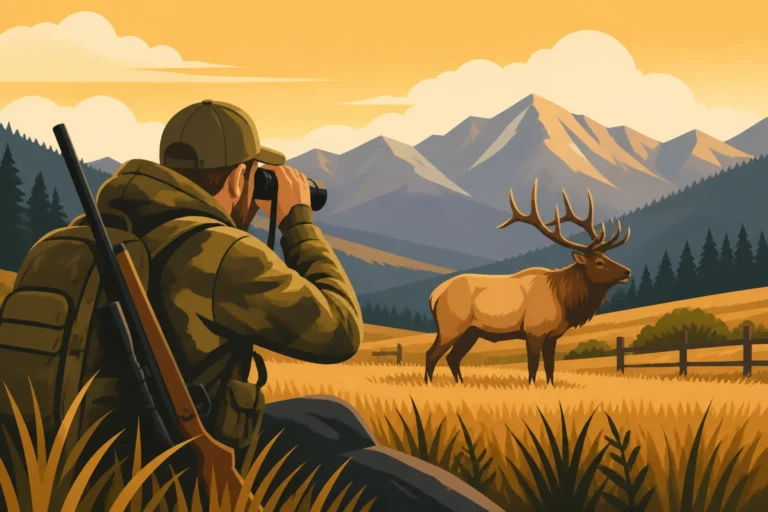
If there's one area to focus on, it's your cardio. The constant ups and downs, the long miles covered daily, and the high altitudes all conspire to steal your breath. Imagine huffing and puffing up a 1,500-foot gain only to spot a bull elk across a canyon and realize you need to drop down and climb another ridge. Without a strong cardiovascular base, that scenario quickly turns from an exciting opportunity into an insurmountable obstacle.
To truly prepare, you need to simulate mountain conditions. Forget flat-ground jogging for all your training. Incorporate plenty of stair climbing, incline treadmill work at a brisk pace, or even better, find some local hills and hike them repeatedly with a loaded pack. Aim for sessions that push you into that breathless, burning-legs zone, mimicking what it feels like to chase an elk uphill for an hour straight. Think about doing multi-day simulated hunts, where you're putting in 8-10 miles with significant elevation gain day after day, to truly test your stamina. Don't underestimate the sustained effort required; a single burst of energy won't cut it when you're 8 miles deep in the wilderness. For a deeper dive into getting your body ready, check out our guide on How to Physically Prepare for a Montana Elk Hunt.
Strength and Stability for Rugged Terrain
While cardio gets you there, strength and stability keep you upright and prevent injuries in the unforgiving Montana landscape. Carrying a 40-pound pack—or a 100-pound pack with meat—up and down uneven slopes requires a robust core, strong legs, and stable ankles. It’s not just about lifting heavy weights; it’s about controlling your body under load on variable surfaces. A misplaced step can lead to a twisted ankle or a nasty fall, especially when you’re fatigued and many miles from the trailhead.
Focus on functional strength training. Lunges, squats, step-ups, and calf raises are excellent, especially if done with a weighted pack. Incorporate exercises that challenge your balance, like single-leg deadlifts or bosu ball squats, to strengthen the smaller stabilizing muscles around your ankles and knees. Pay particular attention to your core strength; a strong core acts like a natural back brace, protecting your spine when you're lifting or carrying heavy loads. Don't neglect your upper body either; pulling yourself over obstacles or controlling a heavy pack on a steep downhill requires more than just leg power. Building this kind of resilient strength will make every mile feel safer and less taxing.
Nutrition and Hydration Strategies
Your body is a machine, and in the high country, it's going to be working overtime. Just like a high-performance vehicle needs premium fuel, your body needs the right nutrition and hydration to sustain extreme effort. Many hunters make the mistake of under-eating or under-drinking, leading to bonking, fatigue, and impaired decision-making—all dangerous scenarios in remote terrain.
Start your preparation well before the hunt by dialing in your everyday nutrition. Focus on nutrient-dense foods, lean proteins, and complex carbohydrates to build a strong foundation. During the hunt itself, plan your meals and snacks meticulously. Prioritize calorie-dense yet lightweight options like dehydrated meals, trail mix, jerky, and energy bars. For hydration, assume you'll need more water than you think. At elevation, your body dehydrates faster, and sweating from exertion compounds this. Carry enough water for your daily needs and plan for reliable water sources, bringing a high-quality water filter or purification tablets. Don't wait until you're thirsty to drink; sip water consistently throughout the day to stay ahead of dehydration. Electrolyte supplements can also be a game-changer, helping your body retain essential minerals lost through sweat.
Essential Gear for Mountain Success
The gear you choose for high-country Montana hunting isn't just about comfort; it's about survival and efficiency. The wrong clothing, an ill-fitting pack, or unreliable navigation tools can turn a challenging hunt into a dangerous ordeal. Every item needs to earn its place in your pack, blending durability, functionality, and appropriate weight.
The Core Three: Pack, Boots, and Optics
These three items are arguably the most critical components of your high-country setup. They directly impact your mobility, comfort, and ability to locate game.
Your backpack needs to be a workhorse, not just a daypack. For multiday trips into the Montana backcountry, you'll need a pack with a robust internal or external frame capable of comfortably carrying 60-80 pounds, or even more if you're packing out an animal. Look for packs with good adjustability, ample compression straps, and intelligent pocket placement. Brands like Mystery Ranch and KUIU are popular choices among serious mountain hunters for their durability and load-carrying capabilities. The fit is paramount; spend time at a reputable outfitter or gear shop to ensure the pack is sized correctly for your torso and that the weight transfers effectively to your hips, not your shoulders. Learn how to properly How to Pack for a Montana Backcountry Hunt to distribute weight for maximum comfort.
Next, your boots are your connection to the mountain. They need to provide superior ankle support, excellent traction on varied terrain (loose scree, mud, snow), and reliable waterproofing. This isn't the place to skimp. Break in your boots thoroughly before your hunt—we're talking hundreds of miles, not just a few walks around the block. A new pair of boots, no matter how good, can cause debilitating blisters if not properly broken in. Look for stiff soles for side-hilling stability and a durable membrane like Gore-Tex for waterproofing. For more on selecting footwear, check out our guide on the Best Boots for Montana Elk Hunting.
Finally, optics are your eyes in the vast expanses of Montana. High-quality binoculars (10×42 or 12×50 are common choices) are essential for glassing distant slopes. A spotting scope (often 60-85mm objective with 20-60x magnification) is indispensable for truly picking apart distant basins, identifying legal animals, and determining their exact location before making a move. Don't forget a reliable rangefinder to accurately judge distances in open country. When you're trying to figure out if that distant specks is a legal bull or just a cow, or confirming yardage before a shot, good glass is irreplaceable. Resources like GoHunt often have excellent reviews and guides for choosing the Best Optics for Montana Big Game.
Layering for Unpredictable Weather
Montana weather is legendary for its unpredictability. You can experience all four seasons in a single day, especially in the high country. Effective layering isn't just a suggestion; it's a critical strategy for staying comfortable and safe. The goal is to be able to add or shed layers quickly to regulate your body temperature as activity levels, elevation, and weather conditions change.
Start with a base layer made of moisture-wicking material, like merino wool or synthetic fabrics. This layer pulls sweat away from your skin, preventing chilling when you stop moving. Avoid cotton at all costs; it absorbs moisture and takes forever to dry. Your mid-layers provide insulation. A fleece jacket or a puffy vest are great options, offering warmth without excessive bulk. Finally, your outer layer is your protection against the elements: wind, rain, and snow. A high-quality waterproof and windproof shell jacket and pants are non-negotiable. Look for durable, breathable fabrics like Gore-Tex Pro to keep you dry from the outside while allowing sweat vapor to escape from the inside. Always pack a warm puffy jacket, even on sunny days, as temperatures can drop drastically in the mountains, especially after the sun dips below the peaks.
Navigation and Safety Tools
In remote Montana wilderness, losing your way or encountering an emergency can have severe consequences. Reliable navigation and communication tools are your lifeline.
A modern GPS device or a robust hunting app on your smartphone (like onX Hunt or GoHunt maps) is essential for knowing your exact location, tracking your movements, and finding your way back to camp. However, don't rely solely on electronics. Always carry a traditional map and compass and know how to use them. Batteries die, screens crack, and signals drop in deep canyons. A physical map offers a fail-safe. For communication beyond cell service, a satellite messenger or two-way satellite communicator (like a Garmin inReach or Zoleo) is a smart investment. These devices allow you to send emergency messages, communicate with loved ones, and access weather forecasts, even when miles from civilization. Always let someone know your detailed hunting plan, including your intended route and return date. Additionally, a comprehensive first-aid kit, a fire-starting kit (waterproof matches, lighter, fire tabs), a headlamp with extra batteries, and a small signaling mirror or whistle are vital components of any safetyconscious high-country hunter's kit.
Mastering the Mental Game and Strategic Planning
Hunting the high country isn't just a physical challenge; it's a mental one. The vastness, the solitude, the constant decision-making under pressure, and the inevitable setbacks require a strong mind and meticulous planning.
E-Scouting and Terrain Analysis
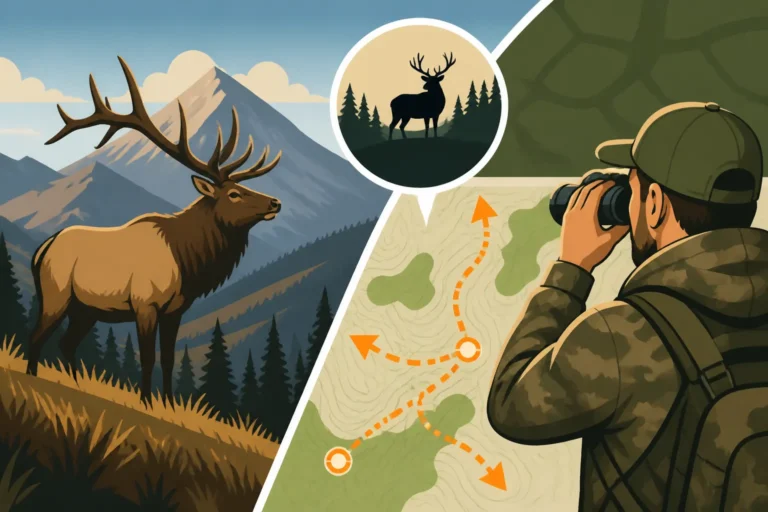
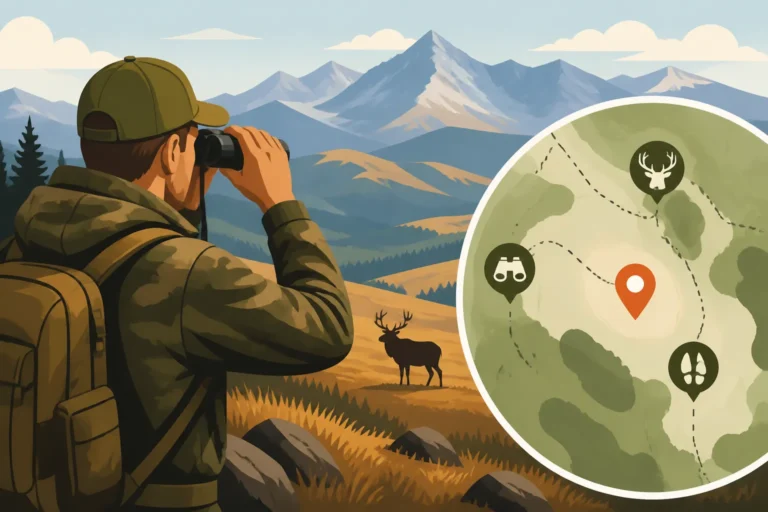
Before you even set foot on Montana soil, you should have spent countless hours "e-scouting" your chosen hunting district. Tools like GoHunt's Insider platform or onX Hunt maps allow you to dissect the terrain from the comfort of your home. Look for key features: north-facing slopes with dark timber (often elk bedding areas), saddles and benches (travel corridors), water sources, and natural funnels. Identify potential bedding, feeding, and watering areas based on topography, aspect, and vegetation.
Don't just look at the pretty satellite imagery; switch to topographic views to understand elevation changes and steepness. Mark potential access routes, escape routes, and contingency plans. Knowing the lay of the land intimately before you arrive will save you valuable time and energy in the field. This detailed pre-hunt analysis is a non-negotiable step for a successful Montana DIY Elk Hunting Guide. By understanding thermals and how they influence game movement, which you can learn about in How to Use Thermals in Montana Elk Country, you can further refine your e-scouting strategy.
Acclimatization and Altitude Awareness
If you're coming from sea level or a low elevation, the thin air of Montana's high country will impact you. Symptoms of acute mountain sickness (AMS) can range from headaches and nausea to more severe, life-threatening conditions. Ignoring these symptoms can be dangerous.
The best strategy for acclimatization is to arrive a few days early if possible and spend time at a moderate elevation (around 5,000-7,000 feet) before heading higher. This gives your body a chance to adjust. Stay well-hydrated, avoid alcohol, and don't push yourself too hard on the first day. Understand that your physical performance will likely be reduced at higher altitudes, so adjust your expectations and pace accordingly. Be aware of the symptoms of AMS—headache, fatigue, dizziness, nausea—and if they persist or worsen, descend to a lower elevation. Your hunt isn't worth risking your life.
Developing Mental Toughness and Resilience
High-country hunting will test your patience, resolve, and mental fortitude. You'll face discomfort, grueling physical demands, bad weather, and likely, periods of intense frustration when the animals aren't cooperating. This is where mental toughness kicks in.
Practice positive self-talk and visualization during your training. Mentally prepare for the cold, the wet, the exhaustion, and the possibility of coming home empty-handed. Develop a "no quit" attitude, but also know when to be flexible and adapt your plans. Being able to push through fatigue, make sound decisions under stress, and maintain a good attitude when things go wrong are just as crucial as physical strength. Remember, the mountains don't care about your feelings, but your mental state can make or break your experience.
Logistical Considerations for Remote Hunts
Venturing deep into the Montana high country often means being completely self-sufficient for multiple days. This requires meticulous logistical planning, from what you eat to how you'll handle a successful kill.
Food and Water Planning for Extended Stays
When you're miles from the nearest road, every ounce in your pack counts, but you can't compromise on fuel for your body. Plan your food meticulously for the duration of your hunt, adding a day or two of emergency rations. Lightweight, calorie-dense foods are key. Backpacking meals (like those from Mountain House or Peak Refuel) are popular for dinners, providing hot, substantial meals with minimal effort. For breakfast and lunch, focus on items like oatmeal packets, granola, nuts, dried fruit, jerky, and energy bars.
For water, always assume a need for at least 3-4 liters per person per day, especially when hiking hard at elevation. Identify potential water sources on your map and pack a reliable water filter (e.g., Sawyer Squeeze, Katadyn BeFree) or a purification system like a SteriPen. Carrying backup purification tablets is also a smart move. Never rely on finding water without confirmation; dry camps can be dangerous. Understanding the nuances of water access and carrying capacity is a vital part of planning a successful Montana Backcountry Hunting Guide.
Game Care in the Backcountry
One of the biggest logistical challenges in the high country is what happens after you pull the trigger. If you're successful, you'll need to know how to efficiently and cleanly process your animal in the field. This involves gutting, skinning, and quartering the animal, often in challenging conditions and potentially alone.
Pack a sharp knife (and a spare blade or sharpener), game bags (KUIU or Argali are excellent choices for breathability and durability), and a small, lightweight tarp or plastic sheet to keep meat clean. Knowing How to Quarter an Elk in the Montana Backcountry quickly and efficiently is a skill that must be practiced. Once quartered, the meat needs to cool as rapidly as possible to prevent spoilage, especially in warmer early season hunts. Hang meat in breathable game bags in a shady, airy spot. If temperatures are warm, consider packing out the most perishable cuts first, or making multiple trips. This is where your physical preparation and a solid backpack become truly invaluable. Remember, ethical hunting means prioritizing meat care and packing out everything you harvest.
High-Country Hunting Gear Checklist
To help you get started, here's a basic checklist of essential gear for high-country hunting in Montana. This is a starting point, and you'll want to customize it based on season, duration, and personal preferences.
| Category | Item | Notes |
|---|---|---|
| On Your Person | Hiking Boots | Broken in, waterproof, ankle support |
| Merino Wool Socks (2-3 pairs) | Wicking, comfortable, prevent blisters | |
| Base Layer (Top & Bottom) | Merino wool or synthetic, moisture-wicking | |
| Hunting Pants | Durable, breathable, quiet | |
| Belt | Sturdy for pistol/knife holster | |
| Hat/Beanie | Sun protection/warmth | |
| Pack System | Backpack | Frame pack, appropriate volume (60-80L for multi-day) |
| Pack Cover | Waterproof, blaze orange | |
| Dry Bags/Pack Liners | Keep essentials dry inside pack | |
| Shelter/Sleep | Tent/Shelter | Lightweight, durable, 3-season or 4-season |
| Sleeping Bag | Appropriate temperature rating for expected lows | |
| Sleeping Pad | Insulated for warmth and comfort | |
| Navigation | GPS Device/Smartphone with App | onX Hunt, GoHunt maps |
| Physical Map and Compass | Backup, know how to use | |
| Satellite Messenger/Communicator | Garmin inReach, Zoleo | |
| Optics | Binoculars (10x-12x) | Quality glass, harness |
| Spotting Scope (optional but recommended) | For long-range glassing, tripod | |
| Rangefinder | Accurate distance measurement | |
| Clothing (Layers) | Mid-Layer Fleece/Puffy Jacket | Insulation |
| Outer Shell (Jacket & Pants) | Waterproof, windproof, breathable (Gore-Tex Pro) | |
| Warm Puffy Jacket (extra) | For cold evenings/still hunting | |
| Gloves | Lightweight and warm options | |
| Food & Water | Water Filter/Purifier | Sawyer Squeeze, Katadyn BeFree |
| Water Bottles/Bladder (3-4L capacity) | ||
| Dehydrated Meals | Dinners | |
| High-Calorie Snacks | Trail mix, jerky, bars, nuts, dried fruit | |
| Electrolyte Mixes | Replenish minerals | |
| Game Care | Hunting Knife | Sharp, durable, fixed blade |
| Replacement Blades/Sharpener | Essential for prolonged use | |
| Game Bags (ventilated) | KUIU, Argali | |
| Cordage/Rope | Hanging meat, general utility | |
| Safety/Emergency | First-Aid Kit | Comprehensive, personal medications |
| Headlamp & Spare Batteries | Essential for early starts/late finishes | |
| Fire Starter Kit | Waterproof matches, lighter, fire tabs | |
| Whistle/Signal Mirror | Emergency signaling | |
| Emergency Bivy/Space Blanket | Lightweight, for unexpected overnight | |
| Other | Trekking Poles | Crucial for stability and reducing joint strain |
| Headnet/Bug Spray (seasonal) | Depending on time of year | |
| Sunscreen/Lip Balm | High UV exposure at elevation | |
| Camp Shoes (optional) | For comfort in camp after long day | |
| Small Trowel & TP | Leave No Trace principles | |
| License & Tags | Waterproofed, easily accessible | |
| Binocular Harness | Keeps binos secure and accessible |
This is just a starting point for your Montana Backcountry Hunting Gear List. Remember to check and re-check everything before you leave.
Disclaimer
Hunting is an inherently dangerous activity. The information provided in this guide is for informational purposes only and should not replace professional guidance, thorough personal research, or adherence to all local, state, and federal regulations. Always prioritize safety, respect wildlife, and practice ethical hunting principles. Conditions in the high country can change rapidly and unexpectedly; your safety is your sole responsibility.