How to Hunt a Cold-Front Elk Push in Montana
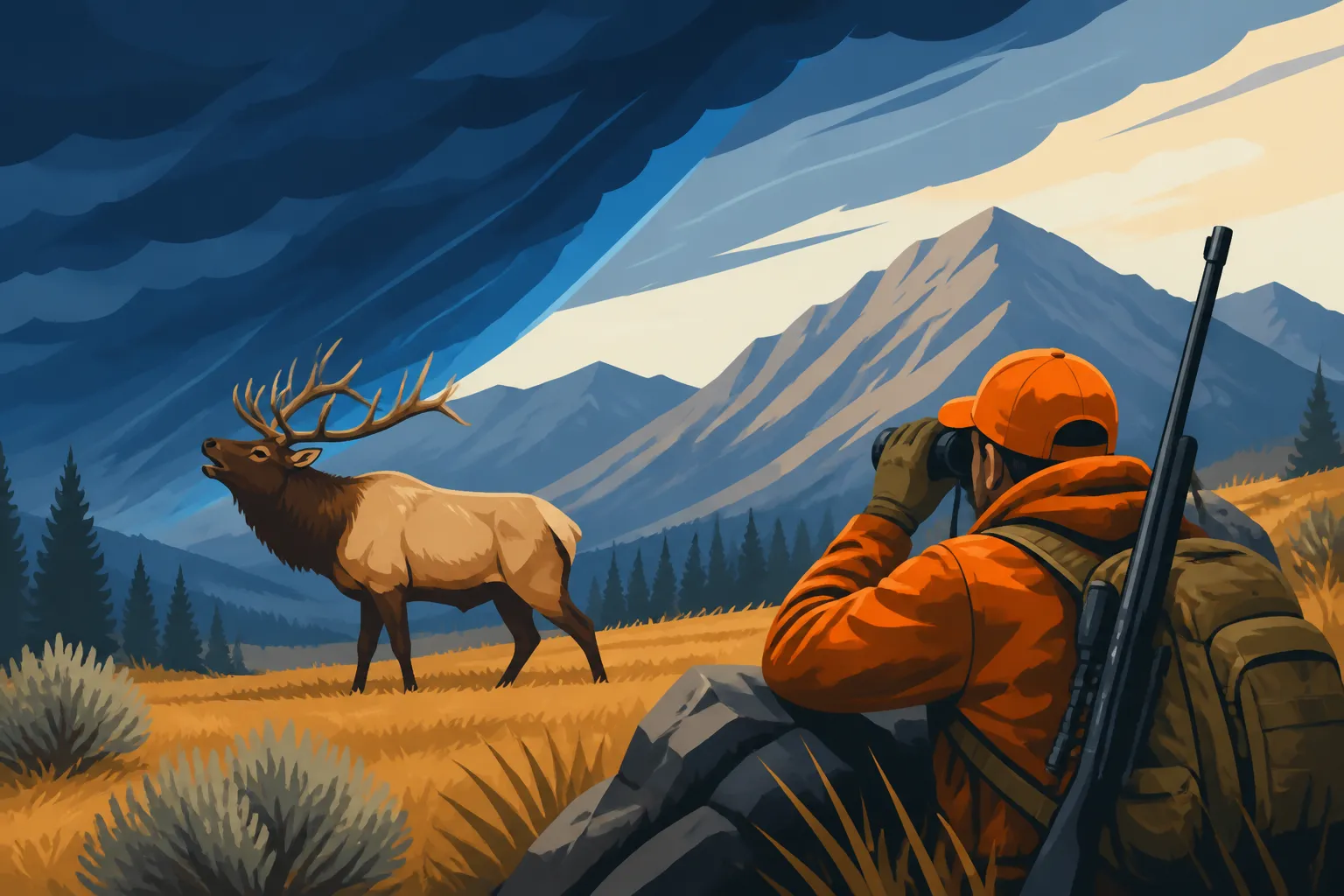
Hunting elk in Montana can often feel like a game of hide-and-seek, especially when the weather decides to throw a curveball. One minute, you're tracking a herd, and the next, a sudden cold front rolls in, and it feels like every elk in the mountains just vanished into thin air. It’s frustrating when all your carefully laid plans seem to crumble under rapidly changing conditions. This guide is dedicated to helping you understand how these significant weather shifts impact elk behavior and, more importantly, how you can adapt your strategy to successfully hunt a cold-front elk push in the vast Montana landscape.
Understanding How Cold Fronts Impact Montana Elk Behavior
When that crisp, cold air starts to bite, it's not just us humans who feel the change. Elk are incredibly attuned to atmospheric shifts, and a cold front isn't just a slight inconvenience for them; it's a major environmental trigger that dictates their daily routines. Knowing what drives their behavior before, during, and after these weather events is key to putting yourself in the right place at the right time.
The Science Behind Elk Movement and Weather Changes
Elk, like most wild animals, are masters of efficiency. Their bodies are constantly working to maintain energy and survive. When a cold front approaches, several key factors come into play. First, there's the drop in barometric pressure. Animals can sense this pressure change, often becoming more active and feeding heavily in the hours leading up to a significant weather event. Think of it as their instinctual urge to fuel up before hunkering down. This is when you might see elk moving more openly and aggressively to feed, trying to pack on calories to sustain them through the upcoming cold.
Then, as the cold front hits, temperatures plummet, and often, precipitation follows—rain turning to snow, or a full-blown blizzard. Wind also typically increases, cutting through the mountains and making exposed areas unbearable. Elk will instinctively seek thermal cover, which usually means dense timber, dark north-facing slopes, or deep canyons where they can escape the wind and snow. Their metabolism works harder to stay warm, so reducing exposure is paramount. Once the worst of the front passes, and temperatures begin to stabilize slightly, or the sun breaks through, their focus shifts back to feeding to replenish lost energy. Understanding these nuances can help you anticipate their moves.
Reading the Signs of an Impending Cold Front
Spotting an incoming cold front isn't just about glancing at the weather forecast on your phone; it's about connecting those predictions with what you're seeing and feeling in the field. Before a significant cold front arrives, you'll often notice a drop in temperature, sometimes a shift in wind direction, and a noticeable change in barometric pressure. Many experienced hunters keep a close eye on their weather apps, and platforms like GoHunt often integrate detailed weather forecasting tools into their mapping systems, which can be invaluable. This can give you a heads-up on precipitation chances, wind speed, and barometric pressure trends.
Beyond technology, observe the natural world around you. Are the clouds building up in a certain way, perhaps indicating a moisture-laden system? Is the wind picking up or shifting from a warm westerly to a colder northerly direction? Sometimes even the behavior of smaller critters can give you a clue. Birds might become more active, or small game might seem more skittish. Being vigilant and combining traditional observation with modern tools will help you prepare. For example, if you see a dramatic drop in pressure predicted by GoHunt's weather overlay for an area you’ve been How to E-Scout Montana Hunting Units, you can bet the elk are going to react.
Strategic Approaches for Hunting Elk During a Cold Front
Once you've identified that a cold front is on its way, or has just hit, it's time to adjust your hunting strategy. What worked yesterday might not work today, and forcing a tactic that doesn't align with elk behavior during extreme weather is a recipe for frustration. Instead, lean into their natural instincts and adapt your approach.
Locating Elk in Pre-Front and Post-Front Conditions
The moments just before a cold front hits can be absolute gold for hunters. Elk often sense the change and go on a feeding frenzy, trying to pack in as many calories as possible before the weather turns nasty. This is when you might find them in more open areas, aggressively browsing or grazing. Pay close attention to these pre-front feeding patterns; it might be your best window to intercept them.
As the front moves in and the weather deteriorates, elk will move into the heaviest cover they can find. This usually means thick timber, especially on steep, dark north-facing slopes that offer shelter from the wind and heavy snow. They'll also gravitate towards deep, protected drainages where thermals can hold warmer air. They might be bedded tight, conserving energy. Your job becomes finding these secure bedding areas. After the front passes and the skies clear, or the snow lets up, elk will often get back on their feet to feed again. Look for them on sunny, south-facing slopes where snow might melt faster, exposing forage, or in dense timber patches adjacent to these sunny areas. They'll be driven by hunger, and these post-front feeding opportunities can be highly productive. Consider areas where you've seen them move for How to Hunt Elk After the Rut, as these patterns often mirror post-storm feeding behavior.
Adapting Your Hunting Tactics for Cold Weather and Snow
Hunting during a cold front, especially one that brings snow, demands a different approach than a mild fall day. Calling, for instance, often becomes less effective during the peak of a blizzard. Elk are focused on survival and minimizing energy expenditure, not bugling back and forth. However, once the front passes and the air stills, a well-timed cow call or subtle bugle might just trigger a response from an elk looking to reconnect or assert dominance.
Still-hunting becomes incredibly potent in fresh snow. The snow not only quiets your footfall but also provides a clear visual record of elk movement. You can follow tracks, read their pace, and discern their direction. Focus on moving slowly, observing every detail. Pay attention to How to Still-Hunt Montana Timber, where elk seek shelter. Glassing remains crucial, especially after the storm. When the sun comes out, use your optics to systematically scan south-facing slopes and sheltered benches where elk might be soaking up the warmth and feeding. Remember How to Glass Montana's Big Country effectively, even if visibility is reduced during the storm. Additionally, understanding and using thermals is vital. In the cold, animals will often bed on lee slopes during the day to avoid the wind and then move to feed as the thermals start to fall in the evening. Knowing How to Use Thermals in Montana Elk Country can give you a significant advantage. The fresh snow also reveals How to Hunt Elk in Montana Snow, making it easier to track and anticipate their movements.
Here's a quick comparison of elk behavior and hunting strategies before, during, and after a cold front:
| Condition | Elk Behavior | Hunting Strategy | Key Focus |
|---|---|---|---|
| Pre-Front | Increased feeding, active, less cautious | Aggressive still-hunting, ambushing near feeding areas, some calling | Intercept active, feeding elk |
| During Front | Seek heavy thermal cover, bedded tight, minimal movement | Still-hunting dense timber, tracking in fresh snow, focused on bedding areas | Locate sheltered bedding; quiet, slow movements |
| Post-Front | Renewed feeding, move to sunny slopes, regain activity | Glassing open areas/slopes, still-hunting adjacent timber, calling can resume | Capitalize on hunger-driven movement, post-storm activity |
Essential Gear and Safety Considerations for Cold Front Elk Hunts
Hunting during a cold front in Montana isn't just about tactics; it's about being prepared for the harsh realities of mountain weather. Your gear can make or break your hunt, and more importantly, it can be the difference between a successful outing and a dangerous situation. Prioritizing warmth, dryness, and emergency preparedness is non-negotiable.
Layering for Success: Staying Warm and Dry
The cornerstone of comfort and safety in cold, wet Montana weather is a well-planned layering system. Forget bulky, single-layer solutions; they don't adapt. Start with a good base layer. Merino wool is a fantastic choice because it wicks moisture away from your skin and retains warmth even when damp. Avoid cotton at all costs; it holds moisture and rapidly cools your body, leading to hypothermia. Over your base, add a mid-layer, such as a fleece or a lightweight synthetic puffy jacket. This provides crucial insulation. The goal is to trap warm air close to your body.
Finally, your outer shell is your defense against the elements. A high-quality waterproof and windproof jacket and pants are absolutely essential. Look for materials like Gore-Tex or similar proprietary membranes that offer breathability while keeping rain and snow out. When you're hiking hard, you can shed layers to avoid sweating, then add them back on when you stop to glass or sit. Good gloves, a warm hat, and insulated, waterproof boots are also critical. Keeping your extremities warm prevents rapid heat loss from your core. You can find excellent options when putting together your Montana Backcountry Hunting Gear List. Specifically, investing in Best Boots for Montana Elk Hunting will pay dividends in comfort and safety during cold, wet conditions.
Navigation, Communication, and Emergency Preparedness
Venturing into Montana's vast public lands during a cold front presents significant navigational challenges. Snow can obscure trails, white-out conditions can reduce visibility to mere feet, and familiar landmarks can vanish. Always carry a reliable GPS device, whether it's a dedicated unit like a Garmin or a robust mapping app on your phone, such as those offered by GoHunt. Make sure your maps are downloaded for offline use, and carry a portable charger or extra batteries. A physical map and compass are also wise backups; technology can fail.
Even more critical is communication. Cell service is often non-existent in the backcountry. A satellite communicator like a Garmin inReach or Zoleo is a lifesaver. These devices allow you to send and receive text messages, track your location, and, most importantly, send an SOS in an emergency, even when miles from the nearest cell tower. Beyond communication, pack emergency essentials: a fire starter (waterproof matches, lighter, ferro rod), a small first-aid kit, a headlamp with extra batteries, an emergency bivy sack or space blanket, and extra high-energy food and water. Remember, Montana Backcountry Hunting Safety Tips always apply, but they become magnified during severe weather. Being prepared for an unexpected night out or an injury is paramount. Consider reading up on How to Pack for a Montana Backcountry Hunt to ensure you have all the necessary items for adverse conditions.
Post-Front Strategies: Capitalizing on the Aftermath
The immediate aftermath of a cold front is often overlooked, but it can be one of the most productive times to hunt elk. While the storm itself drives them into hiding, the clearing skies and stabilizing temperatures bring a renewed urgency to feed and move. This is your chance to capitalize on their natural recovery patterns.
Targeting Elk as Temperatures Stabilize
Once the brutal winds die down and the snow stops falling, elk will begin to stir. Their first priority? Food. They’ve likely been bedded tight, burning through precious calories just to stay warm. As the weather clears and temperatures stabilize, even if still cold, they'll start moving out of their thick thermal cover in search of forage. This is when south-facing slopes become prime real estate. The sun will hit these slopes first, melting snow and exposing grasses and browse. Elk will congregate here, soaking up the warmth and feeding.
Focus your efforts on the transition zones between dense timber (where they sought shelter) and these newly accessible feeding areas. These could be saddles, benches, or finger ridges leading down to sunny slopes. Their movement will often be slow and deliberate as they conserve energy, making them excellent targets for still-hunting or glassing from a vantage point. The key is patience; they won't explode out into the open, but rather slowly emerge from their cover. Remember that How to Hunt Elk in Montana's Wilderness often means knowing how to identify and exploit these post-storm movements.
Scouting and Identifying New Movement Patterns
The beauty of a fresh snowfall, even one from a brutal cold front, is that it completely resets the landscape. Every track, every rub, every bed is fresh. This makes it an incredible opportunity for scouting. As elk move out of their bedding areas to feed, they leave a crystal-clear roadmap of their current travel patterns. You can identify fresh tracks, determining direction, size, and even their pace. Look for areas where they’ve been browsing or digging through the snow for food.
Pay attention to new rubs on trees, indicating a bull has been working his way through the timber. Fresh beds in the snow, particularly if you find multiple, can tell you exactly where a herd was hunkered down. Use these fresh signs to adjust your strategy on the fly. If you find a new, heavy trail leading from a timbered basin to a south-facing slope, that’s your new hunting ground. The fresh snow can also reveal where other hunters have been, allowing you to identify areas with less pressure. Use these visual cues to refine your approach, whether you’re planning a Montana DIY Elk Hunting Guide or just adjusting your daily plan.
Disclaimer
Please remember that hunting involves inherent risks. Always prioritize safety, adhere to all Montana Fish, Wildlife & Parks regulations, and be prepared for rapidly changing weather conditions. This guide provides general information and should not replace proper training, experience, or professional guidance.