How to Glass Montana’s Big Country
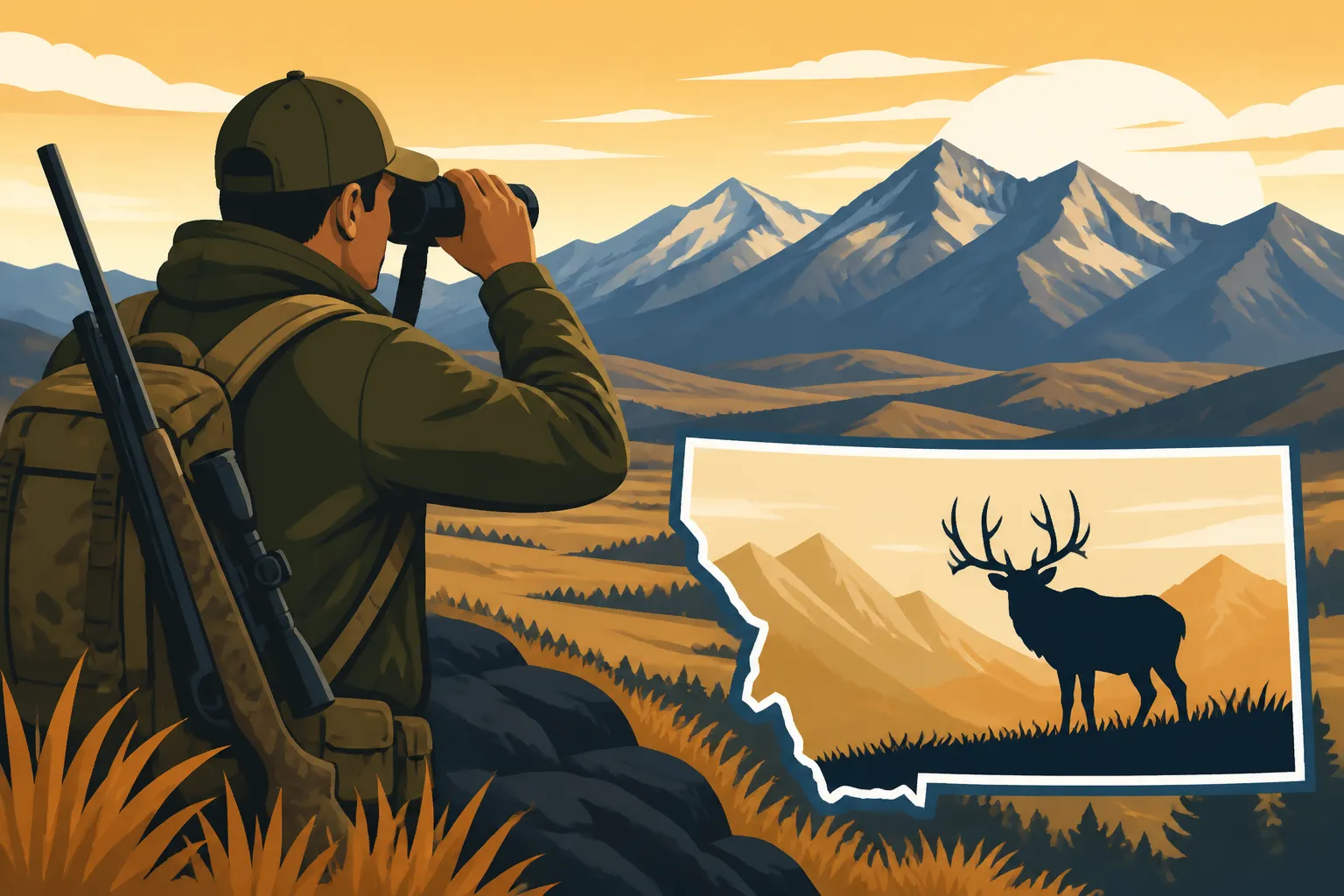
Montana's vast, untamed landscapes, while breathtakingly beautiful, can feel utterly overwhelming when you're trying to locate game. That feeling of staring at endless mountainsides or sprawling plains, wondering where on earth an elk or mule deer could possibly be hiding, is a common frustration for even seasoned hunters. This guide is all about equipping you with the knowledge and strategies to effectively glass Montana's big country, turning those daunting vistas into a searchable grid, and dramatically increasing your chances of finding game.
Why Glassing is Your Most Powerful Tool in Montana
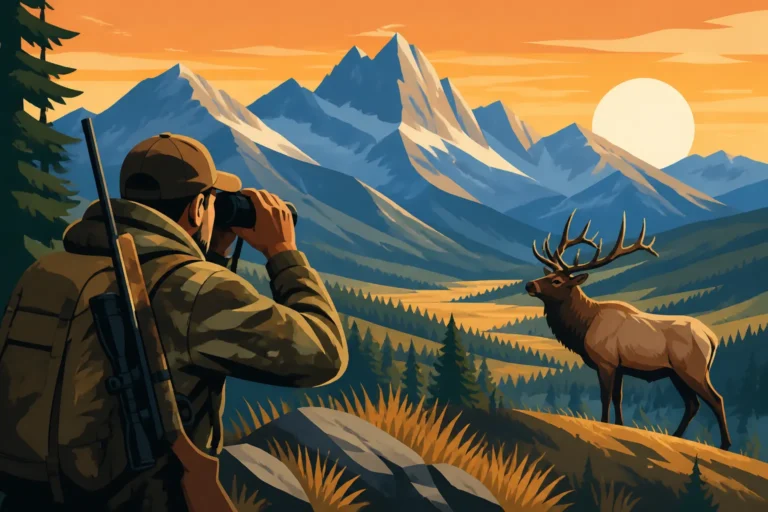
When you step into the expanses of Montana, whether it’s the towering peaks of the Rockies, the rolling hills of the Missouri Breaks, or the endless sagebrush flats of the eastern plains, you quickly realize that traditional still-hunting or blindly walking won't cut it. The sheer scale of the landscape and the often-sparse distribution of game mean you need a different approach. Glassing isn't just a technique; it's a fundamental shift in hunting strategy that conserves energy, minimizes disturbance, and maximizes your ability to locate animals before they ever know you're there.
Conserving Energy and Covering More Ground
Imagine trying to walk every ridge, every coulee, every patch of timber in a single Montana hunting district. It’s simply not feasible. Even the most physically prepared hunters would burn out in a day. Glassing allows you to systematically inspect miles of terrain from a single vantage point, saving your legs for the stalk, not the search. This is especially critical during early archery seasons or late-season hunts when you're already battling tough conditions. Instead of pushing through thick brush and spooking game, you're observing, letting your optics do the heavy lifting, and only moving when you have a solid plan.
Think of it like this: a typical hunter might cover a few miles on foot in a day, and much of that walking is "blind," hoping to bump into an animal. A dedicated glasser, from a good vantage point, can effectively "hunt" ten, twenty, or even fifty square miles in the same amount of time, actively searching every nook and cranny for signs of life. This efficiency means you can focus your physical effort on the high-percentage areas identified through diligent glassing.
Minimizing Disturbance and Maximizing Stealth
Animals in Montana, particularly mature elk and mule deer, are incredibly wary. They've learned to avoid human contact, and the sound or scent of an approaching hunter can send them disappearing into the timber or over a ridge in moments. Glassing allows you to maintain a safe distance, often several miles away, ensuring you don't spook game inadvertently. You can observe their natural behavior – feeding, bedding, moving between cover – without influencing it.
This stealth is a huge advantage, especially when hunting pressured public land. You can locate animals that other hunters might have pushed, or find those secluded pockets where game feels safe. Once an animal is located, you can then plan a precise stalk, using terrain and wind to your advantage, closing the distance quietly and efficiently. This quiet approach is paramount in areas where game has become accustomed to hunter presence.
Decoding the Landscape and Animal Behavior
Beyond just finding animals, glassing offers a unique opportunity to understand the landscape and the game within it. By observing over extended periods, you start to notice patterns: where animals prefer to bed, their travel corridors, specific feeding areas, and how they react to wind, weather, and other factors. This insight is invaluable for future hunts, even in different areas. You'll begin to see the "why" behind their movements, not just the "what."
For example, watching a herd of elk for an hour might reveal they consistently bed on a north-facing slope, just below the timberline, catching the morning sun but staying out of the mid-day heat. Or you might see a trophy mule deer buck consistently feeding in a particular draw before melting into a cluster of aspens to bed. These observations, impossible to gather by simply walking through the area, build your "elk IQ" or "deer IQ," making you a more knowledgeable and ultimately more successful hunter. It's about learning to read the story the landscape is telling you.
Building Your Essential Glassing System
You can’t effectively glass Montana’s big country with subpar equipment. This isn't just about having expensive gear; it's about having the right tools that work together as a system to provide stability, clarity, and comfort over long hours of observation. Investing in quality optics and their accessories is one of the smartest decisions a Montana hunter can make.
Optics: Binos, Spotters, and Rangefinders
At the heart of your glassing system are your optics. You’ll typically need a combination of binoculars and a spotting scope, complemented by a reliable rangefinder.
-
Binoculars: Your primary scanning tool. For Montana, 10×42 or 12×50 power binoculars are generally considered the sweet spot. They offer a good balance of magnification, field of view, and light-gathering capability. Higher magnification (like 15×56) can be excellent for wide-open country but often requires a tripod for stability. Brands like Swarovski, Zeiss, Leica, and even newer brands like Maven offer exceptional clarity and durability, which is crucial for distinguishing an antler tip from a broken branch at extreme distances. Good quality binoculars are the first step in being able to effectively How to Glass for Montana Mule Deer or spot distant elk herds.
-
Spotting Scope: This is where you really dial in on distant objects, confirm details, and evaluate trophy potential. A 60-80mm objective lens with variable magnification (e.g., 20-60x or 22-65x) is standard. A spotting scope is invaluable for resolving details like antler points, body size, and horn mass that even the best binoculars simply can't pick up. It's your "money glass" for making a decision on whether that speck on the far hillside is worth a several-mile stalk. When hunting Montana Trophy Elk Districts, a good spotter is non-negotiable.
-
Rangefinder: While not strictly optics for finding game, a good rangefinder is critical for confirming distance once an animal is located and for making ethical shot decisions. Many modern rangefinders now offer angle compensation, a must-have for hunting in Montana's steep terrain. Look for models with a maximum range well beyond your comfortable shooting distance, ideally 1,000 yards or more, to help you understand the terrain you need to cover during a stalk.
Tripods and Mounts: The Foundation of Stability
A high-quality, stable tripod is arguably as important as your optics themselves. Trying to hand-hold binoculars, especially 12x or 15x, for extended periods will lead to fatigue, shakiness, and missed animals. A tripod allows you to lock your optics in place, eliminating shake and allowing you to meticulously grid the terrain with unwavering precision.
-
Tripod Selection: Look for a lightweight yet sturdy carbon fiber tripod. It needs to be tall enough for you to comfortably glass while standing or sitting, and pack down small enough to carry in your pack. The head of the tripod is also critical; a smooth, fluid pan head allows for effortless, precise scanning, while a ball head can be quicker to adjust but sometimes less stable for fine movements. Outdoorsmen often choose brands like Sirui, Leofoto, or even higher-end carbon fiber models from Vortex.
-
Binocular Mount: You’ll need an adapter to mount your binoculars to your tripod. A simple L-shaped adapter is common, but a more robust quick-release system can be a game-changer for speed and ease of use. Having your binoculars on a tripod means you can maintain a much wider field of view than with a spotting scope, making initial scans incredibly efficient.
Comfort and Carrying Systems
Glassing effectively means spending long, often cold or windy, hours sitting still. Comfort is not a luxury; it's a necessity that directly impacts your ability to concentrate and stay in the game.
- Seat/Pad: A small, lightweight foam pad or a portable seat is essential. Sitting directly on cold, wet ground for hours will quickly sap your morale and focus. A pad provides insulation and cushioning, allowing you to remain stationary and comfortable longer.
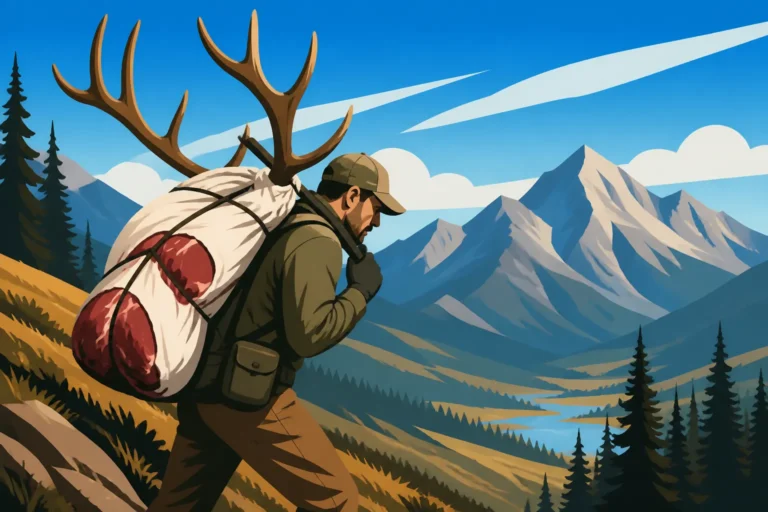
- Backpack: Your pack is more than just a carrier; it's often your makeshift leaning post, providing additional stability when you’re glassing from a steep slope. Look for a pack designed for hunting, with good organization for optics, water, and extra layers. Brands like Mystery Ranch or Kifaru are popular among Western hunters for their load-carrying capabilities and robust design, crucial when you also need to know How to Pack Out an Elk in Montana.
- Layers and Protection: Staying warm and dry is paramount. Pack extra layers—puffy jacket, rain gear, warm hat, gloves—even on days when the forecast looks clear. The weather in Montana's mountains can change in minutes. Sun protection (hat, sunglasses) is also key to prevent eye strain and fatigue during bright, sunny days.
| Optic Type | Primary Use | Magnification Range (Typical) | Best For | Considerations |
|---|---|---|---|---|
| Binoculars | Initial scanning, wide field of view | 8x-15x | Locating animals, general observation | Hand-holdable (8-10x), tripod for higher power |
| Spotting Scope | Detailed inspection, trophy evaluation | 20x-80x (variable) | Confirming species, antler points, precise ID | Requires tripod, narrower field of view |
| Rangefinder | Measuring distance, shot placement | N/A | Ethical shot range, terrain assessment | Angle compensation is highly recommended in hills |
Mastering the Art of Scanning and Breaking Down Terrain
Having the right gear is only half the battle; knowing how to use it is what separates a successful glasser from someone just looking through binoculars. Montana’s complex terrain demands a systematic and patient approach to truly unlock its secrets. You need to learn how to break down vast landscapes into manageable sections and meticulously search for even the smallest clues that indicate game presence.
The Grid Method: Systematic Searching
The most effective way to glass big country is to employ a systematic grid method. Instead of randomly scanning, you want to methodically cover every inch of visible terrain. Start at the closest part of the landscape and work your way outward, or pick a distinct landmark and work from there.
- Establishing Your Grid: Choose a starting point, perhaps the bottom of a ravine or the edge of a timberline. Lock your binoculars onto your tripod and scan slowly from left to right, or right to left, moving horizontally across your chosen section of terrain. Once you reach the end of that horizontal strip, drop your binoculars down slightly, just enough to overlap with the previous strip, and scan back in the opposite direction. Repeat this process, slowly moving your way up the hillside or across the basin until you've covered the entire area. This ensures no section is missed.
- Slow and Steady Wins the Race: This isn't a speed contest. Your scans should be agonizingly slow. The human eye and brain are designed to notice movement, but bedded animals, or parts of animals, are static. You're looking for subtle anomalies: a patch of color that doesn't quite match the rock, a horizontal line in a vertical world, a slight curve that could be an antler or an ear. Many hunters make the mistake of scanning too quickly, missing these crucial details. It takes immense patience, but it pays off.
- Focus on Edges and Transitions: Animals rarely bed or travel in the middle of wide-open, featureless terrain. They seek cover, food, and security. Pay particular attention to edges: the transition lines where timber meets open sage, where a steep slope levels out, where rock slides meet vegetation, or where a deep coulee cuts through a flat. These are natural travel corridors and bedding areas. Also, focus on shadows and shaded areas, especially on sunny days, as animals will often seek refuge from the heat and direct sun.
Identifying Subtle Clues and Animal Behavior
Once you've mastered the grid method, the next step is learning what to look for. It’s rarely a full-bodied animal standing broadside; more often, it's a tiny piece of the puzzle.
- Shapes and Colors: Look for anything that looks "out of place." A horizontal line in a predominantly vertical landscape (like a ridge or tree trunks) could be a deer's back. A patch of brown or tan that seems too uniform in a sea of gray rocks or green timber. The tell-tale shine of an antler, or the dark patch of an eye or nose. These small anomalies are your starting points.
- Ears, Antlers, and Tails: Often, the first thing you'll see of a bedded animal is just the tips of its ears flicking, or an antler tip catching the sunlight. A flicking tail can betray an otherwise perfectly camouflaged animal. Patience is key here; spend a few minutes on anything that looks suspicious. Sometimes, what you initially dismissed as a rock will reveal itself to be a bedded elk after a few minutes of steady observation. This detailed observation is essential when learning How to Field Judge a Montana Bull Elk.
- Movement and Patterns: While looking for static shapes, don't forget movement. A flicker, a twitch, a slight shift in position. These are immediate giveaways. Also, observe patterns of behavior. Are there several small brown "rocks" together? It might be a herd of bedded cows. Are there distinct trails leading into a particular timber patch? That’s likely a bedding area.
- Using Your Spotting Scope: Once you spot something intriguing with your binoculars, switch to your spotting scope for a closer look. This is where you confirm whether it's an animal, what kind of animal, and its size. The spotter lets you scrutinize those tiny details, making sure you don't waste time chasing a "rock with antlers." This is also where you'd be able to tell if you're looking at a branch or a legitimate antler tine, a common mistake made by inexperienced glassers.
Real-World Glassing Scenarios and Strategies
Glassing isn't a one-size-fits-all technique; it adapts to the terrain, time of day, and the species you're pursuing. Understanding these nuances will make you a far more effective hunter in Montana's diverse environments. Technology, like online mapping tools, also plays a crucial role in planning your glassing strategy.
Adapting to Different Terrains and Times
Montana offers a variety of hunting landscapes, and your glassing strategy needs to change accordingly.
- Mountains and Timber (Elk and Mule Deer): In the steep, rugged mountains, animals often seek security in thick timber or north-facing slopes. Focus your glassing efforts on the fringes of timber, avalanche chutes, saddles, and benches where animals might travel or feed. Early morning and late evening are prime times, as elk and deer will be moving out of thick cover to feed. During the middle of the day, shift your focus to thicker bedding cover, constantly looking for a horizontal line or a patch of hide. When hunting in these areas, understanding How to Hunt Elk in Montana's Wilderness or the Gravelly Range Hunting Guide can be vital for selecting good glassing points.
- Open Plains and Breaks (Antelope and Mule Deer): Eastern Montana's vast plains and the broken country of the Missouri Breaks require a different approach. Here, you're often glassing across enormous distances. Focus on coulees, creek bottoms, and the subtle draws where antelope and mule deer find protection from the wind and sun. Water sources are magnets in arid areas, so glass them thoroughly. Antelope are often out in the open, but they bed down, and their tan bodies can blend perfectly with dry grasses. Look for their distinct black horn against the skyline. Knowing How to Hunt Antelope on Montana's Plains means knowing how to glass the subtle folds in the landscape.
- River Bottoms (Whitetail Deer): While many think of tree stands for whitetails, glassing can be highly effective in Montana's river bottoms, especially during the rut. From a good vantage point overlooking a large stretch of river bottom, you can observe deer moving between feeding areas (agricultural fields) and bedding thickets. Look for movement along brush lines, creek beds, and field edges, especially in the early mornings and late evenings.
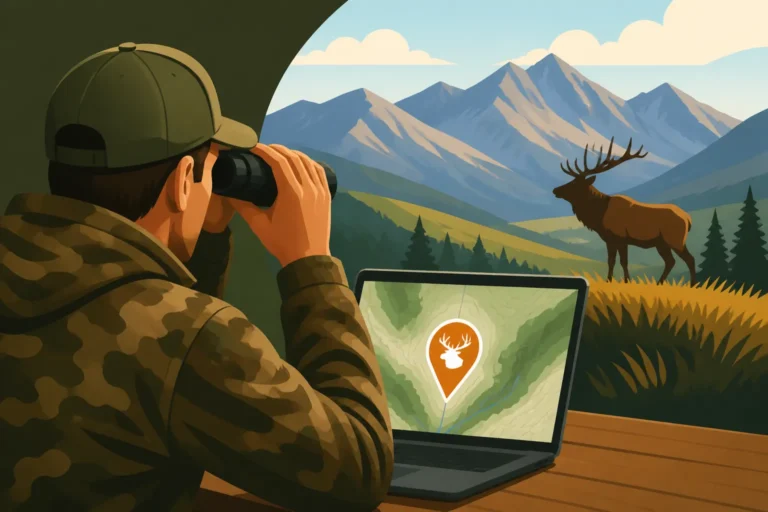
Leveraging Technology: E-Scouting for Vantage Points
Before you even set foot in Montana, modern technology can drastically improve your glassing success. E-scouting is about using online mapping tools to identify potential glassing locations and game habitat from the comfort of your home.
- Identifying High-Percentage Areas: Use satellite imagery and topographic maps to identify natural benches, ridgelines, or isolated peaks that offer expansive views of basins, timbered slopes, or open plains. Look for areas with a mix of cover (timber, brush) and feeding opportunities (open meadows, south-facing slopes, agricultural fields). Tools like GoHunt's Insider platform provide detailed satellite imagery, public/private land boundaries, and even historical hunt data, which can be immensely helpful in narrowing down promising areas. This helps you figure out How to E-Scout Montana Hunting Units long before the season begins.
- Marking Waypoints: Once you identify potential glassing points, mark them as waypoints on your GPS or hunting app (like onX Hunt, which works seamlessly with GoHunt data). This allows you to navigate directly to them in the field, saving valuable time and energy. Also, mark potential animal locations, escape routes, and potential stalk routes.
- Understanding Access: E-scouting also helps you understand access points. Can you drive close to a good glassing point, or will it require a significant hike? Is the land public or private? Tools available through GoHunt are excellent for discerning public land boundaries and identifying potential access challenges. Understanding these details can inform your Montana Public Land Hunting Strategy and help you avoid trespassing.
The Patience Factor: The Hunter's Secret Weapon
No matter how good your gear or your technique, glassing demands patience. It’s easy to get discouraged after an hour or two of seeing nothing. But truly successful glassers often spend hours—sometimes half a day or more—at a single vantage point.
- Waiting for the Reveal: Animals often reveal themselves when they feel safe, when they shift position, or when a weather front moves through. What looks like an empty hillside at 9 AM might have a bull elk stand up out of its bed at 11 AM, or a mule deer buck stretch and move into the shade at 1 PM. Your job is to be there, watching, when that happens.
- Returning to Proven Spots: Don't be afraid to return to the same glassing points multiple times, even within the same day or over several days. Animal patterns change, and you might have simply missed something earlier. A fresh set of eyes, or a different light condition, can make all the difference. This cyclical approach is part of any good Montana DIY Elk Hunting Guide.
- Trust the Process: It’s hard to sit still when your instinct is to move and cover ground. But in Montana's big country, the most efficient way to cover ground is often with your optics. Trust the process, stay vigilant, and let your eyes and your glass do the work. The reward of spotting that distant trophy animal, knowing you found it with patience and skill, is one of the most satisfying experiences in hunting.
Disclaimer
Hunting is an inherently risky activity. The information provided in this guide is for informational purposes only and should not be considered a substitute for professional guidance, landowner permission, or local regulations. Always prioritize safety, adhere to all Montana Fish, Wildlife & Parks regulations, and ensure you have the necessary licenses and permits before venturing into the field. Weather conditions and terrain can be unpredictable in Montana; always be prepared for emergencies.