How to Ambush Elk on Montana Public Land
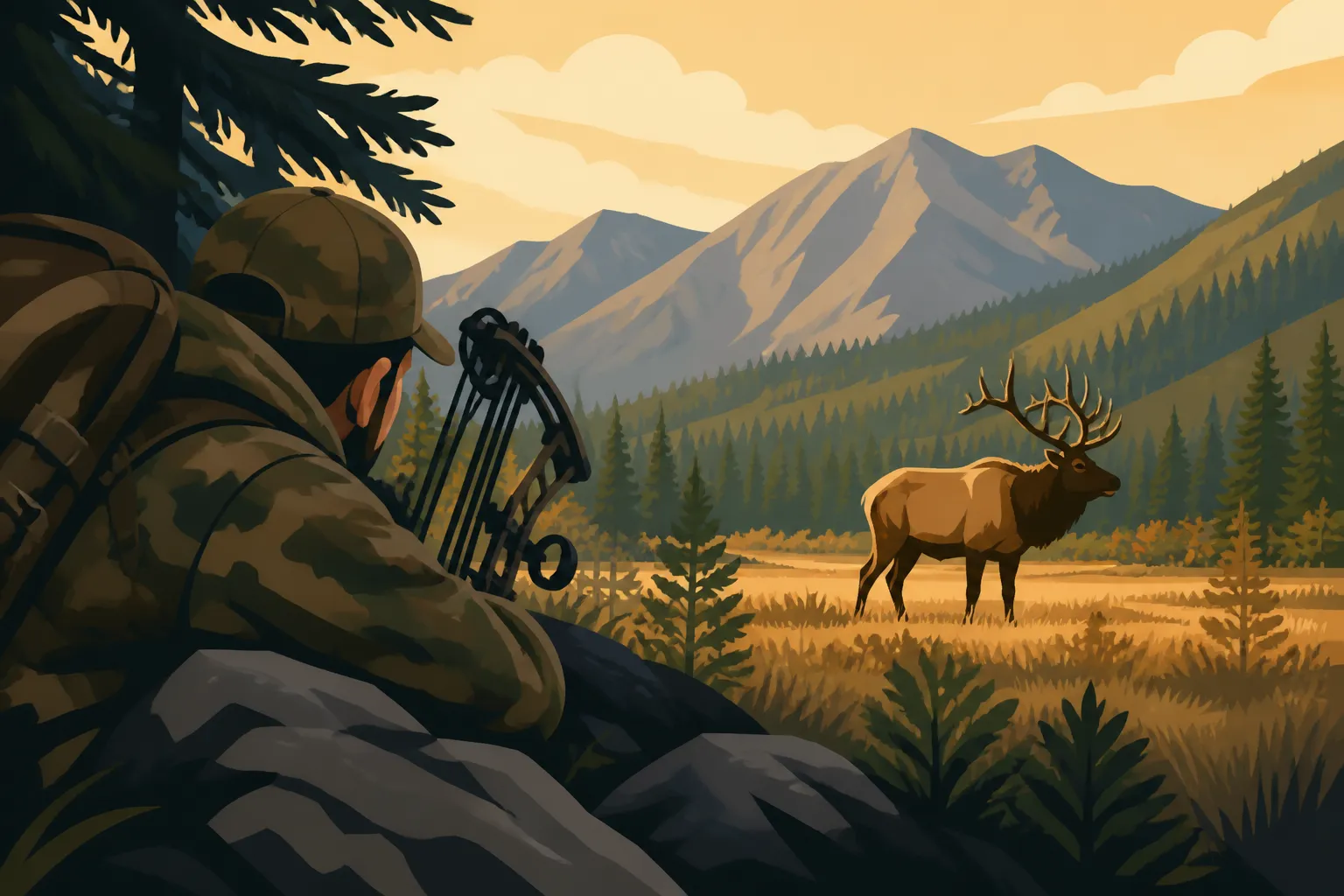
Hunting elk on Montana public land can feel like an impossible puzzle, especially when those wily critters are being pressured hard and seem to vanish into thin air. Many hunters spend days busting through timber, only to catch fleeting glimpses of elk tails disappearing over the next ridge. This guide is all about equipping you with the knowledge and tactics to effectively ambush elk on public land, turning those frustrating chases into successful encounters by understanding their movements and setting up smart.
Understanding Elk Movement Patterns for Effective Ambush
Before you can even think about setting up an ambush, you absolutely have to understand how elk move. They're not just wandering aimlessly; their daily routines are dictated by survival – food, water, cover, and escaping pressure. When you're hunting public land in Montana, especially during rifle season, those patterns become even more defined because of hunter activity.
The Influence of Daily Routine and Pressure
Elk operate on a pretty consistent schedule, given the chance. They feed in more open areas or sparser timber during low-light hours (dawn and dusk), then retreat to thick, dark timber or north-facing slopes for security and bedding during the day. Water sources are also a critical part of this daily circuit. However, hunter pressure, which is a significant factor on Montana's public land, drastically alters these natural patterns.
When hunters hit the woods, elk become hyper-vigilant. Instead of casually meandering, they become much more direct in their movements between bedding and feeding areas, often using the thickest cover available. They'll also hold tight to timber, breaking cover only when absolutely necessary, often preferring to skirt open areas under the cloak of darkness or deep shadows. Think of a highway: they have preferred routes, but when traffic gets heavy (hunters), they’ll take detours through the dense backroads, making them harder to intercept without anticipating their exact path. Understanding How to Hunt Elk in Montana Rifle Season Pressure is crucial for adapting to these changes.
Identifying Key Travel Corridors
The secret to a successful ambush lies in identifying these specific travel corridors. These aren't just random paths; they're choke points, natural funnels, or preferred routes that elk consistently use. Look for natural topographical features that constrict movement. These might include saddles between ridges, narrow benches along steep hillsides, the bottoms of deep draws, or strips of thick timber connecting larger blocks of cover.
Imagine a heavily timbered ridge that drops down into an open feeding meadow. Elk aren't going to climb straight up and down the steepest part; they'll find the path of least resistance, often a well-used game trail along a less steep slope or a saddle that connects two benches. Similarly, when pressured, they'll often travel parallel to major drainages or roads, just inside the timber line, making use of the cover but still moving efficiently. Utilizing digital scouting tools like those offered by GoHunt can be immensely helpful here, allowing you to examine topography, timber density, and potential pinch points from the comfort of your home. You can essentially e-scout these areas to define potential ambush locations long before your boots hit the ground, as detailed in our guide on How to E-Scout Montana Hunting Units.
Selecting the Right Location for Your Ambush
Once you have a handle on elk movement, the next step is pinpointing the exact spot for your ambush. This isn't just about finding a game trail; it's about finding the right game trail, at the right time, with the right setup.
Funnels and Pinch Points
Funnels and pinch points are your best friends when trying to ambush elk. These are areas where the landscape naturally forces animals into a confined space, thereby concentrating their movement and increasing your odds of interception. A saddle between two high peaks is a classic example; elk moving from one basin to another will often cross through that saddle. Similarly, a narrow strip of timber connecting two larger blocks of forest, bordered by open meadows on either side, acts as a funnel.
Consider areas where thick timber meets a steep canyon edge. Elk might travel along the edge of that timber rather than dropping deep into the canyon or exposing themselves in the open. A bench trail winding along a steep mountain face, with cliffs above and below, also creates a natural pinch point. These are the "doorways" elk use to navigate their world, and knowing where they are can make all the difference. When scouting, look for fresh tracks, droppings, and rubbed trees in these funnels, confirming active use.
Water Sources and Bedding Transition Areas
Elk need water, often daily, especially during warmer early seasons. Locating frequently used water holes, seeps, or stream crossings can be prime ambush spots, particularly if they are situated along a travel corridor between bedding and feeding areas. During colder times, or when snow covers other sources, a reliable open water source becomes even more critical.
Bedding transition areas are also goldmines. These are the zones where elk move from their deep, secure bedding cover towards feeding grounds, or vice-versa. Often, these are on the edges of dark timber, just before it breaks into an open park or a less dense feeding area. Elk will often stage here, browsing a bit, getting comfortable, and evaluating the safety of the area before fully committing. Setting up an ambush on these transition lines, especially if you can get in well before daylight or stay until after dark, can put you right in their path. For more on finding these hidden havens, check out How to Find Elk in Montana Dark Timber.
Strategic Considerations for Your Stand
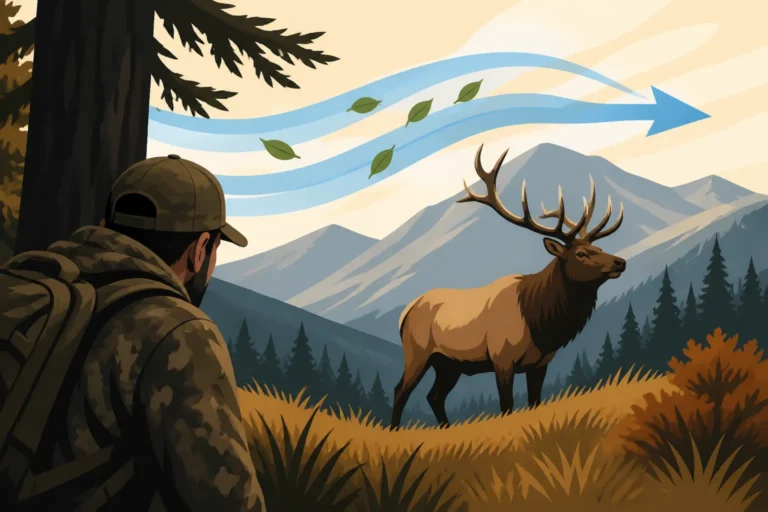
- Wind Direction: This is non-negotiable. Elk have an incredible sense of smell. Always position yourself downwind of where you expect the elk to come from. Even a slight shift in wind can blow your cover. Monitoring wind patterns and thermals (rising air in the morning, falling in the evening) is paramount. Our article on How to Use the Wind Hunting Montana Elk goes into great detail on this often-overlooked aspect.
- Concealment: You need to be hidden but have a clear shooting lane. Use natural cover like dense brush, rock formations, or the base of a large tree. Break up your outline.
- Shooting Lanes: Clear any small branches or obstructions that might deflect an arrow or bullet. Ensure you have multiple potential lanes for a shot, as elk rarely cooperate by stopping exactly where you want them.
- Escape Route: Think about how you'll get in and out of your ambush spot undetected. If you spook elk on your way in or out, you might blow the spot for days.
- Time of Day: Most ambushes are effective during the low-light hours of dawn and dusk, coinciding with elk movement between bedding and feeding areas. During the middle of the day, a subtle still-hunt through bedding areas or an ambush near water can also pay off.
Here's a quick comparison of common ambush locations:
| Ambush Location Type | Pros | Cons | Ideal Conditions |
|---|---|---|---|
| Saddles / Passes | Concentrates elk movement, good vantage. | Can be exposed to wind, high hunter traffic. | Elk moving between basins, stable wind. |
| Timber Edges | Intercepts elk leaving/entering cover, good concealment. | Elk can be jumpy, need good wind. | Dawn/Dusk, close to bedding or feeding. |
| Water Sources | Critical resource for elk, especially dry spells. | Can be less reliable if multiple options exist. | Hot weather, dry conditions, limited water. |
| Game Trails | Direct path of travel, clear sign. | Can be narrow, elk may change routes if pressured. | Well-used trails in funnels, minimal pressure. |
| Stream Crossings | Natural funnel across water. | Elk may pause or detect scent from upstream. | Elk crossing major water features. |
Executing the Perfect Ambush
Setting up an ambush isn't just about finding the right spot; it's about the execution. Everything from your approach to your patience and readiness can make or break the hunt.
The Silent Approach
Your entry and exit from the ambush location are just as important as the spot itself. You need to be a ghost. This means moving slowly, deliberately, and quietly, long before the elk are expected to move. If you're setting up for a morning hunt, you might be hiking in the dark for an hour or two. Headlamps should be used sparingly and on the lowest setting, pointed at your feet.
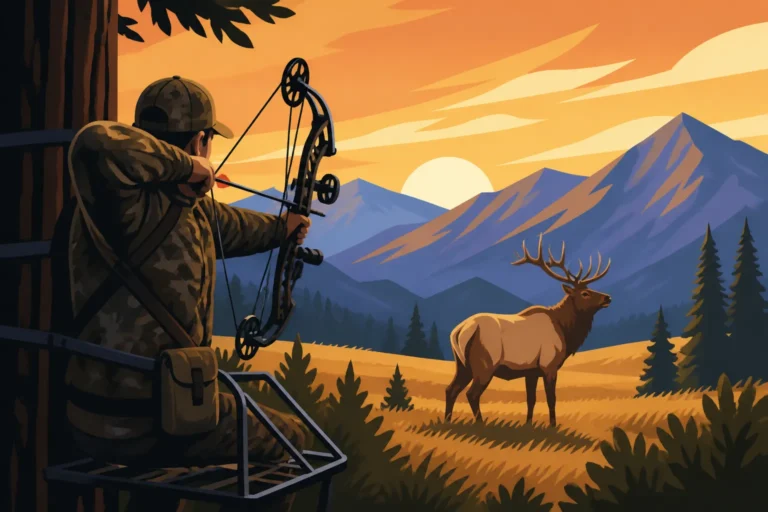
Pay attention to noise. Avoid crunchy leaves, snapping twigs, or scraping gear. If possible, walk on softer ground, like game trails or mossy areas. Even the sound of your jacket rustling can carry in the still morning air. Backpacks and clothing should be quiet. Consider wearing softer-soled boots or gaiters to minimize noise. Think about How to Move Quietly Through Montana Timber can improve your chances. If you're using a tree stand or ground blind, ensure it's set up well in advance of the season, or at least during midday when elk are bedded down and less likely to be disturbed.
Patience, Wind, and Thermals
Once you're in your spot, patience is key. Elk may not show up exactly when you expect them, or they might change their route slightly. Be prepared to wait, sometimes for hours. Your position must allow for minimal movement while you wait.
Constantly monitor the wind. Even a slight swirl can carry your scent to a distant elk. If the wind shifts unfavorably and you feel your presence might be detected, it's often better to back out quietly and try another spot or another day, rather than educating the elk. Thermals also play a huge role in the mountains. In the mornings, air currents typically rise, carrying your scent uphill. In the evenings, they fall, carrying your scent downhill. Position yourself accordingly, using these air currents to your advantage to carry your scent away from where you expect elk to come from. Knowing How to Use Thermals in Montana Elk Country can literally make or break your hunt.
Calling and Decoying Strategies
While an ambush is primarily about being in the right place at the right time, strategic calling and decoying can add an extra layer of effectiveness. During the rut, soft cow calls or satellite bull bugles can sometimes draw an elk into your ambush zone, especially if they are moving slowly or seem hesitant. The key here is subtlety. You don't want to blast a bugle and announce your presence; rather, use calls to mimic natural elk sounds and reassure animals that the area is safe or to pique their curiosity.
A decoy, particularly a cow elk decoy, can be incredibly effective during the rut, especially if you're bowhunting. Place it upwind of your position, where approaching elk will see it first, drawing their attention away from you. The decoy can give you those precious few seconds to draw your bow or shoulder your rifle without being detected. Remember, the goal of calling and decoying in an ambush scenario isn't to start a shouting match with a bull, but to subtly influence their movement and create a shot opportunity. For more detailed calling advice, check out How to Call Elk in Montana.
Essential Gear and Safety Considerations
A successful ambush hinges not only on strategy but also on having the right gear and prioritizing safety. You’ll be in remote locations, often in low light or challenging conditions, so being prepared is non-negotiable.
Optics for Long-Range Observation
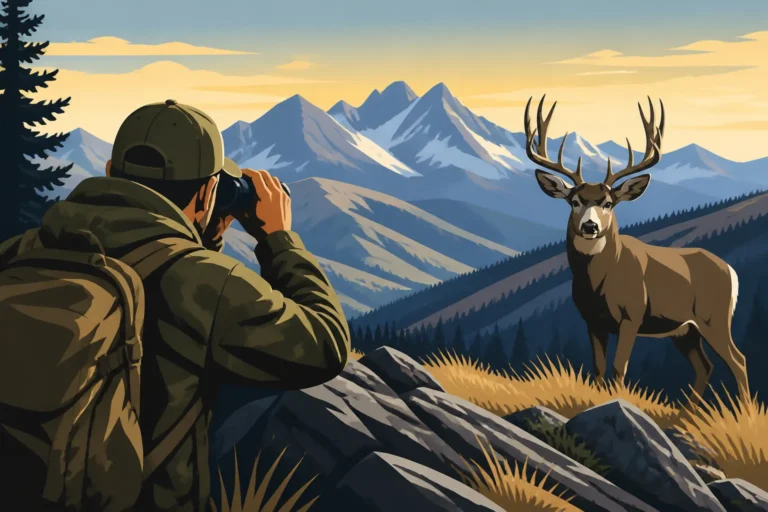
High-quality optics are indispensable for ambushing elk, particularly in Montana's vast, open landscapes and timbered mountains. Whether you're scanning distant hillsides for elk movements or scrutinizing a timber patch for a bull's antlers, good binoculars are your eyes in the field.
A pair of 10×42 binoculars is often considered the workhorse for most hunters, offering a good balance of magnification and field of view. For more open country or when trying to judge animals at extreme distances, a spotting scope (15-45x or 20-60x) can be a game-changer. Rangefinders are also critical, allowing you to quickly and accurately determine distances to potential shooting lanes and targets, removing guesswork from the equation. Brands like Vortex Optics or Leupold are popular among Montana hunters for their durability and clarity. Our guide on Best Optics for Montana Big Game offers a more in-depth look at what to choose. Remember, even in a close-quarters ambush, using your binoculars to confirm antlers or an ethical shot can be vital.
Clothing and Backpack Essentials
Your clothing needs to be quiet, comfortable, and capable of handling Montana's often unpredictable weather. Layering is always the smart choice. Start with a moisture-wicking base layer, add insulating layers (fleece or down), and top it off with a waterproof and windproof outer shell. Camouflage patterns that break up your silhouette are helpful, but scent control is even more important. Clean clothes, scent-eliminating sprays, and careful hygiene can help minimize your human odor.
A well-organized hunting backpack is essential for carrying your gear. You'll need water, snacks, a first-aid kit, a headlamp, navigation tools (GPS, map, compass – even if you use GoHunt on your phone, physical backups are crucial), game bags, a knife, and fire-starting supplies. If you're in the backcountry for more than a day, your pack list will grow significantly. For an extensive checklist, consult our Montana Backcountry Hunting Gear List. A good pack will allow you to comfortably carry these essentials and, hopefully, meat out of the field.
Backcountry Safety and Emergency Preparedness
Hunting in Montana, especially on public land, often means venturing into remote areas where help is not readily available. Safety must always be your top priority.
- Tell Someone Your Plan: Always inform a trusted friend or family member exactly where you're going, your planned route, and when you expect to return.
- Navigation: Carry multiple forms of navigation and know how to use them. While smartphone apps are great, batteries die. A physical map and compass are lifesavers.
- First Aid: A comprehensive first-aid kit capable of handling trauma, minor cuts, and common ailments is a must.
- Survival Gear: A fire starter, emergency shelter (like a space blanket or lightweight tarp), and extra food are critical if you get lost or unexpectedly have to spend a night out.
- Bear Spray: Montana is bear country. Carry bear spray and know how to use it. Have it easily accessible on your hip or chest rig.
- Communication: A satellite communication device (like a Garmin inReach or Zoleo) can be a lifesaver for emergencies outside of cell service.
Remember, a successful hunt means returning home safely. Being prepared for the unexpected is a mark of a responsible hunter. For more detailed advice, read our Montana Backcountry Hunting Safety Tips.
Disclaimer
The information provided in this guide is for general informational purposes only. Hunting regulations and conditions in Montana can change frequently. Always consult the latest Montana Fish, Wildlife & Parks regulations and local authorities before planning any hunting trip. Safety should be your primary concern in the field.