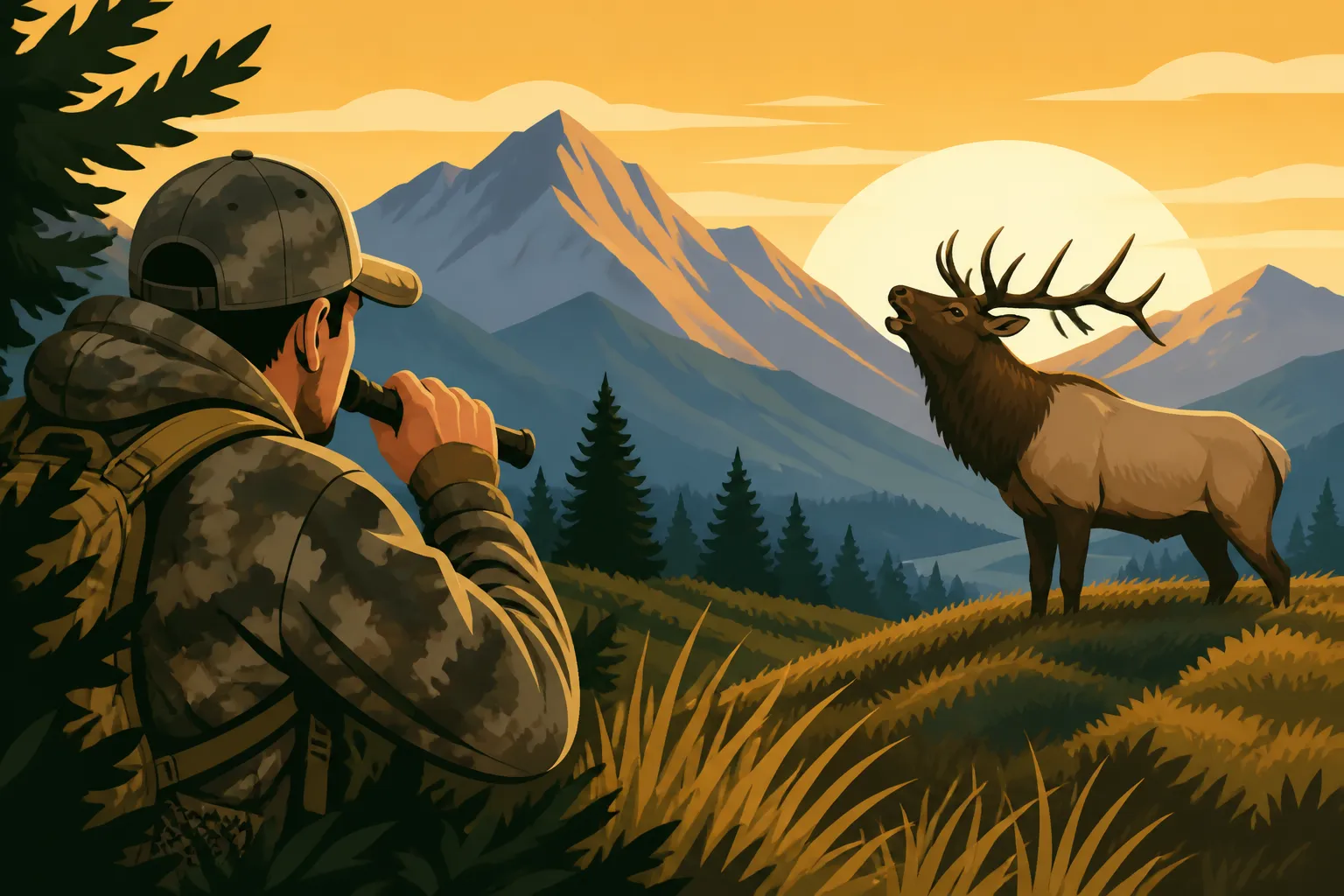
Montana Elk Hunting: Calling Tactics
Heading out to chase elk in Montana is an experience like no other, but anyone who’s spent time in the field knows the sheer frustration of trying to locate or draw in those elusive animals. It feels like you're speaking a foreign language sometimes, especially when they just clam up or disappear into the timber. This guide is all about demystifying Montana elk calling tactics, helping you understand their vocalizations, refine your approach for different situations, and ultimately, put you closer to success.
Deciphering the Elk Language: Understanding Their Vocalizations
Before you can effectively talk to an elk, you've got to understand what they're saying. Elk are incredibly vocal animals, and their calls convey a wide range of emotions and intentions, from challenge and dominance to contentment, fear, and even sexual readiness. Ignoring these nuances or misunderstanding them is like shouting at someone in a busy marketplace – you might make noise, but you're probably not communicating effectively.
The vastness of Montana's landscape, from dense timber to open sagebrush hills, means that elk have evolved a complex communication system that works across varied terrain and distances. Learning this language is your first and most crucial step in becoming a more successful elk hunter. It’s not just about making sounds; it's about understanding the context, the volume, and the rhythm of those sounds.
The Language of Bulls: Bugles and Grunts
Bull elk vocalizations are often the most thrilling and, frankly, the most intimidating sounds in the woods. Their bugles are iconic, echoing through canyons and across ridges, but they’re not all the same. A bugle can be a locator call, a challenge, a display of dominance, or even an expression of frustration.
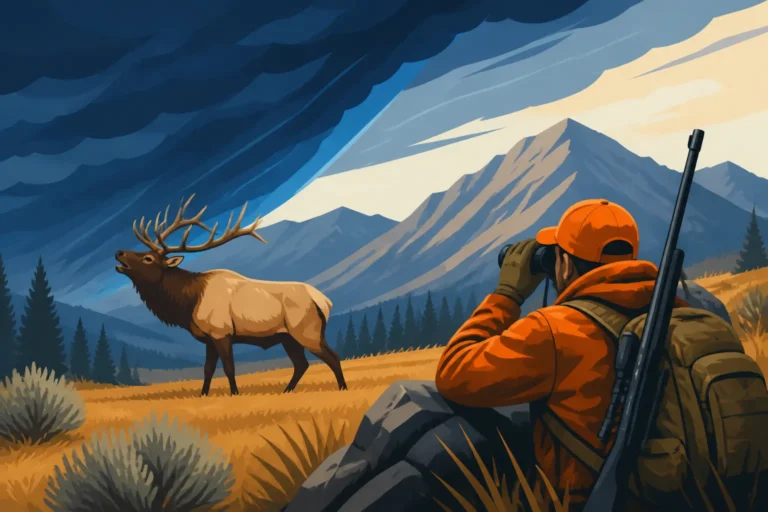
During the early archery season, especially as the rut approaches, a bull's bugle might be a high-pitched scream with a deep chuckle at the end, a clear challenge to other bulls in the area. A lone, soft bugle might just be a bull trying to find company. Understanding the difference is key. When you hear that long, drawn-out challenge bugle, often followed by thrashing in the timber, you know there’s an aggressive bull ready to defend his cows or territory. Conversely, a quiet, almost questioning bugle from deep in a ravine might be a solitary bull looking for other elk. This is particularly true when you are trying to learn how to bugle for Montana elk. Paying attention to the tone, volume, and repetition will tell you a lot about the bull's mood and his proximity.
The Language of Cows and Calves: Mews, Chirps, and Barks
While the bull's bugle gets all the glory, cow and calf calls are arguably the most versatile and consistently effective tools in a hunter's arsenal. These sounds communicate contentment, anxiety, curiosity, and estrus, making them incredibly powerful for drawing in bulls, cows, and even calves.
The common cow call, a short, nasally mew, can signify a contented elk, a cow looking for her calf, or a cow trying to locate other members of the herd. These soft mews are often your best bet for subtle communication, especially when elk are wary. Calves often make higher-pitched chirps or mews, communicating distress or seeking their mother. An estrus call, a longer, more drawn-out mew, signals a cow ready to breed, and it's a potent attractant for rutting bulls. Finally, the sharp, sudden alarm bark from a cow or calf is a signal that something is wrong, and it will often send the entire herd scattering. Mastering these sounds means knowing when to be subtle and when to be more assertive, often dictating your success on a given hunt. You can learn more specific details in our guide on how to cow call Montana elk.
Situational Calling Strategies for Montana Elk
Knowing what sounds elk make is one thing; knowing when and how to use them effectively in the vast, unpredictable landscapes of Montana is another. The terrain, time of year, and pressure from other hunters all play a massive role in how elk respond. What works brilliantly in the peak of the rut in a remote wilderness area might fall completely flat, or even spook elk, during the general rifle season in a heavily hunted district.
The key to successful calling is adaptation and realism. You're not just trying to make noise; you're trying to paint a picture with sound, to make the elk believe there's another elk in front of them, engaging in natural behavior. This requires not only making the right call but doing it at the right time, with the right cadence, and from the right setup.
Locating and Approaching Elk
Often, your first objective in Montana elk country is simply to find the elk. They live in dense cover, across vast distances, and are constantly on the move. Once you've located them, the challenge shifts to approaching them without being detected, and calling can be instrumental in both phases.
When glassing vast basins or hiking through timber, a simple locator bugle can be your best friend. It doesn't have to be a full-blown challenge; a single, clear bugle can elicit a response from a bull announcing his presence, or even a cow mewing in return. Once you've pinpointed their general location, you need to assess the terrain and wind. As you move closer, switch to softer, more subtle cow mews and chirps. These sounds suggest contentment and can help you gauge their proximity and movement without alarming them. Remember, elk are always listening, and a quiet, patient approach, punctuated by soft, inquisitive calls, will often bring you into their zone without being noticed. Consider using a tool like GoHunt's mapping and data platform to help you identify likely bedding and feeding areas to narrow down your search before you even step foot in the woods.
Calling During the Rut: Aggression and Persuasion
The rut, typically from mid-September to early October, is prime time for calling, especially for archery elk tactics for the rut in Montana. Bulls are highly susceptible to both aggressive challenge bugles and seductive estrus mews. This is when the "language of bulls" really comes alive.
If you hear a bull bugling aggressively, don't be afraid to respond with a strong challenge bugle of your own, especially if you have a partner who can set up behind you to mimic a "satellite" bull. This can often draw him in, ready for a fight. Sometimes, raking a tree with a branch or your bugle tube can add to the realism, simulating a bull rubbing his antlers. For drawing in less aggressive bulls, or those with cows, persistent estrus mews and contented cow chirps can be incredibly effective. A bull with a harem might be reluctant to leave his cows but could be persuaded to come investigate a "hot" cow if he believes she's getting too close to a rival bull. Patience is crucial here; sometimes it takes a good 20-30 minutes of intermittent calling to draw a reluctant bull into range. For those seeking to hunt the rut in Montana, these calls are essential.
Calling Outside the Rut and Post-Rut: Subtle Approaches
Once the rut begins to wind down, usually in late October and November, calling tactics need to shift dramatically. Bulls are often exhausted, cows are bred, and the intense vocalizations of the rut mostly cease. Overly aggressive calling at this time will likely spook elk. However, calling can still be effective if done subtly.
During the post-rut, and even into the late-season elk hunting in Montana, focus on quiet, contented cow and calf mews. These calls mimic the normal sounds of a herd moving or feeding peacefully. If you're trying to locate elk, a soft, inquisitive mew might elicit a response without alarming them. Bulls, while not as vocal, may still be curious, especially if they’re solitary and looking for company. It’s a game of patience and finesse. Sometimes, a series of soft mews followed by silence, and then another series, can spark curiosity. The goal is to sound like just another elk, not a hunter.
Dealing with Pressured Elk in Montana
Montana public land hunting strategy often means dealing with pressured elk, which are notoriously difficult to call. They've heard it all, and they've often associated unnatural calling with danger. This is where realism and subtlety become paramount.
When hunting in areas with high hunter pressure, ditch the aggressive bugles unless you’re absolutely certain you're calling a truly hot, unpressured bull. Instead, focus on soft, single cow mews or quiet calf chirps. These calls are less threatening and more likely to pique an elk's curiosity without raising their guard. If you do bugle, keep it short, quiet, and infrequent, mimicking a bull just passing through or trying to locate his cows. Setting up in dense timber, away from obvious trails, and using the wind to your advantage are all critical. Sometimes, the best calling tactic for pressured elk is to call very little, or to only respond to an elk's vocalizations, letting them dictate the conversation. Thinking about how to hunt elk in Montana's wilderness or even some of the more accessible areas, knowing how to approach pressured elk is invaluable.
Essential Calling Gear and Mastering Your Craft
Having the right tools is important, but more important is knowing how to use them effectively. An expensive call in the hands of an inexperienced caller is far less effective than a simple reed call wielded by someone who truly understands elk vocalizations. Practice, realism, and confidence are your best allies.
Types of Elk Calls and Their Uses
Elk calls come in a variety of styles, each with its own advantages and learning curve. Choosing the right call often depends on your personal preference, comfort level, and the specific sounds you're trying to replicate.
| Call Type | Description | Best Use Cases | Pros | Cons |
|---|---|---|---|---|
| Diaphragm Calls | Small latex reed held in the roof of the mouth; requires air from lungs/tongue | Versatile for all elk sounds, especially cow mews, chirps, and bull bugles. | Hands-free, realistic sounds, wide range of tones. | Steep learning curve, can be uncomfortable for beginners. |
| Bugle Tubes | External tube used to amplify diaphragm calls or create bugles directly. | Amplifying bugles, creating deeper chuckles, locator calls. | Adds volume and realism to bugles, deep chuckles. | Requires diaphragm call or external reed to make sound, bulky. |
| External Reed Calls | Hand-held call with an external reed; often push-button or bite-and-blow. | Beginner-friendly for cow mews, chirps, and some estrus calls. | Easy to learn, consistent sound, good for quick responses. | Less versatile than diaphragm, can sound less natural, often requires hands. |
| Open Reed Calls | Hand-held call with an open reed, often for cow and calf sounds. | Versatile for a range of cow and calf mews, chirps, and distress calls. | Good realism, often produces unique tones. | Can be sensitive to moisture, requires practice for pitch control. |
When I head out on a Montana DIY elk hunting guide adventure, I always have a variety of calls with me. Typically, I carry several diaphragm calls with different reed cuts for various cow and bull sounds, and a quality bugle tube like those from Bugling Bull Game Calls or Phelps Game Calls. Having an external reed call as a backup or for quick, hands-free mews can also be a game-changer when an elk pops up unexpectedly.
Mastering Your Craft: Practice and Realism
Just owning a call won't make you an elk whisperer. The true magic happens through consistent practice and a relentless pursuit of realism. Elk have incredibly keen hearing, and they've heard plenty of bad calls from hunters over the years. Your goal is to sound like the real deal.
Start practicing long before hunting season opens. Listen to real elk vocalizations online or through apps like GoHunt, which often include sound libraries. Record yourself and compare your calls to actual elk sounds. Pay attention to pitch, duration, and cadence. Are your mews soft and pleading, or do they sound forced? Does your bugle have that raw, guttural chuckle at the end? Practice in varying environments, simulating real hunting conditions. If you're going into dark timber, practice calling softly. If you'll be in open country, practice projecting your calls. Being able to effortlessly switch between calls and adapt to the situation is a skill that only comes with dedication. Think about practicing these tactics as part of your physical preparation for a Montana elk hunt, as calling can be quite demanding, especially when doing aggressive bugles.
Common Calling Mistakes and How to Avoid Them
Even seasoned hunters make mistakes, especially when the adrenaline is pumping. When it comes to elk calling in Montana, a small error can quickly turn a promising encounter into a vanished opportunity. Being aware of these common pitfalls and actively working to avoid them will drastically improve your success rate.
Many hunters, eager for a response, fall into the trap of either overcalling or undercalling, or they simply fail to consider the environmental factors that dictate how their sounds carry. Sometimes, the biggest mistake isn’t the sound itself, but the lack of preparation in your setup, which leaves you vulnerable when an elk responds.
Overcalling and Undercalling: Finding the Right Balance
One of the most frequent mistakes I see, especially with newer callers, is either calling too much or not enough. Both can be detrimental to your hunt. Overcalling can quickly alert elk to your presence as a human, making you sound unnatural or too aggressive for the situation. It’s like badgering someone – eventually, they just want you to leave.
Conversely, undercalling can leave a bull wondering if you're even there, or if the "elk" he heard was just his imagination. He might bugle once, and if he gets no response, he'll simply move on. The key is to find that delicate balance, often dictated by the elk's behavior. If a bull is screaming back at every call, by all means, engage. If he’s giving soft, infrequent mews, respond in kind. A good rule of thumb is to let the elk dictate the conversation. Respond to their volume, their frequency, and their apparent mood. Sometimes, subtle and infrequent calls are much more effective at piquing curiosity without raising suspicion. For hunters learning how to hunt elk in Montana, this is a crucial skill to develop.
Ignoring Wind and Thermals: The Silent Game Breakers
Sound travels, but scent travels with the wind, and thermals dictate how sound and scent move through mountainous terrain. Ignoring these environmental factors is a surefire way to get busted, even if your calling is impeccable. Elk have an incredible sense of smell, far superior to their hearing.
Always position yourself so that the wind is blowing your scent away from where you expect the elk to come from. This often means setting up across a drainage or on a ridge where the wind is consistent. Thermals, which are rising air currents in the morning and falling air currents in the evening, will carry your scent and sound up or down mountain slopes. If you call an elk in and the thermals shift, your perfect setup can quickly become compromised. Understanding how to use the wind hunting Montana elk and how to use thermals in Montana elk country are just as vital as understanding your calls. Scout your approach, consider your calling strategy based on the wind, and be prepared to adjust positions if conditions change. A good hunter is always playing the wind and thermals, not just their calls.
Poor Setup and Hunter Movement: Getting Busted
You've made the perfect call, and a bull is charging in, only for him to slam on the brakes and bolt. More often than not, this is due to poor setup or unnecessary movement. Elk, especially on public land, are incredibly wary of anything that looks or sounds out of place.
When calling, always position yourself with good cover. This doesn't mean hiding completely, but rather breaking up your silhouette behind a tree, a large rock, or a dense bush. If you're calling solo, this means being ready to draw your bow or shoulder your rifle as soon as you stop calling. If you have a partner, have them set up 40-80 yards ahead of you as the "shooter," while you, the "caller," remain behind. This allows the elk to focus on the sounds you're making, drawing them past your shooter. Avoid any sudden movements. If an elk is looking your way, freeze. Even the slightest twitch of an arm can give you away. This discipline is particularly important when applying Montana archery elk hunting tactics, where close encounters are key and elk are often more alert to subtle movements.
Disclaimer
Hunting is an inherently dangerous activity. The information provided in this guide is for informational purposes only and should not be taken as a substitute for professional guidance, thorough research, or mandatory hunter education courses. Always adhere to all local, state, and federal hunting regulations and laws. Safety should always be your top priority.