Montana Wilderness Pack-In Outfitters
For many hunters, the ultimate dream isn't just a successful harvest, but an immersive, challenging experience far from the roads and crowds. Montana's vast wilderness offers exactly that, but venturing into its remote corners requires careful planning, significant effort, and often the specialized support of wilderness pack-in outfitters. This guide will walk you through what these unique hunts entail, how to prepare, and how to select the right partner for your backcountry adventure.
The Lure of the Montana Wilderness Pack-In Hunt
There's something profoundly different about a hunt where the closest road is miles, or even days, behind you. The air feels crisper, the silence is deeper, and the sense of self-reliance is amplified. Montana's designated wilderness areas and vast national forests provide an incredible backdrop for these adventures, but they demand respect and thorough preparation.
Defining the Wilderness Pack-In Experience
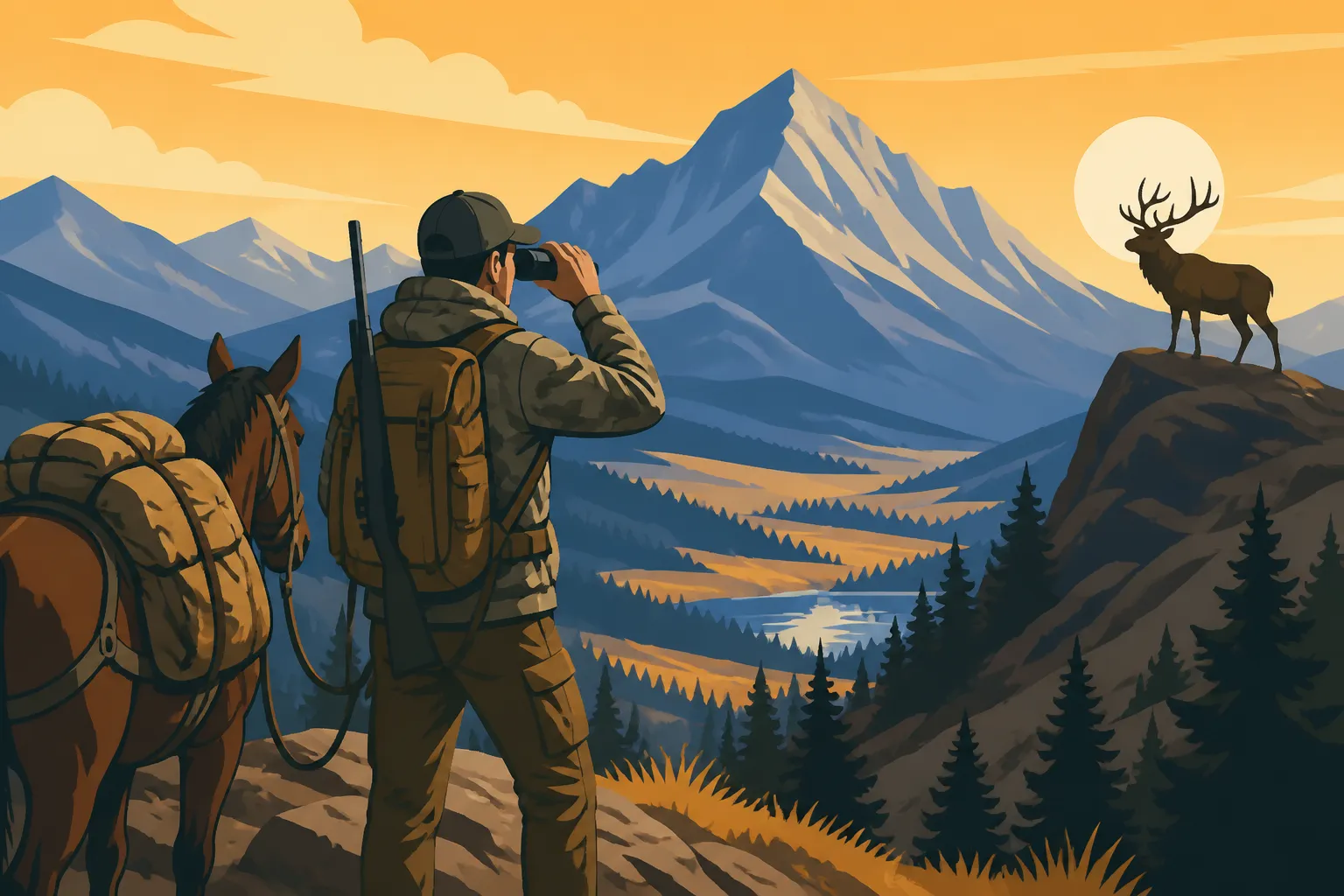
When we talk about a "wilderness pack-in hunt" in Montana, we're not just talking about a remote camp accessed by a long drive on a forest service road. We're talking about an experience that typically involves horses or mules packing you and your gear deep into roadless areas, sometimes over high mountain passes and through dense timber. Your camp isn't just off the beaten path; it is the beaten path for days or even a week or more. It’s an immersion into the backcountry, far from cell service, easy resupply, and the sounds of civilization.
This type of hunt is for those who truly want to escape and embrace the solitude and challenge of hunting in its purest form. It often means going where the game sees fewer human encounters, where elk might be less pressured and mule deer bucks more inclined to hold their ground. You're trading comfort for authenticity, and potential easy access for unparalleled wilderness beauty. It's an experience that tests your resolve, strengthens your connection to the wild, and creates stories that last a lifetime. Many outfitters specialize in these deep wilderness trips, offering everything from fully guided experiences to simpler drop camp services, which we'll explore shortly. It’s truly a way to engage with Montana Backcountry Hunting Guide.
Why Hunters Seek the Deep Backcountry
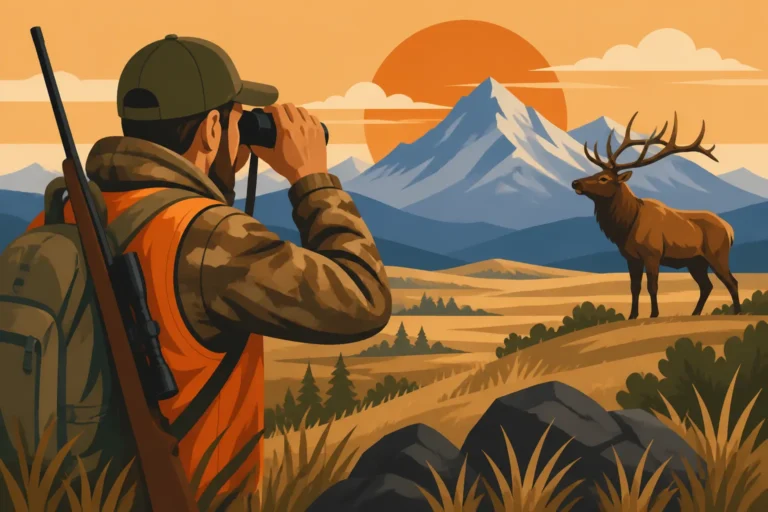
The reasons hunters are drawn to the deep backcountry are as varied as the landscapes themselves. For many, it's about escaping the pressure found closer to trailheads and roads. In Montana, especially during general rifle season, certain areas can see a significant amount of hunter traffic. Pushing miles into the wilderness often means fewer orange vests and more undisturbed game. It's a chance to hunt animals that haven't been constantly bumped and pressured, which can lead to more natural behavior and, potentially, better success.
Beyond the tactical advantage, there's an undeniable allure to the challenge. A wilderness hunt demands more from you physically and mentally. It requires a different level of fitness, a stronger commitment to gear preparation, and a greater self-reliance. Successfully navigating and hunting in true wilderness instills a profound sense of accomplishment. It's also an opportunity for unparalleled solitude and connection with nature. Imagine waking up to a pristine mountain sunrise, the only sounds being a distant elk bugle or the rush of a mountain stream. This deep immersion is the very essence of why people pursue Montana Wilderness Area Hunting.
Understanding Different Pack-In Hunt Styles
Wilderness pack-in hunts aren't a one-size-fits-all offering. Outfitters typically provide a spectrum of services, ranging from highly inclusive, fully guided experiences to more independent drop-camp options. Understanding the distinctions is crucial for choosing the right adventure for your skill level, budget, and desired level of comfort.
Fully Guided Wilderness Hunts
A fully guided wilderness pack-in hunt is the most comprehensive option. When you book one of these, you're essentially signing up for a complete wilderness immersion with all the heavy lifting handled by experienced professionals. This means the outfitter provides the horses and mules for transport, guides who know the terrain and game behavior intimately, cooks for your meals, and comfortable camp accommodations. You'll typically ride horseback with your guide deep into the hunting grounds, often to remote wall tent camps equipped with wood stoves and cot beds. The guides are there to scout, locate game, assist with stalks, and help with field dressing and packing out your animal.
This option is ideal for hunters who want to maximize their time hunting without worrying about the logistics of setting up camp, cooking meals, or navigating unfamiliar, rugged terrain. It’s also a fantastic choice for those new to backcountry hunting or for those seeking to learn from seasoned pros. The cost is generally higher due to the extensive services provided, but it offers a seamless and highly supported wilderness experience. Outfitters on platforms like BookYourHunt often list these types of trips with detailed inclusions, giving you a clear picture of what's covered.
Drop Camps: Your Wilderness Basecamp
Drop camps offer a middle ground between a fully guided hunt and a completely DIY backcountry adventure. With a drop camp service, the outfitter's primary role is to pack you, your gear, and your food into a pre-established or agreed-upon remote camp location, and then pack you and any harvested game out at the end of your hunt. The camp itself is typically set up by the outfitter before your arrival, usually consisting of sturdy wall tents, cots, a cooking area, and maybe even a wood stove for heat. Once dropped off, you and your hunting party are entirely self-sufficient for the duration of your stay.
This style of hunt requires a significant level of self-reliance, wilderness experience, and hunting knowledge. You'll be responsible for all aspects of your daily hunt, including navigation, game finding, cooking, and camp chores. While the outfitter provides the means to get deep into the wilderness, the success of your hunt and your safety largely depend on your group's skills and preparedness. It’s a more affordable option than a fully guided hunt and offers a greater sense of autonomy. This is an excellent choice for experienced hunters who cherish the independence of a DIY hunt but lack the horses or time to pack in all their gear themselves. For more details on setting up such a camp, you might find How to Set Up a Montana Spike Camp useful.
Here's a quick comparison of the two primary pack-in styles:
| Feature | Fully Guided Wilderness Hunt | Drop Camp Wilderness Hunt |
|---|---|---|
| Outfitter Role | Provides guides, cooks, horses, camp setup, game locating, packing | Provides horses, transports hunters/gear to/from camp, camp setup (basic) |
| Hunter Responsibility | Hunt, follow guide, enjoy experience | Hunt, cook, navigate, manage camp, field dress, self-reliant |
| Experience Level | Beginner to advanced backcountry hunters | Experienced backcountry hunters, strong navigation skills |
| Cost | Higher, due to extensive services | Lower, as services are limited to transport and basic camp |
| Support | High level of support, expert guidance | Minimal support once dropped off, self-reliance is key |
| Comfort | Generally more comfortable camp amenities and prepared meals | Basic camp, hunters manage all food and camp needs |
| Independence | Less independent, follow guide's lead | Highly independent, freedom to plan own hunts |
Preparing for Your Montana Wilderness Adventure
Successfully navigating a Montana wilderness pack-in hunt goes far beyond simply drawing a tag. It demands a serious commitment to physical conditioning and meticulous gear preparation. The mountains of Montana are breathtaking, but they are also unforgiving if you're not ready.
Physical and Mental Conditioning
Montana's backcountry is rugged, steep, and often at high elevation. Whether you're riding a horse all day or hoofing it up and down drainages on foot from your drop camp, your body will be pushed. Even on a horse, you'll likely be dismounting to walk steep sections, climb to glassing points, or execute a stalk. For anyone considering a wilderness hunt, physical fitness is not optional; it's a necessity for both success and safety. A strong cardiovascular base, powerful legs, and a resilient core will make a world of difference. Start your training months in advance, incorporating hiking with a weighted pack, stair climbing, and general strength training. Think about carrying a 40-50 pound pack for multiple miles over uneven terrain – that's often what's required for packing out meat, even with horse support for the heavy lifting.
Beyond the physical, mental toughness is paramount. You'll face unpredictable weather, long days, early mornings, and the inevitable frustrations that come with hunting wild animals in expansive country. The ability to stay positive, persevere through discomfort, and maintain focus is just as important as your physical strength. Being mentally prepared for the grind, for solitude, and for the possibility of going days without seeing an animal will enhance your experience, regardless of the outcome. Consider reading How to Physically Prepare for a Montana Elk Hunt for more in-depth training advice.
Essential Gear for the Backcountry
Your gear is your lifeline in the Montana wilderness. Every item you bring must serve a purpose, be reliable, and be appropriate for the conditions you might encounter. Weather in the mountains can change on a dime, from warm sunshine to blizzards in a matter of hours, even in early archery season. Layering is critical, starting with moisture-wicking base layers, insulating mid-layers, and a durable, waterproof outer shell. Expect cold mornings, even in September.
Footwear is another non-negotiable area. High-quality, broken-in hunting boots are essential for comfort, support, and preventing blisters during long miles over rough ground. Beyond clothing, consider robust optics (binoculars, spotting scope, rangefinder) for glassing vast landscapes, a reliable headlamp with extra batteries, navigation tools (GPS, map, compass – and know how to use them without power), and a first-aid kit. Water filtration or purification is also crucial, as you'll often rely on natural sources. For drop campers, add cooking equipment, sufficient food, and emergency communication devices like a satellite messenger. Remember, whatever you bring, you or a horse has to pack it in and out, so prioritize essentials. Montana Backcountry Hunting Gear List offers a comprehensive rundown, and you'll want to pay special attention to articles like Best Boots for Montana Elk Hunting and Best Backpack for a Montana Elk Hunt.
Choosing and Booking Your Wilderness Pack-In Outfitter
Selecting the right outfitter is arguably the most critical step in planning a successful and enjoyable Montana wilderness pack-in hunt. Your outfitter is your partner in this endeavor, and their experience, reliability, and ethics will directly impact your adventure. Don't rush this decision.
Vetting Potential Outfitters
The market for hunting outfitters can be vast, and it’s important to do your homework. Start by researching outfitters who specifically advertise wilderness pack-in or drop camp services in Montana. Websites like BookYourHunt can be a good starting point, as they often compile lists of reputable operations with client reviews. Similarly, resources like GoHunt can provide insights into different hunting districts, which might help you narrow down areas where specific outfitters operate. Once you have a shortlist, the real vetting begins.
- Check Licensing and Insurance: Ensure the outfitter is fully licensed by the state of Montana and carries appropriate insurance. This protects both you and the outfitter.
- Request References: Ask for a list of recent clients you can contact. Speaking directly with previous hunters will give you invaluable insight into the outfitter's professionalism, camp quality, guide competency, and overall experience. Ask about things like food, equipment maintenance, guide-to-hunter ratio, and how they handle unexpected situations (like bad weather or a missed animal).
- Discuss Communication: How responsive is the outfitter to your inquiries? Clear and timely communication is a good indicator of their overall professionalism.
- Inquire About Hunt Areas: Understand where they primarily operate. Some outfitters have permits for specific wilderness areas like the Bob Marshall, while others focus on national forest lands. Different areas offer different challenges and game populations.
- Safety Protocols: Ask about their safety plan for emergencies, including communication in remote areas, first aid training, and evacuation procedures.
Remember, a good outfitter isn't just selling a hunt; they're selling an experience. You want someone who prioritizes client safety and satisfaction. For more general advice on selecting a guide, refer to How to Choose a Montana Hunting Outfitter.
What to Expect in Terms of Cost and Logistics
The cost of a Montana wilderness pack-in hunt can vary widely depending on whether you opt for a fully guided experience or a drop camp, the duration of the hunt, the species pursued (elk, mule deer, moose, bighorn sheep, mountain goat are all possibilities depending on tags), and the outfitter's reputation and amenities. Fully guided trips will naturally be at the higher end, covering all aspects from horses to food to expert guidance. Drop camps, while still a significant investment, will generally be less expensive as they involve fewer services. Always get a detailed breakdown of what's included and what's not, particularly regarding licenses, tags, meat processing, and taxidermy. Don't forget to budget for tips for guides and cooks, as this is a customary and expected part of the industry.
Logistically, expect to coordinate travel to a rendezvous point, often a small Montana town near the wilderness access. From there, the outfitter will typically transport you to the trailhead where the pack string awaits. Plan for limited communication once you're in the backcountry, so make sure loved ones know your itinerary and emergency contact information. Ensure you understand the outfitter's policy on game retrieval, particularly if you're doing a drop camp. Will they come back to pack out your animal as soon as you call, or is it on a set schedule? Clarify these details upfront to avoid any unwelcome surprises during your hunt. Understanding the full scope of Montana Guided Elk Hunt Cost can give you a general idea of what to expect for a premier big game hunt.
Disclaimer
This article is for general informational purposes only and does not constitute professional advice. Laws, prices and regulations vary by location and change over time. Consult a qualified professional for guidance on your specific situation.