Montana Guided Antelope Hunt: What to Expect
Planning a guided antelope hunt in Montana can feel like stepping into the unknown, especially if you're traveling from out of state or are new to hunting the vast plains of the Big Sky Country. Many hunters wonder what a typical day looks like, what they're truly paying for, and how to best prepare for an experience that's often far removed from hunting timbered mountains. This guide is designed to demystify the entire process, walking you through what you can genuinely expect from a guided antelope hunt in Montana, from the moment you book to the joyous (and sometimes tiring) aftermath of a successful stalk.
The Unique Experience of a Guided Montana Antelope Hunt
Montana antelope hunting is a world apart from pursuing elk in the high country or deer in thick river bottoms. It's often characterized by vast open spaces, incredible long-range glassing, and exhilarating spot-and-stalk tactics. When you sign up for a guided antelope hunt, you're not just getting a guide; you're often gaining access to prime private land, years of local knowledge, and an experienced eye for these incredibly wary animals.
The Landscape and Hunting Methods
Forget dense forests or steep mountain ascents for a moment. Montana's prime antelope country, especially in the eastern and central parts of the state, is defined by its expansive grasslands, rolling hills, sagebrush flats, and agricultural fields. This is truly the domain of the pronghorn, an animal built for speed and possessing incredible eyesight. Your outfitter will typically operate on a combination of private ranches, Block Management Areas (BMAs), and carefully selected public land parcels. This blend of access is crucial because antelope don't stay put, often moving between different properties based on forage, water, and pressure.
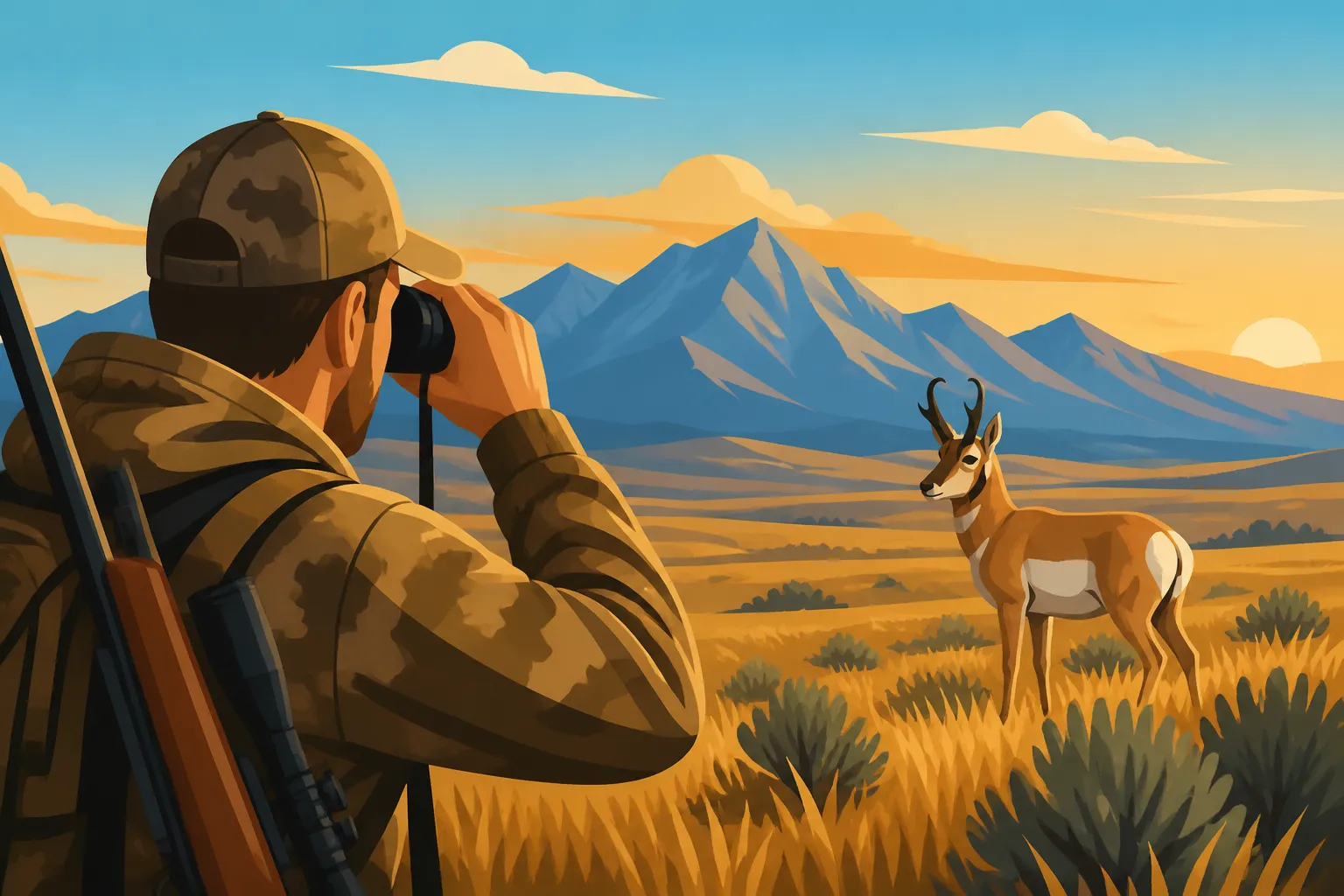
The primary hunting method for antelope is the spot-and-stalk. This involves extensive glassing from elevated positions, using high-quality binoculars and spotting scopes to locate bucks. Once an antelope is spotted and deemed worthy, the real work begins: planning an approach. This is where your guide's expertise shines. They'll know the subtle terrain features—the cuts, the coulees, the folds in the land—that allow for a stealthy approach, often covering significant distances on foot or by vehicle to get into position. You might spend hours driving and glassing, only to spend another hour or two carefully closing the distance to within shooting range. It's a game of patience, precision, and understanding the land. To dive deeper into how these unique areas are managed, you might find our guide to How to Use Block Management for DIY Hunts particularly insightful, even for guided trips, as outfitters frequently utilize these same resources.
A Typical Day on an Antelope Hunt
A guided antelope hunt day typically starts early, often before dawn, with a hearty breakfast at your lodge or camp. After that, you'll head out with your guide, usually in a 4×4 vehicle, to start glassing. The morning light is often the best for spotting antelope as they feed and move. You'll spend a considerable amount of time behind optics, meticulously dissecting the landscape for any sign of a tan-and-white flash.
Once a buck is located, the discussion begins. Is it a shooter? What's the best approach? Your guide will lead the stalk, using their intimate knowledge of the terrain to keep you hidden. This can involve crawling through sagebrush, walking hunched over in a draw, or utilizing natural contours to stay out of sight. The stalk itself can be physically demanding, requiring quiet movement and sometimes long walks or low crawls. When you finally get into position, it’s all about steadying your nerves and making a clean shot. After a successful harvest, the outfitter will assist with field dressing, quartering, and packing out your animal. The afternoon might involve processing the animal, sharing stories, and relaxing before another early start, or continuing the hunt if you're after multiple tags or assisting a hunting partner. Our article on How to Glass for Montana Mule Deer offers transferable skills for effective glassing techniques in wide-open country.
Preparing for Your Montana Antelope Adventure
Preparation is paramount for any hunting trip, but for a guided antelope hunt in Montana, it takes on a slightly different flavor. You'll want to focus on specific gear, physical conditioning, and clear communication with your outfitter to ensure a smooth and successful experience.
Essential Gear and Optics
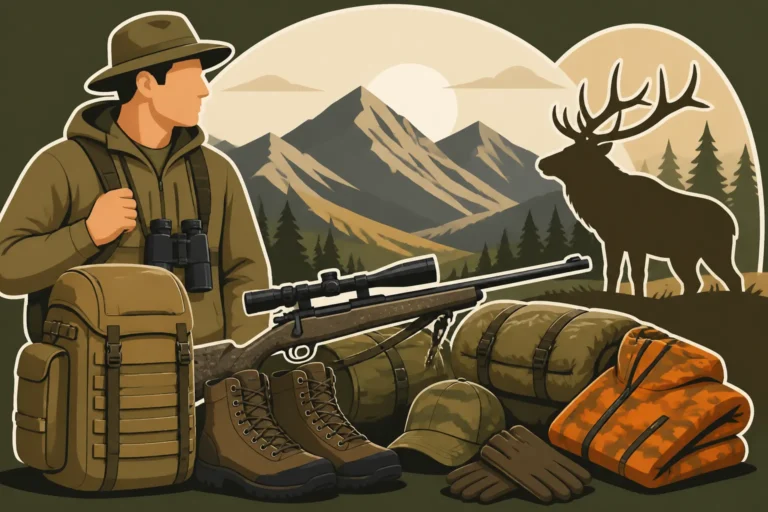
Your gear list will be slightly different than for a mountain elk hunt. Footwear is key—comfortable, broken-in hiking boots suitable for walking long distances over uneven, sometimes thorny, terrain are a must. You don't need heavy, stiff mountain boots, but something supportive and durable is essential. Clothing layers are crucial, as Montana weather can swing wildly from chilly mornings to hot afternoons. Think quick-drying synthetics, a good mid-layer fleece, and a packable wind/rain shell. Camouflage patterns should lean towards open country, like sagebrush or prairie patterns.
Optics are arguably the most critical component for antelope hunting. While your guide will have top-tier equipment, having your own quality binoculars (10x or 12x) and a spotting scope can greatly enhance your experience. You'll spend hours glassing, so comfortable optics with good light transmission will make a world of difference. A rangefinder is non-negotiable for accurate shot placement in the wide-open spaces. For rifle hunters, understanding Montana Long-Range Shooting Considerations will be beneficial, as shots can often be at extended distances compared to other hunting scenarios. Bowhunters will want to ensure their setup is tuned for speed and accuracy, and might consider specific strategies like those in How to Decoy Antelope in Montana.
Table: Key Gear Considerations for a Guided Montana Antelope Hunt
| Category | Essential Items | Considerations |
|---|---|---|
| Footwear | Broken-in hiking boots, comfortable socks | Support for long walks, thorn resistance, breathable. No need for heavy mountain boots. |
| Clothing | Layering system: base, mid, outer shell (wind/rain) | Quick-drying synthetics, open country camo patterns (tan, sage, brown). |
| Optics | Quality binoculars (10x-12x), spotting scope, tripod, rangefinder | Your guide will have good optics, but having your own enhances glassing time. |
| Weapon | Rifle (e.g., .25-06, .270, 6.5 Creedmoor), or bow | Must be sighted in and practiced with at varying distances. |
| Pack | Daypack | Large enough for water, snacks, extra layers, game bags, first-aid. |
| Misc. | Water bottles/bladder, snacks, headlamp, knife, game bags, sunscreen, lip balm | Hydration is key; plains hunting can be hot and dry. |
Physical Conditioning and Shooting Practice
While antelope hunting isn't typically as physically demanding as a high-country elk hunt, it's not a stroll in the park either. You'll be doing a lot of walking, often quickly, over uneven ground, crawling through sagebrush, and sometimes sprinting to get into position before an antelope spots you. Being in decent cardio shape will make the experience far more enjoyable and increase your success odds. Focus on walks with your hunting pack, incorporating some uphill sections if possible, and practice lunges and squats to build leg strength.
Crucially, practice your shooting. Antelope often present shots at longer ranges than you might be used to, typically between 200-400 yards, sometimes more. It's vital to be proficient with your chosen weapon at these distances. Practice shooting from various field positions—prone, kneeling, from shooting sticks—as you won't always have a perfect bench rest. Know your rifle's ballistics inside and out. If you're considering a bow hunt, ensure you've practiced shooting from a kneeling or sitting position, and that you understand the wind's effect on arrow flight. Your outfitter will expect you to be ready to make an ethical shot when the opportunity arises.
Communicating with Your Outfitter
This is perhaps the most overlooked aspect of pre-hunt preparation. Before you arrive, have clear conversations with your outfitter about their expectations and your own. Discuss the style of hunt (e.g., primarily driving and glassing vs. more walking), typical shot distances, trophy expectations (are you looking for a B&C buck or simply a solid mature animal?), and any physical limitations you might have. Platforms like BookYourHunt can be great for finding potential outfitters, but once you've made contact, personalized communication is essential.
Clarify what's included in the hunt package—lodging, meals, transportation during the hunt, field dressing, initial meat care, and caping. What about airport pickup? What licenses do you need? This is where research on sites like GoHunt, which often provides state-specific draw information, can be invaluable to understand the tags and application process. For non-residents, understanding Montana Nonresident License Draw Explained and how to navigate the complex system of points is critical, so ensure your outfitter is clear about what tags are generally attainable for their area or if they offer outfitter-sponsored tags. Knowing the Montana Antelope Season Dates will also help you plan your trip well in advance.
The Hunt Itself: From Arrival to Harvest
Stepping into Montana for your guided antelope hunt is an exciting moment. Knowing what to expect upon arrival and through the duration of your hunt will help you settle in quickly and focus on the task at hand.
Arrival and Orientation
Upon arrival, often at a regional airport like Billings Logan International or Great Falls International, your outfitter may offer transportation to the hunting lodge or designated meeting point. This is your chance to meet the team, get acquainted with the other hunters (if it's a group hunt), and go over the plan for the coming days. Expect an initial briefing where the outfitter will cover safety protocols, review the hunting area boundaries, discuss the local regulations, and outline the general itinerary. This is also when you'll usually confirm your shooting zero for your rifle or practice with your bow to ensure everything is spot-on after travel. A final confirmation of your rifle's zero with your guide present is crucial, often done at a nearby range on the first afternoon. This ensures both you and your guide are confident in your setup before heading out to the field.
Lodging can range from rustic bunkhouses on a working ranch to comfortable motels in a small town, or even a wall tent camp if you're venturing into more remote areas. Meals are typically provided and often hearty, focusing on fueling you for long days in the field. This initial orientation is also a great opportunity to ask any last-minute questions and get a feel for the local atmosphere. Understanding more about the broader context of Montana Hunting Districts Explained can give you a better grasp of where your outfitter operates and why.
The Dynamics of the Guided Hunt
The actual hunting experience will be a partnership between you and your guide. Your guide brings the knowledge of the terrain, animal behavior, and where to find the antelope. Your job is to listen, learn, and be ready when the opportunity arises. Flexibility is key; antelope are notoriously unpredictable, and what worked yesterday might not work today. You might spend hours patiently glassing, or you might be on the move constantly, covering miles by truck and on foot.
Expect your guide to be constantly scanning with high-power optics, often from the roof of their vehicle or a strategic vantage point. They'll be looking for subtle movements, flickers of white, or the distinct silhouettes of pronghorn against the horizon. When a buck is spotted, your guide will initiate the planning for the stalk, considering wind direction, terrain, and the antelope's behavior. They'll lead the way, ensuring you stay hidden and approach from the most advantageous direction. Communication will be mostly non-verbal during the stalk—hand signals, whispers, and gestures—so pay close attention. It's an immersive experience where you learn to "read" the landscape and the animal alongside an expert. For insights into general tactics, our article on How to Spot-and-Stalk Antelope in Montana offers more detail.
Post-Harvest Procedures and Logistics
Congratulations, you've harvested an antelope! Now what? Your guide will assist you with field dressing the animal quickly and efficiently to ensure the meat cools properly, especially in the often warm Montana early season temperatures. They'll help load the animal into the vehicle and transport it back to camp or a designated processing area. Many outfitters include initial meat care and caping for taxidermy in their packages. However, you'll need to discuss the specifics of meat processing and taxidermy with your outfitter well in advance.
Often, outfitters have arrangements with local meat processors and taxidermists, making it easier for out-of-state hunters. You'll be responsible for the cost of these services, which can add up, so factor them into your budget. Discuss options for shipping meat and trophies home, as this requires careful planning and proper documentation. Your guide will provide guidance on packaging, cooler requirements, and shipping logistics. Knowing the local resources will ensure your hard-earned meat and trophy make it home safely. Our article on How to Quarter an Elk in the Montana Backcountry provides general guidance on field processing that can be adapted for antelope.
Costs and Considerations Beyond the Hunt Fee
Understanding the financial commitment of a guided Montana antelope hunt goes beyond just the outfitter's fee. There are several other expenses and logistical details that need to be factored into your overall budget and planning.
Understanding the Financial Breakdown
The outfitter's fee is usually the largest single expense, but it's just one piece of the puzzle. You'll also need to budget for:
- Licenses and Tags: For non-residents, these can be substantial. You'll need a base hunting license, a conservation license, an AIS prevention pass, and the antelope tag itself. Applying for these often involves a draw system, and while some outfitters offer landowner preference or sponsored tags, you'll still pay the state fees. Researching Montana Hunting License Costs early is crucial.
- Travel Expenses: This includes airfare or fuel if driving, car rental, and potentially overnight stays before or after the hunt.
- Meat Processing and Taxidermy: As mentioned, these services are typically an additional cost and can vary widely based on the processor and the type of mount you choose.
- Shipping: Costs for shipping coolers of meat or crated trophies home.
- Tips: Tipping your guide is customary and expected. A general guideline is 10-20% of the hunt cost, based on effort, service, and success.
- Gear: Don't forget the cost of any new optics, clothing, or other gear you might need to purchase or upgrade.
A guided antelope hunt can be a significant investment, but the value comes in the expertise, access, and reduced stress of planning a DIY hunt in unfamiliar territory. For a general idea of costs, consider exploring our piece on How Much Does a Montana Antelope Hunt Cost, though remember prices can fluctuate.
Application Process and Draw Odds
Montana operates a draw system for many big game tags, including antelope, especially for non-residents. The application period usually occurs in the spring, with results typically released later in the spring or early summer. Many non-residents build preference points over several years to increase their draw odds for desirable units. For antelope, some units might be drawn with zero or one point, while others could require more.
Your outfitter will usually advise you on which hunt codes to apply for based on the units they operate in and your desired trophy quality. It's critical to submit your application correctly and on time. Websites like GoHunt often have excellent resources and tools to help you navigate draw odds and application strategies. Familiarize yourself with how Montana Preference Points vs Bonus Points work, as understanding this system is key to increasing your chances of drawing a tag. If you're a non-resident looking specifically at the 900 series antelope tags, understanding Montana Archery-Only Antelope 900 Tags or general Montana 900 Series Antelope Tags Explained is important, as these tags can offer different opportunities and draw odds.
When to Book and What to Look For
Booking a guided antelope hunt generally requires planning well in advance, often 1-2 years out, especially with reputable outfitters who book up quickly. The best time to book is as soon as you know your hunting season and have secured your preferred dates with an outfitter.
When choosing an outfitter, don't just go by price. Look for:
- Reputation: Check references, read online reviews (on platforms like BookYourHunt), and look for testimonials.
- Experience: How long have they been operating? How familiar are they with the specific hunting area?
- Transparency: Are they upfront about costs, what's included, and their success rates?
- Communication: Do they respond promptly and thoroughly to your questions?
- Safety: What are their safety protocols? Are their guides certified in first aid?
- Ethics: Do they prioritize fair chase and ethical hunting practices?
A good outfitter isn't just someone who puts you on game; they're someone who provides a safe, enjoyable, and memorable experience, regardless of the harvest outcome. Asking thorough questions, like those suggested in Questions to Ask a Montana Outfitter, is crucial before committing.
Disclaimer
This article is for general informational purposes only and does not constitute professional advice. Laws, prices and regulations vary by location and change over time. Consult a qualified professional for guidance on your specific situation.