Montana Hunting District 380 Overview
Navigating the vastness of Montana's hunting opportunities can feel overwhelming, especially when you're trying to pinpoint a specific area with confidence. Many hunters face the challenge of understanding the unique characteristics, access points, and specific regulations of individual hunting districts before they even set foot in the field. This comprehensive guide is designed to demystify Montana Hunting District 380, providing you with a detailed overview of its landscape, wildlife, access, and crucial considerations to help you plan a successful hunt.
Understanding Montana Hunting District 380's Terrain and General Features
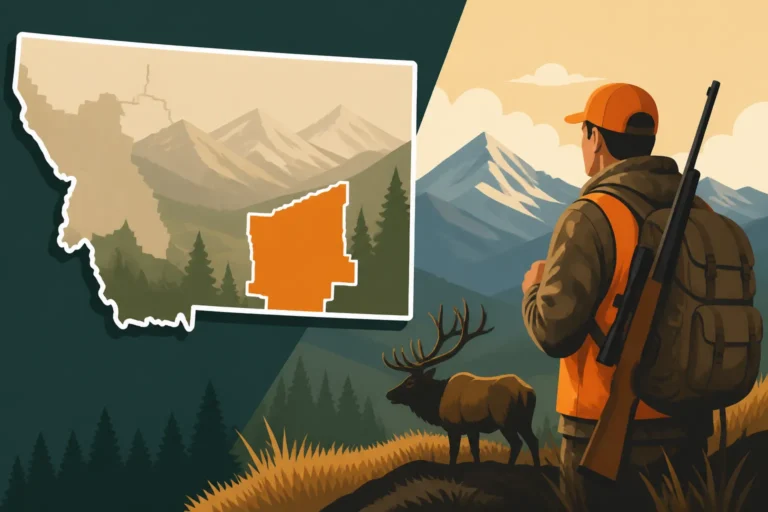
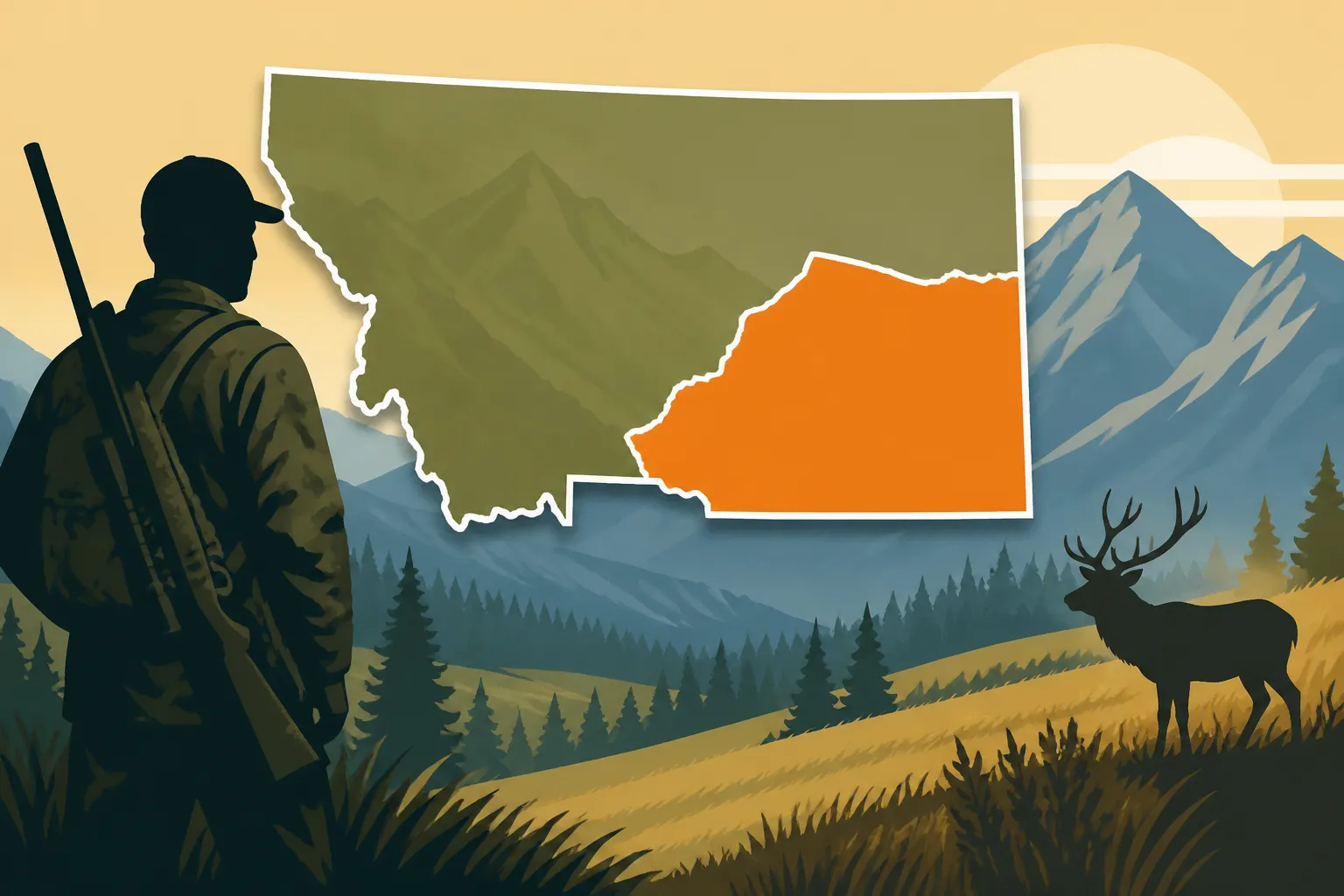
Hunting District 380 is a captivating and challenging region located in the heart of south-central Montana, primarily within the Madison Mountain Range. It's a district that offers a quintessential mountain hunting experience, characterized by its dramatic elevation changes, dense timber, and high-alpine basins. For those dreaming of a true wilderness hunt, HD 380 presents a rugged landscape that demands respect and thorough preparation.
Geographic Location and Landscape
District 380 spans a significant portion of the Madison Mountain Range, extending from the valley floors upwards into timbered slopes and high-elevation peaks. You'll find a striking blend of ecosystems here. The lower elevations often consist of mixed conifer forests and some riparian zones along creeks and rivers, while climbing higher, you'll encounter thick stands of lodgepole pine, Douglas fir, and spruce. As you ascend further, the timber thins into subalpine meadows, rocky scree fields, and eventually, the iconic granite peaks of the Madison Range. This diverse topography means animals can be found across a wide range of elevations throughout the hunting season, depending on weather and forage. Access points often lead from the Madison Valley on the west, or through various roads and trails coming from the east, making understanding the lay of the land critical for planning your approach.
Dominant Habitat Types and Wildlife Corridors
The primary habitat in HD 380 is undoubtedly mountainous forest, punctuated by open parks, clearings, and sagebrush benches at lower elevations. Water sources are plentiful, with numerous creeks and drainages carving through the mountains, providing vital resources for wildlife. These drainages often serve as natural travel corridors for elk and deer, especially during migration periods or when pressured. The high-country basins, particularly those with a mix of timber and open meadows, are crucial summer range for elk and mule deer. As the season progresses and snow begins to fall at higher elevations, animals will gradually move down into the timbered slopes and sheltered pockets, often concentrating in areas with good cover and south-facing aspects that melt snow more quickly. Understanding these migration patterns and preferred habitats is key to success, whether you're planning for an early archery hunt or a late-season rifle excursion.
Key Game Species Present
District 380 is renowned for its big game populations, offering opportunities for several highly sought-after species. Elk are undoubtedly the stars of this district, with a healthy population that draws hunters from across the country. You'll find both resident herds and migratory elk that move through the area. Mule deer also thrive in the varied terrain, particularly in the more open, broken country and higher elevation summer ranges. While less prevalent than mule deer, you might also encounter whitetail deer, especially in the riparian areas along the major river systems bordering the district. Beyond ungulates, black bears are common throughout the timbered regions, and opportunistic hunters can find success with proper scouting and tactics. For those holding special permits, the district also offers very limited opportunities for species like moose, bighorn sheep, and mountain goat, though drawing one of these highly coveted tags often takes many years of dedicated point building. For more general insights, you can explore our guide on what you can hunt in Montana.
Navigating Access and Public vs. Private Land in HD 380
One of the most critical aspects of hunting any district in Montana is understanding land ownership and access. HD 380 is a prime example of a district where public land is abundant but intertwined with private parcels, making accurate navigation absolutely essential.
Public Land Accessibility
A significant portion of Hunting District 380 falls within National Forest lands, primarily managed by the Beaverhead-Deerlodge National Forest. This means vast tracts of public ground are available for hunting. Access is often via established Forest Service roads, although many of these lead to trailheads for foot or horseback travel into roadless areas and wilderness study areas. You'll find numerous opportunities for Montana Backcountry Hunting Guide within HD 380. Additionally, some Bureau of Land Management (BLM) lands and Montana State Trust Lands are scattered throughout the district, particularly at lower elevations or on the fringes. It's crucial to correctly identify land boundaries to avoid trespassing, which brings us to our next point.
Private Land Considerations and Block Management
While public land dominates much of HD 380, private ranches and properties are interwoven, particularly in the valley bottoms and accessible lower slopes. These private parcels can hold significant numbers of game, especially during winter months or when animals are pressured. Gaining permission to hunt private land is always an option, but it often requires extensive networking and respectful outreach to landowners well in advance of the season.
Montana's Block Management Program (BMA) is a fantastic initiative that provides public hunting access to privately owned lands and some state lands through agreements with landowners. While specific BMAs can change year to year, some might exist within or adjacent to HD 380, offering additional hunting opportunities. Always check the Montana Fish, Wildlife & Parks (FWP) website for the most current BMA atlases and sign-up procedures for the specific hunting season you are interested in. Remember, Block Management Areas often have specific rules regarding hunter numbers, vehicle access, and hunting dates, so reading the individual BMA rules is non-negotiable.
Essential Mapping Tools for HD 380
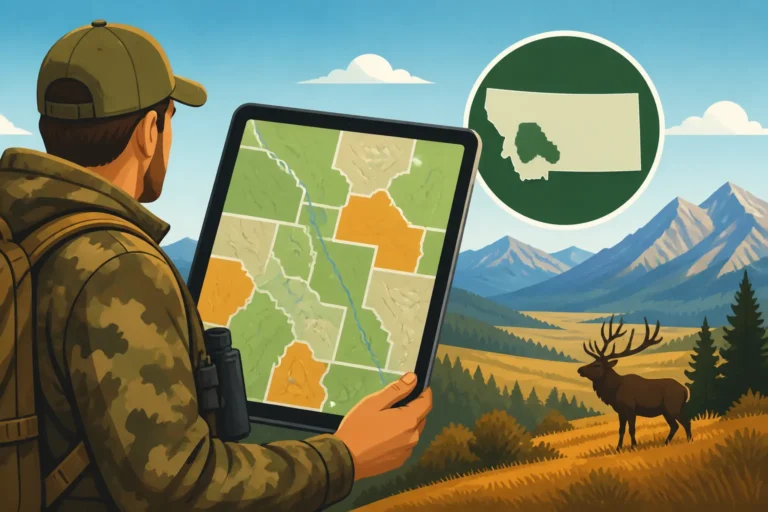
Given the complex patchwork of land ownership and the rugged terrain, reliable mapping tools are not just a luxury, but a necessity for hunting HD 380. Platforms like onX Hunt are invaluable for their ability to display property boundaries, landownership (public vs. private), topography, roads, trails, and even game unit overlays directly on your smartphone or GPS device. Being able to see exactly where you are in relation to public and private land, as well as wilderness boundaries, will save you immense headaches and keep you on the right side of the law. Before heading out, make sure you download offline maps, as cell service is often nonexistent in the deeper parts of this district. Learning How to E-Scout Montana Hunting Units using tools like onX can give you a significant advantage in identifying potential game hot spots and planning your routes long before you hit the trail.
Hunting Strategies and Species-Specific Tactics for HD 380
Hunting District 380 offers a diverse set of challenges and rewards, requiring adaptable strategies based on the species you're pursuing and the specific conditions of your hunt. The rugged nature of the Madison Range demands physical fitness and a solid understanding of animal behavior.
Elk Hunting Tactics
Elk hunting in HD 380 can be incredibly rewarding but often physically demanding. For early archery season, focusing on high-elevation basins where elk spend their summer can be productive. As the rut approaches, bugling and cow calling become incredibly effective tools for locating and drawing in bulls. Our detailed guide on How to Call Elk in Montana provides excellent starting points. Understanding thermals – the upward and downward movement of air currents – is also crucial in this mountainous terrain, especially when stalking. Elk will often move into dense timber during the day for security, making still-hunting through dark timber a viable tactic, though it requires extreme patience and quiet movement. Later in the general rifle season, hunting pressure will push elk into the thickest, nastiest cover, making deep pushes into roadless areas or targeting saddles and migration routes vital. For a broader understanding, refer to our Montana Elk Hunting Guide.
Deer Hunting Approaches
Mule deer in HD 380 primarily inhabit the higher, more open slopes and sagebrush country, moving into timber for cover. Spot-and-stalk is the most common and effective method for these animals. Spend your mornings and evenings glassing vast expanses of terrain, using quality optics to pick apart distant hillsides for the tell-tale shape of a buck. During the mid-day, check north-facing slopes and thick timber patches where they might be bedded. As winter approaches, mule deer will often migrate to lower elevations, following the snow line. For more in-depth strategies, check out our Montana Mule Deer Hunting Guide.
Whitetail deer, while present, are typically found in the lower, more riverine habitats on the periphery of HD 380. Hunting these can involve scouting river bottoms and agricultural edges for bedding areas and travel corridors, often utilizing ground blinds or tree stands.
Other Big Game Opportunities
Black bears are also present throughout HD 380, especially in the spring and fall. Spring bear hunting often involves glassing south-facing slopes and clear-cuts where bears feed on emerging vegetation. Fall bear hunting can be done opportunistically while hunting elk or deer, focusing on areas with abundant berry crops or natural food sources. Always be bear aware, especially when covering long distances in thick timber.
Moose, bighorn sheep, and mountain goat hunts in HD 380 are permit-only and extremely difficult to draw. If you are fortunate enough to draw one of these tags, thorough preparation, professional scouting (if possible), and extreme physical conditioning are paramount. These hunts often take you into the highest, most remote, and rugged parts of the district.
Montana FWP Regulations and Application Insights for HD 380
Understanding the specific regulations and application processes for Hunting District 380 is paramount to a lawful and successful hunt. Montana's system, especially for nonresidents, can seem complex, but breaking it down makes it manageable.
General Regulations and Specific Hunt Codes
Hunting District 380 is typically a general district for elk during the general rifle season, meaning if you draw a general elk license (like the Nonresident Big Game Combination license), you are eligible to hunt elk here without a separate permit. However, it's crucial to verify the current year's regulations as these can change. Always check the Montana FWP hunting regulations for HD 380. There may be specific archery-only dates, antler restrictions (e.g., spike elk are often protected), or antlerless opportunities that require a separate "B" license or permit. Deer regulations often follow similar patterns, with general deer licenses usually valid, but specific antlerless or "B" tags might be available for certain areas within the district or adjacent ones. Familiarize yourself with Montana Hunt Codes Explained, as these alphanumeric codes dictate specific species, weapon types, and areas.
License and Permit Application Details
For nonresidents looking to hunt elk and deer in HD 380, the primary path is typically applying for the Nonresident Big Game Combination License. This license includes your conservation license, base hunting license, fishing license, upland bird license, and a general elk and deer tag. The application period for this highly sought-after license usually runs from January through March 15th each year. Success in drawing this license often requires accumulating preference points. For special, limited-entry permits that might exist within HD 380 for specific elk or deer hunts (or the rare moose, sheep, or goat permits), you'll also accumulate bonus points. These permits are typically drawn in a separate lottery with much lower odds. Websites like GoHunt provide valuable resources for researching draw odds, point requirements, and application strategies for specific districts and species, helping you make informed decisions about where to apply. Our guide on the Montana Nonresident License Draw Explained can walk you through the entire process.
Critical Dates and Deadlines
Missing a deadline can mean missing out on your hunt entirely. Here are some key dates to keep in mind, though you should always verify these with the official Montana FWP website for the current year:
| Event | Typical Application/Season Dates (Always Verify!) |
|---|---|
| Nonresident Combo License Application | January 1 – March 15 |
| Preference Point Purchase | July 1 – December 31 (for following year's draw) |
| Moose, Sheep, Goat, Antelope Draw | March 1 – May 1 |
| Elk and Deer Permit Draws (if applicable) | March 1 – May 1 |
| Archery Season | Early September – Mid-October |
| General Rifle Season | Late October – Late November |
| Block Management Area (BMA) Access | Varies by BMA, check specific rules |
Understanding Montana Hunting Seasons Explained is crucial for planning. Don't forget that if you're pursuing other species, their season dates will differ. Always consult the most current Montana FWP regulations booklet before making your plans. Being proactive and organized with your applications and understanding the specific timelines for HD 380 will significantly enhance your chances of drawing a tag and having a successful hunting experience in this incredible part of Montana.
Disclaimer
Please note that hunting regulations, season dates, and land access can change annually. This guide provides general information based on typical patterns for Montana Hunting District 380. Always consult the official Montana Fish, Wildlife & Parks (FWP) regulations and maps for the most current and accurate information before planning and executing your hunt. It is the hunter's responsibility to know and abide by all laws and regulations.