Hunting the Rocky Mountain Front for Elk
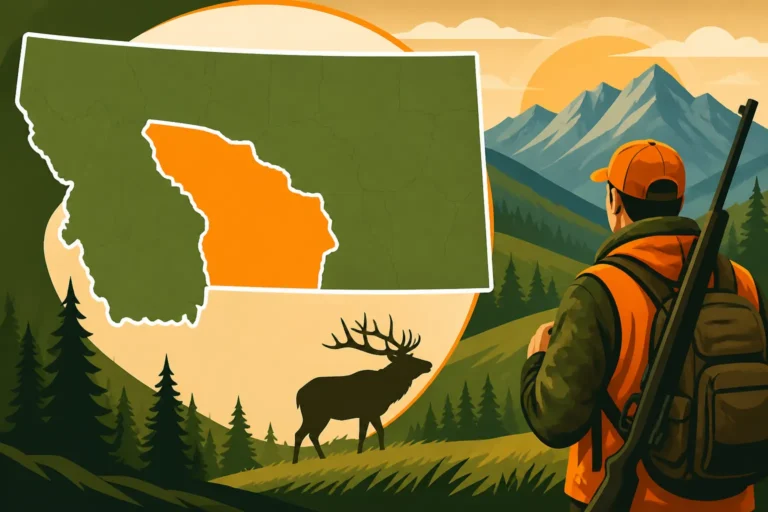
Hunting the Rocky Mountain Front for elk isn't just a trip; it's an expedition into one of Montana's most wild and demanding landscapes. Many hunters dream of pursuing elk amidst these jagged peaks and sprawling foothills, only to be met with the harsh realities of extreme weather, brutal terrain, and elusive animals. This guide will walk you through the terrain, strategies, and realities of pursuing elk in this awe-inspiring, yet formidable, corner of Montana, helping you prepare for a successful hunt.
The Character of the Rocky Mountain Front's Elk Country
The Rocky Mountain Front, often simply called "the Front," is a geological masterpiece where the Great Plains abruptly collide with the jagged peaks of the Northern Rocky Mountains. This transition zone creates an incredibly diverse and challenging environment for both elk and hunters. Understanding its unique characteristics is the first step toward a successful hunt.
Rugged Topography and Ecosystem Diversity
The Front is defined by its dramatic elevation changes, from rolling sagebrush foothills to towering, glacially carved peaks. You'll encounter a mosaic of habitats: open grasslands and agricultural fields at lower elevations, transitioning into dense conifer forests of lodgepole pine, Douglas fir, and spruce in the mid-elevations, and finally giving way to alpine meadows and barren rock at high altitudes. This varied landscape means elk aren't confined to one type of cover; they utilize it all throughout the year, making them notoriously hard to pin down.
Hunting here often involves navigating steep, rocky slopes, thick timber stands, and deep drainages. There are areas where trails exist, but more often than not, you’ll be making your own path, often through incredibly dense undergrowth or across unstable scree fields. The sheer scale of the landscape can be overwhelming. What looks like a short hike on a map can easily turn into an all-day ordeal with thousands of feet of elevation gain. This ruggedness is precisely what draws many to the area, as it provides vast tracts of wilderness and a sense of true solitude, but it demands respect and thorough preparation.
How Weather Shapes Elk Behavior on the Front
Montana weather is famously fickle, and on the Rocky Mountain Front, this variability is amplified. You can experience all four seasons in a single day, particularly during the archery and general rifle seasons. Warm, sunny mornings can quickly give way to violent thunderstorms, heavy snow, or freezing rain. The wind is a constant companion, often whipping through the valleys and over ridges with incredible force, making it challenging to hear calls, hold steady for a shot, or even stay warm.
These unpredictable weather patterns profoundly influence elk behavior. Early season archery hunts might see elk holding higher on cooler north-facing slopes, while a sudden cold front and snowfall in late October or November can push them down to lower elevations, seeking shelter and more accessible forage. Understanding how to Hunt a Cold-Front Elk Push in Montana can be a game-changer. Elk are incredibly adept at sensing changes in barometric pressure and will often move significantly before a storm hits, bedding down in dense cover. Hunters must be prepared for anything, from scorching sun to blizzard conditions, as their ability to adapt to the weather will directly impact their success and safety.
Elk Habits and Seasonal Movements
Elk on the Rocky Mountain Front exhibit distinct seasonal patterns, but these can vary greatly depending on snowpack, hunting pressure, and forage availability. In the early archery season, bulls are often found in higher, more remote basins, conserving energy and growing their antlers. As the rut approaches in late September and early October, they become more vocal and active, often moving into more accessible areas to find cows. This is a prime time for calling, and understanding How to Call Elk in Montana can significantly increase your chances.
Once general rifle season opens, especially after the initial rush, elk become incredibly wary. They'll often retreat into dense timber, deep canyons, or designated wilderness areas to escape pressure. Later in the season, heavy snow will typically push them off the highest elevations into winter range in the foothills or agricultural lands, where they can often be found in larger herds. However, they're still incredibly wary and will quickly move back into the mountains if conditions allow or pressure becomes too great. Being familiar with Montana Elk Migration Patterns is key to anticipating their movements. Successful hunting on the Front means understanding these patterns and being willing to adapt your strategy to find where the elk are holding.
Strategic Approaches for Hunting Elk on the Front
Hunting elk on the Rocky Mountain Front is a chess match against a magnificent, resilient opponent in a landscape that actively tests your limits. It requires a blend of meticulous planning, keen observation, and sheer determination. Relying on a single tactic will likely lead to frustration; flexibility and a deep understanding of the environment are your best assets.
Mastering Pre-Season Scouting and Planning
Success on the Front begins long before you set foot on the mountain. Pre-season planning, often leveraging modern technology, is absolutely critical. Start by pouring over maps, both topographical and satellite imagery. Tools like onX Hunt are invaluable for identifying potential elk habitat, water sources, bedding areas, travel corridors, and crucially, public land boundaries and access points. You'll want to identify potential drainages, ridges, and basins that offer both good cover and reasonable access. Look for north-facing slopes, dark timber stands, and benches that might hold elk during different times of the day or season.
Another vital part of pre-season scouting is researching specific hunting districts. You'll want to dig into the Montana FWP Regulations Specific to the Front for the units you're interested in, paying close attention to general season dates, permit requirements, and any antler restrictions. Sites like GoHunt offer incredible resources for analyzing draw odds, success rates, and even unit-specific harvest data. This information helps you decide where to focus your efforts. If possible, a physical scouting trip during the summer can provide invaluable insights into trail conditions, water availability, and signs of elk, but even without it, dedicated e-scouting can give you a significant advantage. This foundational work helps you narrow down vast tracts of land into manageable areas.
Effective On-the-Ground Hunting Methods
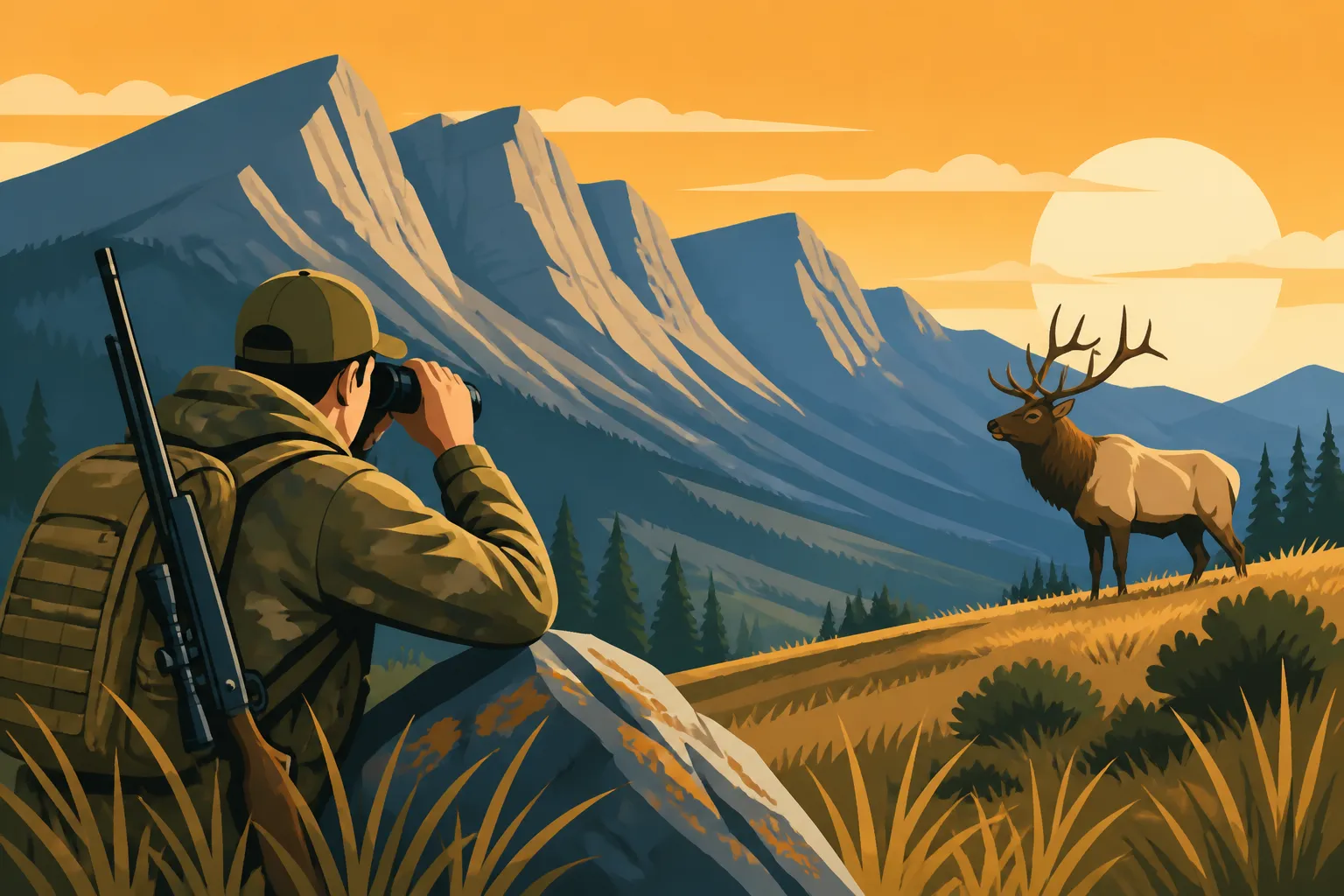
Once you're actually in the field, a combination of methods often yields the best results. Given the vast, open nature of some parts of the Front and the dense timber in others, glassing is paramount. Finding a high vantage point to spend hours behind your binoculars or spotting scope, systematically picking apart distant slopes and timber edges, is often the most efficient way to locate elk. Patience is key here; often, elk only reveal themselves for brief moments at dawn or dusk, or when moving between bedding and feeding areas. Understanding How to Glass Montana's Big Country will pay dividends.
Once elk are spotted, or if you're hunting dense timber where glassing is impossible, a spot-and-stalk approach or still-hunting becomes necessary. Stalking elk in this terrain requires extreme stealth, careful attention to wind direction, and a thorough understanding of elk behavior. The wind on the Front is notoriously shifty, making consistent scent control and wind awareness a constant battle. Still-hunting, moving slowly and deliberately through timber, pausing frequently to listen and scan, is effective in areas where elk are bedded. When you do get close, you'll need to be proficient in How to Shoot Long Range at Montana Elk as shots can often be at extended distances across open country or through narrow lanes in the timber.
Navigating Public and Wilderness Lands
The Rocky Mountain Front is a stronghold of public land, including vast national forests and designated wilderness areas. While this offers incredible opportunities, it also presents unique challenges. Many of the prime elk hunting areas are within or adjacent to wilderness boundaries, requiring non-motorized access. This means hiking, packing in with horses, or a combination of both. Familiarizing yourself with a Montana Backcountry Hunting Guide is essential. Planning a multi-day backpack hunt means meticulous gear selection, understanding Leave No Trace principles, and being completely self-sufficient.
Even outside designated wilderness, access can be challenging. Some trailheads are popular, leading to increased hunter pressure, especially during the general rifle season. However, many areas require significant bushwhacking or traversing difficult terrain to reach. Identifying less-traveled routes and obscure access points through careful map study and using tools like onX Hunt can help you escape the crowds. Remember that How to Hunt Montana Public Land Pressure is a skill in itself, often requiring you to push deeper, higher, or further than other hunters are willing to go. While the Front offers immense public access, don't underestimate the effort required to truly get into the elk.
Gear, Fitness, and Mental Preparation for the Challenge
Hunting the Rocky Mountain Front is a physically and mentally grueling endeavor. It's not a place for the unprepared or the faint of heart. The success of your hunt, and more importantly, your safety, hinges on having the right gear, being in peak physical condition, and possessing the mental fortitude to push through adversity.
Essential Gear for Front Range Conditions
Your gear choices can make or break a hunt on the Rocky Mountain Front. First and foremost, invest in a high-quality layering system for your clothing. Given the extreme weather swings, you'll need base layers that wick moisture, insulating mid-layers for warmth, and a durable, waterproof, and windproof outer shell. Merino wool or synthetic fabrics are superior to cotton. Good quality, broken-in hunting boots that offer excellent ankle support and waterproofing are non-negotiable. Your feet will take a beating, so protecting them is paramount. For a comprehensive list, check out Best Boots for Montana Elk Hunting.
Beyond clothing, a reliable backpack is crucial, especially if you plan to pack deep into the backcountry. It needs to comfortably carry your daily essentials and, hopefully, the heavy load of elk meat on the way out. Optics are another area not to skimp on; a good pair of 10x binoculars and a quality spotting scope with a tripod will be your eyes in this vast country. Navigation tools, including a GPS device (separate from your phone), detailed paper maps, and a compass, are essential backups for your onX Hunt app. Lastly, carrying a personal locator beacon (PLB) or satellite messenger like a Garmin inReach is a wise safety precaution, as cell service is virtually non-existent in many areas.
Physical Demands and Training for the Mountains
Hunting elk on the Front is akin to mountaineering with a rifle or bow. You'll be traversing steep inclines, uneven terrain, and high elevations, often carrying heavy packs. The physical demands are immense and should not be underestimated. Many aspiring Front Range elk hunters fail not because of a lack of skill, but because of a lack of physical preparation. A dedicated Montana Elk Hunt Fitness Plan is vital. This should include a combination of cardiovascular training (hiking with a weighted pack, running, stair climbing), strength training (focusing on legs, core, and back), and flexibility exercises.
Start your training months in advance, gradually increasing intensity and duration. Mimic hunting conditions as much as possible, including hiking steep trails with the weight you anticipate carrying. If you live at sea level, arriving a few days early to acclimate to Montana's higher elevations can significantly reduce the impact of altitude sickness. Remember, you'll not only be exerting yourself to find the elk but also to pack out hundreds of pounds of meat, often through difficult terrain. Being in peak physical condition isn't just about success; it's about minimizing the risk of injury and ensuring you can safely get yourself and your harvest out of the backcountry.
Cultivating the Right Mindset for Success
Beyond the physical and gear preparation, mental fortitude is perhaps the most overlooked aspect of hunting the Rocky Mountain Front. This is a place that will test your patience, resilience, and problem-solving skills. You'll likely encounter adverse weather, go days without seeing elk, face physically exhausting climbs, and experience moments of doubt or frustration. A positive and determined mindset is essential to push through these challenges.
Develop a realistic expectation for your hunt. Not every trip will result in a harvested animal, especially in such challenging terrain. Focus on the experience, the beauty of the landscape, and the lessons learned. Be prepared for setbacks and have a contingency plan for everything from a sudden blizzard to getting lost. Embrace the discomfort and view it as part of the adventure. Learning to Prepare for High-Country Montana Hunting isn't just about packing the right layers, but also about cultivating an inner toughness that allows you to keep pushing when others would turn back. That relentless, optimistic spirit is often what separates successful hunters on the Front from those who go home empty-handed.
Understanding Regulations and Maximizing Your Draw Odds
The Rocky Mountain Front, being a prime elk habitat, is subject to specific hunting regulations designed to manage herd populations and hunter pressure. Navigating these rules and understanding the draw system is crucial for securing a tag and planning your hunt effectively.
Navigating Montana FWP Regulations and Special Permits
Montana Fish, Wildlife & Parks (FWP) manages elk hunting on the Front through a combination of general season opportunities and limited-entry permits. Many of the more renowned hunting districts (HDs) within the Front require special permits, often referred to as "limited-entry" tags. These permits are allocated through a draw system, making them highly coveted and notoriously difficult to draw, especially for nonresidents. It's imperative to consult the official Montana FWP hunting regulations each year, as rules, boundaries, and quotas can change.
For instance, some districts on the Front might be designated "general" for a bull elk tag during the archery or general rifle season, meaning if you draw a general elk license (like the nonresident Elk Combination License), you can hunt in those areas. However, even these general units often have very specific antler restrictions (e.g., spike elk only, or brow-tined bulls only) or season date variations within the district. Others are exclusively permit-only for any elk, or for specific antlerless tags. Understanding Montana General vs Permit Tags Explained is absolutely non-negotiable before you apply or plan your hunt. Failing to understand these nuances can lead to legal issues or a wasted trip.
Leveraging Draw Systems for Front Range Opportunities
The primary challenge for many wanting to hunt the Rocky Mountain Front is drawing a tag. Montana utilizes a preference point system for nonresident combination licenses and a bonus point system for limited-entry permits. For nonresident combination licenses (which include a general elk tag), preference points improve your odds in subsequent years. For the coveted limited-entry permits for specific Front Range HDs, bonus points give you additional "chances" in the draw. It's a complex system, and understanding Montana Preference Points vs Bonus Points is key to strategizing your applications.
Many hunters dedicate years to building points for these premier units. While some general units on the Front might be accessible with a general combination license, the higher-quality, less-pressured areas often require a drawn permit. Analyze draw odds for specific districts using resources like GoHunt to make informed decisions about where to apply. Some districts within the Front might have slightly better odds than others, or offer a "backdoor" antlerless opportunity. Sometimes, applying for an antlerless B-license in a specific district can be a more attainable goal than a bull permit, allowing you to experience the Front while building points for a bull tag.
Specific Districts and General Season Considerations
While I can't guarantee specific draw odds or conditions, several hunting districts along the Rocky Mountain Front are well-known, each with its own character. For instance, districts along the northern and central Front (like parts of HD 410, 426, or 441) are often incredibly rugged, remote, and frequently have specific permit or brow-tined bull requirements. These areas are vast and offer excellent wilderness experiences for those willing to pack in. Other areas further south (like parts of HD 400 or 401) might have a mix of wilderness and more accessible public lands, sometimes bordering private agricultural ground where elk might seasonally migrate.
Rocky Mountain Front Hunting District Overview (Example Districts)
| Hunting District (Example) | General Elk Tag | Permit Elk Tag (Bull/Cow) | Key Features | Challenges |
|---|---|---|---|---|
| HD 410 (Parts of) | Yes (often spike/brow-tined) | Highly limited, specific draws | Northern Front, heavy timber, high peaks, wilderness access | Extreme ruggedness, high draw demand for specific permits |
| HD 426 (Parts of) | Yes (often spike/brow-tined) | Highly limited, specific draws | Remote, deep canyons, timber, challenging access | Intense physical demands, unpredictable elk movements |
| HD 400 (Parts of) | Yes (often spike/brow-tined) | Limited, specific draws | Mix of mountain and foothill, proximity to plains | Can experience high pressure, elk move between public/private |
| HD 441 (Parts of) | Yes (often spike/brow-tined) | Limited, specific draws | Central Front, vast public land, mixed timber/openings | Weather variability, requires significant scouting |
Note: This table provides generalized information. Always consult current Montana FWP regulations for precise district rules and draw odds, as these change annually.
For those unable to draw a specific permit, focusing on general season opportunities in districts that allow it can still provide an incredible experience. These hunts often involve higher hunter density, but by utilizing a Montana Public Land Hunting Strategy and being willing to hike farther or hunt smarter, you can still find success. Remember, even in "general" units, the elk are wild, the country is tough, and the experience of hunting the Rocky Mountain Front is a reward in itself, regardless of whether you punch a tag.
Disclaimer
Please remember that hunting regulations, season dates, and draw odds are subject to change annually by Montana Fish, Wildlife & & Parks (FWP). Always consult the most current official FWP regulations prior to planning and undertaking any hunting activities. This guide provides general information and recommendations, but it is your responsibility to understand and adhere to all applicable laws and regulations.