How to Find Block Management Areas
Finding accessible hunting land in Montana can feel like trying to solve a complex puzzle, especially for those new to the state or even seasoned hunters looking to expand their horizons beyond traditional public lands. You see the vastness of Montana, you know there's opportunity, but figuring out where you can legally and ethically set foot can be a huge hurdle. This guide is dedicated to demystifying one of Montana's most valuable hunting resources: Block Management Areas, and specifically, how to locate and effectively utilize them.
Understanding Montana's Block Management Program
Before we dive into finding Block Management Areas (BMAs), it’s crucial to understand what they are and why they exist. Montana's Block Management Program is a unique, cooperative effort between the Montana Fish, Wildlife & Parks (FWP) and private landowners. Essentially, landowners open up portions of their private property to public hunting access in exchange for various benefits, which can range from monetary compensation to assistance with habitat improvement or managing hunter numbers. For hunters, this program is a lifeline, offering access to millions of acres of prime habitat that would otherwise be off-limits. It's a true win-win, fostering a strong relationship between landowners and the hunting community.
The Core Concept of Block Management Areas
The driving force behind Block Management is a mutual benefit. Landowners, often dealing with significant wildlife populations on their property, get assistance in managing those populations while also receiving support for their land. For hunters, it means a chance to pursue game like elk, deer, and antelope on private ground without the need for expensive outfitter fees or years of developing personal connections for permission. It's an incredible opportunity that truly embodies the spirit of public access for hunting in Montana, a commitment that stands out in the West. This program helps reduce pressure on solely public land hunting areas by spreading out opportunities.
Distinguishing Between Type I and Type II Block Management Areas
Not all BMAs are created equal, and understanding the differences between Type I and Type II is fundamental to finding and accessing them successfully. These distinctions dictate how you gain permission and what the specific rules might be, so paying close attention to them is paramount.
-
Type I BMAs: These are generally simpler to access. Think of them as "sign-in" areas. You typically find a sign-in box at the access point, where you fill out a card with your name, license number, and the date you'll be hunting. This system allows for immediate, day-of access, though some Type I areas may have daily hunter quotas. They often have maps posted at the sign-in box detailing the huntable area and any specific rules, such as parking restrictions or areas that are off-limits. They are designed for relatively straightforward access for a large number of hunters throughout the season.
-
Type II BMAs: These require more proactive planning. Type II areas operate on a permission-based system, meaning you must contact the landowner or their designated representative in advance to secure permission to hunt. This contact can be made via phone, email, or in person, depending on the BMA's specific instructions. These areas often have stricter quotas on the number of hunters allowed at any given time, or they may have specific dates when hunting is permitted. While they require more effort upfront, Type II BMAs can sometimes offer a more secluded hunting experience due to the controlled access.
Knowing which type of BMA you're looking at will save you a lot of time and frustration. Always assume a BMA is Type II and requires contact unless explicitly stated as Type I in the FWP materials.
Navigating Resources to Locate Block Management Areas
Now that you know what Block Management is, let's get down to the brass tacks of how to find these hidden gems. The key is knowing which resources to trust and how to interpret the information they provide. This isn't just about stumbling upon a sign; it's about strategic planning.
Montana FWP's Official Resources
The Montana Fish, Wildlife & Parks (FWP) is your primary, most reliable source for all things Block Management. Their resources are comprehensive and absolutely essential for planning a successful hunt.
-
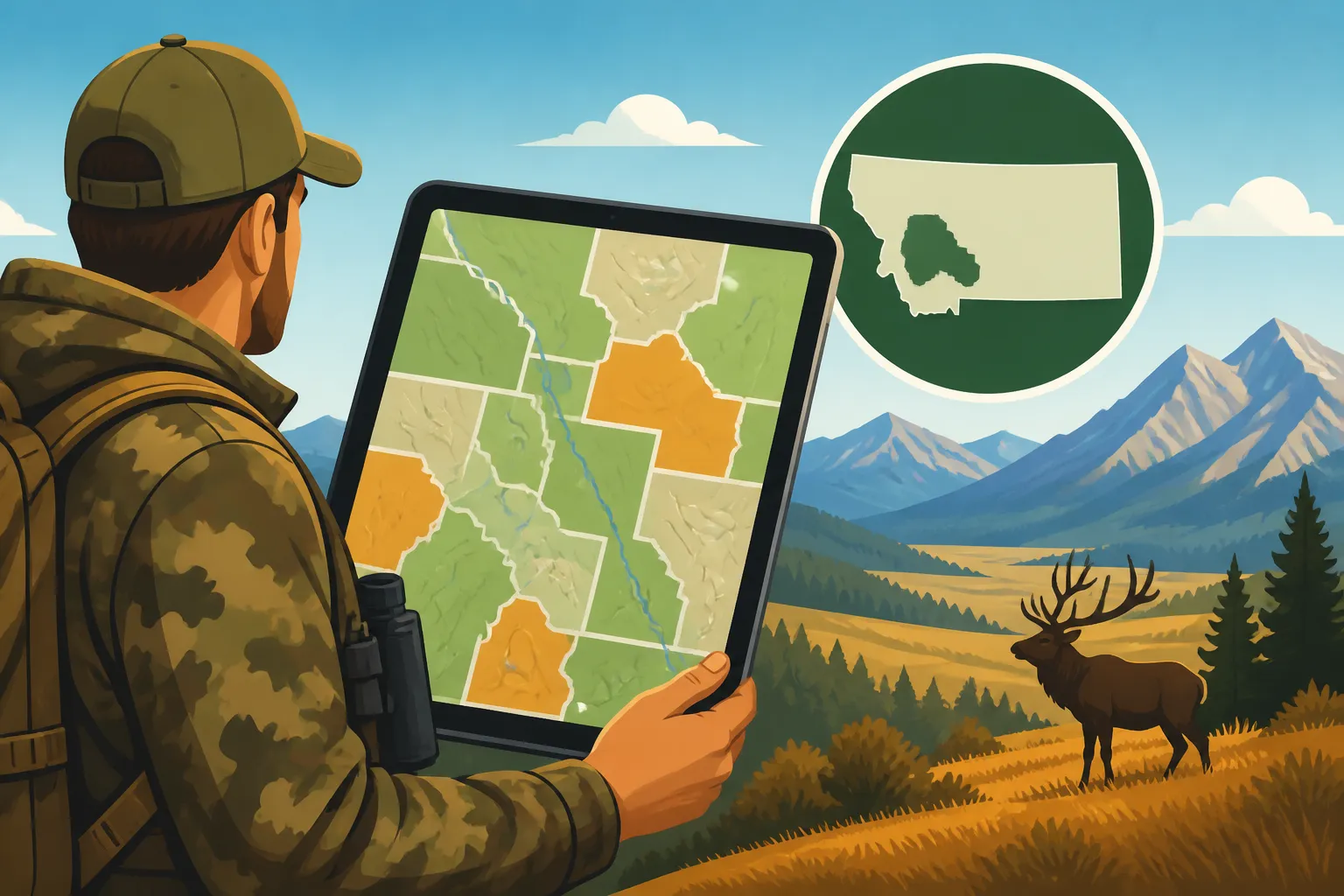
FWP Website and Online Hunt Planner: The FWP website is the first place you should always check. They maintain an interactive hunt planner map that is regularly updated. This map allows you to filter by hunting district, species, and BMA status. It's an invaluable tool for Montana Hunt Planner Maps Explained. When you zoom in on an area, you can click on specific BMAs to pull up detailed information sheets, including access rules (Type I or Type II), permitted species, contact information for Type II areas, parking locations, and any specific landowner rules. Don't just glance; read these information sheets thoroughly!
-
Printed Block Management Guides and Maps: While digital is convenient, nothing beats a physical map in the field, especially where cell service is spotty (which is most of Montana). The FWP typically publishes a comprehensive Block Management Guide annually, usually available in late summer or early fall, both online as a downloadable PDF and as physical booklets at FWP offices and license vendors. These guides list all BMAs by region and hunting district, often including small, detailed maps for each area. Many hunters consider this guide indispensable, marking up potential areas and cross-referencing with other maps. It’s an essential companion to your digital scouting. You can also pick up individual BMA maps at FWP regional offices; often, these are printed versions of the detailed maps found online.
-
Regional FWP Offices: Never underestimate the power of local knowledge. Calling or visiting an FWP regional office can provide insights that online maps might not convey. Conservation wardens, wildlife biologists, and customer service representatives often have intimate knowledge of local BMAs, including current conditions, hunter pressure trends, and any recent changes. They can advise you on How to Choose a Montana Hunting District based on BMA availability and species populations. For example, the FWP office in Helena might have specific intel on BMAs in the Elkhorn Mountains, while the office in Miles City would be your go-to for southeastern Montana.
Leveraging Digital Mapping Tools
While the FWP website is the official source, modern digital mapping tools have revolutionized how hunters locate and navigate public and accessible private lands, including Block Management Areas. These tools layer FWP data with satellite imagery, topographical maps, and land ownership information, offering a powerful advantage.
-
onX Hunt: This app is practically a prerequisite for hunting in the modern West, and especially useful for finding BMAs. onX Hunt clearly overlays land ownership boundaries, identifying public lands, private lands, and crucially, Block Management Areas. When you select a BMA in onX, it often links directly to the FWP's detailed BMA information, including rules and contact details for Type II areas. This integration means you have all the critical information right in your pocket, even offline. Using onX allows you to visualize the BMA boundaries on a topographical map, helping you plan your approach and understand the terrain. It's a fantastic tool for How to E-Scout Montana Hunting Units from your living room.
-
GoHunt: While perhaps more known for its draw odds and application strategy tools, GoHunt also offers robust mapping features. Its Insider platform includes detailed mapping that can display BMA boundaries, often integrating FWP data similarly to onX. GoHunt’s mapping capabilities can be particularly useful when you're looking at a broader region, trying to understand how BMAs fit into the larger landscape of public and private ground. It can help you identify areas where BMAs connect with National Forest land or BLM parcels, creating larger huntable blocks. For serious draw hunters using GoHunt for Montana Nonresident License Draw Explained, their mapping is an added benefit for scouting.
-
Other Mapping Apps: While onX and GoHunt are leading the charge, other apps like BaseMap also offer similar functionalities. The key is to find a mapping tool that overlays FWP's BMA data onto a detailed base map, allowing you to see the boundaries, access points, and surrounding terrain in one cohesive view. Whichever app you choose, make sure you download offline maps before heading into remote areas, as cell service is never guaranteed.
Table: Key Resources for Finding Montana Block Management Areas
| Resource Type | Primary Benefit | Best Use Case | Tips for Use |
|---|---|---|---|
| FWP Website/Hunt Planner | Official, most up-to-date BMA information | Initial research, downloading info sheets | Always verify current year's info. Look for "202x Block Management Program" updates. Print or save BMA information sheets for specific areas you plan to hunt. |
| Printed FWP Guides/Maps | Reliable offline access, easy regional overview | Field navigation, comprehensive regional planning | Pick up a physical copy at an FWP office or download the PDF. Highlight areas of interest. Combine with topographical maps. |
| Regional FWP Offices | Local expert advice, current conditions, hunter pressure | Gaining local insights, asking specific questions | Call ahead or visit in person. Be specific with your questions (e.g., "Are there any Type II BMAs in HD 310 open for general deer during the first week of rifle season?"). |
| onX Hunt App | Detailed interactive maps, land ownership overlays | Real-time field navigation, digital scouting, rule access | Download offline maps before your hunt. Use the "BMA" layer. Click on BMA boundaries for detailed rules and contact info. Plan access points and scout terrain. |
| GoHunt Mapping | Broad regional analysis, draw odds integration | Scouting in conjunction with draw research | Utilize the BMA layer to see how these areas integrate with public land. Good for macro-level planning when researching new hunting districts. |
Understanding BMA Rules and Access Protocols
Finding a BMA is only half the battle; understanding its specific rules is crucial. Each BMA has its own set of regulations, often varying by species, season, and even specific days of the week.
- Species and Season Specificity: A BMA might be open for archery deer but not rifle elk, or vice-versa. Some areas are only open during specific portions of the general season. Always check the allowed species and dates. Ignoring these rules can lead to citations and the loss of access for everyone. This level of detail is critical for things like Montana Elk Season Dates Guide or Montana Mule Deer Season Dates and Tags.
- Access Methods: Is walking only allowed? Can you use a UTV on designated roads? Are horses permitted? These details are usually outlined in the BMA information. Many BMAs are walk-in only to preserve the quality of the hunt and minimize disturbance.
- Hunter Quotas: As mentioned, Type I BMAs may have daily hunter quotas (e.g., "first 10 hunters allowed"), while Type II areas control hunter numbers through the permission process. Arrive early for Type I areas with quotas, and always secure permission well in advance for Type II.
- Landowner-Specific Rules: These can be diverse, ranging from "no hunting near buildings" to "stay off alfalfa fields" or "no camping." Always respect these rules; they are there to protect the landowner's property and ensure the program continues. Remember, you are a guest on private property.
Practical Tips for Maximizing Block Management Success
Once you've done your homework and identified a few promising Block Management Areas, it's time to put your plan into action. Success with BMAs often comes down to preparation and respectful execution.
Timing is Everything for BMA Planning
Effective BMA hunting isn't just about showing up; it's about strategic timing, both in your planning and your execution.
- Annual Release of BMA Information: The FWP typically updates its BMA list and maps in late summer, usually around August. This is your cue to dive in. Don't wait until the week before the season opener to start your research. Many Type II BMAs operate on a first-come, first-served permission basis, and contacting landowners early significantly increases your chances of securing a spot. Set a reminder in your calendar for late July or early August to check the FWP website for the new season's BMA guide.
- Scouting Season: While you can't always scout the specific BMA property during the off-season, you can scout the surrounding public lands and identify potential access points, terrain features, and game travel corridors. Using digital tools like onX Hunt allows you to "e-scout" the BMA boundaries, assess topography, and identify likely bedding and feeding areas. If you plan to hunt an area for Montana Early Archery Season Dates, getting a jump on BMA access and rules is even more critical.
- Hunting Pressure and Weekday Advantage: Like all public access hunting, BMAs can experience hunter pressure, especially on weekends and during prime rut periods. If your schedule allows, hunting weekdays can dramatically reduce competition and increase your chances of a quality experience. Also, consider hunting during less popular times, like the middle of the general rifle season, or focusing on areas that require a bit more effort to reach. This connects directly to strategies for How to Beat the Crowds on Montana Public Land.
Respecting Landowners and Following Rules
The Block Management Program thrives on the goodwill of private landowners. Every hunter has a responsibility to uphold that relationship. Failure to do so jeopardizes access for everyone.
- Read and Understand the Rules: This cannot be stressed enough. Each BMA has a specific set of rules, whether posted at a sign-in box or communicated directly by the landowner. These might include designated parking areas, specific walk-in only zones, or restricted times of day. Know them, understand them, and follow them implicitly.
- Leave No Trace: Pack out everything you pack in. This includes spent shell casings, food wrappers, and any trash. Leave gates as you found them (open gates stay open, closed gates stay closed). Do not damage crops, fences, or other private property. Treat the land with the utmost respect.
- Communicate Clearly and Respectfully: When contacting Type II landowners, be polite, concise, and clear about your intentions. Introduce yourself, state your purpose (e.g., "I'm calling about permission to hunt deer on your Block Management Area"), and be flexible. If a landowner says no, thank them for their time and move on. Building a reputation as a respectful hunter is invaluable.
- Report Violations: If you witness someone violating BMA rules or state hunting regulations, report it to the FWP. Protecting the integrity of the program is crucial for its long-term success.
Integrating BMAs with Other Public Lands
Often, the most strategic way to use Block Management Areas is in conjunction with other types of public land. BMAs frequently adjoin or provide access to National Forest, BLM (Bureau of Land Management), or State Trust Lands that might otherwise be difficult or impossible to reach.
- Accessing Landlocked Public Parcels: Montana has numerous "landlocked" public land parcels—areas of National Forest or BLM that are completely surrounded by private land with no legal public access. Many BMAs are specifically designed to provide a legal right-of-way through private land to these isolated public tracts. This is where your detailed mapping apps like onX Hunt become critical. You can identify a BMA that acts as a gateway to thousands of acres of unpressured public land. This strategy is fantastic for Montana Public Land Hunting Guide.
- Creating Larger Hunting Blocks: By combining a BMA with adjacent public lands, you can create a much larger hunting unit, giving you more flexibility and space to pursue game. For example, a BMA might offer ideal morning feeding grounds on private alfalfa fields, while the adjacent national forest provides dark timber for bedding and security cover. Understanding How to Hunt Montana's General Rifle Season effectively means knowing how to leverage all available access.
- Diversifying Your Strategy: Don't put all your eggs in one basket. Have several BMA options researched and mapped out, alongside backup public land plans. Montana weather is unpredictable, and a BMA that looks great on paper might be inaccessible due to snow, mud, or recent changes in landowner access. Always have a Plan B and C. This adaptable mindset is key to any Montana DIY Elk Hunting Guide.
Disclaimer
Hunting involves inherent risks, including but not limited to those associated with wildlife, terrain, weather, and the use of firearms or archery equipment. Always prioritize safety, adhere to all Montana Fish, Wildlife & Parks regulations, and obtain proper licenses and permits. The information provided in this guide is for informational purposes only and should not replace official FWP regulations or professional guidance. Always verify current season dates, rules, and access protocols directly with Montana FWP before engaging in any hunting activities.