Best Montana Districts for a First Elk Hunt
Embarking on your first elk hunt in Montana can feel like an overwhelming endeavor. With vast wilderness, complex regulations, and the sheer scale of the landscape, many aspiring elk hunters get bogged down trying to figure out where to even begin. This guide aims to cut through the confusion, helping you identify some of the best Montana districts that offer a realistic and rewarding experience for a beginner elk hunter, providing practical advice to get you started on the right foot.
Understanding What Makes a Good First Elk Hunt District
When you're dreaming of bugling bulls and crisp mountain air, it's easy to get caught up in the allure of those hardcore, high-country hunts you see in films. But for your very first Montana elk hunt, setting realistic expectations and choosing a district that's genuinely beginner-friendly is paramount to success and, more importantly, enjoyment. No one wants to hike 10 miles in, get lost, and leave empty-handed and demoralized.
Accessibility and Terrain Considerations
A beginner-friendly elk district isn't necessarily flat, but it's also not going to demand mountaineering skills. Think about good road access, plenty of trail systems, and terrain that offers a variety of habitats without being overly punishing. Many hunters, especially non-residents, underestimate the physical toll Montana's mountains can take. A district with rolling hills, accessible timber, and open parks allows for different hunting strategies without requiring you to climb 3,000 vertical feet every day. It means you can realistically get in and out, cover ground, and if you do harvest an animal, the pack-out won't turn into an epic survival story. Consider districts that offer a mix of public land, including National Forests and perhaps some Block Management Areas, providing diverse options for hunting pressure and animal movement.
Elk Population and Hunter Success Rates
While a high success rate is always appealing, for a first-time hunter, a healthy, stable elk population is actually more critical. Even if the overall success rate is moderate, knowing there are plenty of elk in the area dramatically increases your chances of encountering animals, which is a huge part of the learning curve. You're not just trying to punch a tag; you're learning how elk move, how to read sign, and how to react in the field. Districts with consistently good elk numbers, even if they see more hunter pressure, often provide more opportunities for a new hunter to learn by seeing more elk. This also ties into being able to find legal game; some districts might have plenty of elk but very strict antler point restrictions that can be tough for an inexperienced hunter to field judge quickly. Look for districts where either-sex elk opportunities exist, or at least general season bull tags are readily available, making the legal aspect simpler.
Navigating Montana's Tag System for Beginners
Montana's hunting license and tag system can feel like a labyrinth, especially for non-residents. For a first elk hunt, focusing on districts that are open for the general elk license is generally the safest bet. Many districts require specific permits, which are often difficult to draw, especially for non-residents or those with few preference points. Sticking to "general" districts means your chances of acquiring a tag are much higher through the standard draw for a Montana General Elk License Explained. This simplifies the application process significantly. Understanding the nuances between Montana Preference Points vs Bonus Points can be beneficial for future hunts, but for your first time, aim for general opportunities. It's also worth noting that some general units still have specific limitations, so always double-check the FWP regulations for the exact district you're considering. This foresight can save you a lot of heartache and wasted effort.
Top Montana Districts Recommended for First-Time Elk Hunters
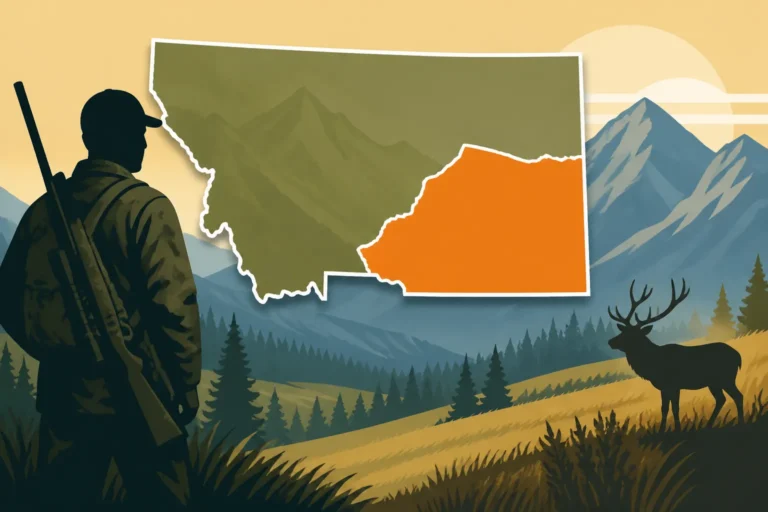
When we talk about "best" for a beginner, we're really talking about districts that strike a good balance between reasonable access, decent elk numbers, and a tag that's not impossible to draw. Montana is a huge state, and elk are found across a wide variety of habitats. While nothing is ever guaranteed in elk hunting, these areas often provide a solid foundation for a first-timer.
General Districts with Solid Opportunities
Several general units across Montana consistently offer reasonable elk populations and decent access, making them suitable for beginners. These aren't necessarily "trophy" units, but they provide a good chance at harvesting an elk and gaining invaluable experience.
One such area would be parts of Region 3, specifically districts in the Gallatin National Forest near Bozeman or Livingston. Areas like Hunting District 311 or 312, while popular, hold a healthy population of elk and offer extensive public land access through roads and trails. The terrain here can vary from accessible river bottoms and rolling sagebrush hills to steeper, timbered slopes, giving you diverse options depending on your comfort level. You're not going to be alone, but the sheer volume of elk means that even with pressure, there are opportunities for those willing to put in the work. These areas are also well-suited for a Montana DIY Elk Hunting Guide approach, as resources and amenities are relatively close by.
Another strong contender for a general tag and beginner-friendly conditions is Region 4, particularly some units in the Lewis and Clark National Forest near cities like Great Falls or Lewistown. These areas often have a mix of timbered mountains transitioning into open plains, providing unique hunting opportunities. For example, some districts in the Little Belt Mountains or the Big Belt Mountains (like HD 445 or 446) are general units that consistently produce elk. The pressure can be high near roads, but the sprawling public land offers plenty of room to roam if you are willing to get off the beaten path a bit. These areas often feature a blend of terrain, allowing for tactics like still-hunting timber or glassing open slopes.
Districts Requiring Moderate Effort but High Reward
If you're willing to step up your physical game a bit and venture slightly further from the truck, some districts offer a higher potential for success and a more immersive experience without being overly extreme. These often involve more rugged, but still manageable, terrain and fewer roads.
Consider some of the districts in Region 2, such as those within the Lolo or Bitterroot National Forests (e.g., HD 201, 203). While some of these units can be quite steep and physically demanding, there are also areas with expansive roadless tracts that aren't full-blown wilderness. These areas tend to hold elk that are less pressured than those closer to towns. The challenge here often comes from navigating thick timber and understanding thermals, which are crucial skills for How to Hunt Elk in Montana's Wilderness. A moderately fit hunter can certainly tackle these districts, and the reward is often a more genuine elk hunting experience with fewer fellow hunters encountered. These units are also excellent places to practice Montana Spot-and-Stalk Elk Hunting, as elk can be found grazing in open pockets and then retreating to dark timber.
For those looking for a truly adventurous first hunt, without needing a special permit, some districts bordering the Bob Marshall Wilderness Complex or other large wilderness areas offer entry-level backcountry experiences. These aren't the heart of the Bob Marshall, but areas just outside its boundaries, which still fall under general tags, can be incredible. These spots will require packing in a few miles, possibly setting up a spike camp, and being prepared for all weather conditions. While challenging, the feeling of self-reliance and the opportunity to hunt unpressured elk are unparalleled. This type of hunt is an excellent way to learn How to Plan a Montana Backpack Elk Hunt without needing years of experience.
Balancing Pressure and Potential
One of the biggest frustrations for new hunters is encountering excessive hunter pressure. Montana sees a lot of hunters, especially during the general rifle season. Finding districts where you can balance good elk numbers with manageable pressure is key.
Block Management Areas (BMAs) are often excellent for this. Montana's Montana Block Management Program Explained provides public access to private lands for hunting, often reducing overall pressure by limiting hunter numbers or specific access points. While some BMAs are specific to deer or antelope, many offer elk hunting. These areas can be incredibly productive and offer easier access than true wilderness. However, securing access often requires contacting landowners or signing up well in advance, which can add a layer of complexity for a beginner. It's crucial to consult the FWP BMA maps and rules for each specific area you're interested in, as rules vary wildly.
Another strategy to balance pressure and potential is to target shoulder seasons or archery season if you're an experienced bowhunter. Archery season in Montana, which often runs in September, allows hunters to capitalize on the rut, when bulls are vocal and active. While success rates can be lower due to the increased challenge of archery, the experience of Archery Elk Tactics for the Rut in Montana is truly unforgettable. Similarly, some districts have early or late "shoulder seasons" that extend beyond the general season, often targeting antlerless elk. These can be less pressured and offer good meat hunting opportunities, which is a fantastic goal for a first-time elk hunter. However, make sure to thoroughly understand the specific regulations for any shoulder season hunt, as they often have very precise dates and weapon restrictions.
Here's a quick overview of district types for a first-time elk hunt:
| District Type | Accessibility | Terrain | Elk Population | Hunter Pressure | Tag Availability | Ideal For |
|---|---|---|---|---|---|---|
| General Units near Towns | High (road networks) | Varied (foothills, timber) | Good | High | General Elk License | Learning basics, easier logistics, seeing more elk |
| General Forest Units | Moderate (trails, some roads) | Mountains, timber, open parks | Good | Moderate | General Elk License | Gaining experience, more solitude, diverse tactics |
| Block Management Areas | Good (controlled access) | Varied (private land) | Good | Low (controlled) | General Elk License (often) | Less pressure, specific management, varying rules |
| Wilderness Fringe Units | Low (foot/horse access only) | Rugged mountains, thick timber | High | Low | General Elk License | Backcountry experience, unpressured elk, physical challenge |
Essential Preparations for Your Montana Elk Adventure
Once you've narrowed down some potential districts, it's time to get serious about preparing yourself for the challenges and rewards of a Montana elk hunt. This isn't just about packing gear; it's about building physical and mental resilience and understanding the landscape before you even set foot in it.
Physical Conditioning and Mental Toughness
You've probably heard it a thousand times: "Get in shape!" But for a Montana elk hunt, this isn't just a suggestion; it's a requirement. The mountains are unforgiving, and elk live in tough country. You don't need to be a marathon runner, but you absolutely need to be able to hike for miles, often uphill, with a pack on your back. Start a rigorous exercise regimen months in advance, focusing on cardio, strength training (especially your legs and core), and hiking with a weighted pack. Simulate hunting conditions as much as possible. A solid Montana Elk Hunt Fitness Plan will pay dividends not only in your ability to cover ground but also in your mental fortitude when the going gets tough.
Mental toughness is just as important. Elk hunting can be incredibly frustrating. You'll hike for days without seeing an animal, battle bad weather, or make a mistake that spooks a herd. The ability to stay positive, adapt, and keep pushing forward is critical. Understand that failure is a part of the process, especially for a first-timer. Embrace the learning experience, celebrate small victories (like finding fresh sign or calling an elk), and don't let setbacks derail your entire hunt. Realistic expectations about the difficulty and the potential for not harvesting an animal will go a long way in maintaining a positive mindset.
E-Scouting and Boots-on-the-Ground Planning
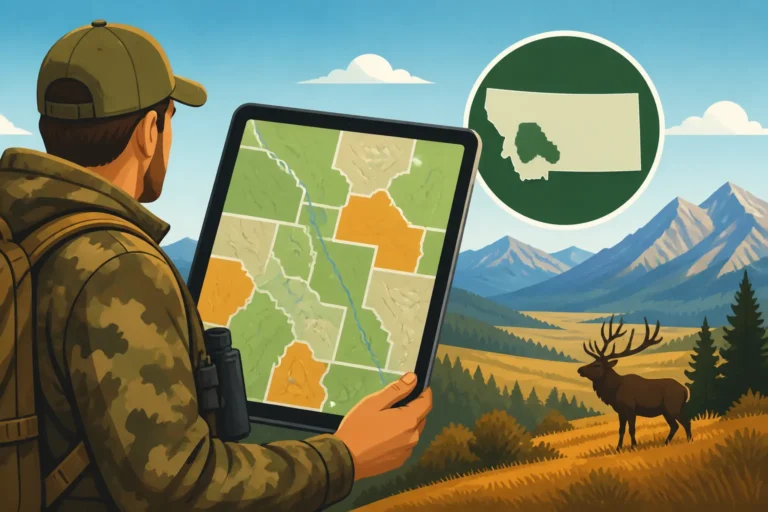
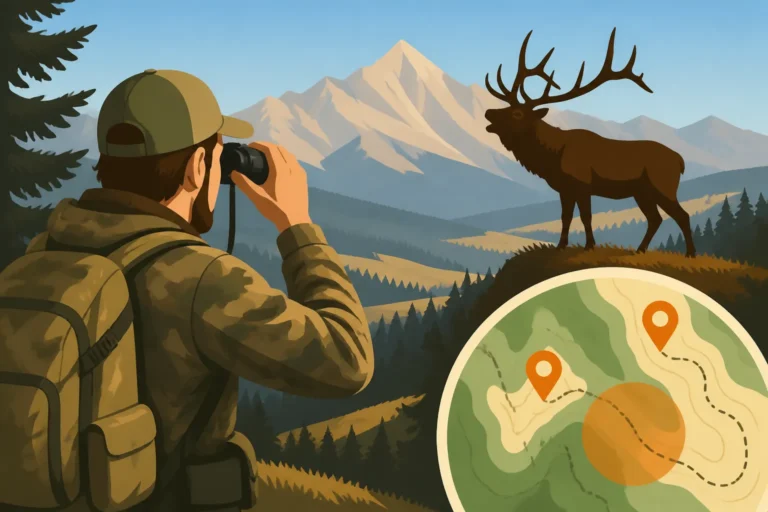
Modern technology has revolutionized pre-hunt scouting, but it doesn't replace boots on the ground. E-scouting is your first line of defense, allowing you to familiarize yourself with potential hunting areas long before you arrive. Use tools like onX Hunt to identify public land boundaries, roads, trails, water sources, bedding areas, and potential escape routes. Look for north-facing slopes, saddles, and benches where elk often travel or bed. This type of detailed digital reconnaissance is crucial for How to E-Scout Montana Hunting Units.
However, E-scouting is only part of the equation. If possible, a pre-season trip to your chosen district is invaluable. Spend time hiking the areas you identified on your map. Look for fresh sign—tracks, scat, rubs, wallows. Understand how the wind and thermals typically behave in different drainages. What looks like a clear trail on a map might be an impassable tangle of blowdowns in reality. This "ground truthing" will confirm your E-scouting insights and reveal hidden gems or challenges that no map can show. If a pre-season trip isn't feasible, spend extra time on your mapping apps, cross-referencing satellite imagery with topographic maps to build as complete a picture as possible.
Gear Essentials for a Successful First Hunt
Packing the right gear can make or break your first elk hunt. Montana weather is notoriously unpredictable; you can experience all four seasons in a single day. Layering is key.
Clothing: Focus on moisture-wicking base layers, insulating mid-layers (fleece or down), and a waterproof/windproof outer shell. Bring good rain gear, even if the forecast looks clear. You'll also need tough, comfortable hunting pants. Don't skimp on quality Best Boots for Montana Elk Hunting; your feet are your most important asset. Break them in well before your hunt.
Navigation: A reliable GPS device (like your phone with onX Hunt) and a physical map and compass are essential. Know how to use them, even if you rely on technology.
Optics: Binoculars (10×42 or 10×50 are good all-around choices) are non-negotiable for spotting elk at a distance, especially in vast Western landscapes. A spotting scope can be useful for field judging at longer ranges, but it might be overkill for a first hunt if you're trying to keep pack weight down.
Shelter & Sleep System: If you're backpacking, a lightweight tent, sleeping bag rated for cold temperatures, and an insulated sleeping pad are crucial for a comfortable and safe How to Set Up a Montana Spike Camp.
Food & Water: High-calorie, non-perishable food, and a reliable water filter or purification tablets. Don't underestimate how much water you'll need.
Game Processing: Quality knives, game bags, and cordage for hanging meat. Plan for the successful harvest.
Safety: First-aid kit, bear spray (and know how to use it!), headlamp, fire starter, and emergency shelter. Always tell someone your hunt plan and expected return time.
Leveraging Tools and Resources to Enhance Your Hunt
Modern hunting is greatly enhanced by the thoughtful use of technology and access to vast amounts of data. For a first-time Montana elk hunter, knowing where to find and how to use these resources can bridge the gap between confusion and confidence.
Mapping Software and Digital Scouting
The digital age has brought incredible tools right to our fingertips, and for navigating Montana's expansive landscapes, mapping software is indispensable. Applications like onX Hunt have become the gold standard for many hunters, and for good reason. It provides incredibly detailed maps, showing public and private land boundaries (crucial for staying legal!), topographical lines, satellite imagery, roads, and trails. For a first-time hunter, onX Hunt is a game-changer for How to E-Scout Montana Elk Before the Season. You can mark waypoints for potential elk sign, water sources, bedding areas, or escape routes from the comfort of your home, then navigate directly to them in the field. This capability alone can drastically reduce the intimidation factor of hunting vast, unfamiliar territory. Imagine knowing precisely where that little finger of public land extends into a private ranch, or seeing a subtle saddle on a ridge that elk might use to cross. These details make a huge difference.
Beyond just land ownership, these apps allow you to analyze terrain features, calculate distances, and understand elevation changes. You can spend hours virtually scouting different hunting districts, understanding their layout, and planning your approach. This really helps visualize the landscape and can be a huge time-saver once you're on the ground.
Understanding Regulations and Draw Odds
Montana's hunting regulations are thorough and change annually. For any hunt, you absolutely must consult the current Montana Fish, Wildlife & Parks (FWP) hunting regulations specific to the year you're applying and hunting. Don't rely on old information or forum discussions alone. The FWP website is your primary source for Montana Hunting Seasons Explained, tag requirements, season dates, and specific rules for each hunting district. Pay close attention to weapon restrictions, antler point restrictions, and any archery-only areas.
For future hunts, or if you decide to venture beyond a general elk license, understanding draw odds is critical. While not a brand, services like GoHunt provide invaluable data analytics and draw odds breakdowns for various states, including Montana. Their platform helps hunters understand the probability of drawing specific limited-entry permits based on preference points, bonus points, and historical data. For a beginner, while you'll likely stick to general tags that are widely available, learning about GoHunt's tools now can set you up for success when you decide to pursue more coveted, limited-entry opportunities down the line. It's an investment in your long-term hunting strategy, helping you make informed decisions about where and what to apply for.
Connecting with the Hunting Community
One of the most overlooked resources for new hunters is the collective wisdom of other hunters. Online forums, local hunting clubs, and even just striking up conversations at sporting goods stores can provide incredible insights. Experienced hunters often share tips on tactics, gear, and general area knowledge. While you should always verify information with official sources, these conversations can help you avoid common mistakes and point you towards promising areas or strategies.
Don't be afraid to ask questions. Most hunters are passionate about their sport and eager to help new folks get started. Attend local hunting seminars or conservation group meetings, like those hosted by the Rocky Mountain Elk Foundation (RMEF). These events not only offer educational opportunities but also a chance to network and meet potential hunting mentors. Understanding Montana Public Land Hunting Strategy often comes from hearing how others have successfully navigated the challenges. The camaraderie of the hunting community can make your first elk hunt feel less daunting and more like a shared adventure.
Disclaimer
Please remember that hunting regulations and conditions in Montana can change rapidly. Always consult the most current Montana Fish, Wildlife & Parks (FWP) regulations and maps before planning and executing any hunt. This guide provides general information and recommendations, but it is the hunter's responsibility to be fully aware of and comply with all applicable laws and regulations. Hunting involves inherent risks, and safety should always be your top priority.