Montana Region 6 Hunting Guide
For many hunters, the thought of Montana conjures images of majestic elk bugling in steep, timbered mountains or mule deer silhouetted against alpine ridges. However, Montana is a vast and incredibly diverse state, and for those venturing into Region 6, the reality is a much different, yet equally rewarding, experience. If you’ve been intimidated by the sheer scale of Montana or unsure where to start looking for big game on its eastern plains, you’re not alone. This guide aims to demystify hunting in Montana’s Region 6, offering a detailed look at its unique landscape, the game you’ll find, how to access it, and crucial tips to help you plan a successful hunt.
Understanding Montana's Region 6 Geography and Game
Montana's Region 6, often referred to as the "Hi-Line" or northeastern Montana, stands in stark contrast to the rugged mountains that dominate the western half of the state. If you’re expecting towering peaks and dense conifer forests, you'll be surprised. This region offers a unique challenge and a different kind of beauty, one defined by vast horizons, rolling plains, and critical river bottoms.
The Landscape of Northeastern Montana
Region 6 is a sprawling area characterized primarily by its prairie ecosystems, dissected by major river systems like the Missouri, Milk, and Yellowstone. You'll encounter expansive grasslands, sagebrush-covered coulees, and significant agricultural lands, especially along the river corridors. The terrain is generally rolling, with badland formations and breaks scattered throughout, providing critical cover and relief for wildlife. Elevations are much lower here compared to western Montana, meaning less extreme vertical climbs but still plenty of walking over undulating ground. The climate can be harsh, with scorching summers and brutally cold, windy winters, impacting both game movement and hunter comfort. The lack of dense timber means animals often rely on topography, riparian zones, and crop fields for cover, making glassing and long-range observation essential.
Imagine yourself standing on a vast prairie, the wind rustling through the grasses, with an endless sky above. This is the essence of Region 6. The hunting here is less about climbing and more about covering ground, understanding subtle changes in topography, and expertly using your optics. It’s a place where a small, brush-choked coulee can hold a trophy buck, or a hidden bend in a river can be an elk’s sanctuary. This distinct geography shapes everything about the hunting experience, from the species you pursue to the tactics you employ.
Primary Big Game Species in Region 6
While the mountains might be synonymous with elk, Region 6 is truly the domain of deer and antelope. Mule deer and whitetail deer thrive here, often in impressive numbers, making them the primary draw for many hunters. Pronghorn antelope are also incredibly abundant, dotting the plains as far as the eye can see.
Mule deer in Region 6 are typically found in the more broken country, the badlands, and the coulees, often relating to rimrock and sagebrush. They are masters of using sparse cover to disappear, and their keen eyesight demands careful stalking. Whitetail deer, on the other hand, are almost exclusively tied to the river bottoms, creek drainages, and agricultural fields. These areas provide dense cover, food, and water, creating ideal habitat. You'll find them in the cottonwood galleries along the Milk River or tucked into thickets bordering cornfields. The region also holds a scattered, but growing, population of elk, mostly associated with the larger river breaks or specific isolated pockets of public land, offering a unique opportunity for those willing to put in the time and research. Black bears are present, particularly in the more timbered breaks and river corridors, though they are less numerous than in the western mountains. Additionally, upland birds like sharptail grouse and pheasants, and various waterfowl, offer fantastic secondary opportunities, especially in areas with abundant agriculture and water.
Key Hunting Opportunities and Tactics in Region 6
Hunting in Region 6 is a different ballgame than hunting the high country. Your strategies need to adapt to the open country, river systems, and agricultural influences. Understanding the local habits of game is paramount to success.
Mule Deer and Whitetail Tactics
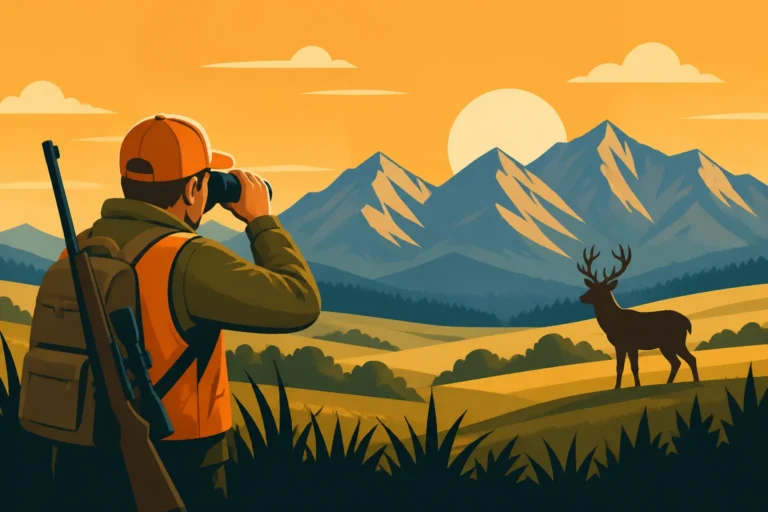
For mule deer, the vast, open nature of Region 6 lends itself perfectly to Montana Mule Deer Hunting: Spot-and-Stalk Tactics. This is glassing country. You'll spend hours behind your binoculars and spotting scope, meticulously scanning coulees, hillsides, and breaks for movement or the tell-tale glint of an antler. Once you've spotted a buck, the real work begins: planning an approach that utilizes every fold in the terrain, every patch of sagebrush, to close the distance undetected. This often means long, circuitous stalks, sometimes covering miles, to get within shooting range. Focus your efforts on the breaks of the Missouri River, the badlands near Fort Peck, and the numerous coulees that cut across the landscape. The Montana Mule Deer Season Dates and Tags are often favorable here, providing a good general season opportunity.
Whitetail deer, conversely, demand a completely different approach. They are creatures of dense cover. Along the Milk River, Missouri River, and their tributaries, you’ll find thick stands of cottonwoods, willows, and brush that whitetails call home. Still-hunting these river bottoms is highly effective, moving slowly, deliberately, and quietly, pausing frequently to observe. You might also find success using ground blinds or even tree stands in strategic locations overlooking trails, pinch points, or food sources. Understanding How to Hunt Whitetail in Montana River Bottoms is key here. The challenge with whitetails in this region is their uncanny ability to disappear into seemingly thin cover, making close-quarters detection critical. Often, during the Montana Whitetail Deer Season Dates and Tags, you'll find them focused on agricultural fields during feeding times, moving back into the heavy cover to bed during the day.
Antelope Hunting on the Plains
Region 6 is prime pronghorn country, offering some of the best antelope hunting in the state. These speedsters of the prairie are thrilling to hunt, and their sheer numbers can be impressive. Like mule deer, successful antelope hunting relies heavily on glassing. Miles upon miles of open country provide ideal habitat for antelope, and their inquisitive nature can sometimes be exploited. Look for them in wide-open grasslands, sagebrush flats, and areas bordering agricultural fields.
Tactics for How to Hunt Antelope on Montana's Plains often involve a combination of glassing from elevated positions (even a small rise can make a huge difference) and then planning a spot-and-stalk approach. Unlike deer, antelope are incredibly keen-sighted, making long-distance detection and careful use of terrain a must. Decoys can also be highly effective during the rut, drawing in curious bucks. Hunters should be aware of the Montana Antelope Season Dates and specific unit regulations, as many units here are permit-only, though some general opportunities may exist. The vastness of the landscape means you'll spend a lot of time driving and glassing, but the rewards of a successful stalk on a wary pronghorn are truly exhilarating.
Other Species: Elk, Bear, and Birds
While not as renowned for elk as the western mountains, Region 6 does offer limited elk hunting opportunities, particularly in specific river breaks and broken country along the Missouri and Fort Peck Reservoir. These elk are often very nomadic and tend to be extremely wary due to the open nature of their habitat. Success typically requires extensive scouting, patience, and a willingness to cover a lot of ground in areas with limited cover. Hunters targeting elk here often focus on understanding patterns of movement between isolated pockets of cover and water sources.
Black bears are also present, especially in the more rugged breaks and riparian areas with denser vegetation that provides cover and food. Montana Black Bear Season Dates typically include both spring and fall seasons, offering different hunting experiences. Spring hunters often focus on south-facing slopes where vegetation greens up early, while fall hunters may find bears around berry patches or agricultural edges.
Beyond big game, Region 6 shines for its bird hunting. The agricultural lands and vast prairies provide excellent habitat for upland birds. Montana Upland Bird Hunting is fantastic here, with abundant populations of sharptail grouse across the grasslands and pheasants concentrated in crop fields, creek bottoms, and dense cover. Waterfowl hunting is also a major draw, especially in the fall, with countless ducks and geese utilizing the region's rivers, reservoirs, and agricultural fields. Understanding Montana Waterfowl Hunting opportunities along the Milk and Missouri rivers can lead to incredible hunting experiences.
Navigating Access and Regulations in Region 6
Hunting Montana, especially in a region as diverse as Region 6, means understanding a complex mosaic of public and private land, as well as specific state regulations. Frustration often arises from trying to decipher maps and access points, but with the right tools and knowledge, it's entirely manageable.
Public Lands and Block Management Areas
Region 6 boasts significant stretches of public land, including Bureau of Land Management (BLM) acreage, State Trust Lands, and portions of National Forests (though these are much smaller and less timbered than those in western Montana). Identifying these lands is crucial, and tools like onX Hunt are absolutely invaluable. With onX Hunt, you can instantly see property boundaries, landowner names, and land status (public, private, state), helping you navigate and plan your hunts effectively. This is particularly important in a checkerboard landscape where public and private parcels are intertwined.
Beyond the general public land, the Montana Block Management Areas Explained program is a game-changer for accessing private lands in Region 6. Block Management Areas (BMAs) are private lands enrolled in a program that allows public hunting access under specific rules set by the landowner and Montana Fish, Wildlife & Parks (FWP). These rules can vary widely, from sign-in boxes at the property edge to specific permission slips obtained in advance. You must check the FWP website for BMA maps and rules annually, as they change frequently. Many hunters who find success in Region 6 dedicate significant time to researching and utilizing these BMA opportunities. Don't underestimate their potential; they often provide access to fantastic deer and antelope habitat.
Private Land Considerations
Given the extensive agricultural operations and ranching in Region 6, a substantial portion of the land is privately owned. Respecting private property is not just a legal requirement but a fundamental part of hunter ethics. Accessing private land often requires direct permission from the landowner. This can feel intimidating, but a polite, well-prepared approach can often yield positive results. Knock on doors, be respectful of their time, and be clear about your intentions. Offer to share meat or help with chores. Some landowners may grant access for a fee, while others may allow it simply for good stewardship or pest control.
Always carry a detailed map (again, onX Hunt is indispensable here) to clearly show them the specific area you're interested in and to ensure you understand their boundaries. Never assume permission. Hunting without permission on private land is poaching and severely damages the reputation of all hunters. Building relationships with landowners over time can lead to incredible, consistent access in this region. This is particularly true for How to Hunt Antelope in Montana's 900 Units where many of the best antelope herds are found on private rangeland.
Key Regulations and Licensing
Montana's hunting regulations are extensive and can be complex, especially for non-residents. It's not enough to simply have a license; you need to understand the specifics for each species and hunting district.
General Licensing: All hunters, resident and nonresident, need a base hunting license, a conservation license, and an AIS (Aquatic Invasive Species) prevention pass. For big game, you'll need the appropriate deer, elk, or antelope license, which can be general or permit-based depending on the species and district. For nonresidents, combination licenses are a common option, but understanding the Montana Nonresident License Draw Explained process and deadlines is absolutely critical. Many prime Region 6 areas for deer and antelope are permit-only, meaning you'll need to apply and draw a specific tag.
Hunt Codes: Every hunting district in Montana has specific hunt codes that dictate what species can be hunted, by what weapon, and during which dates. Familiarize yourself with these codes for your chosen districts. FWP publishes an annual hunting regulations booklet, available online and at license vendors, that is your bible for Montana hunting. Read it thoroughly, paying special attention to Region 6 districts.
Hunter Education: Anyone born after January 1, 1985, must complete a hunter education course or provide proof of prior certification from another state or province to hunt in Montana. Make sure your certification is in order well before your hunt.
Point Systems: Montana utilizes both preference points for general deer/elk combo licenses and bonus points for limited-entry permits. If you're a nonresident planning multiple years of hunting, understanding How Montana Preference Points Work and How Montana Bonus Points Work is vital for improving your draw odds over time, especially for coveted antelope or special deer permits in Region 6.
Planning and Preparing for Your Region 6 Hunting Adventure
Hunting in northeastern Montana requires thoughtful preparation. The open spaces and often remote nature of the region mean you need to be self-reliant and well-equipped. Don't underestimate the challenges, even if the mountains aren't as steep.
E-Scouting and Boots-on-the-Ground
Effective e-scouting is the cornerstone of a successful Region 6 hunt, perhaps even more so than in timbered mountain country where satellite imagery can be obscured. Using tools like onX Hunt and GoHunt's Insider platform allows you to analyze terrain, identify potential bedding and feeding areas, pinpoint water sources, and most importantly, discern public land boundaries from private. Look for patterns in the landscape: where do the coulees meet larger drainages? Are there isolated patches of brush that could offer cover? How do the agricultural fields interact with natural habitat? These tools can help you narrow down your focus to a few square miles of high-probability habitat. How to E-Scout Montana Hunting Units is a critical skill for this region.
Once you have a few spots identified, if possible, conduct boots-on-the-ground scouting. While not always feasible for nonresidents, even a quick trip before the season can provide invaluable insights that satellite images can't. You'll understand the true scale of the landscape, the density of the cover, and current conditions. Pay attention to fence lines, vehicle access, and potential areas of high hunter pressure. This region has a lot of roads, but many are two-track or less, and getting stuck can be a real issue.
Gear Considerations for the Plains and River Bottoms
Your gear list for Region 6 will differ significantly from a mountain hunt. While you still need good optics, durable boots, and appropriate clothing, the focus shifts slightly:
- Optics: High-quality binoculars (10x or 12x) are non-negotiable, and a good spotting scope (20-60x or 25-75x) is essential for identifying animals at extreme distances in the open country. You'll spend a lot of time behind glass.
- Footwear: Comfortable, broken-in hiking boots are important for covering miles, but they don't necessarily need to be mountaineering-grade. Consider waterproof options, especially if you'll be wading through dew-soaked grasslands or crossing small creeks in river bottoms.
- Clothing: Layering is key due to dramatic temperature swings. Windproof outer layers are crucial, as the plains are almost always windy. Camouflage patterns that blend with sagebrush, prairie grass, or riparian zones will serve you well.
- Navigation: A reliable GPS device or a smartphone with a mapping app like onX Hunt is essential. Losing your bearings in featureless rolling terrain is easier than you might think.
- Transportation: A reliable 4×4 vehicle with good ground clearance is highly recommended for navigating unimproved roads, especially after rain or snow. Carry a full-size spare, recovery gear (shovel, tow strap), and extra fuel.
- Water: Pack more water than you think you'll need. The dry, often windy conditions can lead to rapid dehydration.
- Shooting: Be prepared for longer shots. A flat-shooting rifle with practice out to 300-400 yards (or more, if you're comfortable and ethical) is often necessary for antelope and mule deer. Rangefinders are mandatory.
What to Expect and How to Stay Safe
Region 6 hunting can be a truly incredible experience, but it comes with its own set of challenges. Expect to cover a lot of ground, both on foot and in a vehicle, as you locate game. Patience is a virtue here, as animals can be widely dispersed. The weather can change dramatically and quickly; a sunny morning can turn into a cold, driving rain or snowstorm in a matter of hours. Always pack for all four seasons, even if the forecast seems clear.
Safety in this remote region means being prepared for the unexpected. Cell service can be spotty or nonexistent, so a satellite communication device (like a Garmin InReach or Zoleo) is a wise investment for emergencies. Let someone know your hunting plan, including your exact location and expected return time. Be aware of private land boundaries and avoid trespassing. Carry a good first-aid kit and know how to use it. When harvesting an animal, be prepared for the field dressing and packing out process, which can be a significant undertaking given the distance to roads and the often warm early season temperatures. How to Quarter an Elk in the Montana Backcountry (even if it's a deer in Region 6) provides excellent advice on meat care. Enjoy the vastness and solitude; it’s a truly special place to hunt.
Disclaimer
Please note that hunting regulations, season dates, and access programs like Block Management can change annually. Always consult the most current Montana Fish, Wildlife & Parks regulations booklet and website before planning and executing any hunt. This guide is for informational purposes only and should not replace official FWP resources.