Best Time to Hunt Moose in Montana
Hunting moose in Montana is a dream for many, but securing a tag is notoriously difficult, making the planning even more critical once you've beaten the odds. The challenge isn't just finding one of these magnificent animals in vast, wild country; it's also about knowing exactly when their behavior patterns offer the best chances for success. This guide will walk you through the nuances of moose seasons, their unique habits, and the environmental cues that dictate the best time to pursue a Montana moose, ensuring you're fully prepared when your number finally gets called.
Navigating Montana's Moose Hunting Seasons
The first, and often most frustrating, hurdle for any aspiring Montana moose hunter is understanding the complex season structure and the highly competitive draw. Unlike deer or elk, moose tags are incredibly limited, making every detail about the season critical. You can learn more about specific requirements in our detailed guide on Montana Moose Season Dates and Tags.
Limited Entry and Highly Coveted Permits
Montana's moose hunting is strictly a permit-only affair. This isn't a general tag situation where you can walk into a store and buy a license. Instead, hunters must apply through a draw system, often accumulating preference points for years—sometimes decades—to increase their odds. The number of permits issued each year is low, reflecting a cautious management approach to maintain healthy, stable moose populations. This scarcity is a testament to the trophy quality and unique experience Montana offers, but it also means precision in planning is paramount. For those thinking ahead, understanding Montana Moose Draw Point Requirements is vital.
General Season Dates and Archery Opportunities
While the specific dates can shift slightly year to year based on Montana Fish, Wildlife & Parks (FWP) regulations, the general framework for moose seasons remains fairly consistent. Archery season typically opens in early September, often around September 1st, and runs through mid-October. The general rifle season usually commences around mid-September and also concludes in mid-October, sometimes extending a bit later depending on the specific hunting district (HD). It's crucial to consult the current year's FWP regulations booklet as soon as it's released, usually in spring, to confirm exact dates for your permitted HD. The archery season, in particular, often overlaps with the peak of the rut, offering exciting opportunities for those willing to get up close and personal with a bull moose.
Understanding Moose Behavior and Activity Peaks
Knowing when to hunt means knowing what the moose are doing. Their behavior changes significantly throughout the fall, and aligning your hunt with their most active and vulnerable periods is the cornerstone of a successful moose hunt. For a broader look at this majestic animal, explore our Montana Moose Hunting Guide.
The Pre-Rut Build-Up and Early Season Movements
As early September arrives, bull moose begin to transition from their more solitary summer patterns. They're still focused heavily on feeding, trying to pack on as much weight as possible before the energy-intensive rut kicks in. During this time, they'll often be found in areas with abundant browse—willow bottoms, dense timber edges, and riparian zones. While they aren't actively seeking cows yet, their territorial instincts are starting to sharpen. Early season can be a great time to pattern a bull if you've done your e-scouting homework. They might be predictable, hitting the same feeding areas morning and evening.
- Hunting Strategy: Glassing known moose habitat from a distance, focusing on food sources near thick cover. Still-hunting through prime areas can be effective, especially during cooler parts of the day. Patience is a virtue here, as bulls are less vocal and less inclined to respond to calls. Tools like GoHunt can be invaluable for identifying potential feeding areas and assessing terrain during your pre-season scouting.
The Peak Rut: Prime Time for Interaction
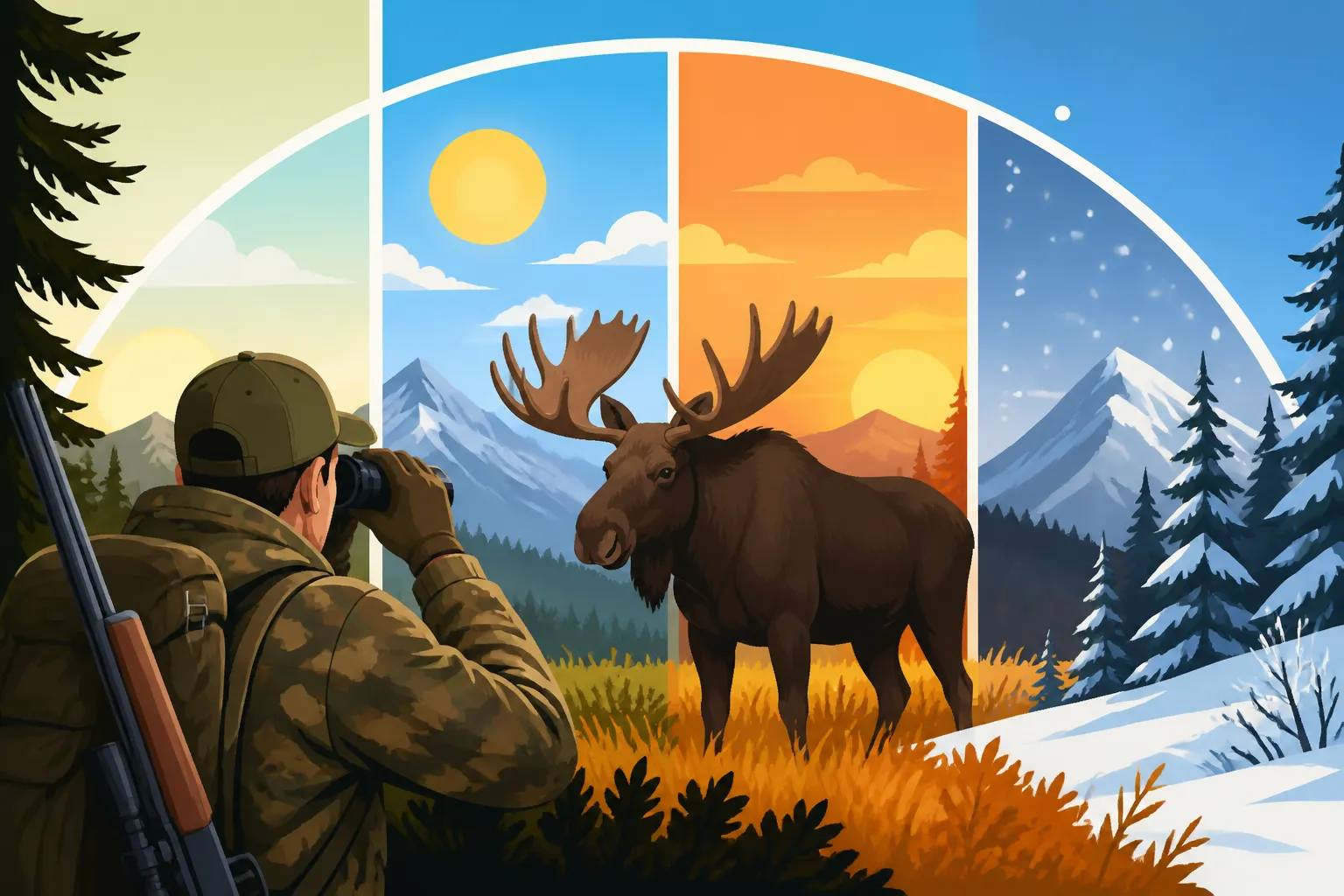
Without a doubt, the period from mid-September through the first week or two of October is considered the absolute "best time" to hunt moose in Montana. This is the peak of the rut, and bull moose become highly active, vocal, and often less cautious as they search for receptive cows. During the rut, bulls are driven by an intense desire to breed, often sparring with rivals and covering significant ground.
- Increased Vocalization: Bulls will be grunting, raking brush with their antlers, and responding to cow calls. This is when calling strategies become extremely effective. A well-placed cow call or a series of rakes can often draw a bull right into your setup.
- Visible Activity: You'll see more moose movement during daylight hours, and they'll be more concentrated in areas where cows gather. This heightened activity makes them more visible and increases your chances of spotting a bull from afar or hearing their characteristic grunts.
- Territorial Disputes: Bulls will be asserting dominance, leading to potential confrontations. While dangerous if you get too close, this behavior means they are focused on each other and less on their surroundings, potentially offering opportunities for a stalk.
Post-Rut and Late Season Challenges
Once the peak rut winds down, typically by mid-October, moose behavior shifts again. Bulls, exhausted from weeks of intense activity and breeding, will retreat to thicker cover to recover and feed heavily once more before winter sets in. They become much less vocal and more wary, making them harder to locate.
- Dispersed Animals: Moose will disperse from rutting grounds, spreading out across their range. This makes glassing less productive, as animals are no longer concentrated.
- Snow as an Advantage: However, late-season hunting can have its benefits, especially if early snows arrive. Snow can push moose down to lower elevations, concentrate them in specific winter range areas, and make tracking much easier. Fresh snow also reveals clear tracks, helping you locate recent activity.
- Focus on Food and Shelter: Hunters in the late season should focus on areas with abundant winter browse and thick thermal cover, especially on north-facing slopes where snow might accumulate slower or offer better bedding. You might find them in areas near dense timber where they can escape the elements.
Environmental Factors and Their Influence
Beyond the calendar, environmental conditions play a massive role in moose activity and can dramatically impact your hunting success. Paying attention to these subtle cues can give you a significant advantage.
Weather and Temperature Dynamics
Moose are large animals with thick coats, making them highly susceptible to overheating. As such, weather conditions heavily influence their daily routines.
- Cooler Temperatures: Moose are most active during cooler temperatures. Early mornings, late evenings, and overcast, rainy, or snowy days are often the best times to find them up and moving, feeding, or seeking mates. During the peak rut, a cold snap can really turn on bull activity, pushing them to seek out cows more aggressively.
- Warm Weather: Conversely, warm, sunny days, especially during the early season or an unseasonably warm rut, will push moose into dense timber or shady north-facing slopes, often near water, where they will bed down to avoid heat stress. Hunting during these times means focusing on thick cover and water sources.
- Snowfall: Fresh snow, as mentioned, is a double-edged sword. It can make travel harder for hunters but often concentrates moose, provides clear tracks, and can push them to more accessible feeding grounds. Deep snow, however, can make them less willing to move, conserving energy.
Moon Phases and Their Impact on Rut Activity
While not as scientifically proven as weather effects, many experienced hunters believe moon phases can influence rutting activity and animal movement. This is a common discussion point for many big game species, and moose are no exception.
- Full Moon: Some theories suggest that moose might be more active at night during a full moon, potentially resting more during daylight hours. This could mean adjusting your hunting strategy to focus on the first and last hours of light, or even midday when they might briefly move between bedding and feeding.
- New Moon: Conversely, a dark, new moon phase might encourage more daylight activity, as nocturnal movement is less illuminated.
- Practical Application: Regardless of the moon's direct impact, hunters should always be in the woods when they can. Don't let moon phase predictions deter you from hunting, but be aware that activity patterns might be slightly different. Adapt your timing and focus on transition areas during low-light conditions.
Table: Montana Moose Activity by Season and Environmental Factor
Here's a quick overview of how moose behavior changes with the seasons and key environmental conditions:
| Season Phase | Typical Dates (Approx.) | Bull Moose Behavior | Key Environmental Influences | Hunting Strategy Focus |
|---|---|---|---|---|
| Pre-Rut/Early Season | Sept 1 – Sept 15 | Feeding heavily, less vocal, solitary, predictable patterns | Warm/mild temperatures, focus on shade and water | Glassing feeding areas, still-hunting dense cover, patterning |
| Peak Rut | Sept 15 – Oct 10 | Highly active, vocal (grunting, raking), seeking cows | Cooler temps, cold fronts, overcast skies | Aggressive calling, focusing on rutting areas, tracking |
| Post-Rut/Late Season | Oct 10 – End of Season | Recovering, dispersed, less vocal, focus on re-feeding | First snow, cold weather, deep snow | Tracking fresh sign, focusing on winter browse and thermal cover |
| Warm Days | Throughout Season | Bedded in thick cover, near water; nocturnal activity | High temps, clear skies | Hunt thick timber, riparian zones, early/late light |
| Cold Days/Snow | Throughout Season | Increased movement, feeding; tracks easier to follow | Low temps, fresh snow | Tracking, focusing on exposed feeding areas, lower elevations |
Maximizing Your Chances: Planning and Strategy
Drawing a moose tag is a once-in-a-lifetime opportunity for many. Don't leave your success to chance. Meticulous planning and strategic hunting can significantly improve your odds. Our Montana Backcountry Hunting Guide offers invaluable insights for tackling rugged terrain, often found in moose country.
E-Scouting and Pre-Season Preparation
Your hunt truly begins long before you set foot in Montana. Effective e-scouting is paramount, especially for a highly sought-after species like moose.
- Utilize Mapping Tools: Digital mapping tools are your best friend. Use satellite imagery, topographic maps, and public land layers to identify potential moose habitat, including dense timber, willow bottoms, riparian areas, and high-elevation basins. Pay attention to north-facing slopes, which hold snow longer and often provide better thermal cover. You can learn a lot about specific hunt units by reading resources on how to E-Scout Montana Hunting Units.
- Research Unit Specifics: Dive deep into FWP reports, draw odds analyses, and hunting forums for your specific hunting district. Some units might be known for high moose populations but difficult access, while others might offer a better balance. Many hunters rely on services like GoHunt for detailed unit breakdowns, harvest data, and draw odds, which can inform their application strategy even years in advance.
- Identify Access Points and Trail Systems: Moose often inhabit rugged, roadless country. Plan your access routes, consider potential spike camp locations, and identify water sources. For extensive treks, consider a Best Backpack for a Montana Elk Hunt that can handle the load.
Effective Calling Strategies for Moose
During the rut, calling can be incredibly effective for moose. Unlike elk, moose are often less shy about approaching calls.
- Cow Calls: The most common and effective call is a cow call—a drawn-out, nasal "moo." This signals a receptive female to a bull. Use it judiciously; over-calling can sometimes spook a wary bull.
- Bull Grunts: A deep, guttural grunt can challenge a bull or indicate another bull is in the area. This can be effective in drawing out a dominant bull looking for a fight.
- Raking and Thrashing: Mimicking a bull rubbing its antlers on trees or thrashing through brush can be a powerful attractant. Use a shoulder blade, a stick, or even your antlers if you have them, to rake trees or brush near your setup. Combine this with grunts for a realistic scenario.
- Wind and Thermals: Always be mindful of the wind direction. Moose have an incredible sense of smell. Positioning yourself downwind of where you expect a bull to approach is critical. Understanding How to Use the Wind Hunting Montana Elk applies directly to moose and other big game.
Physical Conditioning and Backcountry Readiness
Hunting moose in Montana is physically demanding. They live in tough country, often at higher elevations, in thick timber, or deep in wilderness areas.
- Strenuous Terrain: Expect steep climbs, dense brush, fallen timber, and potentially challenging weather. Moose are incredibly tough animals, and getting a downed bull out of the backcountry can be one of the most physically exhausting tasks a hunter faces.
- Endurance and Strength: Prioritize building cardiovascular endurance and strength. Hiking with a weighted pack, especially uphill, is excellent preparation. Our guide on How to Physically Prepare for a Montana Elk Hunt provides a solid foundation that applies perfectly to a moose hunt.
- Survival Skills: Be prepared for anything. Carry a comprehensive first-aid kit, navigation tools, emergency shelter, and sufficient food and water. Self-sufficiency is key in remote moose habitat.
Ultimately, the best time to hunt moose in Montana is during the peak of the rut, from mid-September to early October, when bulls are most active and vocal. However, combining this knowledge with a deep understanding of weather patterns, habitat, and thorough pre-season planning using resources like GoHunt will dramatically increase your odds of punching that incredibly rare and hard-earned Montana moose tag.
Disclaimer
Please be aware that hunting regulations, season dates, and permit requirements are subject to change annually by Montana Fish, Wildlife & Parks (FWP). Always consult the most current FWP regulations booklet and official FWP website before planning and executing any hunt. This guide is for informational purposes only and does not supersede official state regulations.