Montana Sage Grouse Hunting
Hunting sage grouse in Montana is truly a unique experience, but it comes with its own set of frustrations. You're not just walking up on these magnificent birds; you're often navigating vast, open sagebrush country, dealing with stringent regulations, and trying to locate a species whose populations are, frankly, a constant concern. This guide is here to walk you through everything you need to know, from understanding their biology and finding their elusive habitat to securing the necessary permits and employing effective hunting strategies, so you can increase your chances of a successful and responsible hunt.
Understanding Montana Sage Grouse: Biology, Habitat, and Conservation
When you set out to hunt sage grouse, it’s not just about the hunt itself; it's about understanding the bird, its environment, and the delicate balance required for its survival. These are truly iconic birds of the American West, and Montana is one of the last strongholds, albeit with some serious conservation challenges.
Sage Grouse Life Cycle and Behavior
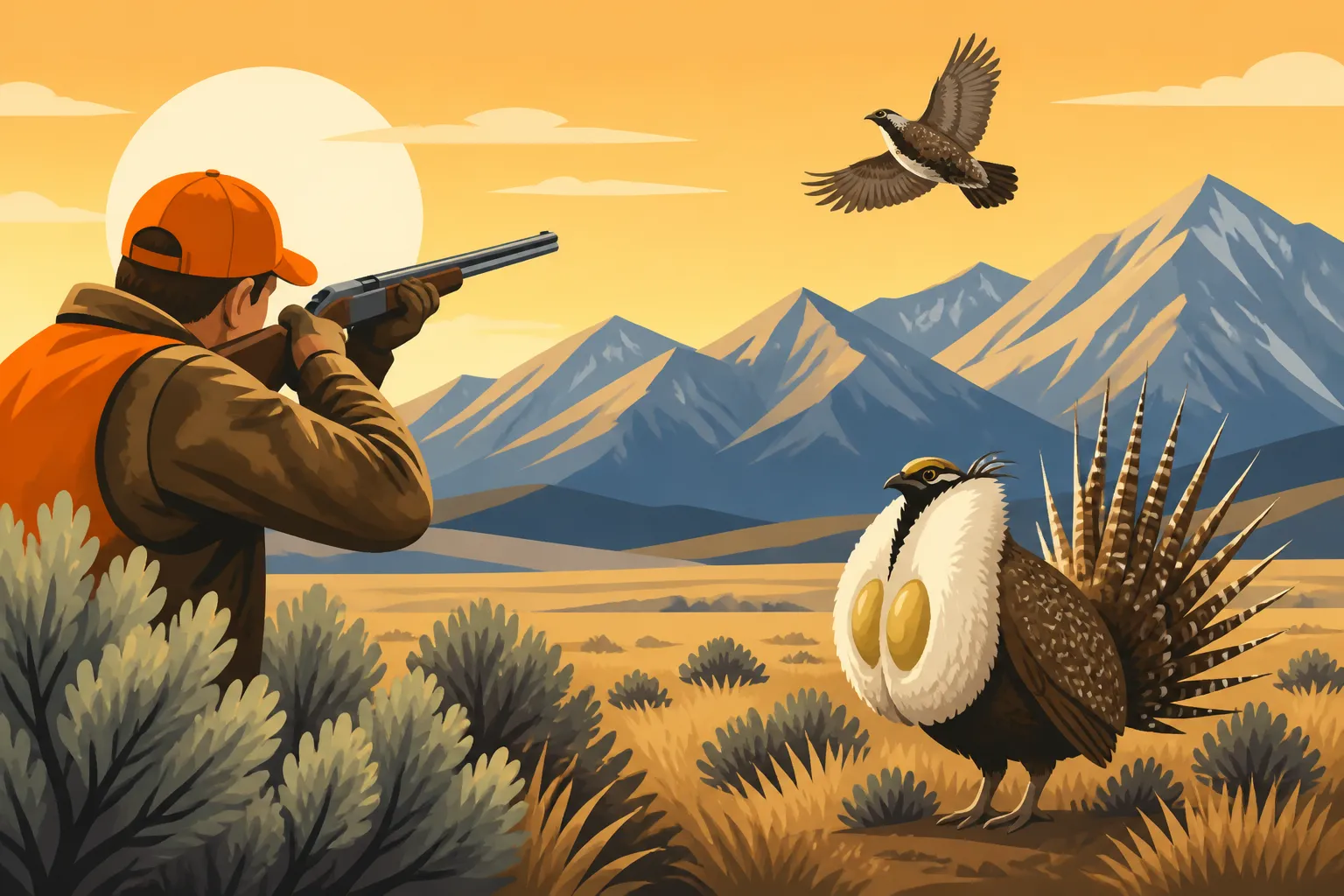
The life cycle of the sage grouse is intrinsically linked to the sagebrush ecosystem. Unlike many other upland birds, they are obligate users of sagebrush, meaning they absolutely depend on it for survival year-round. They breed in spring on communal display grounds called leks, where males put on an elaborate show to attract females. This is a spectacle to behold, but also a sensitive time when human disturbance can have a real impact. Hens will nest under sagebrush, often close to leks, and raise their broods in areas with a mix of dense sage for cover and forb-rich areas for insect forage, which is crucial for chick development. As fall approaches, and certainly by the time hunting season rolls around, the birds start to congregate into larger coveys, often in denser sagebrush stands. They rely heavily on sagebrush leaves for food, especially in winter when other forage is scarce. Their behavior is often characterized by extreme wariness, especially after they’ve been pressured, making them a challenge to approach. They prefer to walk or run away rather than flush, often flushing at a distance or holding tight in the densest cover.
Essential Sagebrush Habitat
If you're hunting sage grouse, you’re hunting sagebrush. But not just any sagebrush. They require vast, unbroken expanses of healthy sagebrush steppe. This isn't your average patch of brush; we’re talking about areas with a good mix of tall, dense sagebrush for cover and feeding, interspersed with more open areas with native grasses and wildflowers (forbs). The height and density of the sagebrush are critical, providing thermal cover in both summer heat and winter cold, and concealment from predators. Key features to look for are broad sagebrush flats, rolling hillsides, and areas adjacent to agricultural fields or water sources. They often avoid broken up, fragmented habitat, which is why habitat loss is such a critical concern for this species. When the landscape is carved up by roads, energy development, or agriculture, it directly impacts their ability to thrive. This specific habitat requirement is why you'll find them primarily in Eastern and Central Montana, areas characterized by vast, open rangelands.
Conservation Status and Management Efforts
It’s impossible to talk about sage grouse hunting without discussing their precarious conservation status. Greater sage-grouse populations have seen significant declines across their range over the last few decades, primarily due to habitat loss and fragmentation. This has led to intense conservation efforts and, critically for hunters, a very conservative approach to hunting regulations. In Montana, the state's wildlife agency, Montana Fish, Wildlife & Parks (FWP), meticulously monitors populations through lek counts and other surveys. They adjust season lengths, bag limits, and even permit allocations annually based on these scientific assessments. This is why Montana's sage grouse season is usually very short, often just a few days, and almost always requires a special permit. The goal is to allow for limited recreational hunting while ensuring the long-term viability of the species. As hunters, we have a vital role to play in supporting these conservation efforts, not just by adhering to regulations, but by advocating for habitat protection and understanding the bigger picture.
Navigating Montana's Sage Grouse Regulations and Permits
Hunting sage grouse in Montana isn't like picking up a general upland bird license and heading out. It requires specific permits and a deep understanding of the regulations, which can change year to year based on population data. It’s definitely one of those hunts where you need to be on top of the details long before you even consider packing your shotgun.
The Special Sage Grouse Permit System
Montana has implemented a special permit system for sage grouse hunting to carefully manage harvest and protect declining populations. This isn't a simple over-the-counter tag; you typically need to apply for a limited-quota permit through a draw system. This means that drawing a sage grouse permit is akin to drawing a limited-entry elk or deer tag – it requires planning, understanding the odds, and sometimes a bit of luck. The number of permits available often fluctuates annually, directly tied to the latest population surveys and habitat conditions. For example, if lek counts show a downward trend in a particular hunting district, FWP might reduce the number of permits or even close the season in that area entirely. Non-residents face even tighter quotas, making these permits incredibly sought after. You'll need to apply online through the FWP licensing system, paying attention to specific application deadlines, which are usually in late spring or early summer. It’s wise to keep an eye on the official FWP website or resources like GoHunt that track draw odds and application periods to stay informed. Don't assume anything; always double-check the current year's regulations. Understanding the nuances of the Montana Sage Grouse Permit Explained is absolutely critical before you even think about planning your trip.
Key Regulations and Season Dates
Beyond the permit, there are several key regulations that hunters must abide by. First and foremost are the season dates, which are incredibly short – often only a few days in September. These dates are set carefully to avoid disturbance during nesting and rearing periods and to allow for harvest after the young birds have matured. Daily bag limits and possession limits are also very restrictive, usually one or two birds per day, and often only two in possession. This isn't a hunt where you're aiming to fill a freezer, but rather to experience a unique pursuit and perhaps put one bird on the table.
Hunting districts for sage grouse are clearly defined, and permits are often specific to certain regions. You can't just hunt anywhere. FWP's hunt planner maps are invaluable for identifying specific boundaries where permits are valid. Additionally, hunters must possess a valid Montana conservation license and an upland game bird license in addition to the special sage grouse permit. Remember, hunter orange requirements might apply depending on other seasons overlapping, so always check the full hunting regulations pamphlet. The Montana Upland Bird Season Dates will provide an overview, but the specific sage grouse dates will be detailed within the special permit section.
Ethical Hunting and Reporting Requirements
Given the sensitive nature of sage grouse populations, ethical hunting practices are paramount. This includes proper identification of the birds – ensuring you’re not mistakenly shooting another grouse species. You'll also want to minimize disturbance to active leks, which are off-limits for hunting. It's about respecting the bird and its habitat.
Furthermore, FWP often requires successful permit holders to report their harvest. This data is incredibly important for wildlife managers to monitor harvest numbers and inform future season-setting. Sometimes, FWP will even ask for wings or other biological samples to gather more detailed information on age and sex ratios, which helps them understand population dynamics. Participating in these voluntary (and sometimes mandatory) reporting efforts is a crucial part of being a responsible sage grouse hunter. Always be prepared to provide information about your hunt, including date, location, and the number of birds taken.
Essential Gear and Preparation for a Montana Sage Grouse Hunt
Sage grouse hunting demands specific gear and a level of preparation that goes beyond your average walk in the woods for pheasants. The terrain, the elusive nature of the bird, and Montana's often unpredictable weather all factor into what you'll need to bring and how you'll prepare.
Shotgun and Ammunition Selection
For sage grouse, you’ll want a shotgun that can reach out a bit, as these birds can often flush at a longer range than other upland species. A 12-gauge or 20-gauge shotgun is typically preferred, with a modified or improved cylinder choke often being a good starting point. You might even consider a more open choke like skeet or cylinder if you're hunting with a strong pointing dog and expect closer flushes, but generally, a tighter pattern helps with those longer shots.
Ammunition choice is also critical. Since sage grouse are large, hardy birds, you'll want something with enough punch. #4, #5, or #6 lead shot are common choices. Steel shot is generally not required unless you are hunting specific areas that mandate it (like some waterfowl zones, which typically don't overlap with sage grouse habitat, but it's always good to check). Opt for high-quality, fast-moving loads to ensure good patterns and sufficient energy. Bring more shells than you think you’ll need; long walks in open country can mean more shooting opportunities, even if the birds are sparse.
Optics, Navigation, and Safety
Given the vast, open country where sage grouse live, good optics are not just a luxury, they're a necessity. A pair of 8x or 10x binoculars can be incredibly helpful for spotting birds at a distance, especially if they are silhouetted against a ridge or if you're trying to locate a downed bird in dense sagebrush. You'll be covering a lot of ground, so reliable navigation is non-negotiable. A GPS device or a smartphone app like onX Hunt is invaluable for keeping track of your location, marking birds, identifying property boundaries (especially crucial with Montana Public Land Hunting Guide considerations), and ensuring you don't wander into closed areas or private land without permission. Always carry a physical map and compass as a backup, and know how to use them.
Safety in the field is paramount. This means carrying plenty of water, as sage grouse country can be arid and hot, even in early fall. A first-aid kit, a whistle, and a way to signal for help (like a satellite messenger, especially if you're hunting solo in remote areas) are crucial. Dress in layers, as temperatures can swing wildly from morning chill to midday heat. And, of course, blaze orange is always a good idea, even if not strictly required, to increase your visibility to other hunters.
Clothing and Footwear for Sagebrush Country
Your choice of clothing and footwear can make or break your sage grouse hunt. You'll be walking through dense, often thorny sagebrush, so durable, briar-resistant pants or chaps are highly recommended. Look for tough canvas or synthetic materials that can withstand snags and abrasions. A comfortable, breathable shirt is essential, and layering is key for adapting to changing temperatures. A good hunting vest with plenty of pockets for shells, water, and perhaps a small game pouch will make your life a lot easier.
Footwear needs to be robust and comfortable, designed for miles of walking over uneven terrain. Sturdy, ankle-supporting upland hunting boots that are broken in are a must. Waterproof boots are a smart choice, even if it seems dry, as early morning dew or unexpected showers can soak your feet quickly. The best boots for Montana elk hunting often share similar qualities with good upland boots – excellent ankle support, durable construction, and comfort for long miles. Avoid anything too stiff or new, as blisters can end a hunt fast. Don't forget gaiters to keep sagebrush seeds, dirt, and burrs out of your boots and socks.
Effective Hunting Tactics for Montana Sage Grouse
Hunting sage grouse is a game of patience, strategy, and often, a lot of walking. These birds aren't pushovers, and a successful hunt usually involves a blend of smart scouting, methodical walking, and good dog work.
Walking and Flushing Strategies
The most common tactic for sage grouse is simply putting boots on the ground and walking them up. However, it's not random rambling. You want to cover ground methodically, often walking into the wind, as this helps your scent carry and keeps the birds from getting your wind too easily. Sage grouse often hold tight in dense sagebrush, but they can also be incredibly wary, flushing at long distances. If you're hunting without a dog, walk slowly and deliberately, pausing frequently. Those pauses can sometimes cause a nervous bird to flush, thinking it has been spotted.
Focus on areas with ideal habitat: dense, mature sagebrush stands, especially those near subtle draws, slight rises, or the edges of agricultural fields. Birds will often feed in more open areas in the early morning or late evening and then retreat to thicker cover during the mid-day sun. When a bird flushes, be ready. They are large birds but can explode out of cover surprisingly quickly. Learn to shoot quickly and decisively, as they will typically fly low and fast, often putting a considerable distance between you and them before you can get a second shot. If you miss, mark the bird down carefully, as they often land and run, or simply melt back into the sagebrush.
The Role of a Good Bird Dog
For many, sage grouse hunting is inseparable from hunting with a good pointing dog. A well-trained bird dog is an absolute game-changer for these hunts. Their superior sense of smell allows them to locate birds that would otherwise be missed and pin them down for a solid point. This is crucial because sage grouse are masters of holding tight, allowing you to walk right by them if you’re not careful. When a dog goes on point, it allows the hunter to position themselves for a safe shot and be ready for the flush.
English Setters, German Shorthaired Pointers, Brittanys, and other versatile pointing breeds excel at this. The key is a dog that can cover a lot of ground efficiently, has an excellent nose, and can handle the vastness of sagebrush country. Training for steadiness to flush and shot is important, as these birds can be challenging. A good retriever also helps immensely in finding downed birds that blend perfectly into the sagebrush, saving you valuable time and preventing lost game. A dog's ability to scent and hold birds tight also allows for closer, cleaner shots, which is a significant advantage when you might only get a handful of opportunities.
Group Hunting and Driving Techniques
While many sage grouse hunts are solo affairs or involve one or two hunters and dogs, a group can sometimes employ driving techniques, particularly in very large, open flats. This involves some hunters walking in a line, pushing birds towards other hunters positioned strategically ahead, or along the flanks. This can be effective in covering vast tracts of habitat more efficiently and creating flushing opportunities.
However, this method requires careful planning, excellent communication, and strict adherence to safety protocols. Everyone needs to know where others are at all times, and shooting lanes must be clearly established. In general, this approach is more common for species like pheasants in crop fields, but it can be adapted for sage grouse in specific, very open areas. Regardless of the number of hunters, always remember the cardinal rule: identify your target and know what's beyond it. Given the wide-open nature of sagebrush country, long shots are often a temptation, but safety must always come first.
Finding Productive Sage Grouse Habitat in Montana
Locating prime sage grouse habitat in Montana can feel like searching for a needle in a haystack if you don't know what you're looking for. It involves a combination of pre-season scouting, leveraging mapping tools, and understanding land access.
E-Scouting and Map Research
Before you even leave your living room, you can do a ton of research. E-scouting is your best friend for sage grouse. Start with satellite imagery on platforms like GoHunt, onX Hunt, or Google Earth. Look for those vast, unbroken expanses of sagebrush steppe. Ideal habitat will show a consistent texture of sagebrush, indicating good cover. Pay attention to subtle topographical features like gentle draws, shallow coulees, or small hills that might offer shelter from wind or sun, as birds often congregate in these areas. Look for transitions where dense sagebrush meets more open grassy areas or even agricultural fields, as these interface zones can be prime feeding and loafing spots.
Identify potential water sources nearby, even if they're small potholes or stock tanks, as these can attract birds, especially in drier years. Don't forget to use the public land layers on your mapping app. Much of Montana's best sage grouse habitat is found on BLM land or state trust lands, and knowing those boundaries ahead of time is critical. Resources like the Montana Hunt Planner Maps Explained can help you overlay hunt district boundaries with land ownership. This pre-season reconnaissance can save you countless hours of driving and walking once you’re actually in the field.
Identifying Key Habitat Features in the Field
Once you're actually in the field, ground-truthing your e-scouting is essential. You’re looking for specific characteristics of the sagebrush itself. Mature sagebrush, often 1-3 feet tall, provides the best cover and forage. Look for healthy, vibrant plants, not sparse or unhealthy stands. The presence of a variety of native grasses and forbs (wildflowers) mixed in with the sagebrush indicates a healthy ecosystem, which is crucial for chick survival during the summer months when insects are abundant.
Observe the landscape for signs of sage grouse activity, such as droppings (distinctive, often crescent-shaped pellets), feathers, or dusting bowls (shallow depressions where birds dust themselves). If you can locate a lek (breeding ground), that's an excellent indicator of resident birds, though you'll be hunting some distance away from it to avoid disturbance. Areas with a mix of dense sage for cover and more open, forb-rich patches are often preferred. Consider the time of day – birds might be in more open feeding areas early and late, and retreat to denser cover during the heat of the day.
Navigating Public and Private Land Access
Montana offers a wealth of public land, but navigating access for sage grouse can still be a challenge. Much of the prime sage grouse country is a mix of BLM land, state trust land, and private ranches. Understanding the rules for each type of land is vital. For public lands, access is generally open, but ensure you’re entering legally, especially if it requires crossing private land (check for easements or public access points).
Block Management Areas (BMAs) are fantastic programs where private landowners enroll their property to allow public hunting access. These are often prime areas for sage grouse, and many BMAs specifically target upland birds. You'll need to check the FWP Block Management website or pick up a BMA atlas, as rules, access dates, and sign-in procedures vary greatly between individual BMAs. Some require advanced permission, others are self-sign-in. Always be respectful of private property, close gates, and follow any specific landowner requests. Learning how to use Block Management for DIY Hunts can unlock some incredible opportunities. If you are hunting solely on public lands, knowing how to find elk on Montana public land, or in this case, sage grouse, often comes down to covering vast amounts of ground where others won't.
Post-Hunt Considerations and Best Practices
A successful sage grouse hunt doesn't end when the bird is in hand. There are critical steps to take afterward, from field care of your bird to reflecting on your experience and contributing to conservation efforts.
Field Dressing and Meat Care
Sage grouse are large upland birds, and their meat can be absolutely delicious if handled properly. As soon as you retrieve your bird, consider field dressing it. This means removing the entrails to allow the carcass to cool down quickly, especially if you're hunting in warmer early-season temperatures. Plucking or skinning is a matter of preference; plucking will preserve the skin and fat, which adds flavor, but it can be time-consuming. Skinning is faster and easier for many.
Once dressed, get the bird into a game bag to protect it from dirt and flies. Keep it cool. If you’re far from your vehicle, a small cooler with ice in your pack can be invaluable. Otherwise, aim to get it into a cooler with ice as soon as possible after your hunt. Sage grouse meat, particularly from older birds, can sometimes have a slightly "sagey" flavor, which some enjoy and others prefer to mitigate through brining or specific cooking methods. Recipes that involve braising, slow-cooking, or using marinades often work well. Treat it like other dark-meated game birds, and you’ll be in for a culinary treat.
Respecting the Resource and Habitat
Every sage grouse hunter has a responsibility to be a steward of this precious resource. This means strictly adhering to all bag limits and season dates. Never take more than your legal limit, even if opportunities arise. It also means respecting the habitat you're hunting. Avoid driving off-road, stay on established trails, and pack out everything you pack in. Leave no trace.
Beyond the hunt, consider ways to support sage grouse conservation. This could be through donating to organizations dedicated to sagebrush habitat preservation, participating in FWP surveys, or simply educating others about the importance of these unique birds. The future of sage grouse hunting depends entirely on healthy populations and intact habitat, and hunters are often at the forefront of these conservation battles. Being a voice for sagebrush country and its inhabitants is a vital part of the hunting tradition.
Planning Future Hunts and Learning from Experience
Every hunt, successful or not, is a learning experience. Take time to reflect on your sage grouse hunt. What worked well? Where did you find birds? What tactics seemed most effective? What gear was essential, and what could have been left behind? Keep a hunting journal to log your observations, including weather conditions, bird behavior, habitat types, and specific locations (using your GPS waypoints). This data will be invaluable for planning future hunts.
Consider how you might adjust your E-scout Montana hunting units strategy next year, or if you need to refine your dog’s training. Did you spend enough time looking at the Montana Hunt Codes Explained to pick the best unit? Sage grouse populations can fluctuate from year to year, so staying current on FWP reports and adjusting your expectations accordingly is part of the game. Building up your knowledge and experience will make you a more effective and ultimately, more successful sage grouse hunter over time, turning those frustrations into satisfying memories.
| Aspect | Key Consideration | Details for Sage Grouse Hunting |
|---|---|---|
| Permit | Special draw required | Apply for limited-quota permits through FWP, usually in spring/early summer. Quotas vary annually based on population. Non-residents face tighter odds. |
| Season Dates | Extremely short and specific | Typically a few days in September. Always check current year's FWP regulations meticulously. |
| Bag Limits | Very restrictive | Often 1-2 birds daily, 2 in possession. This is a quality, not quantity, hunt. |
| Habitat | Vast, unbroken sagebrush steppe | Look for dense, mature sagebrush (1-3 ft tall) mixed with native grasses/forbs. Focus on subtle terrain features like draws and flats near agricultural interfaces or water. |
| Tactics | Walking, dog work, methodical coverage | Walk into the wind, pause frequently. Good pointing dogs are invaluable. Consider group drives in open areas with strict safety. Be ready for fast, low flushes. |
| Gear | Durable clothing, good optics, reliable navigation | Briar-resistant pants, sturdy upland boots, 12/20 gauge shotgun with #4-#6 shot, 8-10x binoculars, GPS/onX, plenty of water, first-aid. |
| Conservation | High priority due to declining populations | Strict adherence to regulations, ethical hunting, minimal lek disturbance, proper harvest reporting, and support for habitat conservation are crucial. |
| Meat Care | Field dress quickly, keep cool | Remove entrails immediately. Pluck or skin. Store in game bag and then cooler with ice. Be prepared for a distinct sagey flavor in older birds. |
Disclaimer
The information provided in this guide is for general informational purposes only and is subject to change. Hunting regulations in Montana are set by Montana Fish, Wildlife & Parks (FWP) and can be updated annually. It is the sole responsibility of each hunter to review and understand the most current official FWP hunting regulations and obtain all necessary licenses, permits, and permissions before engaging in any hunting activities. Always prioritize safety, ethical conduct, and respect for wildlife and private property.