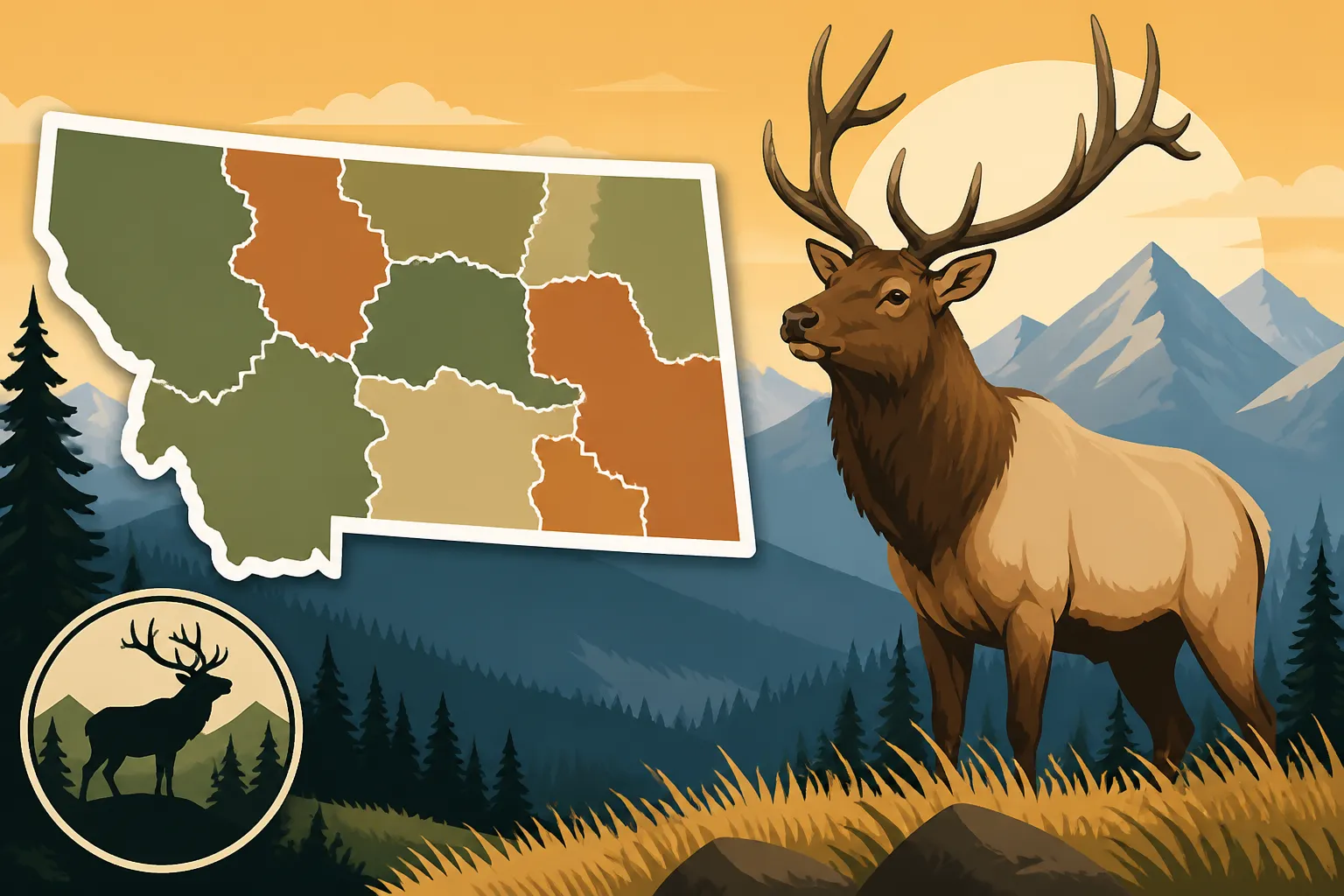
Montana Second Elk B License Districts
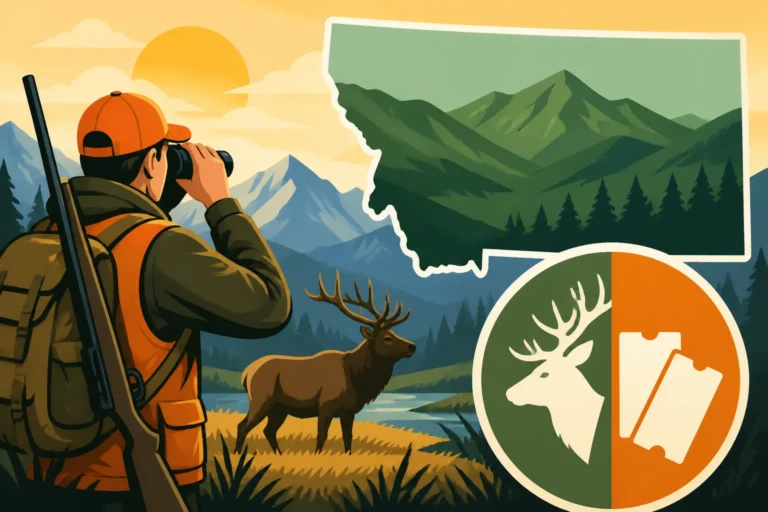
Navigating Montana's complex elk licensing system can feel like trying to solve a puzzle with half the pieces missing, especially when you start hearing about "Second Elk B Licenses." Many hunters, both residents and non-residents, find themselves scratching their heads, wondering what these tags are, how they work, and, most importantly, where they can actually be used. This comprehensive guide is here to demystify Montana's Second Elk B License districts, helping you understand this unique opportunity and potentially add more elk to your freezer.
Understanding Montana's Elk Licensing System
Before we dive deep into the specifics of a Second Elk B License, it's crucial to grasp the foundational elements of how Montana manages its elk herds through its licensing structure. It’s not just about buying a tag; it’s a carefully balanced system designed to maintain healthy populations and provide hunting opportunities.
General Elk Tags Versus B Licenses
At the core of Montana elk hunting, you'll find the general elk tag. For many hunters, this is the primary goal: a statewide tag (or region-specific for non-residents via a combination license) that allows you to pursue an antlered bull elk, and in many districts, an antlerless elk, during specified seasons. This general tag often gives you the most flexibility, allowing access to a vast majority of the state's public and private lands, provided you have permission or it's public. If you're looking for an in-depth overview, check out our Montana General Elk License Explained article.
However, Montana also utilizes "B licenses" to fine-tune elk harvest. Unlike general tags, B licenses are typically issued for antlerless elk (cows or calves) and are highly restricted to specific hunting districts. They act as a management tool, allowing the state to increase harvest pressure on antlerless elk in areas where populations are thriving or exceeding management objectives. Think of them as precision tools in the larger elk management toolbox.
The Purpose of Elk B Licenses
Elk B licenses aren't just an extra opportunity for hunters; they serve a vital role in the Montana Fish, Wildlife & Parks (FWP) wildlife management strategy. Their primary purpose is to help manage elk populations, particularly cows, in areas where herd numbers are high, or where elk are causing significant agricultural damage. By allowing hunters to harvest antlerless elk in these specific districts, FWP can reduce herd growth rates and mitigate conflicts between elk and landowners.
For example, in some districts adjacent to private agricultural lands, elk can quickly deplete feed resources or damage crops, leading to significant landowner frustration. FWP uses B licenses to encourage hunters to focus their efforts in these problem areas, spreading out the harvest pressure and helping to keep elk populations within desired ranges. These targeted opportunities are a win-win: hunters get more chances to fill their freezers, and wildlife managers can address specific herd objectives effectively.
What Exactly is a Second Elk B License?
Now, let's get to the heart of the matter: what makes a "Second Elk B License" different from a regular Elk B License, and why is it such a specific designation? It’s where the system adds another layer of opportunity, but also complexity.
Antlerless Opportunity
First and foremost, it's critical to understand that virtually all Second Elk B Licenses are for antlerless elk. This means you'll be targeting cows or calves, not bull elk. If your primary goal is to harvest a trophy bull, a Second Elk B License won't be your direct path, although it can be a fantastic way to extend your time in the field and secure some excellent elk meat. These licenses are a reflection of FWP's commitment to controlling herd growth by targeting the reproductive segment of the population.
It's also important to differentiate this from the general elk tag's "antlerless opportunity." While a general elk tag often allows for antlerless harvest in certain general units, a Second Elk B License is a separate tag for a specific district, strictly for antlerless animals. This distinction is crucial for understanding where and how you can legally hunt.
How Second B Licenses Differ
The key distinction for a "Second Elk B License" lies in its additional nature. Unlike your primary general elk license or even a first Elk B license (which might be the only elk tag you hold for a specific district), a Second Elk B License is an additional tag that can be drawn after you've secured your primary elk hunting opportunity. This is a big deal, particularly for residents who often face better odds for these types of tags. Non-residents, on the other hand, face significantly tougher odds for any B license, let alone a second.
These "second" opportunities are designed for extremely specific areas where FWP needs to achieve higher harvest quotas. They are not available in every district, and their availability can change year to year based on population surveys, winter severity, and herd objectives. This means constant vigilance and research are required to understand where these opportunities might exist, and what the Montana Elk Season Dates and Tags are for those specific districts.
Identifying Montana Second Elk B License Districts
Finding these elusive Second Elk B License districts isn't always straightforward. It requires careful research and a deep dive into the annual FWP regulations.
District-Specific Availability
The most important thing to grasp about Second Elk B Licenses is that their availability is highly specific to certain hunting districts. You won't find a blanket "second B license" that applies statewide. Instead, FWP designates particular districts where conditions warrant an increased antlerless harvest. These are often areas where elk populations are robust, and perhaps even exceeding management objectives or causing conflicts with private landowners.
These districts might be areas with good elk habitat adjacent to agricultural fields, or regions where winter range conditions allow for higher herd numbers. Each year, FWP reviews herd data, harvest reports, and landowner concerns to determine which districts will offer these additional opportunities. This means the list of eligible districts can, and often does, change annually.
FWP Regulations and Resources
Your absolute best friend when researching Second Elk B Licenses is the official Montana Fish, Wildlife & Parks (FWP) hunting regulations. These regulations, published annually, are the definitive source for all licensing, season dates, and district-specific rules. Don't rely on old information or hearsay; always consult the current year's FWP hunting proclamation. Pay close attention to the "Elk B Licenses" section and look for districts explicitly stating "Second Elk B License" opportunities.
Beyond the official FWP documents, resources like GoHunt offer invaluable tools for deciphering these regulations and researching draw odds. Their filtering systems and data analysis can quickly show you which districts have offered these licenses in the past, historical draw success rates, and potential population trends. Using a platform like GoHunt can save you countless hours of digging through dense FWP PDFs.
Typical District Characteristics
So, what kind of districts tend to offer these Second Elk B Licenses? Generally, you'll find them in areas exhibiting a few key characteristics:
- Robust Elk Populations: Districts where elk numbers are consistently strong, sometimes even exceeding FWP's population objectives. These are healthy herds that can sustain additional harvest pressure.
- Agricultural Interface: Many of these districts are in the foothills or plains, where elk move between mountainous public lands and private agricultural fields. Here, elk can cause significant crop damage or forage depletion, making increased cow harvest a priority.
- Accessible Terrain: Often, these districts have more accessible terrain, making it easier for a broader range of hunters to participate in the harvest. This doesn't mean easy hunting, but perhaps less extreme backcountry conditions compared to some wilderness areas.
- Specific Management Goals: FWP might have specific local management goals, such as reducing disease transmission risk or preventing habitat degradation, which necessitate an increased antlerless take in certain areas.
It's not uncommon for districts in central or eastern Montana, or those on the fringes of mountain ranges, to feature these opportunities more regularly. Understanding these characteristics can help you anticipate where these licenses might be available even before the regulations are officially released. For deeper insights into district selection, our How to Choose a Montana Hunting District guide can be very helpful.
Strategies for Applying for a Second Elk B License
Once you've identified potential districts, the next step is navigating the application process. It requires understanding the deadlines, the draw mechanics, and how to maximize your chances.
Application Process Overview
Applying for any Montana hunting license, including a Second Elk B License, generally happens through the FWP's online licensing system. The application period for most big game draws typically falls in the spring, with deadlines usually in early April. It's critical to mark these dates on your calendar, as missing a deadline means missing out on the opportunity.
When applying, you'll specify the particular hunting district and license type (e.g., "Elk B – HD XXX"). You'll typically pay a non-refundable application fee. If you're a non-resident, you must first apply for and draw a general elk or deer/elk combination license before you can even consider applying for any B licenses, including a second one. This is a common point of confusion, but essential to grasp for Montana Nonresident License Draw Explained.
Odds and Point Strategy
The draw odds for Second Elk B Licenses can vary wildly, from almost guaranteed in some undersubscribed districts to extremely tough in highly desirable ones. Unlike the primary general elk license, which utilizes preference points, B licenses in Montana operate on a bonus point system. Every year you apply and are unsuccessful, you accrue an additional bonus point for that specific license type. When you apply, all your accumulated bonus points are squared, and that number is added to your application's random draw number. This significantly increases your odds over time.
However, many hunters overlook the true power of this system for these specific "second" B licenses. Because many hunters focus on their primary general tag or a first B license, the competition for a second B license might be comparatively lower in some districts, especially those that are perceived as less "glamorous" or have less public land. This creates unique opportunities for hunters who have been steadily building bonus points and are willing to target specific, less-pressured districts. To learn more about how the points work, check out our guide on Montana Preference Points vs Bonus Points.
Researching Draw Success with Tools like GoHunt
This is where detailed research truly pays off. Relying solely on the FWP brochure will give you the current year's offerings, but it won't tell you much about historical draw success or how many applicants typically pursue a particular tag. This is where subscription services like GoHunt become invaluable. GoHunt provides historical draw odds, applicant numbers, and success rates for every single hunting district and license type, including Second Elk B Licenses.
By using platforms like GoHunt, you can analyze trends, identify districts with consistently high draw odds, or strategically target districts where a few bonus points might put you over the top. For instance, you might find a district that has a low draw success rate for a general elk tag, but surprisingly good odds for a Second Elk B License due to lower applicant numbers. This data-driven approach allows you to make informed decisions rather than just throwing an application at the wall. Understanding Montana Elk Draw Odds by District is crucial for this strategy.
Maximizing Your Hunt with a Second Elk B License
Drawing a Second Elk B License is just the first step. To truly make the most of this opportunity, you need a solid plan for the hunt itself.
Ethical Harvesting and Herd Management
Receiving a Second Elk B License comes with a responsibility: to contribute ethically to Montana's elk herd management. These licenses are primarily designed to reduce cow numbers in specific areas, which is vital for maintaining herd health and mitigating conflicts. When you're out there, remember that you're an active participant in this conservation effort. Focus on a clean, ethical harvest, and be prepared to take care of your animal promptly.
This also means understanding the specific regulations for your drawn district. Some districts might have unique antlerless-only seasons or specific access rules that differ from general season regulations. Always double-check your particular hunt code and district details to ensure you are hunting legally and responsibly.
Scouting and Access Considerations
Hunting districts that offer Second Elk B Licenses can often present unique challenges, especially regarding access. Many of these areas might include a mix of public and private land, or be situated in areas where elk frequently move between the two. Thorough scouting, often using mapping tools like onX Hunt, is absolutely essential. Identify public land access points, potential elk travel corridors, and likely bedding and feeding areas. Our Montana Public Land Hunting Guide can provide a lot of useful information here.
Don't shy away from contacting landowners in mixed public/private areas, especially if you suspect elk are primarily using private ground. A polite, respectful request for permission can often open doors to fantastic hunting opportunities. Remember, FWP often issues these B licenses precisely because elk numbers are high on private land and landowners are requesting relief. Being a considerate hunter can go a long way.
Planning Your Hunt Around the License
A Second Elk B License usually means you'll have an additional hunting opportunity beyond your primary tag. This requires careful planning. If you've drawn a general elk tag, for example, you might choose to focus your early season efforts on pursuing a bull with your general tag, and then dedicate time later in the season to filling your Second Elk B License. This allows you to prioritize your hunting goals and extend your time afield.
Consider the timing of the specific Second B License season. Many of these antlerless opportunities extend into late fall or even early winter, which can be an excellent time to hunt. Elk are often concentrated on winter ranges, and snow can make tracking and spotting easier. However, colder weather also means being prepared for harsh conditions and ensuring proper meat care. Integrating this into your overall Montana Elk Hunting Guide strategy is key.
Table of Hypothetical Second Elk B License Districts
To give you a clearer picture, here’s a hypothetical table outlining the characteristics you might find in districts offering Second Elk B Licenses. Please note: These are illustrative examples and not current FWP data. Always consult the official Montana FWP regulations for the most up-to-date information.
| Hunting District (HD) | Primary Purpose of B License | Typical Terrain | Public Land Access | Draw Odds (General B) | Notes |
|---|---|---|---|---|---|
| HD 3XX (Foothills) | Reduce Ag Damage | Rolling Hills, Timbered Draws | Moderate | Fair (20-40%) | Elk transition between public timber and private crop fields. Good for later seasons. Often has higher resident success. |
| HD 4XX (Central Plains) | Population Management | River Bottoms, Breaks, Private Pastures | Limited (Block Management) | Excellent (60-80%+) | Primarily private land with some Block Management access. Focus on early morning/late evening hunts near water and cover. Good for hunters who prefer less mountainous terrain. |
| HD 5XX (Mountain Valley) | Localized Overpopulation | Mix of Forest & Open Valley | Moderate-Good | Tough (10-25%) | High elk density in specific valley bottoms. Can be pressured. Requires good glassing skills and patience. Check for specific private land permissions. |
| HD 6XX (Eastern Front) | Maintain Herd Balance | Rugged Breaks, Forested Slopes | Moderate-Good | Fair (30-50%) | Mix of public and private. Elk move extensively. Good opportunity if you are willing to hike and work hard. Access can vary. |
This table illustrates that these opportunities are diverse and require tailored strategies.
Final Thoughts on Montana Second Elk B Licenses
Pursuing a Second Elk B License in Montana is a fantastic way to enhance your hunting season, contribute to sound wildlife management, and increase your chances of filling the freezer. It requires diligence in studying regulations, strategic application, and smart in-field planning, but the rewards can be significant. Don't let the complexity of the Montana licensing system deter you; with a bit of effort and the right resources, you can unlock these unique opportunities.
Disclaimer
The information provided in this guide is for general informational purposes only and is not intended as legal advice or an official interpretation of hunting regulations. Montana Fish, Wildlife & Parks (FWP) regulations are subject to change annually. Hunters are solely responsible for understanding and complying with all current FWP rules, regulations, and deadlines. Always consult the most recent FWP hunting proclamation and official FWP resources before applying for licenses or heading afield.