How to Hunt Montana Elk in General Rifle Season
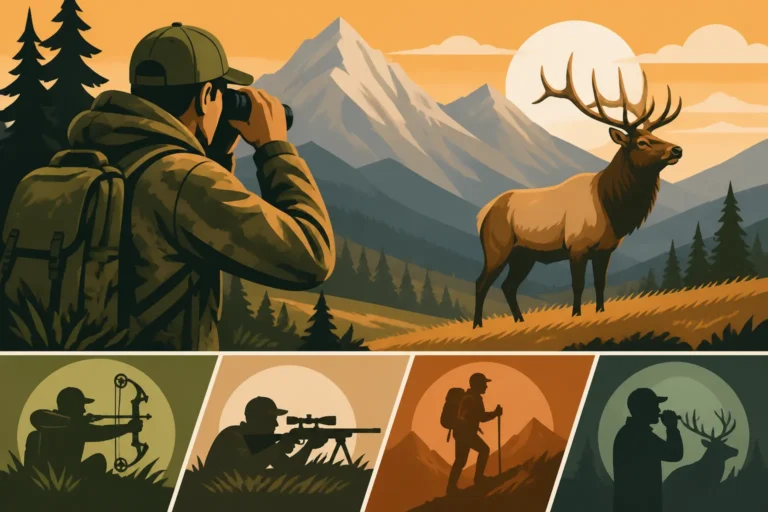
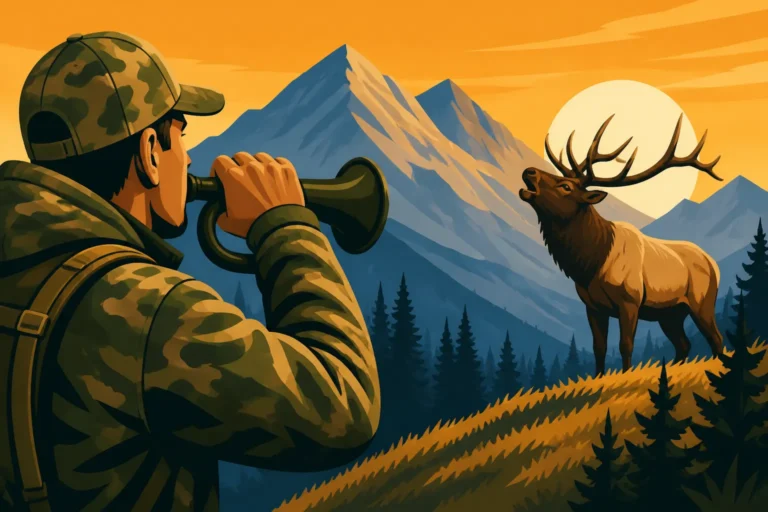
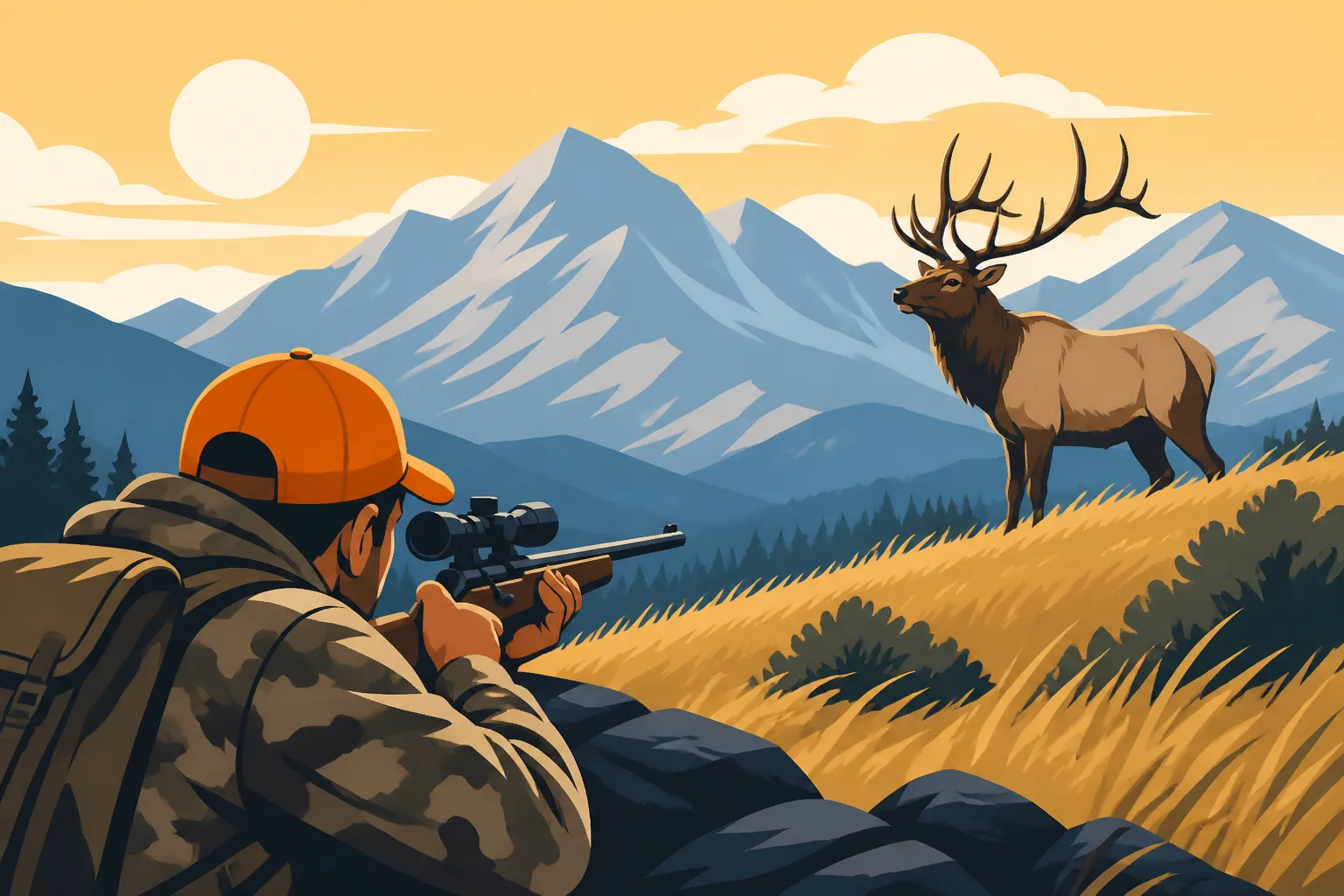
Hunting Montana elk during the general rifle season can feel like tackling a whole different beast compared to the early archery hunts. Many hunters head into the mountains expecting widespread bugling and easily patterned animals, only to be met with silent timber, heavily pressured elk, and the crushing reality of hundreds of other hunters sharing the same dream. This guide is here to walk you through the unique challenges and effective strategies for successfully pursuing elk in Montana during the general rifle season, helping you navigate the crowds and find those elusive bulls.
Understanding the Montana General Rifle Season Landscape
When the general rifle season opens in Montana, the entire dynamic of elk hunting shifts dramatically. It’s no longer just you and a few other archery hunters; the mountains come alive with orange vests, truck campers, and the unmistakable sound of distant rifle shots. This pressure profoundly impacts elk behavior, making it crucial to understand the environment you're stepping into.
Season Dates and Regulations
The first step for any successful hunt in Montana is to thoroughly know the rules. Montana's general rifle season typically kicks off in late October and runs through the Sunday after Thanksgiving. These dates are fairly consistent year-to-year, but it’s absolutely vital to check the current year’s FWP regulations booklet as specific district regulations, antler restrictions, or special permits can vary significantly. For instance, some districts might have "either-sex" elk tags, while others are "antlered bull only," and some might require a special permit beyond the general elk license. Getting these details wrong can ruin a hunt and even lead to fines. Make sure you understand the nuances of the Montana General Rifle Season Dates that apply to your chosen hunting district.
It's also worth noting that non-residents typically need to draw a combination license to hunt elk in Montana, which includes the general elk tag. Residents have more straightforward access to general tags. Regardless of residency, knowing whether your specific district is a general unit or requires a limited-entry permit is paramount. Ignoring these details can mean you’ve spent countless hours preparing for a hunt you can’t legally participate in.
Hunter Pressure and Elk Behavior Changes
There’s no sugar-coating it: the general rifle season in Montana sees a lot of hunter pressure, especially on readily accessible public lands. As the season progresses, elk, being incredibly intelligent and adaptable animals, quickly change their behavior. They don't just disappear; they become masters of evasion. What was once an open meadow might now be avoided during daylight hours. Creeks and drainages that were travel corridors become quiet sanctuaries.
This is where the real challenge, and the real fun, begins. Elk will often retreat into the densest, darkest timber patches, particularly on north-facing slopes or in areas with thick cover that provides both security and thermal regulation. They become mostly nocturnal, feeding under the cover of darkness and bedding down in impenetrable thickets long before sunrise. Understanding these shifts is key to formulating a successful Montana Public Land Hunting Strategy during rifle season. They'll use the terrain to their advantage, often moving uphill and into steeper, rougher country where fewer hunters are willing to venture. This isn't just a guess; it's a consistent pattern observed year after year. Their survival instincts kick into overdrive, making them incredibly difficult to locate, let alone get a shot at.
Essential Strategies for Success in General Rifle Season
Given the unique conditions of Montana's general rifle season, a different approach is often required. You can't just walk out and expect to call in a bull like you might during the peak of the archery rut. This phase demands patience, detailed scouting, and a willingness to adapt your tactics.
E-Scouting and Pre-Season Preparation
Your hunt for Montana elk in general rifle season starts long before you ever set foot in the woods. Modern technology has revolutionized pre-season scouting, and tools like GoHunt's mapping software or onX Hunt are invaluable. Start by identifying potential hunting districts that align with your fitness level and desired hunting style. Look for areas with a good mix of public land access, timbered slopes, north-facing aspects (which hold snow longer and offer thermal cover), and areas with difficult access. Remember, areas that are harder to get to often mean less hunter pressure. You can use these tools to learn How to E-Scout Montana Hunting Units effectively.
When you're studying maps, pay close attention to topography. Look for steep ridges, deep canyons, and expansive dark timber blocks. These are the places elk retreat to when the hunting pressure mounts. Identify potential bedding areas (thick timber, north slopes), feeding areas (clear cuts, south-facing slopes, old burns), and the travel corridors (saddles, benches, game trails) that connect them. Don't just look for "elk country"; look for "pressure-proof elk country." This often means identifying remote pockets of public land, wilderness boundaries, or large Block Management Areas that offer diverse terrain. Marking these waypoints on your GPS or mapping app will save you precious time in the field.
Adapting to High-Pressure Scenarios
When you're out hunting during general rifle season, you're going to encounter other hunters. It’s a fact of life. The key is not to let this deter you, but to use it to your advantage. Other hunters often push elk into new areas. Instead of following the herd of hunters, try to anticipate where elk will go because of that pressure. This is a critical aspect of learning How to Hunt Elk in Montana Rifle Season Pressure. Often, they'll head for the thickest, nastiest timber or the steepest, most remote basins.
One highly effective strategy is to hunt during the week if possible. Weekends, especially opening weekend, see the highest concentrations of hunters. If you can take a few weekdays off, you'll often find a significant reduction in competition. Another tactic is to hunt midday. Many hunters go out early morning and then head back to camp by mid-morning, only to return in the late afternoon. Elk, however, still move, especially if pushed, and midday can offer quieter windows of opportunity for still-hunting or stalking. Consider hunting areas that require significant physical effort to reach. Most hunters will stick to within a mile or two of a road. If you’re willing to hike 3-5 miles, you’ll often find solitude and undisturbed elk. Remember, these animals want to escape the constant disturbance, and their safe zones are usually the places most hunters avoid.
Timber Hunting Tactics
When elk disappear into the timber, you have to be ready to follow them. Still-hunting or slow-stalking through dense timber is often the most productive method during general rifle season. This isn't a fast-paced hunt; it's a game of stealth and patience. Move incredibly slowly, pausing often to scan, listen, and glass every patch of cover. Take one to two steps, then stop for 30-60 seconds, observing everything. Look for horizontal lines (an elk's back or belly) in a vertical world of trees, for changes in color or texture, or the flick of an ear. Pay attention to the forest floor for fresh tracks, droppings, and rubbed trees. Learning How to Find Elk in Montana Dark Timber is an art form that takes practice.
Wind direction is paramount when timber hunting. Always try to hunt into the wind or with a crosswind. Elk have an incredible sense of smell, and a gust of wind carrying your scent can bust an entire herd before you even know they're there. Use thermals to your advantage as well. In the morning, thermals rise, carrying your scent uphill. In the afternoon, they fall, carrying your scent downhill. Plan your approach accordingly. If you’re working a ridge in the morning, stay on the leeward side to keep your scent from blowing down into potential bedding areas below. Utilizing these subtle shifts in air current is crucial to How to Use the Wind Hunting Montana Elk.
Another highly effective tactic in heavy timber is ambushing. If you've E-Scouted and identified a saddle, pinch point, or heavily used game trail within dense timber that elk might use to escape pressure or move between bedding and feeding areas, setting up an ambush can be deadly. Get there early, get concealed, and be patient. Elk often move between 10 AM and 2 PM when other hunters are quiet or heading back to camp.
Gear and Logistics for a Montana Rifle Elk Hunt
A successful rifle hunt in Montana’s general season isn’t just about strategy; it’s also about being properly equipped and physically prepared for the rugged conditions and often brutal weather.
Rifle and Ammunition Selection
Choosing the right rifle and ammunition for Montana elk is a serious consideration. You need a reliable, accurate rifle chambered in a cartridge powerful enough for elk, capable of delivering a humane kill at varying distances. Common choices among experienced Montana hunters include calibers like .30-06 Springfield, .300 Winchester Magnum, .7mm Remington Magnum, and the newer 6.5 PRC or .300 PRC. While smaller calibers can work, having enough energy for larger animals, especially if you encounter a quartering shot or need to break heavy bone, is always a good idea. For a deeper dive into optimal choices, check out our guide on Best Rifle Calibers for Montana Elk.
Here’s a quick overview of some popular elk rifle calibers:
| Caliber | Pros | Cons | Optimal Range (yards) |
|---|---|---|---|
| .30-06 Springfield | Versatile, abundant ammo, manageable recoil | Flatter trajectories exist | 0-300 |
| .300 Winchester Magnum | Excellent power, flat trajectory | Significant recoil, expensive ammo | 0-400+ |
| .7mm Remington Magnum | Flat trajectory, good power, less recoil than .300WM | Less common than .30-06, limited bullet weights | 0-400 |
| .300 PRC | Superior long-range ballistics, heavy bullet capability | Significant recoil, specialized rifle/ammo | 0-500+ |
Regardless of your chosen caliber, practice, practice, practice! Know your rifle's capabilities and your own limitations. Practice shooting from various field positions – offhand, kneeling, prone – not just from a bench. When it comes to ammunition, use high-quality, reliable hunting bullets designed for large game, such as Nosler AccuBond, Barnes TTSX, Federal Premium Terminal Ascent, or Hornady ELD-X. Avoid thin-jacketed varmint rounds; you need controlled expansion and deep penetration for elk.
Optics and Navigational Tools
Optics are your best friends in Montana elk country. A good pair of binoculars (10×42 or 12×50 are popular choices) is indispensable for picking apart timber, glassing distant hillsides, and identifying elk sign. Don't skimp here; quality glass makes a huge difference, especially in low light conditions. A spotting scope (20-60x or 15-45x) can also be invaluable for long-range glassing of open country if you're hunting more expansive, open units. For more remote hunting, considering what makes for Best Optics for Montana Big Game could be a real game-changer.
A reliable rangefinder is non-negotiable for rifle hunting, helping you accurately determine shot distances and avoid costly misjudgments in Montana's vast terrain. As for navigation, a GPS unit or a smartphone with a dedicated hunting app like GoHunt or onX Hunt is essential. These apps provide detailed topographic maps, land ownership overlays, and the ability to mark waypoints, trails, and game sign. Always carry a physical map and compass as a backup, and know how to use them, especially if you're heading into areas with no cell service.
Physical Conditioning and Backcountry Readiness
Montana elk hunting, particularly during general rifle season, is physically demanding. You'll be covering miles of steep, uneven terrain, often at high altitudes and in unpredictable weather. It's not uncommon to hike 5-10 miles a day, and if you tag an elk, that’s when the real work begins, packing out hundreds of pounds of meat. Preparing your body for this challenge is crucial. Incorporate cardio, strength training, and hiking with a weighted pack into your routine months before the season. A solid Montana Elk Hunt Fitness Plan can make or break your trip.
Beyond physical fitness, mental toughness is key. Montana weather can change in an instant, bringing snow, rain, high winds, and freezing temperatures. Layering your clothing is essential to adapt to these shifts, and always carry emergency gear like a first-aid kit, fire starter, headlamp, extra food and water, and a shelter. Understanding How to Pack Out an Elk in Montana, especially if you’re hunting solo or with a small group, will highlight the importance of being physically ready. Being prepared means you can stay out longer, hunt harder, and ultimately increase your chances of success. Don't underestimate the mountains; they demand respect and preparation.
Disclaimer
Please remember that hunting regulations, season dates, and license requirements can change. Always consult the most current Montana Fish, Wildlife & Parks (FWP) regulations prior to any hunting activity. This guide is for informational purposes only and does not supersede official FWP regulations.