Best Boots for Montana Elk Hunting
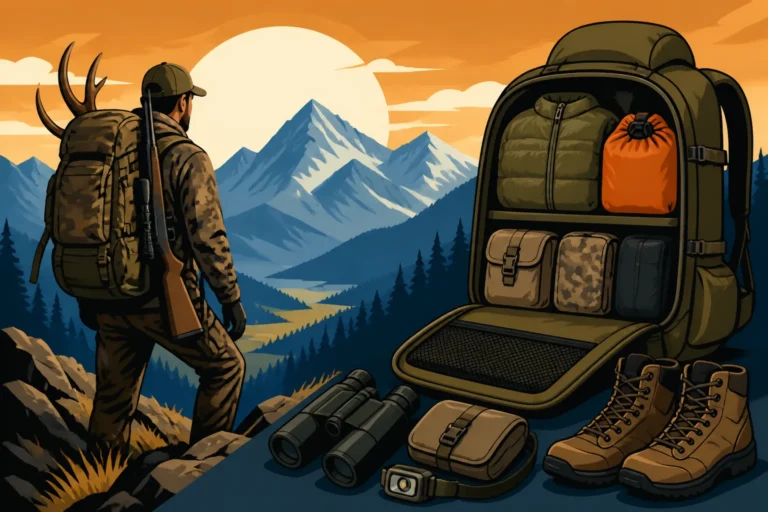
There’s nothing worse than being miles deep in the Montana backcountry, chasing a bugling bull, only to realize your boots are letting you down. Whether it's a blister the size of a quarter, soaking wet feet from a creek crossing, or a lack of ankle support on a treacherous slope, subpar footwear can quickly derail an otherwise epic elk hunt. This comprehensive guide will walk you through everything you need to know to choose the best boots for Montana elk hunting, ensuring your feet stay comfortable and supported through all the rugged demands of Big Sky Country.
Why Your Boots Are Your Most Critical Gear for Montana Elk Hunting
When you're packing heavy through unforgiving terrain, often covering dozens of miles over a week or more, your boots aren't just an accessory—they're the foundation of your entire hunt. Hunters often obsess over rifles, optics, and backpacks, but overlook the one piece of gear that directly impacts their ability to get to the game and back out safely. In Montana, where the weather can change in an instant from warm sun to a blizzard, and the terrain ranges from sagebrush flats to vertical rock faces, your boots are truly tested.
The Relentless Terrain and Weather Challenges
Montana's elk country is a mosaic of diverse and often brutal landscapes. You might start your day in a dewy meadow, transition to a steep, rocky ridge covered in loose scree, navigate through thick, downed timber, and then cross a freezing mountain stream, all before lunch. Add to this the unpredictable mountain weather – a frosty morning turning into a warm afternoon, only to be followed by a sudden rain or snow squall. Your boots need to be ready for anything, providing grip on wet rock, insulation in freezing temperatures, and breathability when you're huffing it uphill.
It's a common story: a hunter arrives in Montana with boots that felt great back home on flat ground or during casual hikes, only to find them completely inadequate for the sustained abuse of a week-long elk hunt. Blisters are often just the first sign of trouble, followed by aching arches, bruised toes, and, worst of all, wet and cold feet that can lead to more serious issues like frostbite in late-season hunts. Investing in the right footwear isn't just about comfort; it's about safety, endurance, and ultimately, your success in the field.
Impact on Endurance and Success
Imagine being on day three of a physically demanding backcountry hunt, your legs are tired, your pack feels heavier with every step, and now your feet are screaming. Every step becomes a chore, your pace slows, and your focus shifts from finding elk to managing the pain in your feet. This isn't just uncomfortable; it directly impacts your ability to cover ground, maintain stealth, and stay mentally sharp when an opportunity arises. The best boots empower you to keep going, to push deeper, and to stay out longer.
Properly fitting and supportive boots can literally add miles to your day and days to your hunt. They reduce fatigue, prevent injuries, and allow you to concentrate on the hunt itself. Think about those long, arduous descents with a heavy pack after a successful harvest. If your boots aren't up to the task, every single step can feel like a torment. Boots that support your ankles, cushion your stride, and provide superior traction will be your best friend when you're packing out that hard-earned elk meat from deep within the mountains, a scenario you can prepare for by reviewing a Montana Backcountry Hunting Gear List.
Key Features of the Best Elk Hunting Boots
Choosing the right boots for Montana elk hunting involves a careful consideration of several critical features. You're not just buying a pair of shoes; you're investing in a piece of specialized equipment designed to protect your feet and enhance your performance in some of the wildest places on earth.
Waterproofing and Breathability: The Dynamic Duo
Montana's diverse landscape means you're almost guaranteed to encounter water, whether it's an icy stream, a dew-soaked meadow, or a sudden downpour. Effective waterproofing is non-negotiable. Most high-quality hunting boots use Gore-Tex or similar proprietary waterproof membranes. These membranes have microscopic pores that are too small for water droplets to pass through from the outside, but large enough for water vapor (sweat) to escape from the inside.
However, waterproofing alone isn't enough; breathability is equally important. When you're climbing steep ascents, your feet will sweat. If that sweat can't escape, it condenses inside your boot, making your feet just as wet as if you'd walked through a creek. Wet feet, whether from external water or internal sweat, lead to blisters, cold feet, and discomfort. Look for boots that strike a balance, offering robust waterproof protection while still allowing your feet to breathe, keeping them dry and comfortable throughout the day. This balance is especially crucial if you plan to How to Hunt Montana Elk in Early Archery Season where temperatures can vary wildly from dawn to dusk.
Ankle Support and Stability for Rugged Terrain
The uneven, steep, and often treacherous terrain of Montana's elk country demands exceptional ankle support. Without it, you risk rolls, sprains, and twists that can end your hunt instantly. High-cut boots are generally preferred as they extend above the ankle, providing crucial lateral stability. Look for boots with a stiff shank and a well-structured upper that cradles your ankle without restricting movement.
This support is not just for preventing acute injuries; it also reduces fatigue over long distances. When your ankles are properly supported, your muscles don't have to work as hard to stabilize your foot with every step, especially when carrying a heavy pack. A solid, stable platform underfoot also enhances your balance and confidence, allowing you to move more deliberately and quietly through difficult areas, which is essential when executing Montana Elk Hunting: Backcountry Tactics. Brands like Kenetrek and Schnee's are renowned for their mountaineering-grade support, which translates directly to superior performance in elk hunting scenarios.
Insulation Levels for Varied Seasons
The amount of insulation your boots need will depend heavily on when and where you plan to hunt in Montana. Early archery season can see warm daytime temperatures, while late-season rifle hunts might involve deep snow and sub-zero conditions.
- Uninsulated or Lightly Insulated (0-200g): Ideal for early archery seasons or warmer rifle hunts where active hiking is the primary mode. These boots prioritize breathability and lighter weight, preventing your feet from overheating.
- Mid-Insulation (400-800g): A versatile choice for general rifle season or cooler archery hunts. This level provides warmth during periods of inactivity but won't be overly hot during strenuous hikes. Many hunters find this a good compromise for diverse Montana conditions.
- Heavy Insulation (1000g+): Reserved for late-season hunts, extreme cold, or periods of prolonged stationary waiting, especially if you plan to How to Hunt Montana Elk in Snow. These boots are warmer but can be heavier and less breathable, making them less suitable for high-mileage, early-season hunts.
Consider the temperature range of your specific hunt. If you plan on doing a lot of hiking in the high country, even in colder weather, too much insulation can lead to sweaty feet, which paradoxically can make your feet colder when you stop.
Outsole Traction and Durability
The outsole is where the rubber meets the trail, and in Montana, that trail can be anything from slick mud to loose rock, pine needles, and snow. Superior traction is paramount for safety and efficiency. Look for outsoles with aggressive lug patterns that are self-cleaning (meaning mud and debris won't easily cake up) and made from a sticky, durable rubber compound. Vibram outsoles are a popular and trusted choice, known for their grip and longevity.
Durability isn't just about the outsole; it extends to the entire boot construction. The upper material (leather, synthetic, or a blend), stitching, and rand (a protective rubber band around the boot) all contribute to how well the boot stands up to abuse. In Montana, where sharp rocks, abrasive scree, and tough brush are constant companions, a well-built boot can last for many seasons, while a lesser quality one might fall apart mid-hunt. Think about the investment in terms of miles and seasons, not just the initial price tag.
Types of Terrain and Their Boot Demands
Montana hunting encompasses a vast spectrum of environments, each presenting unique challenges to your footwear. Understanding these demands helps you match your boots to your specific hunting style and intended area.
High-Country and Steep Mountain Hunting
When you're chasing elk in the high country, often above 7,000 feet, you'll encounter some of the most unforgiving terrain imaginable. This typically involves steep inclines and declines, rocky slopes, loose scree fields, and potentially snowfields even in early fall. For this type of hunting, you need boots that offer:
- Exceptional Ankle Support: To prevent rolls and sprains on uneven ground.
- Stiff Midsole: Provides protection from sharp rocks and enhances stability, especially when side-hilling or carrying a heavy pack.
- Aggressive Outsole: Deep, multi-directional lugs are crucial for gripping loose rock, dirt, and snow.
- Durable Construction: A full rand and sturdy upper materials are essential to withstand abrasion from rocks and debris.
Boots designed for mountaineering or heavy backpacking often translate well to this environment. They tend to be heavier and stiffer, which is a trade-off for the increased protection and stability they offer. Many serious elk hunters who spend their time in the mountains, especially those who How to Prepare for High-Country Montana Hunting, swear by this type of rugged footwear.
Timber and Rolling Foothills
Hunting the timbered slopes and rolling foothills means navigating through dense forest, downed logs, wet leaves, and soft ground. While perhaps not as extreme as the high country, it still demands specific boot features:
- Flexibility and Comfort: Boots that are too stiff can be cumbersome in thick timber, reducing your stealth and tiring your feet. A boot with a bit more flex in the forefoot can be beneficial.
- Quiet Footwear: Softer outsoles or those with less aggressive, widely spaced lugs can sometimes be quieter when moving through dry leaves and pine needles. The goal is to How to Move Quietly Through Montana Timber to get close to elusive elk.
- Waterproof Protection: Crucial here due to dew, rain, and potential creek crossings.
- Good Traction in Mud and Wet Conditions: Lugs that shed mud easily are a plus.
For this terrain, a slightly lighter, more flexible boot with excellent waterproofing and grip can be a fantastic choice. The focus shifts a bit from rigid support to agile, quiet movement, while still maintaining essential protection.
Eastern Montana Plains and Sagebrush
While often associated with antelope and mule deer, some elk herds roam the vast plains and breaks of Eastern Montana. This terrain is vastly different, characterized by rolling hills, prairie grass, sagebrush, and potentially thorny thickets.
- Lighter Weight and Breathability: Since elevation changes are less extreme, lighter boots that prioritize comfort and breathability over extreme stiffness are often preferred.
- Abrasion Resistance: Thick sagebrush and other prairie plants can be surprisingly tough on boot uppers.
- Moderate Ankle Support: Still important for uneven ground, but extreme mountaineering support might be overkill.
- Snake Protection: In some areas, especially warmer early seasons, a taller snake-proof boot might be a consideration, though less common for dedicated elk hunting.
For this environment, a sturdy hiking boot or a lightweight hunting boot with good ankle support and durable uppers is typically sufficient. The emphasis here is on covering long distances comfortably over less technical terrain. When planning a hunt on the plains, using tools like GoHunt can help you assess the specific terrain and vegetation of your chosen hunting district.
Top Considerations When Choosing Your Boots
Beyond features and terrain, there are several practical considerations that will help you narrow down your choices and ensure you end up with the perfect pair of boots for your Montana elk adventure.
Fit and Sizing: Your Feet's Best Friend
This is, without a doubt, the most critical factor. Even the most expensive, feature-rich boot is worthless if it doesn't fit properly. Ill-fitting boots are the number one cause of blisters, bruised toes, and general misery in the field.
- Try Them On Late in the Day: Your feet swell throughout the day, so trying on boots in the afternoon or evening simulates field conditions.
- Wear Your Hunting Socks: Always try on boots with the specific socks you plan to wear while hunting. Different sock thicknesses can drastically alter fit.
- Walk, Walk, Walk: Don't just stand in them. Walk around the store, find an incline if possible. Pay attention to any pressure points, heel lift, or toe jamming. Your heel should feel secure with minimal lift, and your toes should not touch the front of the boot, even on a downhill slope.
- Consider Custom Insoles: Many hunters benefit from aftermarket insoles like Superfeet or Dr. Scholl's Custom Fit Orthotics, which can provide better arch support and cushioning than factory insoles. This can be particularly beneficial if you have specific foot issues or plan on carrying a heavy load for miles. When you're trying to cover ground effectively to How to Find Elk in Montana Dark Timber, comfortable feet are paramount.
Break-In Period and Preparation
Hunting boots, especially high-quality leather ones, are not meant to be worn straight out of the box on a multi-day elk hunt. They require a significant break-in period to mold to your feet and soften up.
- Start Early: Begin breaking in your new boots months before your hunt.
- Short Hikes First: Wear them for short walks around the neighborhood, then progress to longer hikes on varied terrain.
- Mimic Hunting Conditions: If possible, wear them on hikes with a weighted pack. This simulates the pressure and movement your feet will experience during a hunt.
- Condition Leather: For full-grain leather boots, regularly apply a quality leather conditioner or waterproofing wax. This keeps the leather supple, prevents drying and cracking, and maintains its waterproof properties.
Neglecting the break-in process is a surefire way to encounter painful blisters and discomfort, turning your dream hunt into a foot-focused nightmare. It's just as important as your physical conditioning for the hunt itself, which is detailed in How to Physically Prepare for a Montana Elk Hunt.
Matching Boots to Hunting Socks and Gaiters
Your boots are only as good as the system around them. The right socks and gaiters complete the protective package for your feet and lower legs.
- Socks: Invest in high-quality wool or synthetic blend socks. Avoid cotton, which retains moisture and causes blisters. Look for socks that provide cushioning in key areas, wick moisture effectively, and fit snugly without bunching. Carrying multiple pairs and changing them daily is a simple yet effective way to prevent foot issues.
- Gaiters: These are essential for keeping debris, snow, and moisture out of the top of your boots. They cinch around your lower leg and attach to your boot laces, creating a seamless barrier. For snowy or brushy conditions, a good pair of gaiters can significantly extend your comfort and boot lifespan. They're a small investment for a big payoff, especially if you're venturing into areas covered in thick brush or need to traverse muddy sections while packing out an elk.
Budget and Brand Reputation
Hunting boots represent a significant investment, but it's one area where skimping can have severe consequences. While there's no need to buy the absolute most expensive pair, be prepared to invest in quality.
- Price Range: Expect to pay anywhere from $200-$500+ for a high-quality pair of elk hunting boots. Boots at the lower end might suffice for lighter duty, but for serious backcountry hunting in Montana, the higher end often offers superior durability, support, and waterproofing.
- Reputable Brands: Brands like Kenetrek, Schnee's, Crispi, Lowa, and Meindl consistently receive high praise from serious elk hunters. They specialize in rugged, performance-oriented outdoor footwear. Researching these brands and reading reviews specific to elk hunting can provide valuable insights. Websites like GoHunt often feature gear reviews and recommendations from experienced hunters, which can be an excellent resource when making your decision.
- Warranty and Customer Service: A reputable brand will stand behind its products. Check the warranty policy and read reviews about their customer service. A company that offers good support can be invaluable if you encounter an issue with your boots down the line.
Ultimately, the best boots for you will be a personal choice based on your specific hunting style, the terrain you frequent, and how they feel on your feet. Don't rush the decision; your feet will thank you for it in the long run.
Comparative Table of Boot Features
To help summarize some of the key features we've discussed, here's a table comparing different boot types and their suitability for various Montana elk hunting scenarios.
| Feature / Boot Type | Light Hiking/Early Season | All-Around Mid-Season | Heavy Duty/Late Season |
|---|---|---|---|
| Insulation | 0-200g (Uninsulated/Light) | 400-800g (Moderate) | 1000g+ (Heavy) |
| Weight | Lighter | Moderate | Heavier |
| Flexibility | More flexible | Moderate flex | Stiffer |
| Ankle Support | Moderate (Mid-cut) | High (High-cut) | Very High (High-cut) |
| Outsole Traction | Good all-purpose lugs | Aggressive, multi-dir. | Very aggressive, deep lugs |
| Waterproofing | Essential (Gore-Tex/event) | Essential | Essential |
| Durability | Good | Excellent | Exceptional |
| Best For | Early archery, easier terrain, warm temps, Montana DIY Elk Hunting Guide | General rifle season, mixed terrain, varied temps, most popular choice | Late season, deep snow, extreme cold, steep technical terrain |
| Typical Brands | Salomon, Merrell, Lowa Trekker | Crispi, Lowa, Schnee's, Kenetrek, Zamberlan | Kenetrek, Schnee's, Meindl, specialized winter boots |
Taking Care of Your Investment
Once you've made the commitment and purchased the best boots for your Montana elk hunt, proper care and maintenance are crucial to ensure their longevity and continued performance. Think of it as protecting your feet's future.
Cleaning and Drying After Each Hunt
This might seem obvious, but it's often overlooked. Mud, dirt, and moisture from the field can degrade boot materials over time if left unaddressed.
- Remove Debris: After each outing, knock off any loose dirt and mud. Use a stiff brush or an old toothbrush to clean the lugs of the outsole and remove debris from the seams and crevices of the upper.
- Gentle Wash: For more stubborn dirt, use warm water and a mild soap (avoid harsh detergents) to gently scrub the exterior. Rinse thoroughly.
- Proper Drying: The most critical step. Never dry your boots near direct heat sources like a campfire, radiator, or wood stove. High heat can damage waterproofing membranes, delaminate glues, and crack leather. Instead, remove the insoles, open the boots wide, and allow them to air dry slowly in a well-ventilated area. Using a boot dryer with gentle air circulation is ideal. Stuffing them with newspaper can also help absorb moisture, but change the paper frequently.
Proper drying not only prevents material degradation but also inhibits the growth of bacteria and fungi that can cause odors and affect foot health.
Conditioning and Re-Waterproofing
Over time, the DWR (Durable Water Repellent) coating on the exterior of your boots can wear off, and leather can dry out. Regular conditioning and re-waterproofing are essential.
- Leather Boots: Use a quality leather conditioner or wax specifically designed for outdoor footwear. This nourishes the leather, keeps it supple, and helps prevent cracking. Apply according to the product instructions, usually after cleaning and drying. Products like Obenauf's LP or Nikwax waterproofing wax are popular choices.
- Synthetic/Fabric Boots: For synthetic or mixed-material boots, a spray-on DWR treatment (like Nikwax TX.Direct Spray-On) can restore the outer water repellency. This helps water bead up and run off, preventing the fabric from "wetting out" and improving breathability.
- Check Seams: Pay extra attention to seams, which are often the first points of failure for waterproofing. Applying a seam sealer can add an extra layer of protection.
Performing these steps regularly, perhaps before and after your main hunting season, will ensure your boots remain a reliable partner in the field for years to come. A little proactive maintenance goes a long way in preventing an emergency gear failure when you're miles from the truck. Before you head out, tools like GoHunt can help you scout your district, and maintaining your gear ensures you're ready for anything it throws at you.
Disclaimer
The information provided in this guide is for general informational purposes only and does not constitute professional advice. Hunting conditions in Montana can be extreme and unpredictable. Always prioritize safety, consult official Montana Fish, Wildlife & Parks regulations, and consider seeking personalized advice from experienced outfitters or gear specialists before making any equipment decisions.