How to Pack for a Montana Backcountry Hunt
The thought of staring at a pile of gear on your living room floor, wondering how in the world it's all going to fit into one pack – or worse, wondering if you've forgotten something absolutely critical – is a common pre-hunt anxiety for anyone venturing into the Montana backcountry. This guide is here to cut through that overwhelm, providing a practical, no-nonsense roadmap to packing efficiently and effectively for the rugged, unpredictable beauty of Big Sky Country's wilderness.
Understanding the Backcountry Reality: Why Packing Smart Matters
Hitting the Montana backcountry for a hunt is an experience unlike any other, offering solitude, challenge, and immense reward. But it's also incredibly demanding, and your packing strategy can literally make or break your hunt, or even your safety. This isn't just about fitting everything in; it's about making deliberate choices that directly impact your performance and well-being miles from the nearest road.
The Montana Wilderness: A Harsh Teacher
Montana's backcountry is famously beautiful, but it's also notoriously unforgiving. Weather can shift dramatically in a matter of hours, from warm sunshine to freezing rain or snow, even in the "shoulder seasons." Elevations can range from moderate forest to high alpine basins, each presenting its own challenges with oxygen levels, terrain, and temperature swings. Carrying too much unnecessary weight will exhaust you, making every step a monumental effort and increasing your risk of injury. Conversely, forgetting a crucial piece of gear, like an adequate shelter or proper rain gear, can lead to dangerous situations, from hypothermia to being stuck in an exposed area with no recourse. The mountains don't care about your aspirations; they demand respect and preparation.
Weight Management: Your Back's Best Friend
Every ounce in your pack translates to pounds over a long hunt, especially when you're gaining thousands of feet in elevation or traversing steep, broken terrain. The goal isn't necessarily to go ultra-light at the expense of safety or effectiveness, but rather to be smart light. This means scrutinizing every item, asking yourself if it serves multiple purposes, or if there's a lighter, equally reliable alternative. For instance, a quality sleep system might weigh a bit more, but it guarantees proper rest, which is absolutely vital for making good decisions and maintaining endurance. Thinking critically about your gear's weight-to-utility ratio is paramount. It’s a constant battle between comfort, safety, and pack weight, and finding that balance is an art learned over many miles. I still remember one early season hunt where I packed too many "just in case" items, and by day three, my shoulders were screaming, and my morale was dipping lower than the thermals in the morning. That experience taught me invaluable lessons about brutal honesty in packing.
Safety First: Preparedness Over Comfort
While comfort is nice, preparedness is non-negotiable. In the backcountry, you are your own first responder. A twisted ankle, an unexpected overnight stay due to weather, or a minor cut can quickly escalate if you don't have the right tools to manage it. This isn't about being paranoid; it's about being realistic about the risks involved. Your first aid kit, emergency communication device, and knowledge of how to use them are more important than that extra change of clothes. You'll thank yourself when you're huddled under a tarp in a sudden downpour, knowing you have a way to start a fire and dry out. Prioritizing safety gear means understanding the conditions of your specific hunting district and packing accordingly. For example, if you're venturing into areas known for grizzly bears, your bear spray and knowledge of how to use it become just as important as your rifle. This emphasis on readiness is a core tenet of any successful Montana Backcountry Hunting Guide.
The Core Packing List: What Goes in the Pack
Building your pack for a Montana backcountry hunt is an exercise in intentionality. You're trying to create a self-sustaining system that can see you through several days, often in varied conditions, without being overly burdened. Every item must earn its place.
Shelter and Sleep System Essentials
Your ability to get warm, dry, and restorative sleep is crucial for performing day after day in the mountains. This is one area where cutting too many corners on weight can severely compromise your hunt.
- Tent/Shelter: A lightweight, durable, and weather-resistant tent or tarp is your primary line of defense against the elements. Look for models designed for three- or four-season use if you anticipate colder temperatures or snow. Two-person tents are popular for solo hunters as they offer extra space for gear without a massive weight penalty. Brands like Big Agnes and Nemo offer excellent lightweight options that stand up to Montana's winds and rains.
- Sleeping Bag: Your sleeping bag needs to be rated for the lowest temperatures you might reasonably expect, plus a buffer. Down bags offer the best warmth-to-weight ratio, but they require careful protection from moisture. Synthetic bags are heavier and bulkier but retain insulating properties better when wet. Consider a bag rated 10-20 degrees lower than your expected overnight lows.
- Sleeping Pad: Don't underestimate the importance of a good sleeping pad. It not only provides cushioning but, more critically, insulates you from the cold ground. Look for pads with a high R-value (insulation rating). Inflatable pads offer superior comfort and warmth compared to closed-cell foam pads, though foam pads are virtually indestructible.
Cooking and Hydration Gear
Staying fed and hydrated is foundational to maintaining energy levels and mental acuity in the strenuous environment of a backcountry hunt.
- Water Filter/Purifier: Access to clean drinking water is paramount. A reliable water filter like a Sawyer Squeeze or Katadyn BeFree is essential for replenishing your supply from natural sources. Always carry a backup method, such as purification tablets, in case your primary filter fails or freezes.
- Water Bottles/Bladders: Carry at least two liters of water capacity, either in durable bottles like Nalgene or a hydration bladder system. Some hunters prefer the bladder for convenience while hiking and bottles for camp use.
- Stove and Fuel: A lightweight backpacking stove (like a Jetboil or MSR PocketRocket) is necessary for cooking dehydrated meals and boiling water for drinks. Pack enough fuel for your trip duration, plus a little extra for emergencies. Consider how many hot meals and drinks you plan to have daily.
- Food: Prioritize high-calorie, lightweight, and non-perishable foods. Dehydrated meals are popular for dinner, while bars, nuts, jerky, and instant oatmeal work well for breakfast and lunch. Plan out your meals meticulously, ensuring you have enough caloric intake to sustain energy levels for rigorous activity.
Hunting and Navigation Tools
These are the items that directly enable your hunt and guide your way safely through the vastness of the Montana landscape. For a comprehensive list of what to pack, check out our Montana Backcountry Hunting Gear List.
- Weapon: Your rifle, bow, or muzzleloader, along with appropriate ammunition. Ensure it's sighted in and you're proficient with it.
- Optics: High-quality binoculars and a spotting scope (if hunting open country or glassing long distances) are crucial for locating game. A rangefinder is also indispensable for accurate shots. When learning How to Glass Montana's Big Country, good optics are your most valuable asset.
- Navigation: A reliable GPS device (like a Garmin inReach, which also offers satellite communication) or a smartphone with a mapping app (such as GoHunt's mapping features) is a must. Always carry a physical map of your hunting district and a compass as a backup, and know how to use them. Cell service is unreliable, often non-existent, in much of the Montana backcountry. GoHunt's app allows for offline map downloads, making it an invaluable tool for e-scouting and on-the-ground navigation when you're deep in areas without service.
- Headlamp/Flashlight: With extra batteries. You'll use this for navigating in the dark, setting up or breaking down camp, and field dressing game.
Clothing for Layering and Protection
Montana weather is infamous for its rapid changes. A layering system is the only way to effectively adapt to fluctuating temperatures and activity levels. This usually includes a base layer, mid-layers, and an outer shell.
- Base Layers: Worn next to the skin, these wick moisture away. Merino wool or synthetic options are best. Avoid cotton entirely.
- Mid-Layers: Provide insulation. Fleece jackets, puffy vests, or lightweight down jackets fit this role. You'll add or remove these based on temperature.
- Outer Shell: Your waterproof and windproof jacket and pants are non-negotiable. They protect you from rain, snow, and biting winds. Look for breathable options that prevent you from overheating while active. Brands like Sitka Gear or KUIU offer excellent technical hunting apparel designed for these conditions.
- Socks: Pack multiple pairs of merino wool socks. Wet feet are miserable and can lead to blisters and frostbite. Change them regularly.
- Hat and Gloves: A warm beanie and a pair of gloves are critical for heat retention, especially during cold mornings or evenings.
- Boots: Invest in high-quality, broken-in, waterproof hiking boots with good ankle support. This is arguably your most important piece of gear. You'll be covering miles over uneven terrain, and your feet will bear the brunt of it. Learn about the Best Boots for Montana Elk Hunting before you buy.
First Aid and Emergency Supplies
Even the most careful hunter can encounter unexpected situations. Your emergency kit should be tailored to the duration and remoteness of your hunt. For more critical information, review Montana Backcountry Hunting Safety Tips.
- First Aid Kit: A well-stocked kit with bandages, antiseptic wipes, pain relievers, blister treatment, gauze, medical tape, and any personal medications.
- Emergency Bivy/Blanket: A lightweight emergency shelter or space blanket can be a lifesaver if you're unexpectedly stranded or need to treat hypothermia.
- Fire Starter: Waterproof matches, a lighter, and fire starter material.
- Bear Spray: Absolutely essential when hunting in grizzly country. Carry it easily accessible on your hip or chest, not buried in your pack.
- Repair Kit: Duct tape, cordage, and a multi-tool can fix many minor gear failures in the field.
Strategic Packing Techniques: Making Every Inch Count
Once you've decided what to bring, how you pack it is almost as important. Efficient packing makes your gear accessible, protects it from the elements, and distributes weight optimally.
Weight Distribution and Accessibility
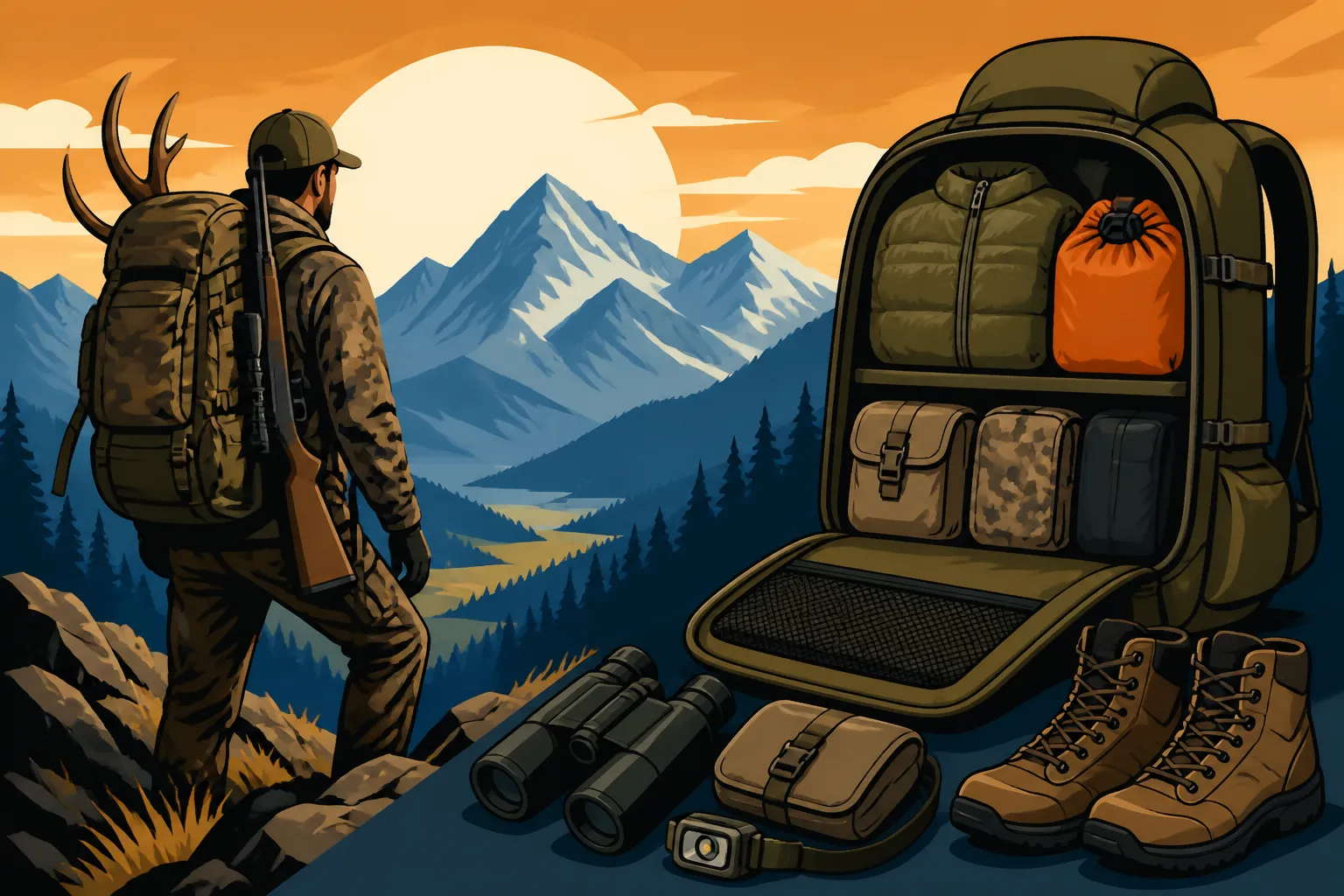
Think of your pack as having different zones for different items. Heaviest items should be close to your back and between your shoulder blades for stability and to prevent the pack from pulling you backward. Medium-weight items go around the heavy core, and lighter, bulkier items fill the bottom and top.
- Bottom of Pack: Sleeping bag, camp clothes, and other items you won't need until camp.
- Core (Mid-back): Food, water reservoir (if applicable), and heavy cooking fuel. This keeps the weight centered.
- Top of Pack: Rain gear, snacks, first aid kit, extra layers, and other items you'll need to access quickly throughout the day.
- Exterior Pockets/Lid: Bear spray, GPS, map, water bottles, and other frequently used small items. This allows you to grab them without opening your main compartment.
A poorly packed backpack can lead to discomfort, instability, and wasted energy. Take the time to practice packing your Best Backpack for a Montana Elk Hunt before your trip.
Weatherproofing Your Gear
The mountains laugh at forecasts. A sunny morning can turn into a torrential downpour or a whiteout blizzard by afternoon. Protecting your gear from moisture is critical.
- Pack Cover: While helpful for light rain, don't rely solely on a pack cover for heavy precipitation. Water can still seep in.
- Dry Bags/Pack Liners: This is your best defense. Line your entire pack with a heavy-duty trash compactor bag or a dedicated pack liner. Then, use smaller dry bags for crucial items like your sleeping bag, extra clothes, and electronics. This compartmentalization ensures that even if your pack gets soaked, your essentials remain dry.
- Waterproof Sacks for Clothes: Keep all your extra clothing in waterproof stuff sacks to prevent moisture absorption.
- Protecting Electronics: GPS units, phones, and power banks should be in waterproof cases or dry bags.
Pre-Trip Shake Downs and Adjustments
Before you even step foot on a Montana trail, you need to simulate your hunt. This "shake-down" period is invaluable for identifying packing flaws and breaking in new gear.
- Practice Hike: Load your pack with everything you intend to bring and go for a strenuous hike, preferably similar in terrain to your hunting area. Pay attention to how the pack feels, where pressure points are, and if anything rubs uncomfortably.
- Trial Camp: Set up your tent, cook a meal with your stove, and sleep in your sleeping bag. This helps you familiarize yourself with your gear and identify anything that's missing, broken, or simply not working efficiently.
- Weigh Everything: Get a kitchen scale and weigh every single item you're bringing. This step, often overlooked, is crucial for truly understanding where your weight is coming from and where you can shave ounces. Use a tool like GoHunt's gear lists to track weights and organize your packing. Their app can help you build custom lists and compare item weights, making the optimization process much easier.
- Adjust and Refine: Based on your trial runs, make adjustments. Did you really need that extra pot? Could you swap out that heavy coffee mug for a lighter one? Is your sleep system warm enough? This iterative process is what turns a good pack list into a great one.
Special Considerations for Montana Backcountry
Hunting in Montana's backcountry comes with unique challenges that require specific preparation beyond a general packing list. Ignoring these can lead to serious consequences.
Bear Safety and Food Storage
Montana is home to both black bears and grizzly bears, especially in the western and central parts of the state. Encountering a bear is a real possibility, making bear safety protocols non-negotiable.
- Bear Spray: As mentioned, carry bear spray in an easily accessible location. Know how to deploy it quickly.
- Food Storage: All food, scented items (like toothpaste), and garbage must be stored in a bear-resistant manner. This typically means using a bear-resistant food canister (like a BearVault or Ursack) or hanging your food properly from a tree, at least 10-12 feet off the ground and 4-6 feet from the trunk. Never store food in your tent.
- Cooking Away from Camp: Cook and eat at least 100 yards downwind from your sleeping area to prevent attracting bears.
- Being Bear Aware: Make noise while hiking, especially in dense timber or brush. Look for signs of bear activity (scat, tracks, diggings). If you're hiking with horses, ensure your horse setup is also bear-safe.
Meat Care and Packing Out
Harvesting an animal deep in the backcountry is the ultimate reward, but it also presents the most physically demanding challenge: getting that meat out while preserving its quality. This is where your pack needs to transform from a personal gear hauler to a meat freighting machine. You'll definitely want to understand How to Quarter an Elk in the Montana Backcountry and How to Pack Out an Elk in Montana well before your trip.
- Game Bags: Bring durable, breathable game bags (synthetic or cotton) to protect the meat from dirt, flies, and debris. You'll need enough for all four quarters, backstraps, and tenderloins.
- Knives and Sharpener: A good sturdy fixed-blade knife and a smaller caping knife, along with a sharpener, are essential for field dressing and quartering.
- Plastic Gloves: Disposable gloves are important for hygiene during field dressing.
- Pack Frame: If your hunting pack doesn't have an integrated frame designed for heavy loads, consider a dedicated external frame pack for packing out meat. These distribute weight more effectively and handle awkward loads better.
- Cooling Strategy: Depending on the temperature, you'll need to strategize how to keep the meat cool. In early season hunts, this might involve hanging meat in the shade, spreading quarters to cool, or even packing some ice in a cooler for the journey home if your spike camp isn't too remote. Our article on How to Keep Elk Meat Cool in Montana's Early Season has great tips.
Communication and Contingency Planning
In remote areas, reliable communication can be a lifeline. Don't rely on cell phones.
- Satellite Communicator: Devices like a Garmin inReach or Zoleo are invaluable. They allow you to send and receive text messages, share your location, and trigger an SOS in an emergency, even without cell service. This is one piece of gear you truly hope you never have to use but are incredibly grateful to have if you do.
- Emergency Plan: Share your detailed hunt plan (route, expected return, emergency contacts) with someone reliable back home. Discuss what steps they should take if they don't hear from you by a certain time.
- Extra Days of Food/Fuel: Always pack an extra day or two of food and fuel beyond your planned trip length. Unexpected weather, a prolonged pack out, or a minor injury can easily extend your stay.
- Cash/Credit Card: For unexpected expenses or emergencies if you have to divert from your plan and seek lodging or services.
By meticulously planning your gear, understanding the specific demands of the Montana backcountry, and practicing your packing and bushcraft skills, you'll be well on your way to a safer, more successful, and truly unforgettable hunting adventure.
Disclaimer
Hunting is an inherently dangerous activity. The information provided in this guide is for informational purposes only and should not be taken as professional advice. Always consult current Montana Fish, Wildlife & Parks regulations, seek expert instruction, and prioritize safety. The author and publisher are not responsible for any incidents, injuries, or accidents that may occur from following the information contained herein.