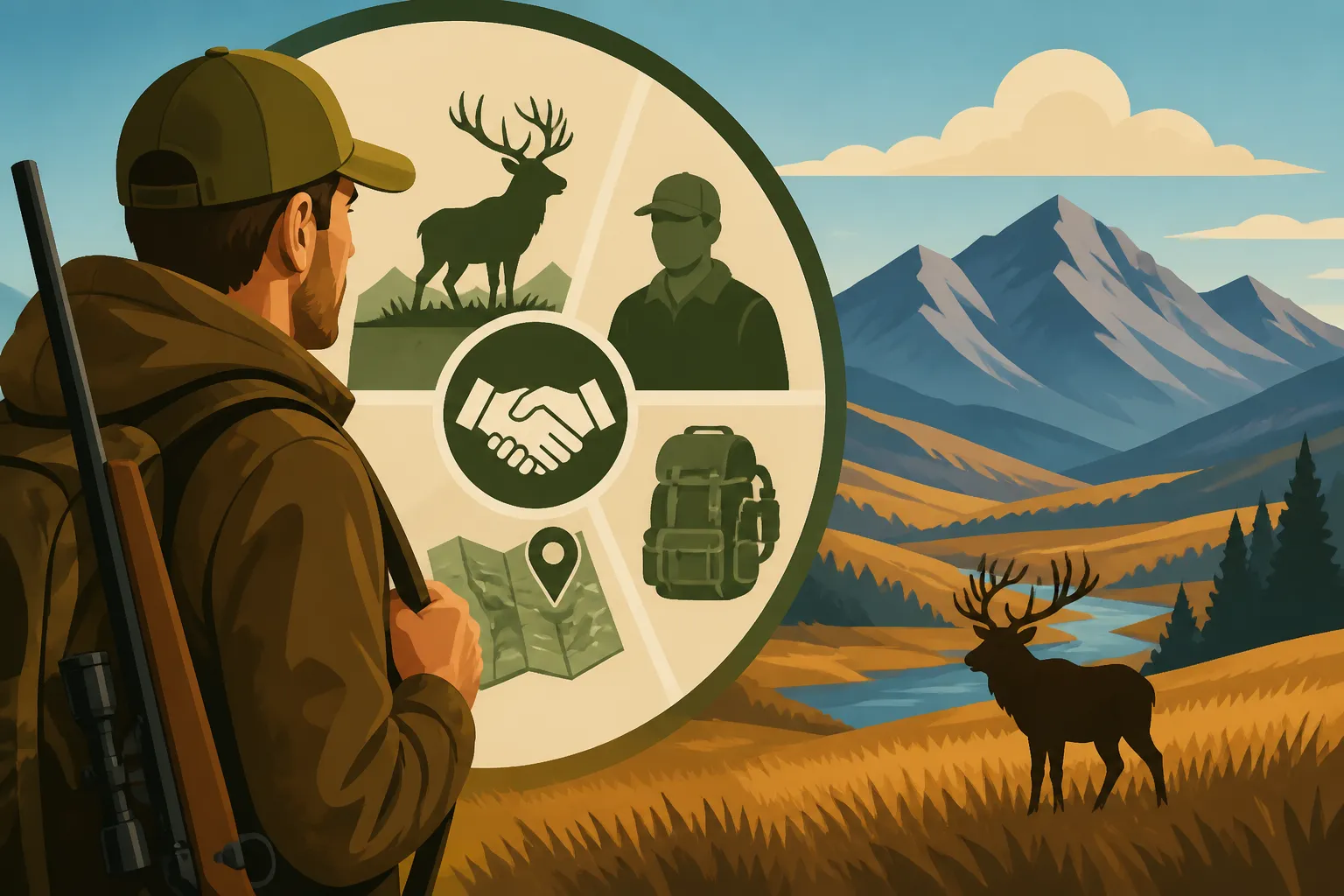
What to Know Before Booking an Outfitter in Lewistown, Montana
Hunting in Montana, especially around a charming, rugged town like Lewistown, is a dream for so many. But the reality of booking an outfitter can feel overwhelming, like trying to navigate a dense timber stand without a map. There are so many choices, so many promises, and you just want to make sure your hard-earned money and precious vacation time are invested wisely. This guide will walk you through everything you need to know to confidently choose and book an outfitter for your next hunting adventure near Lewistown, Montana, helping you sort through the noise to find the right fit for you.
Understanding the Lewistown Hunting Landscape
Before you even start looking at specific outfitters, it’s incredibly helpful to understand the unique characteristics of the hunting grounds surrounding Lewistown. This isn't a one-size-fits-all area; its diverse geography and game populations mean different outfitters specialize in different experiences. Knowing what to expect from the region itself will empower you to ask better questions and choose an outfitter whose expertise aligns with your dreams.
Species and Terrain in Central Montana
Lewistown sits in a truly unique sweet spot in Central Montana, offering a blend of environments that cater to various hunting styles and species. To the west and south, you have the Judith and Little Belt Mountains – rugged, timbered ranges that are prime habitat for elk and mule deer. These areas can involve significant elevation changes, dense cover, and often require a good level of physical fitness and a willingness to get off the beaten path. An outfitter specializing in these mountain hunts might offer horseback trips, spike camps, or focus heavily on glassing techniques for Montana Mule Deer Hunting: Spot-and-Stalk Tactics in big country.
Then, you have the rolling plains and breaks extending north and east, including parts of the famous Missouri Breaks. This open country, dissected by coulees and river bottoms, is classic antelope territory and also holds significant populations of mule deer and whitetail deer. Hunting here often involves a lot of glassing, long-range shooting opportunities, and understanding how game utilizes subtle terrain features. An outfitter here might specialize in Montana Antelope Hunting Guide on the plains or target whitetail in the river bottoms. The stark contrast in terrain means an outfitter geared for high-country elk might not be the best choice if your heart is set on chasing pronghorns across the prairie.
Public vs. Private Land Access
Montana is renowned for its vast expanses of public land, but the areas around Lewistown also feature a significant amount of private agricultural and ranch land. Many hunters dream of a do-it-yourself public land adventure, but others prefer the potentially higher success rates and often less crowded experience that private land can offer. Outfitters in the Lewistown area will typically operate on one or both types of land, and understanding their access strategy is crucial.
Some outfitters have exclusive leases on large private ranches, which can provide a more controlled hunting environment with reduced pressure. These hunts often come with a higher price tag but can offer excellent opportunities for specific trophy animals. Other outfitters specialize in navigating Montana's extensive public lands, including Bureau of Land Management (BLM) acreage, State Trust Lands, and Block Management Areas (BMAs). BMAs, in particular, are parcels of private land voluntarily opened to public hunting, often through specific access agreements with the state. An outfitter who excels at finding game on public land understands the nuances of hunter pressure and how to get away from the crowds, often requiring more rigorous scouting and physical exertion. Make sure to ask prospective outfitters about their typical hunting areas. Do they hunt private land exclusively? Do they operate on national forest, BLM, or primarily through Block Management access? Their answer will tell you a lot about the type of hunt you can expect and the overall cost structure. Getting clarity on whether you'll be on private land or negotiating public access, or a mix of both, is key to managing your expectations and making sure you're aligned with their operational model. You might want to consider how this aligns with a Montana Public Land Hunting Strategy or Montana Private Land Elk Hunting.
Key Considerations When Vetting Lewistown Outfitters
Once you have a better grasp of what hunting near Lewistown entails, you can start the exciting but critical process of vetting potential outfitters. This isn't just about finding someone who says they can get you an animal; it's about finding a reputable, ethical, and professional partner for your hunt. Don't rush this stage; it's where you protect your investment and ensure a positive experience.
Licensing, Insurance, and References
First and foremost, any legitimate outfitter operating in Montana must be licensed by the state. This isn't just a formality; it ensures they meet certain professional standards and carry liability insurance. Don't be shy about asking for their license number and verifying it with the Montana Board of Outfitters. A quick call to the Montana Fish, Wildlife & Parks (FWP) or checking the Montana Board of Outfitters website can confirm their status. It's a fundamental step that protects both you and the outfitter. Reputable platforms like BookYourHunt or GoHunt often pre-vet outfitters for these essential credentials, making your initial search a bit easier.
Beyond licensing, ask about their insurance. While hopefully never needed, comprehensive insurance protects you in case of an accident or unforeseen event during your hunt. Finally, and perhaps most importantly, ask for recent references – not just names, but contact information for clients from the past season or two. A good outfitter will be happy to provide these. When you call these references, ask specific questions: Was the hunt as advertised? How was the food and lodging? What was the guide's demeanor like? Were there any unexpected issues, and how were they handled? A few honest conversations can give you invaluable insight that glossy brochures simply can't.
Hunt Style, Success Rates, and Expectations
Outfitters vary wildly in their hunting styles and what they consider a "successful" hunt. Some are geared towards high-intensity, physically demanding backcountry experiences, while others offer more relaxed ranch hunts. Make sure the outfitter's approach aligns with your own preferences and physical capabilities. If you're looking for a challenging Montana Backcountry Hunting Guide experience with a lot of walking, don't book with an outfitter who primarily uses ATVs and hunts food plots. Similarly, if you're not in peak physical condition, an outfitter specializing in grueling mountain chases for elk might not be the right fit. Consider whether you're looking for a Montana Rifle Elk Hunting Guide or a Montana Archery Elk Hunting Guide, as tactics and locations often differ.
"Success rates" are a tricky subject. While every hunter dreams of harvesting an animal, an ethical outfitter will emphasize the quality of the experience, the effort expended, and the fair chase opportunity, rather than guaranteeing a kill. Montana is wild country, and success is never a given. Ask how they define "success rate" – is it opportunity rate (seeing legal game), harvest rate (killing an animal), or something else? Understanding this nuance is crucial for setting realistic expectations. A true professional won't promise a trophy but will promise to work their hardest to put you in a position for one. They should be able to articulate their general success over the past few seasons, not as a guarantee, but as an indicator of their consistency and knowledge of the area.
Inclusions, Exclusions, and Transparent Pricing
One of the biggest sources of frustration for hunters booking an outfitted trip is discovering hidden costs or unclear expectations about what's included. A reputable Lewistown outfitter will provide a detailed breakdown of what their hunt package covers. Typically, this includes guiding services, meals, lodging during the hunt, field care of your harvested animal (quartering, caping), and transportation during the hunt itself.
However, many things are almost universally excluded: your Montana hunting licenses and tags (Montana Hunting License Costs), travel to and from Lewistown, meat processing (packaging, freezing, shipping), taxidermy, personal gear, and tips for your guide and camp staff. Some outfitters might offer these as add-on services, but they will be extra. Always ask for a written contract that clearly itemizes all inclusions and exclusions, as well as the total cost, deposit structure, and payment schedule. Platforms like BookYourHunt are excellent for this, as they often standardize how packages are listed, making it easier to compare and understand what you're paying for. Don't be afraid to ask about contingencies too, such as what happens if you have to cancel or if the hunt is cut short due to unforeseen circumstances.
Practical Steps to Booking Your Lewistown Hunt
Now that you're armed with knowledge about the region and how to vet outfitters, let's talk about the practical steps to actually getting your hunt booked. This process takes time, patience, and good communication, but following these steps will help ensure a smooth journey from planning to hunting.
Researching and Shortlisting Outfitters
Start your research early, often a year or more in advance, especially for popular seasons or trophy hunts. Online resources are invaluable. Websites like BookYourHunt or GoHunt offer searchable databases of licensed outfitters, often with client reviews, detailed hunt descriptions, and even specific package pricing. You can filter by species, region (like Central Montana or Lewistown), and hunt type. Beyond these platforms, scour hunting forums, social media groups dedicated to Montana hunting, and ask for recommendations from fellow hunters. Word-of-mouth is still one of the most reliable ways to find a great outfitter.
As you research, create a shortlist of 3-5 outfitters that seem to match your criteria: the species you want to hunt (Montana Elk Hunting Guide, Montana Mule Deer Hunting Guide), your preferred hunt style (e.g., Montana Drop Camp Hunts Explained vs. fully guided), and your budget. Pay close attention to their website content, any videos they've shared, and public testimonials. Does their communication style resonate with you? Do they seem genuinely passionate about ethical hunting and client experience?
Communicating Effectively with Potential Guides
Once you have your shortlist, reach out to each outfitter, preferably by phone after an initial email inquiry. A phone call allows for a real conversation, where you can gauge their personality, knowledge, and responsiveness. Prepare a list of questions in advance. Don't just ask about success rates; dive deeper:
- What's their typical guide-to-hunter ratio? (Lower is usually better for personalized attention.)
- What's the average group size?
- What are the physical demands of their hunts? Be honest about your own fitness level. How to Physically Prepare for a Montana Elk Hunt
- What gear do they recommend you bring? Do they provide any specialized equipment?
- How do they handle game retrieval and meat care in the field? How to Quarter an Elk in the Montana Backcountry
- What are their emergency procedures?
- Can they accommodate specific needs, like dietary restrictions or minor mobility issues?
Listen carefully to their answers. Do they sound confident and knowledgeable? Are they patient and willing to answer all your questions, or do they rush you? Trust your gut feeling about their professionalism and whether you feel comfortable spending several days in the field with them.
Deposits, Contracts, and Preparation
After you've had your conversations and selected your preferred outfitter, it's time to secure your hunt. This almost always involves a deposit, which can range from 25% to 50% of the total hunt cost. Make sure you understand their payment schedule and cancellation policy before sending any money. Most outfitters have strict cancellation policies, as they book their limited spots far in advance.
Next, carefully review the hunt contract. This legally binding document should outline everything discussed: hunt dates, species, services included and excluded, total cost, payment terms, and cancellation policy. Don't hesitate to ask for clarification on any clause you don't understand. Once you're satisfied, sign the contract and send in your deposit. At this point, you'll also need to start the process of applying for your Montana hunting licenses and tags, understanding the complex draw system and deadlines. A Montana Combination License Draw Odds article might be helpful here. You may also want to do some How to E-Scout Montana Hunting Units to familiarize yourself with the area your outfitter hunts.
Finally, begin your physical and mental preparation. A Montana hunt can be physically demanding, even if it's not a full-on backcountry expedition. Start a fitness regimen well in advance. Gather your gear, ensuring everything is in good working order. Research the specific weather patterns for the time of year you'll be hunting. The more prepared you are, the more you'll enjoy the experience, regardless of whether you punch your tag.
| Hunt Type | Description | Pros | Cons | Best For |
|---|---|---|---|---|
| Fully Guided | All-inclusive service: guide, meals, lodging, transportation during hunt, field care. Guide is with you 1:1 or 1:2. | Maximized effort & expertise, minimal planning needed, higher success potential. | Most expensive, less "DIY" feel. | First-time hunters, those seeking a higher chance of success, specific trophy goals, limited time. |
| Semi-Guided | Outfitter provides general area knowledge, camp setup (lodging, sometimes meals), and points you in the right direction. You hunt independently. | More affordable than fully guided, offers some independence, support provided. | Requires more personal hunting skill/decision-making, less direct guiding. | Experienced hunters comfortable with self-reliance, budget-conscious. |
| Drop Camp | Outfitter packs you and your gear into a remote camp location, establishes a basic camp, and leaves you to hunt on your own. Returns to pack you out later. | Ultimate independence and backcountry experience, remote access. | No guide support, demanding physical and mental challenge, highest DIY skill needed. | Experienced, fit hunters seeking true wilderness immersion. Montana Backcountry Hunting Guide |
Common Pitfalls to Avoid
Even with the best intentions, hunters can sometimes fall into traps when booking an outfitter. Being aware of these common pitfalls can save you from disappointment, frustration, and a wasted investment. Lewistown, like any hunting hotspot, has its share of less-than-ideal scenarios.
The "Guaranteed Kill" Promise
This is perhaps the biggest red flag in the outfitting world. If an outfitter promises a "guaranteed kill" or boasts a "100% success rate" without clear, ethical caveats (like a high-fence operation, which is distinct from fair chase hunting), run the other way. Montana law and ethical hunting principles revolve around fair chase. Animals are wild, weather is unpredictable, and success is never a certainty. An outfitter who makes such claims is either being dishonest, operating unethically, or failing to properly manage client expectations.
A good outfitter will talk about opportunity rates – the likelihood of seeing legal game and getting a shot opportunity – and their commitment to working hard for you. They understand that the hunt itself, the pursuit, the time in nature, and the camaraderie, are as much a part of the experience as the harvest. Be wary of anyone who sounds too good to be true, especially when it comes to wildlife.
Unclear Communication and Hidden Costs
Lack of clear, written communication is a recipe for disaster. Relying on verbal agreements for crucial details like what's included, payment schedules, or cancellation policies can lead to major misunderstandings. Imagine arriving in Lewistown, ready for your dream elk hunt, only to find out that "meals included" meant freeze-dried dinners and you're expected to pay extra for a hot breakfast, or that the "transportation" didn't cover the long drive to the actual hunting grounds.
Always insist on a comprehensive written contract. If an outfitter is vague about costs, seems reluctant to put details in writing, or avoids answering direct questions, consider it a warning sign. The goal is complete transparency from both sides. Don't be afraid to ask for clarification on anything that's unclear. An honest and professional outfitter will welcome your thoroughness, knowing it sets the stage for a smoother, more enjoyable hunt. Review the details mentioned in How to Book a Montana Hunting Guide for a clearer understanding.
Ignoring Your Own Preferences and Fitness
Sometimes, in the excitement of booking a Montana hunt, hunters forget to honestly assess their own abilities and preferences. You might dream of chasing giant bulls deep in the Bob Marshall Wilderness Hunting Guide, but if you're not physically prepared for days of strenuous hiking at elevation, that dream can quickly turn into a miserable reality. Or, you might be an experienced deer hunter who usually sits in a tree stand, but you book a wide-open plains antelope hunt expecting a similar experience.
Be realistic about your fitness level, hunting experience, and what you truly enjoy. Do you prefer active spot-and-stalk hunting, or do you like to sit and wait? Are you comfortable with primitive camps, or do you need comfortable lodging? Are you targeting a specific trophy, or is the experience and filling the freezer more important? Lewistown-area outfitters offer a spectrum of experiences. Choosing one that doesn't align with your capabilities and desires will almost certainly lead to disappointment, even if the outfitter is excellent at what they do. Have an honest conversation with your chosen outfitter about your physical condition and hunting goals. This ensures they can place you on a hunt that offers the best chance for both success and enjoyment.
Disclaimer
This article is for general informational purposes only and does not constitute professional advice. Laws, prices and regulations vary by location and change over time. Consult a qualified professional for guidance on your specific situation.