Montana Hunting Outfitters Near Ennis
Planning a hunt in the vast, wild expanse of Montana can be overwhelming, especially when you're dreaming of a specific, iconic location like Ennis. You've heard the whispers of massive elk and impressive mule deer in the Madison Valley, but figuring out which outfitter will actually deliver on that dream, navigate the challenging terrain, and handle all the logistics can feel like searching for a needle in a haystack. This guide is here to cut through the noise, offering clear, actionable advice on finding, vetting, and preparing for a memorable guided hunting experience near Ennis, Montana.
Understanding the Landscape of Hunting Outfitters Near Ennis
Ennis, nestled in the heart of the Madison Valley, isn't just a picturesque town; it's a gateway to some of Montana's most storied hunting grounds. But what makes this specific area so special, and how do outfitters leverage its unique characteristics?
Why Ennis, Montana, is a Prime Hunting Hub
The draw of Ennis for hunters is multifaceted. First, its geographic location is unparalleled. It sits conveniently close to several mountain ranges that serve as critical habitats for a variety of big game. You've got the Gravelly Range to the south, the Madison Range to the east, and the Tobacco Root Mountains to the west. These ranges offer a mosaic of landscapes, from dense timber pockets and high alpine basins to open sagebrush hillsides and river bottoms, each presenting different hunting challenges and opportunities. This diversity means an outfitter operating out of Ennis can often access multiple habitat types, catering to different hunting styles and preferences. The area's historical significance for big game, coupled with its rugged beauty, creates a sense of adventure that few other places can match. For many, a hunt out of Ennis is about more than just bagging an animal; it's about experiencing the raw, untamed spirit of Montana.
The Diverse Range of Game Species in the Ennis Area
When you consider hunting near Ennis, you're looking at a true big game smorgasbord. Elk are, without a doubt, a primary draw. The surrounding mountains hold robust herds, offering opportunities for both archery and rifle seasons. It's not uncommon for outfitters in this region to specialize in helping hunters pursue trophy bulls in the high country, or to locate groups of cows and spikes during later seasons. Alongside elk, mule deer thrive in the diverse terrain, from the timbered slopes to the more open foothills. Whitetail deer can also be found, often lurking in the river bottom habitats along the Madison River and its tributaries. Beyond these deer species, the Ennis area can also offer opportunities for black bear, particularly in the spring and fall, and even moose in certain limited-entry districts. The sheer variety often allows for multi-species hunts, where an outfitter might offer a combination elk and deer package, maximizing your time and investment in the field. This biological diversity means a knowledgeable outfitter can guide you to specific habitats that favor your target species, increasing your chances of success.
Types of Guided Hunts Available
Not all guided hunts are created equal, and near Ennis, you'll find a spectrum of options tailored to different budgets, physical abilities, and desired experiences.
- Fully Guided Hunts: This is often the most comprehensive option. You'll typically have one or more guides dedicated to your party (often a 1:1 or 2:1 hunter-to-guide ratio), who handle everything from scouting and tracking to field dressing and packing out your animal. Accommodation, meals, and transportation within the hunting area are usually included. These hunts are ideal if you want a truly immersive experience with minimal personal logistics, or if you're a less experienced hunter looking for maximum support. Outfitters specializing in backcountry hunts or those with extensive private land access around Ennis often offer fully guided experiences.
- Semi-Guided Hunts: These hunts offer a middle ground. An outfitter might provide a camp, some meals, and guidance on where to hunt, but you'll be responsible for much of the actual hunting, stalking, and possibly even some of the field care. They'll assist with game recovery once an animal is down. This option can be more budget-friendly and suits hunters who want a degree of independence but still value local knowledge and logistical support in unfamiliar territory.
- Drop Camps: For the more adventurous and self-sufficient hunter, drop camps are a fantastic option. The outfitter will pack you and your gear into a remote backcountry location, set up a basic camp (or you bring your own), and then leave you to hunt independently. They'll return at a pre-arranged time to pack out your harvest and gear. This option is common for those seeking a true wilderness experience in areas like the Lee Metcalf Wilderness or other roadless areas adjacent to Ennis. It requires significant self-reliance, wilderness navigation skills, and the physical fitness to handle the rigors of a Montana Backcountry Hunting Guide.
Understanding these distinctions is crucial as you begin your search, as each offers a vastly different experience and level of support.
How to Research and Select the Right Outfitter
The success of your Montana hunt largely hinges on choosing the right outfitter. With so many options, especially in popular areas like Ennis, due diligence is paramount.
Essential Questions to Ask Potential Outfitters
Don't be shy about asking direct, probing questions. A reputable outfitter will appreciate your thoroughness. Start with logistics: What are the hunt dates? What's the typical group size? What's the guide-to-hunter ratio? Then, delve into the specifics of the hunt itself. Ask about their hunting area: Do they operate on public land, private land, or both? If private, what kind of acreage? How do they handle Montana Public Land Hunting Strategy if that's your focus? Inquire about their success rates—and specifically, harvest rates versus opportunity rates. A good outfitter might have a high opportunity rate (seeing game), but a lower harvest rate (actually taking an animal), which provides a more realistic picture.
It's also vital to ask about their specific experience in the Ennis area and with your target species. How long have they been operating there? What methods do they typically employ (e.g., Montana Elk Hunting: Spot-and-Stalk Tactics, calling, still-hunting)? Who will be your specific guide, and what is their experience? Don't forget practicalities like accommodations, meals (if included), and what happens if you harvest an animal early—do you continue to hunt other species, or is your trip concluded? Finally, always ask for references from past clients, and follow up with those individuals. Their unfiltered experiences can provide invaluable insights.
Resources for Finding Reputable Outfitters
In today's digital age, hunters have more resources than ever to connect with outfitters. Online platforms like BookYourHunt and GoHunt can be excellent starting points. These sites often list multiple outfitters, complete with details about their services, available dates, and even reviews from previous clients. While convenient, always cross-reference information found here with the outfitter's direct website and independent research. Many state agencies, like Montana Fish, Wildlife & Parks, also maintain lists of licensed outfitters, which can confirm their legitimacy.
Beyond these platforms, don't underestimate the power of word-of-mouth. Talk to other hunters, especially those who have hunted in Montana or specifically near Ennis. Join online hunting forums and social media groups where experienced hunters share their recommendations and warnings. Attending hunting expos and conventions can also be a fantastic way to meet outfitters in person, get a feel for their personality and approach, and ask all those crucial questions face-to-face. Just remember, a charismatic salesperson doesn't always equal a successful hunt, so rely on a combination of personal interaction and diligent background checking.
Understanding Pricing Structures and What's Included
The cost of a guided hunt near Ennis can vary significantly, so it's critical to understand exactly what your money covers. Generally, prices depend on the species, the duration of the hunt, the type of hunt (fully guided, semi-guided, drop camp), and the outfitter's reputation and amenities.
Most packages will include daily guiding services, accommodations (which could range from a remote wall tent camp to a comfortable lodge), and meals. However, beyond the base price, you need to factor in additional expenses. These almost always include your Montana hunting licenses and tags, which can be a significant cost, especially for non-residents. Other potential expenses might be transportation to and from the nearest major airport (like Bozeman Yellowstone International), meat processing fees, taxidermy, shipping costs for meat and trophies, and, of course, tips for your guide and camp staff. Some outfitters might include airport pickups or basic meat initial processing, so be sure to clarify. A detailed contract that outlines every inclusion and exclusion is essential to avoid any surprises down the line. Don't be afraid to ask for a breakdown of costs.
Here's a quick comparison of common hunt types:
| Hunt Type | Guide Support Level | Accommodation & Meals | Key Advantages | Best Suited For |
|---|---|---|---|---|
| Fully Guided | High (1:1 or 2:1 ratio) | All-inclusive (lodge, cabin, wall tent; all meals) | Maximum assistance, local expertise, logistics handled | First-time hunters, less experienced, focus on experience |
| Semi-Guided | Moderate (advice, game recovery) | Often camp & some meals provided | More independence, local knowledge without full hand-holding, often lower cost | Hunters with some experience, budget-conscious |
| Drop Camp | Limited (pack-in/pack-out) | Self-contained (hunter brings/manages most things) | True wilderness experience, high independence, typically lowest cost | Experienced backcountry hunters, self-reliant |
Preparing for Your Guided Hunt Near Ennis
Once you've booked your outfitter, the real work begins: preparing yourself for the challenges and rewards of a Montana hunt. This isn't a stroll in the park; it's an adventure that demands physical and mental readiness.
Physical and Mental Conditioning
Montana hunting, especially for elk or mule deer in the mountains surrounding Ennis, is physically demanding. You'll be navigating steep, uneven terrain, often at elevations where the air is thinner than you're used to. Regardless of whether you're embarking on a Montana Backcountry Hunting Guide or a more front-country hunt, you need to be in shape. A solid fitness plan should start months in advance, focusing on cardiovascular endurance (hiking, running, stair climbing with a pack), strength training (especially core and legs), and flexibility. Simulating hunting conditions, like hiking hills with the weight of your loaded backpack, is incredibly beneficial.
Beyond the physical, mental toughness is crucial. Montana weather can be unpredictable, ranging from warm sunshine to blizzards in a single day. You might face long days without seeing much game, or endure discomfort from cold, wet conditions. Being mentally prepared for these challenges, having a positive attitude, and maintaining realistic expectations are just as important as strong legs. A good outfitter can teach you to manage these challenges, but your own preparedness sets the foundation for an enjoyable and successful hunt.
Gear and Equipment Considerations for Montana
Your gear is your lifeline in Montana's rugged environment. A detailed packing list, coordinated with your outfitter, is essential. Key items will include high-quality layered clothing suitable for varied weather conditions—think moisture-wicking base layers, insulating mid-layers, and waterproof/windproof outer shells. Sturdy, broken-in hunting boots that offer excellent ankle support and traction are non-negotiable, especially for navigating the Madison and Tobacco Root mountains. Optics are another critical component; a good pair of binoculars and a spotting scope will be invaluable for glassing vast landscapes to locate game, a fundamental skill often employed in hunting Montana Mule Deer on Montana Public Land.
Your weapon of choice—bow, rifle, or muzzleloader—needs to be sighted in and practiced with extensively. Don't show up with a rifle you've only shot once a year. Practice shooting from various field positions, not just off a bench, to mimic real-world hunting scenarios. Other essentials include a reliable backpack capable of carrying day-hunt gear and potentially meat, a headlamp, navigation tools (GPS, map, compass), a first-aid kit, and personal hygiene items. Your outfitter should provide a suggested packing list, but always err on the side of being over-prepared, especially for personal items and layers.
Navigating Montana's Licensing and Tag System
The Montana hunting license and tag system, particularly for non-residents, can be notoriously complex. It involves applications, preference points, bonus points, and specific draw deadlines. For elk and deer, non-residents typically apply for a big game combination license, often including an elk tag, deer tag, and fishing license, or specific general tags or limited entry permits. This process usually happens many months in advance of the hunting season, often with deadlines in March or April. Understanding Montana Nonresident License Draw Explained is crucial.
Your chosen outfitter can often provide guidance on the specific hunt codes and applications relevant to the districts they operate in near Ennis. Some outfitters even offer "outfitter-sponsored tags" in certain limited areas, which can bypass the public draw for non-residents, though these come at a premium and are limited. Always confirm the exact license requirements and application deadlines for your specific hunt and species with Montana Fish, Wildlife & Parks directly, as rules can change. Don't wait until the last minute; planning your license and tag acquisition should be one of the very first steps after booking your hunt.
What to Expect During and After Your Hunt
A guided hunt is an immersive experience, and understanding the rhythm of the trip, from daily routines to post-harvest logistics, will help you maximize your enjoyment and ensure a smooth journey.
Daily Operations and Camp Life
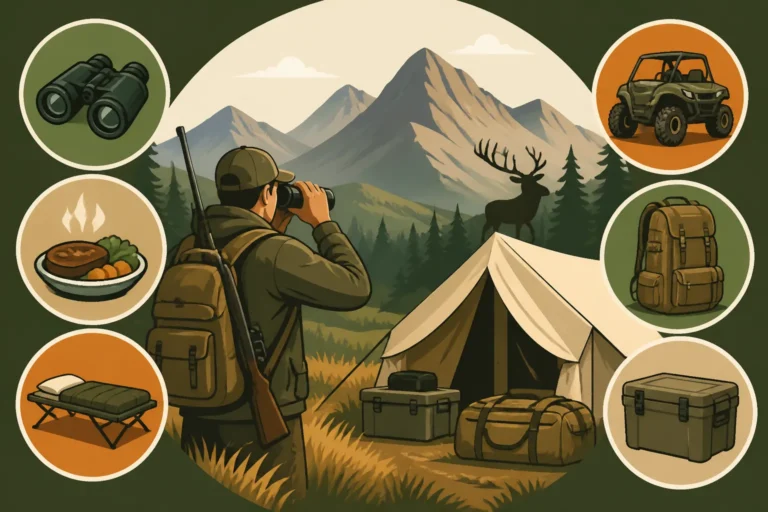
The typical day on a guided hunt out of Ennis starts early, often well before dawn. You'll likely enjoy a hearty breakfast provided by the camp cook, followed by a discussion with your guide about the day's plan. Depending on the hunt, this might involve a truck ride, an ATV or horseback journey, or a hike into prime hunting areas. Your guide will be constantly glassing, looking for fresh sign, and often calling to locate game. You'll move slowly and deliberately, taking advantage of terrain and wind direction. Lunch might be a packed meal in the field, allowing you to stay out all day.
Evenings are usually spent back at camp, sharing stories of the day's adventures, enjoying a warm meal, and preparing for the next day. This communal aspect is a cherished part of the guided hunting experience. Accommodations, as mentioned, can range widely from rustic wall tents with wood stoves to comfortable cabins or lodges. Expect early bedtimes, as the mountains demand early starts. The exact routine will vary greatly depending on the outfitter, the terrain, and the specific hunting method, such as those covered in Montana Archery Elk Hunting Guide or Montana Rifle Elk Hunting Guide.
Field Care and Meat Processing
Harvesting an animal is often just the beginning of the hard work. Proper field care is paramount, especially in Montana's varied temperatures, to ensure the meat doesn't spoil. Your guide will typically take the lead on field dressing and quartering the animal. This is an excellent opportunity to learn, so pay attention and offer to help where appropriate. They'll know the best methods for How to Quarter an Elk in the Montana Backcountry to cool it quickly.
Once the animal is quartered, it needs to be packed out of the field, which can be a strenuous effort, often involving multiple trips with heavy loads. From there, the meat usually goes to a local processor in or near Ennis. Many outfitters have established relationships with local meat processors and can facilitate the drop-off. You'll need to discuss processing options (cuts, packaging) and pickup/shipping arrangements directly with the processor. Ensure you understand these logistics and associated costs before the hunt begins, especially if you're traveling a long distance and need to ship frozen meat home.
Tipping and Post-Hunt Etiquette
Tipping your guide and other camp staff is a customary and expected part of a guided hunt, a way to show appreciation for their hard work, dedication, and expertise. The amount typically depends on the quality of the service, the effort put in, and whether you harvested an animal. A general guideline is to tip your main guide a percentage of the hunt cost, and a smaller amount for any camp cooks, wranglers, or assistants.
Beyond financial gratitude, good post-hunt etiquette includes expressing your thanks verbally, writing a positive review for the outfitter if you had a good experience (which can be incredibly helpful for others using sites like BookYourHunt or GoHunt), and providing constructive feedback privately if there were areas for improvement. Maintain communication with your outfitter regarding meat processing and trophy arrangements. Remember, these guides work incredibly hard to provide a memorable experience, and a little appreciation goes a long way in fostering good relationships and showing respect for their profession.
Disclaimer
This article is for general informational purposes only and does not constitute professional advice. Laws, prices and regulations vary by location and change over time. Consult a qualified professional for guidance on your specific situation.