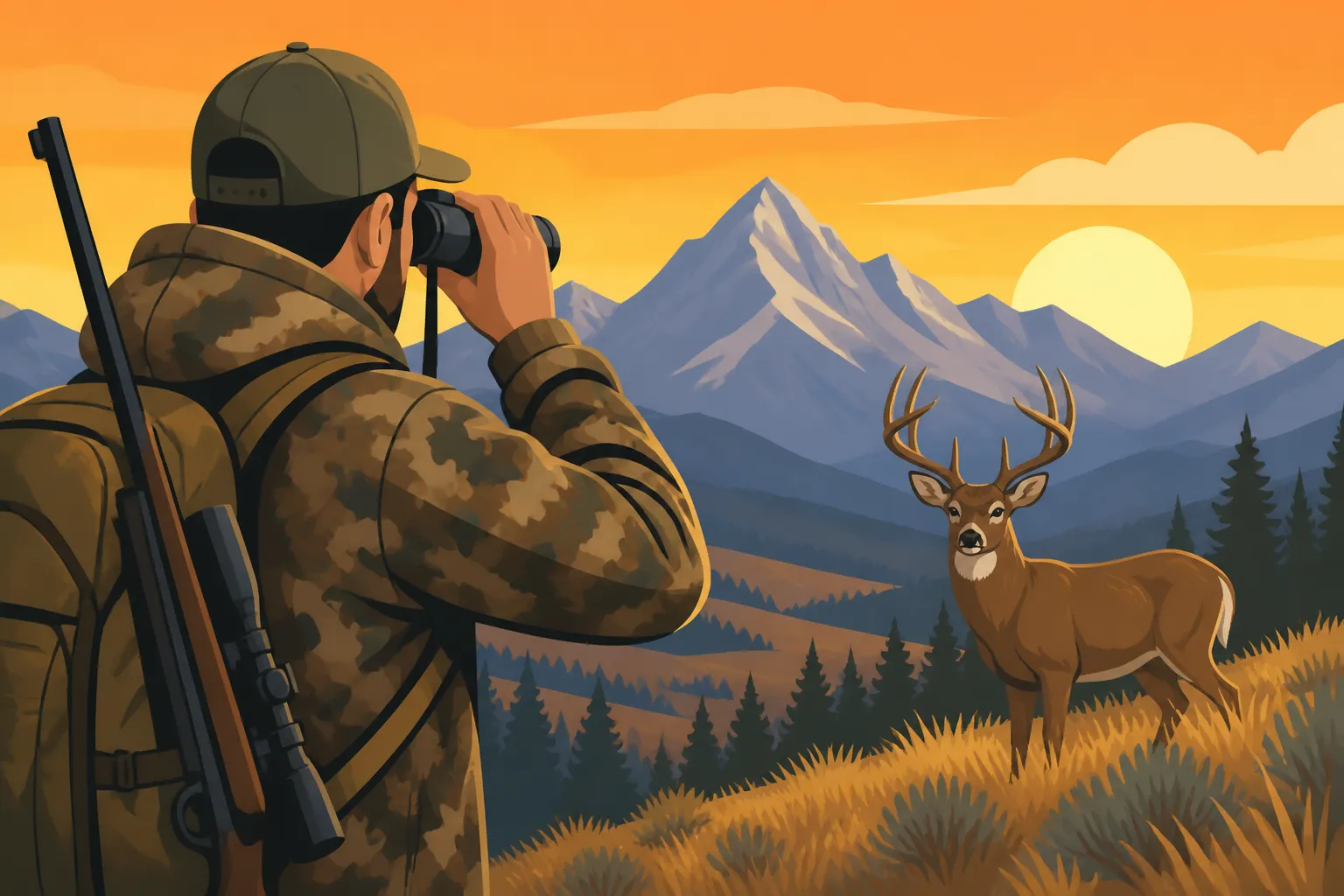
Montana Guided Whitetail Deer Hunt: What to Expect
Embarking on a guided whitetail deer hunt in Montana can feel like navigating a complex maze, especially for those unfamiliar with the state's vast private land or unique hunting regulations. Many hunters dream of pursuing a Big Sky whitetail but worry about securing access, understanding local deer behavior, or simply the logistics of an out-of-state hunt. This comprehensive guide will walk you through precisely what to expect when you choose a guided whitetail deer hunt in Montana, from initial planning to field experience, ensuring you're well-prepared for a successful and memorable adventure.
Why Choose a Guided Whitetail Hunt in Montana?
Montana offers incredible whitetail opportunities, particularly in its rich river bottoms and agricultural areas. However, much of this prime habitat is on private land, which can be a significant barrier for do-it-yourself hunters. This is where a guided hunt truly shines, unlocking access and expertise that would otherwise be out of reach.
Navigating Private Land Access
One of the biggest headaches for any hunter, especially a nonresident, is finding quality land to hunt. Montana's whitetail thrive on private agricultural lands and along fertile river corridors, areas often locked up behind fences. Trying to knock on doors and secure permission on your own can be a frustrating, time-consuming, and often fruitless endeavor. Landowners are understandably protective of their property and often have existing relationships with outfitters.
A reputable Montana outfitter has already done the heavy lifting for you. They've spent years cultivating relationships with private landowners, securing exclusive access to thousands of acres of prime whitetail habitat. This means you won't spend your valuable hunting time driving around, looking for "No Trespassing" signs or trying to guess where the deer might be. Instead, you'll be dropped into areas known to hold deer, increasing your chances of success exponentially. This access isn't just about quantity; it's about quality, often putting you in areas with less pressure and better potential for mature bucks.
Local Expertise and Scouting Advantage
Even if you could find private land access, understanding the local whitetail patterns, preferred bedding areas, and travel routes can take seasons of dedicated scouting. Montana's whitetails can behave differently depending on the region, whether it's the eastern plains or the river bottoms closer to the mountains. An outfitter and their guides are immersed in this knowledge year-round. They know the terrain intimately, have observed deer movement patterns through various weather conditions, and understand how to interpret sign.
This local expertise translates directly into a higher probability of success for you. Guides spend countless hours scouting before the season, setting up stands, checking trail cameras, and monitoring deer activity. They know where the deer are feeding, where they're bedding, and how they react to pressure or weather changes. This is invaluable intelligence that you simply cannot replicate as an unfamiliar hunter dropping in for a week. They can also advise on specific tactics, like when and how to call, or which stands are best for particular wind directions.
Logistics and Comfort
Let's be real, a hunting trip involves a ton of logistics. From finding lodging and preparing meals to transportation in rugged terrain and field care of your harvested animal, it can quickly become overwhelming. A guided hunt takes much of this burden off your shoulders, allowing you to focus solely on the hunt itself. Outfitters typically provide comfortable lodging, whether it's a cozy lodge, a well-appointed cabin, or a comfortable wall tent camp.
Meals are often included and prepared for you, ranging from hearty breakfasts before dawn to delicious dinners after a long day in the field. Transportation to and from your hunting locations is handled, often in vehicles suited for the terrain, sparing your personal truck from Montana's rough roads. And should you be successful, your guide will assist with field dressing, quartering, and packing out your deer, often arranging for meat processing and taxidermy services. This level of support truly elevates the experience, transforming what could be a stressful trip into a relaxing and highly focused hunting adventure.
What to Expect Before Your Montana Whitetail Hunt
The anticipation of a Montana whitetail hunt starts long before you ever set foot in the state. Proper preparation, from selecting your outfitter to securing your tags, is paramount to a smooth and successful trip.
Researching and Booking an Outfitter
Choosing the right outfitter is arguably the most critical step in planning your guided whitetail hunt. This isn't a decision to rush. Start by clearly defining your expectations: are you looking for a trophy hunt, a meat hunt, a comfortable lodge experience, or a more rustic camp? Once you have a clear picture, begin your research. Websites like BookYourHunt can be a great starting point for finding reputable outfitters that specialize in Montana whitetail deer. They often provide detailed descriptions of packages, photos, and client reviews, giving you a comprehensive overview.
Once you've identified a few potential outfitters, reach out to them directly. Ask plenty of questions:
- What is their average success rate for whitetail deer?
- What is the typical size of bucks harvested?
- What hunting methods do they primarily use (e.g., How to Hunt Montana Whitetail from a Tree Stand, How to Hunt Montana Whitetail in a Ground Blind, spot-and-stalk, still-hunting)?
- What is their guide-to-hunter ratio?
- What kind of lodging and meals are provided?
- What is included in the price, and what are the additional costs (licenses, tags, meat processing, taxidermy, tips)?
- Can they provide references from past clients, particularly for whitetail hunts?
Don't be shy about asking for references and actually calling them. A good outfitter will be transparent and proud of their client experiences. Discuss the season dates and optimal times to hunt, especially if you're targeting the rut. This research phase is your opportunity to ensure the outfitter's offerings align with your hunting goals and personal style.
Understanding Licenses and Tags
Montana's hunting license and tag system can feel a bit like a puzzle, especially for nonresidents. It's crucial to understand the process well in advance, as deadlines are firm and missing them can mean missing your hunt. For nonresidents, drawing a general deer license is often the first step, usually bundled as part of a combination license like the Deer/Elk Combo. There are also specific "B" licenses for antlerless deer, or sometimes special limited-entry permits for certain districts, though these are less common for general whitetail hunting.
You'll need to research the application timelines, which usually begin in January or February with a drawing in late March or early April. Websites like GoHunt provide valuable resources and tools to help you navigate the draw odds and application process, making it less intimidating. The nonresident deer combination license is competitive, and while whitetail tags are generally easier to draw than elk, it's never a guarantee. Many outfitters can guide you through the application process or point you to resources. Be aware of the Montana Hunting License Costs and the structure of nonresident draws, as outlined in the Montana Nonresident License Draw Explained guide, which can involve preference points for future applications if you don't draw.
Physical and Gear Preparations
While a guided whitetail hunt in Montana might not demand the same extreme physical conditioning as a backcountry elk hunt, being physically prepared is still essential. You'll likely be spending long hours in tree stands or ground blinds, which requires stamina and the ability to sit still and quiet. Depending on the hunting method, you might also do some walking, especially if still-hunting river bottoms or tracking a deer. Focus on general fitness, including core strength and flexibility, to enhance your comfort and alertness.
Your gear list should be tailored to Montana's diverse and often unpredictable weather. Here’s a general rundown:
| Category | Essential Items | Considerations |
|---|---|---|
| Clothing | Layered system (base, mid, outer layers) | Expect cold mornings, warm afternoons, rain, or snow. Pack for extremes. |
| Waterproof/windproof outer shell | Critical for staying dry and warm in adverse conditions. | |
| Warm hat, gloves/mittens | Hands and head lose heat quickly. | |
| Scent control clothing | Whitetail have an incredible sense of smell. | |
| Footwear | Insulated, waterproof hunting boots | Crucial for warmth and dryness, especially if sitting in a blind or stand. |
| Comfortable camp shoes | For relaxing around the lodge. | |
| Optics | Binoculars (8×42 or 10×42) | For glassing fields and timber edges. |
| Rangefinder | Essential for accurate shot placement. | |
| Weapon | Rifle/Muzzleloader/Bow (check regulations) | Ensure it's sighted in and you're proficient. Practice shooting from various positions. |
| Packs | Day pack | For essentials like water, snacks, extra layers, first-aid. |
| Miscellaneous | Headlamp with extra batteries | For navigating in the dark. |
| First-aid kit | For minor injuries. | |
| GPS device or reliable hunting app (e.g., onX Hunt) | For situational awareness, even with a guide. | |
| Camera | To capture memories. |
Always confirm with your outfitter for a specific packing list, as they know the conditions in their area best. This also ensures you have all the necessary items for Montana Backcountry Hunting Gear List or simply a good day pack setup.
On the Ground: Your Guided Whitetail Experience
Once you arrive in Montana, the real adventure begins. Your guided whitetail hunt will typically follow a structured yet flexible routine designed to maximize your chances of success and provide a comfortable experience.
Typical Hunting Scenarios and Methods
Montana outfitters employ various tactics for whitetail deer, often dictated by the terrain, habitat, and time of year (e.g., Montana Whitetail Rut Timing). You can expect a combination of methods:
- Tree Stand Hunting: This is a classic whitetail method and very common in Montana's river bottom and timbered areas. Your guide will likely have pre-scouted locations with active deer sign, such as scrapes, rubs, or heavy travel corridors, and set up stands well in advance. You'll typically be dropped off before daylight and picked up after dark, spending long hours patiently waiting. These stands are often positioned over food plots, pinch points, or near bedding areas, capitalizing on predictable deer movement.
- Ground Blind Hunting: Similar to tree stands, ground blinds offer concealment and are particularly effective in more open country, near agricultural fields, or along field edges where cover is sparse. They provide excellent concealment from sharp-eyed whitetails and offer protection from the elements, which can be a huge bonus on cold or windy days.
- Still-Hunting or Stalking: In certain scenarios, especially in timbered river bottoms or thick brush, your guide might lead you on a quiet still-hunt. This involves moving very slowly and deliberately through the habitat, pausing frequently to observe and listen for deer. This method requires a keen eye and stealthy movement, allowing you to intercept deer as they feed or travel.
- Calling and Decoying: During the rut, calling can be highly effective for whitetails. Your guide might employ techniques like rattling antlers, grunting, or doe bleats to lure bucks into range. Decoys, especially doe or buck decoys, can also be used in conjunction with calling to provide a visual attractant, drawing curious or aggressive bucks closer. Knowing How to Rattle for Montana Whitetail effectively is a skill your guide will possess, and you'll benefit from their experience.
The guide will assess the conditions daily—wind direction, temperature, recent deer activity—to determine the best strategy for that particular day. They'll position you for optimal shooting opportunities while minimizing your scent and movement.
Daily Schedule and Camp Life
A typical day on a guided Montana whitetail hunt starts early, often before dawn. You'll wake up to the smell of coffee and a hearty breakfast prepared by the outfitter or camp cook. After breakfast, you'll gather your gear, meet your guide, and head out to your designated hunting location, often a short drive from camp.
You'll spend the morning hours hunting, usually in a stand or blind. Depending on the setup and deer activity, you might stay out all day with a packed lunch, or return to camp for a midday break and hot meal. In the afternoon, you'll head back out, focusing on prime evening feeding or travel routes. The evening hunt typically concludes around dusk, after which you'll return to camp for a delicious dinner, sharing stories and recounting the day's events with your fellow hunters and guides.
Camp life is generally very comfortable. Most Montana outfitters offer lodges or cabins with amenities like hot showers, comfortable beds, and heating. The atmosphere is usually friendly and communal, with a strong focus on camaraderie and the shared passion for hunting. It’s a chance to relax, recharge, and learn from experienced hunters and guides.
Field Care and Trophy Handling
Should you be successful and harvest a whitetail, your guide's role becomes even more critical. They will assist you with every step of the field care process. This typically includes:
- Tracking and Recovery: If the deer doesn't drop immediately, your guide will lead the tracking effort, using their expertise to follow blood trails and recover your animal efficiently.
- Field Dressing: The guide will assist with field dressing the deer, a crucial step to cool the meat quickly and prevent spoilage. They'll ensure it's done properly, even in challenging conditions.
- Packing Out: Whitetail deer can be heavy, especially mature bucks. Your guide will help quarter the animal and assist in packing the meat and cape out of the field, whether it's by vehicle, ATV, or on foot. This is where those strong backs come in handy!
- Meat and Trophy Prep: Once back at camp, the guide will ensure the meat is properly hung and cooled. They'll also prepare the cape and antlers for transport to a local meat processor and taxidermist, if you choose. Many outfitters have established relationships with reputable local services, simplifying this process for you. They'll often provide detailed instructions on how to properly care for How to Keep Elk Meat Cool in Montana's Early Season, which applies to deer as well.
This comprehensive assistance means you don't have to worry about the practicalities after the shot, allowing you to savor the moment of your successful hunt.
Costs and Considerations for Your Guided Whitetail Adventure
Investing in a guided hunt is a significant decision, and understanding the financial aspects and how to make the most of your trip is key to a rewarding experience.
Breaking Down the Investment
The cost of a guided Montana whitetail deer hunt varies widely based on the outfitter's reputation, the amenities provided, the duration of the hunt, and whether it's a trophy or management hunt. Generally, you can expect the following components to contribute to the overall investment:
- Outfitter Fee: This is the core cost for the guide services, lodging, meals, and access to private land. The fee will fluctuate based on the length of the hunt (e.g., 5-day, 7-day) and whether it's a fully guided (one-on-one) or semi-guided (higher hunter-to-guide ratio) experience.
- Licenses and Tags: As mentioned, nonresidents will need a base hunting license and a deer tag, often acquired through a combination license draw. These fees are separate from the outfitter's price and must be paid to Montana Fish, Wildlife & Parks. Expect these to be a substantial upfront cost.
- Travel Expenses: Don't forget the cost of flights or fuel if driving, along with any hotels you might need before or after your hunt.
- Meat Processing and Taxidermy: If you harvest a deer, you'll have additional costs for processing the meat (cutting, wrapping, freezing) and potentially taxidermy if you want to mount your trophy. These services are typically paid directly to the local vendors.
- Gratuities (Tips): Tipping your guide and camp staff is customary and expected. This is a significant portion of their income and a way to show appreciation for their hard work and dedication. A general guideline is 15-20% of the total outfitter fee, split among the staff as appropriate.
- Gear and Equipment: While you likely own most of your hunting gear, there might be specific items you need to purchase or upgrade to be fully prepared for Montana's conditions.
Always get a detailed contract from your outfitter that clearly outlines what is included and what costs are your responsibility. This transparency prevents surprises and allows you to budget effectively. For a broader overview, consider exploring articles like How Much Is a Guided Whitetail Deer Hunt in Montana for general price ranges.
Maximizing Your Experience
A guided hunt is an investment, and you want to ensure you get the most out of it. Here are a few tips:
- Communicate Clearly: Be upfront with your outfitter and guide about your expectations, physical limitations, and hunting goals. If you're looking for a specific caliber of buck, or if you prefer a certain hunting method, let them know. Good communication helps them tailor the experience to you.
- Be Prepared: Arrive with your gear sorted, your weapon sighted in, and your body ready for the hunt. The more prepared you are, the less time you'll spend dealing with logistics and the more time you'll have to hunt.
- Listen to Your Guide: Your guide is the expert in the field. Listen to their instructions regarding stand placement, movement, shot angles, and deer behavior. Their knowledge is your greatest asset.
- Be Patient and Positive: Hunting can be unpredictable. There will be slow days, and not every hunt results in a harvest. Maintain a positive attitude, enjoy the natural beauty of Montana, and trust the process. The experience itself is often as valuable as the outcome.
- Ask Questions: Don't hesitate to ask your guide about the area, the deer, their strategies, or anything else you're curious about. Most guides love sharing their knowledge and passion. It's a fantastic opportunity to learn about How to Hunt Whitetail in Montana in a hands-on way.
- Embrace the Montana Experience: Beyond the hunt itself, take time to appreciate the stunning Montana scenery, the wildlife, and the unique culture of Big Sky Country. A guided hunt isn't just about bagging a deer; it's about the entire adventure.
A guided whitetail deer hunt in Montana can be an incredible, immersive experience, offering access to prime hunting grounds and invaluable local expertise. By understanding what to expect, preparing thoroughly, and communicating effectively with your outfitter and guide, you'll set yourself up for an unforgettable adventure in pursuit of the elusive Big Sky whitetail.
Disclaimer
This article is for general informational purposes only and does not constitute professional advice. Laws, prices and regulations vary by location and change over time. Consult a qualified professional for guidance on your specific situation.