Montana Hunting Outfitters Near Havre
Oh, the dream of a Montana hunt! It's enough to get any hunter's heart pounding, but let's be real – figuring out the logistics can feel like trying to track a ghost in a blizzard. Especially when you're looking at a specific area like Havre, with its unique blend of prairie, river bottoms, and distant mountains, finding the right hunting outfitter can be daunting. This guide is here to cut through the confusion, helping you understand what to look for, how to vet potential partners, and ultimately, how to plan a successful hunt with an outfitter near Havre, Montana.
Understanding the Havre Hunting Landscape
Havre, often called the "Gem of the Hi-Line," sits in a truly unique part of Montana. It's not the dramatic mountain peaks you might picture in southwestern Montana, but a vast, rolling landscape with its own rugged beauty and diverse wildlife. This distinct environment means that a successful outfitter here needs a specific kind of local expertise, very different from what you'd find in, say, the Paradise Valley.
Species and Terrain in North-Central Montana
When you're looking at hunting near Havre, you're primarily thinking about plains game. This region is a stronghold for various species, each thriving in its own niche within the diverse terrain.
- Deer: Both mule deer and whitetail deer are prevalent. Whitetails tend to stick to the lush river bottoms along the Milk River and its tributaries, often found in dense pockets of cottonwoods and brush. Mule deer, on the other hand, are kings of the coulees and badlands, accustomed to the more open, rolling prairie and broken country. Understanding these distinct habitats is crucial, as an outfitter specializing in river bottom whitetails might use entirely different tactics than one focused on glassing mule deer in the breaks.
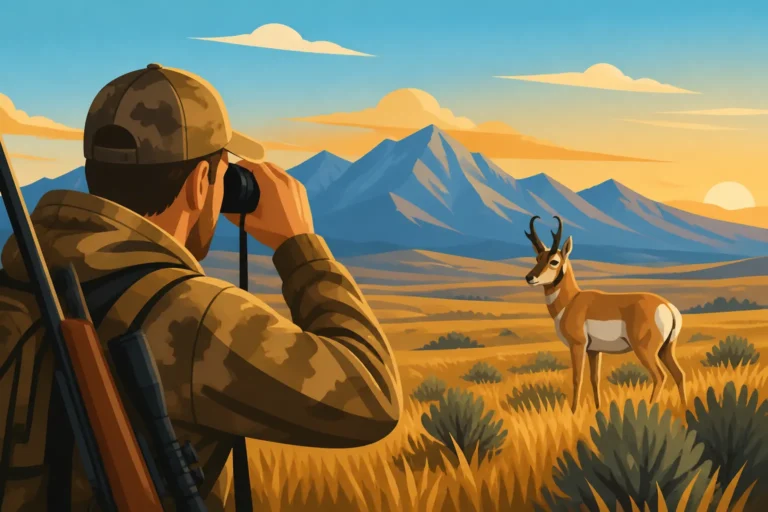
- Antelope: Montana is famous for its speed goats, and the plains around Havre are absolutely teeming with them. You'll find antelope dotted across the open grasslands, making for exciting spot-and-stalk opportunities. These hunts often require long-range glassing and quick decisions, as these animals are incredibly wary. Many hunters specifically target this area for its high antelope populations. You can dive deeper into the specifics by checking out our guide on Montana Antelope Hunting Guide.
- Upland Birds: Beyond big game, the area also offers fantastic opportunities for upland bird hunting, including pheasants, sharp-tailed grouse, and Hungarian partridge. These hunts often complement a big game trip, offering a different kind of challenge and a chance to fill the game vest.
- Elk (Limited): While not the primary elk country, you might find some scattered elk herds in the broken, rugged terrain southwest of Havre, particularly as you approach the Bear Paw Mountains. However, most outfitters in the immediate Havre vicinity will focus on deer and antelope, as those are the dominant big game species. If elk is your primary target, you might need to broaden your search to areas further west or south, but it's worth asking an outfitter if they have access to any fringe elk country. For more on general elk hunting, see our Montana Elk Hunting Guide.
The terrain itself is a mix. You'll encounter vast stretches of unbroken native prairie, deep coulees carved by ancient water flow, eroded badlands, and the aforementioned riverine environments. An outfitter who truly understands these micro-climates and how game utilizes them throughout the seasons will be invaluable.
Public vs. Private Land Dynamics Near Havre
Montana is often celebrated for its public land access, and rightly so. However, near Havre, the land ownership can be a complex mosaic, with significant portions of private ranchland interspersed with public tracts. This dynamic is a huge factor when considering an outfitter.
- Public Land Opportunities: You'll find Bureau of Land Management (BLM) lands and State Trust Lands available for hunting. These offer fantastic DIY opportunities, but they can be pressured and require extensive scouting and local knowledge to navigate successfully. An outfitter might utilize unpressured public land that's harder for independent hunters to find or access. If you're considering a public land hunt, our Montana Public Land Hunting Guide offers some great insights.
- Private Land Access: Many of the best hunting opportunities, especially for trophy-quality animals, are found on the vast private ranches surrounding Havre. Gaining access to these lands as a solo hunter can be incredibly difficult, often requiring personal connections or extensive groundwork. This is where an outfitter truly shines. Many Havre-area outfitters operate primarily on private lands through exclusive leases or long-standing relationships with landowners. This provides a controlled hunting experience, often with less pressure and higher success rates, which is a significant draw for many hunters.
- Block Management Areas (BMAs): Montana also has its fantastic Block Management program, where private landowners allow public hunting access on enrolled lands, often with specific rules and access methods. While not a fully guided experience, some outfitters might utilize BMAs as part of their strategy, or you might find them mentioned as a potential alternative. You can learn more about this valuable program in our guide on Montana Block Management Areas Explained.
When talking to outfitters, always ask about their land access. Do they primarily hunt public ground, private ground, or a mix? What are the implications for your tag (e.g., general tag vs. specific permit)? The answer will often dictate the style of hunt, the potential for success, and the overall cost.
What to Look For in a Havre Hunting Outfitter
Choosing an outfitter is a big decision, a substantial investment of time and money. You want someone who not only knows their stuff but also aligns with your hunting goals and expectations. This is especially true when narrowing your search to a specific locale like Havre, where local knowledge is paramount.
Expertise in Local Conditions
This can't be stressed enough: local expertise is everything in hunting, and even more so when hiring a guide. A great outfitter near Havre won't just know "Montana elk hunting" in a generic sense; they'll understand the specific nuances of hunting the Milk River bottom for whitetails, or how mule deer move through the coulees after an early season snow, or the best way to decoy antelope on the expansive Hi-Line plains.
- Years in the Area: How long has the outfitter been operating specifically in the Havre area? Someone who grew up there or has guided that region for decades will have invaluable knowledge about animal patterns, seasonal shifts, and the best places to be.
- Species Specialization: Does the outfitter specialize in the species you're most interested in? While some offer multi-species hunts, an outfitter known for their consistent success with Havre mule deer might be a better choice for a mule deer hunt than one who only occasionally guides for them. Ask them about their typical season, which species they prioritize, and their strategies for each.
- Understanding Weather and Migrations: The weather in north-central Montana can be wild and unpredictable. A truly experienced outfitter will know how a sudden cold front or an early snowstorm will impact game movement, especially for species like deer and antelope that might shift their patterns dramatically. They should be able to articulate how they adapt their strategies to changing conditions. Our article on Montana Hunting Seasons Explained can give you a general overview, but local outfitters will have the micro-level detail.
Services Offered and Hunt Styles
Not all guided hunts are created equal. You'll find a range of services, and understanding the differences will help you match an outfitter to your preferences and budget.
- Fully Guided Hunts: This is the most comprehensive option. The outfitter provides guides, lodging, meals, transportation in the field, and often field dressing and caping. You show up, hunt, and they handle almost everything else. This is ideal for hunters looking for a truly immersive experience with minimal personal logistics. It's often the most expensive option, but it offers the highest level of service and comfort.
- Semi-Guided Hunts: This style offers a balance. The outfitter might provide a camp, some meals, and general guidance on hunting areas, but you'll do a significant portion of the actual hunting on your own or with your group. They might drop you off in a good spot or provide maps and advice. This is often a more budget-friendly option and suits hunters who enjoy more independence but still want some local insight and logistical support.
- Drop Camps (Less Common for Havre Plains): While more common in mountain elk country, a "drop camp" essentially means the outfitter packs you into a remote area, sets up a camp, and then leaves you to hunt on your own, returning to pick you up at a predetermined time. While less typical for the open plains around Havre, some outfitters who hunt the more rugged breaks or fringes of the Bear Paws might offer variations of this. For a general understanding of what these entail, you can check out Montana Drop Camp Hunts Explained.
When discussing hunt styles, be specific about what you're looking for. Do you want to be driven to a stand or spend all day spot-and-stalking? Are you comfortable with long hours of glassing? Do you want to try How to Call Elk in Montana (if targeting elk) or mostly rely on optics for deer and antelope? Ensure the outfitter's approach aligns with your expectations.
Licensing, Insurance, and Reputation
Before you commit, it's absolutely vital to vet any outfitter thoroughly. This isn't just about finding a good hunter; it's about finding a legitimate, professional, and ethical business.
- Montana Licensing: All legitimate outfitters in Montana must be licensed by the state. Don't be shy about asking for their license number or looking them up on the state's outfitter and guide registry. This is your baseline assurance that they meet legal operating standards.
- Insurance: A reputable outfitter will carry commercial liability insurance. This protects both them and you in the unlikely event of an accident or incident during the hunt. Ask about their insurance coverage; if they balk, it's a major red flag.
- References and Reviews: Ask for a list of recent clients you can contact. Speaking directly with past hunters will give you the clearest picture of what to expect – both good and bad. Look for consistent feedback regarding animal sightings, guide professionalism, camp quality, and overall experience. Additionally, check online reviews on hunting forums, social media, and reputable outfitter directories like BookYourHunt. While online reviews should be taken with a grain of salt (people tend to leave reviews when they're extremely happy or extremely upset), they can provide a general sentiment. You can find more comprehensive advice on this topic in our guide How to Vet a Montana Hunting Outfitter.
- Safety Protocols: Inquire about their safety procedures. What happens in an emergency? What are their protocols for firearm handling, ATV use, or dealing with potentially dangerous wildlife? A professional outfitter will have clear, well-rehearsed safety plans.
Finding and Vetting Outfitters in the Havre Area
The process of finding and selecting an outfitter near Havre can be broken down into a few key steps. It's about combining online research with direct communication to ensure you make the best choice.
Online Resources and Platforms
The internet has revolutionized how hunters find outfitters. While nothing beats direct conversation, online tools are a great starting point.
- Outfitter Directories: Websites like BookYourHunt specialize in connecting hunters with outfitters worldwide. You can often filter by location (e.g., Montana, or even closer to Havre if the filter is granular enough), species, and hunt style. These platforms often include client reviews, photos, and detailed hunt descriptions. They can be a fantastic way to discover several potential outfitters in one place and compare their offerings.
- State Wildlife Agency Websites: The Montana Fish, Wildlife & Parks (FWP) website is an invaluable resource. While they don't endorse specific outfitters, they list licensed outfitters and guides operating in the state. This is an excellent way to cross-reference names you find elsewhere and verify their legitimacy.
- Hunting Forums and Social Media: Online hunting communities are buzzing with information. Search for discussions about "Havre hunting" or "North-Central Montana outfitters." You'll often find recommendations, personal experiences, and even warnings about certain operations. Just remember to verify information and be wary of overly enthusiastic or negative anonymous posts.
- Mapping Tools: Tools like GoHunt or OnX Hunt are indispensable for pre-scouting and understanding the lay of the land, even if you're using an outfitter. They allow you to visualize public and private land boundaries, topography, and access points around Havre. This empowers you to ask more informed questions of your potential outfitter and understand the terrain they describe. Our guide on How to E-Scout Montana Hunting Units offers more tips on using these tools.
Direct Contact and Interview Questions
Once you have a shortlist, the real work begins: picking up the phone or sending that email. Treat this like an interview, because it is. You're interviewing them to lead your hunt.
- Initial Contact: Start with an email or phone call outlining your interests: desired species (deer, antelope, or both?), preferred dates, number in your party, and any specific expectations (e.g., archery vs. rifle, trophy vs. meat hunt). This allows the outfitter to quickly assess if they can meet your needs.
- Key Questions to Ask: Don't hold back. A good outfitter will appreciate your thoroughness. Here's a table of essential questions:
| Category | Questions to Ask Your Havre Outfitter |
|---|---|
| Experience | How long have you been guiding in the Havre area specifically? What's your primary hunting focus (species, terrain)? |
| Land Access | Do you primarily hunt private or public land? How much acreage do you have access to, and how is it managed? |
| Hunt Style | Describe a typical day on this hunt. What methods do you primarily use (spot-and-stalk, still-hunting, blinds)? |
| Success Rates | What were your success rates (harvest and opportunity) for this species in the last few years? (Be realistic; 100% is rare.) |
| Guides | How many guides are on staff? What is the guide-to-hunter ratio? Are your guides licensed and experienced? |
| Camp/Logistics | What are the lodging and meal arrangements? What transportation is used in the field? |
| What's Included | Please provide a detailed list of what's included in the hunt price (food, lodging, guide, field care, transportation). |
| What's NOT Included | What expenses should I budget for separately (licenses, taxidermy, meat processing, tips, travel to Havre)? |
| Booking/Payment | What are your deposit and cancellation policies? When is final payment due? |
| References | Can you provide 3-5 recent references for clients who hunted the species I'm interested in? |
| Post-Hunt | How do you handle game recovery, field dressing, caping, and transport of game to a processor? |
| Physical Demands | What are the physical demands of this hunt? (Crucial for knowing if it's a good fit for you.) |
- Listen Carefully: Pay attention not just to what they say, but how they say it. Are they transparent? Do they sound knowledgeable and passionate? Do they answer your questions thoroughly or evade them? This interaction can tell you a lot about their professionalism and integrity. For more tips on this, see How to Choose a Montana Hunting Outfitter.
Understanding Costs and Inclusions
Cost is almost always a factor, and it's important to understand that "cost" isn't just the sticker price. There are many variables involved.
- Varying Prices: Guided hunt prices can vary wildly based on species, duration, camp amenities, guide-to-hunter ratio, and whether it's on private or public land. Expect prices to reflect the level of service and the difficulty of the hunt. Remember that while a Montana Guided Elk Hunt Cost might be higher, a mule deer or antelope hunt near Havre will have its own pricing structure.
- The "All-Inclusive" Myth: Few hunts are truly "all-inclusive." Always get a written breakdown of what your hunt package covers. This typically includes the guide's services, lodging, and meals. What's often not included are:
- Licenses and Tags: These are almost always purchased separately by the hunter. Be aware of application deadlines for Montana Big Game Draw Deadlines and costs for a Montana Antelope Season Dates and Tags or Montana Whitetail Deer Season Dates and Tags hunt.
- Travel to Havre: You'll be responsible for getting yourself to the designated meeting point near Havre.
- Meat Processing & Taxidermy: After the kill, you'll typically be responsible for the cost of having your meat processed and any trophies handled by a taxidermist. Many outfitters will assist with transport to a local processor, but the bill is yours.
- Tips: Tipping your guide and camp staff is customary and expected. This is a significant additional expense often overlooked by first-time guided hunters. Discuss this with the outfitter beforehand to understand typical gratuity percentages.
- Personal Gear: Your rifle or bow, ammunition, optics, clothing, and other personal hunting gear are your responsibility.
- Payment Schedule: Understand the deposit requirements and the schedule for final payment. Get everything in writing, including cancellation policies.
Planning Your Hunt Near Havre
Even with an outfitter, a successful hunt requires your active participation in planning. Knowing the best time to go and preparing yourself properly will significantly enhance your experience.
Timing Your Hunt for Success
The timing of your hunt in the Havre area can dramatically impact the experience and your chances of success, especially depending on the species you're after. Montana's Montana Hunting Seasons Explained are distinct and knowing them for your target species is key.
- Antelope: The archery season for antelope typically opens in early September, offering a fantastic opportunity for spot-and-stalk or blind hunting over waterholes before the rifle pressure begins. The general rifle season usually kicks off in October. The rut for antelope often falls in late September or early October, which can be an exciting time to hunt them as bucks are more active. For detailed dates, consult Montana Antelope Season Dates.
- Mule Deer: Archery season for mule deer in this part of Montana generally aligns with the elk archery season, starting in early September. The general rifle season for deer usually runs from late October through November. Many hunters target the late October to mid-November timeframe to coincide with the mule deer rut, when bucks are more visible and less cautious. This can be a prime time for finding trophy animals. For a comprehensive look, our Montana Mule Deer Hunting Guide has more information.
- Whitetail Deer: Similar to mule deer, the whitetail archery season typically starts in early September, and the general rifle season from late October through November. The whitetail rut usually peaks in mid-November, making this a highly sought-after time for rifle hunters hoping to catch bucks actively chasing does. Hunting whitetails in the river bottoms near Havre during the rut can be a truly exciting experience, but it also means dealing with potentially colder weather.
Discuss specific timing with your outfitter. They will have intimate knowledge of when game activity is highest and when their private land access is most productive.
Physical Preparation and Gear Considerations
Hunting the Havre area, while perhaps not as physically demanding as a high-country elk hunt, still requires a reasonable level of fitness and the right gear to ensure comfort and success. Don't underestimate the long days, walking through uneven terrain, and potentially challenging weather.
- Physical Fitness: You might not be climbing thousands of feet, but you'll likely be walking miles each day, potentially covering rough ground in coulees, over fences, and through dense river bottom cover. Furthermore, long hours spent glassing require stamina and focus. Even if you're hunting from a truck or ATV for part of the day, you'll still need to be able to get out and pursue game quickly and quietly. Being in good walking shape, with strong legs and good endurance, will make your hunt much more enjoyable and increase your chances of success.
- Optics: Given the open nature of much of the country around Havre, high-quality optics are absolutely non-negotiable. A good pair of 10x binoculars, mounted on a tripod, will be your best friend for spotting game at extreme distances across the plains. A spotting scope (20-60x or higher) is also highly recommended for evaluating animals from afar before making a move. Being able to effectively How to Glass Montana's Big Country will be a cornerstone of your hunting strategy.
- Layered Clothing: North-central Montana weather is notoriously fickle. You could start your day with frost on the ground and be sweating in the afternoon sun, only for a cold front to roll in by evening. Layering is key: a good base layer to wick moisture, an insulating mid-layer, and a waterproof/windproof outer shell are essential. Don't forget a warm hat and gloves, especially for early morning and late evening sits.
- Footwear: Comfortable, broken-in hunting boots are crucial. Choose a pair that provides good ankle support for uneven terrain and is waterproof, as you might encounter wet grass, mud, or even shallow water in river bottoms.
- Weapon: Ensure your rifle or bow is sighted in and you are proficient with it. For the open country around Havre, shots can often be longer than expected, so practicing at extended ranges is wise. Discuss caliber recommendations with your outfitter, especially for mule deer and antelope.
Remember, your outfitter will have specific gear recommendations based on their particular style of hunt and the typical weather conditions for your chosen dates. Always consult with them for their definitive packing list.
Disclaimer
This article is for general informational purposes only and does not constitute professional advice. Laws, prices and regulations vary by location and change over time. Consult a qualified professional for guidance on your specific situation.