Montana Hunting Outfitters Near Dillon
Planning a hunt in Big Sky Country, especially around a specific gem like Dillon, Montana, can feel like navigating a maze. The sheer amount of public land, diverse game species, and the unique challenges of the terrain can be overwhelming for anyone, let alone someone unfamiliar with the region. This guide is here to cut through that confusion, helping you understand why considering a reputable outfitter near Dillon might be your best bet for a successful and memorable hunting adventure.
Understanding the Hunting Landscape Near Dillon
Dillon, Montana, nestled in the heart of Beaverhead County, is truly a hunter's paradise. But it's not just the quantity of game that draws people here; it's the sheer diversity of the landscape, offering everything from vast sagebrush flats to rugged, timbered mountains. This unique blend presents both incredible opportunities and significant challenges, making local knowledge invaluable.
Dillon's Unique Geography and Terrain
The area surrounding Dillon is a patchwork of diverse ecosystems. To the west, you have the sprawling Beaverhead-Deerlodge National Forest, characterized by high-elevation peaks, dense timber, and remote wilderness areas like the Gravelly Range and the Tobacco Root Mountains. This is classic big-timber elk and mule deer country, often requiring significant physical exertion and backcountry savvy. The terrain here can be steep, rocky, and unforgiving, with elevations often soaring well above 7,000 feet. Navigating these areas, especially during unpredictable fall weather, demands careful planning and robust gear.
Contrast that with the eastern side of Dillon, where the landscape gradually transitions into more open, rolling foothills and expansive sagebrush plains. While still offering pockets of cover, these areas are generally more accessible and are prime habitat for pronghorn antelope, as well as mule deer and some whitetail deer in river bottoms. The hunting tactics here are vastly different, often relying on long-range glassing and strategic stalks across open country. Understanding these distinct zones and their specific demands is crucial for any hunter hoping to succeed in the Dillon area.
Primary Game Species in the Dillon Area
Dillon is renowned for its exceptional big game hunting, particularly for three iconic species:
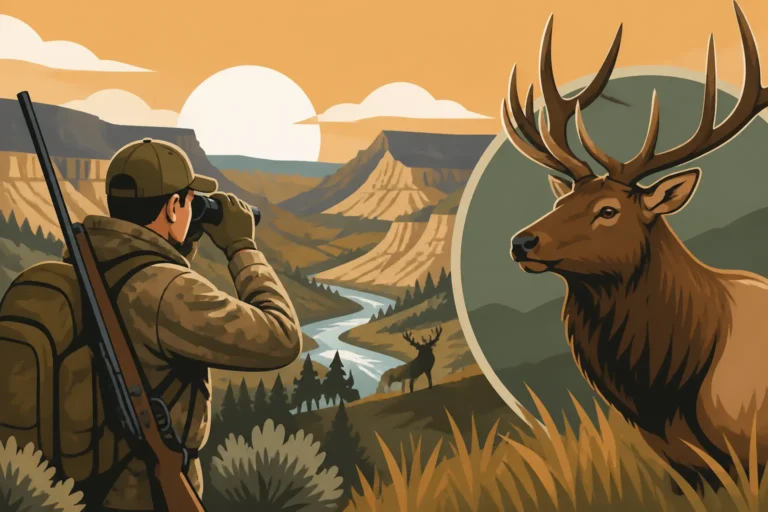
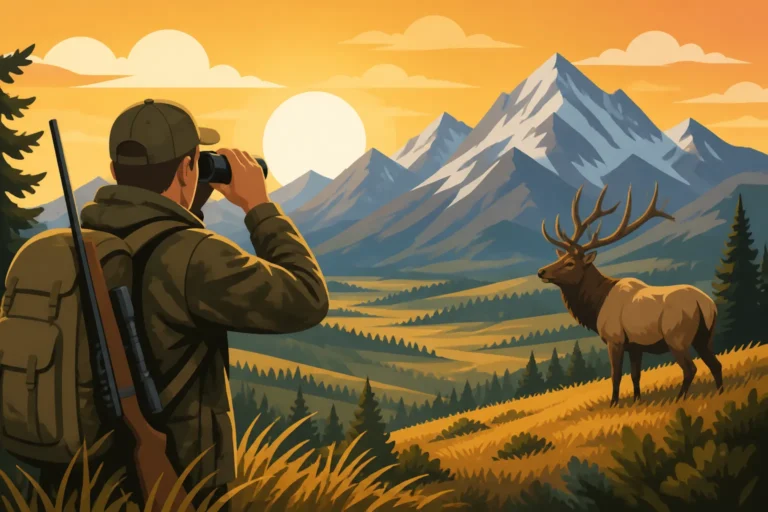
- Elk: The mountain ranges surrounding Dillon, especially within the Beaverhead-Deerlodge National Forest, hold healthy elk populations. These elk often inhabit dense timber during the day, moving to open parks and clearings to feed at dawn and dusk. Hunting here can involve challenging hikes into remote basins, navigating steep slopes, and mastering tactics like calling or still-hunting. Many hunters dream of a Montana elk hunt, and the Dillon area offers prime opportunities for both archery and rifle seasons.
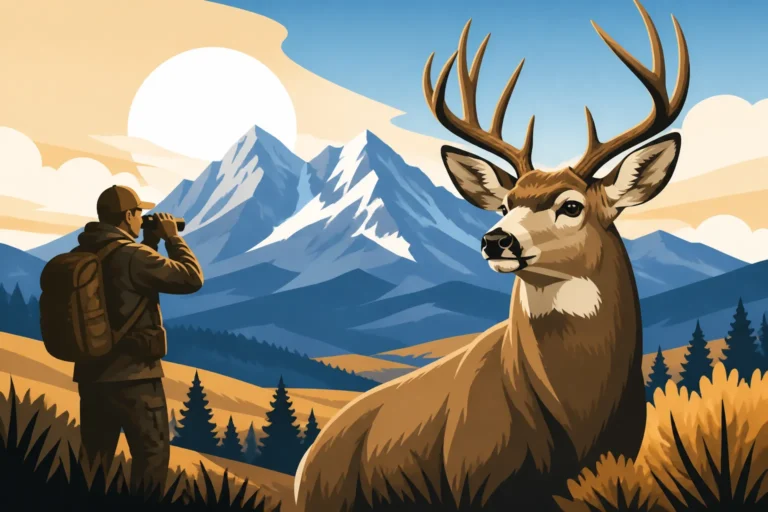
- Mule Deer: Dillon is a stronghold for quality mule deer, often found coexisting with elk in the mountains, but also thriving in the foothills and even venturing onto the agricultural lands bordering public access. Trophy mule deer bucks are a coveted prize, requiring keen glassing skills and patience to locate them in their diverse habitats, from high-country basins to the broken sagebrush country. If you're looking for a challenging but rewarding hunt, mule deer are an excellent target. For more detailed strategies, check out our guide on Montana Mule Deer Hunting Guide.
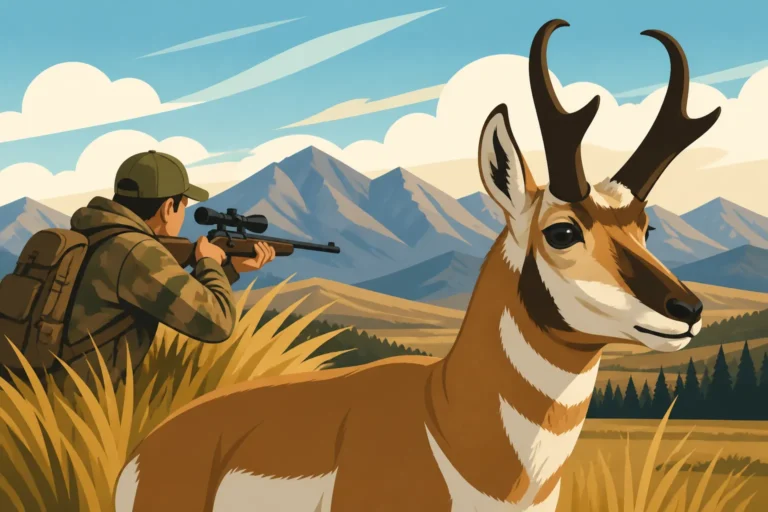
- Antelope: The open plains and rolling hills east of Dillon are classic antelope country. These animals are incredibly fast and possess exceptional eyesight, making a successful hunt a true test of stealth and strategy. Spot-and-stalk is the name of the game here, often involving long crawls and careful use of terrain to close the distance. The 900-series antelope tags are a popular choice for hunters seeking these speedsters. Our article on Montana Antelope Hunting Guide dives deeper into specific tactics.
Other species like black bear, moose (permit-only and very difficult to draw), and various upland birds can also be found in the broader region, adding to the allure of Dillon as a comprehensive hunting destination.
Why Consider a Hunting Outfitter Near Dillon?
For many hunters, the idea of a fully DIY hunt in Montana is the ultimate adventure. And for some, it absolutely is! But for others, especially those traveling from out of state, those new to Western hunting, or those with limited time or physical capabilities, a reputable outfitter can be a game-changer. They provide not just a service, but a shortcut to understanding this complex landscape.
Leveraging Local Expertise and Access
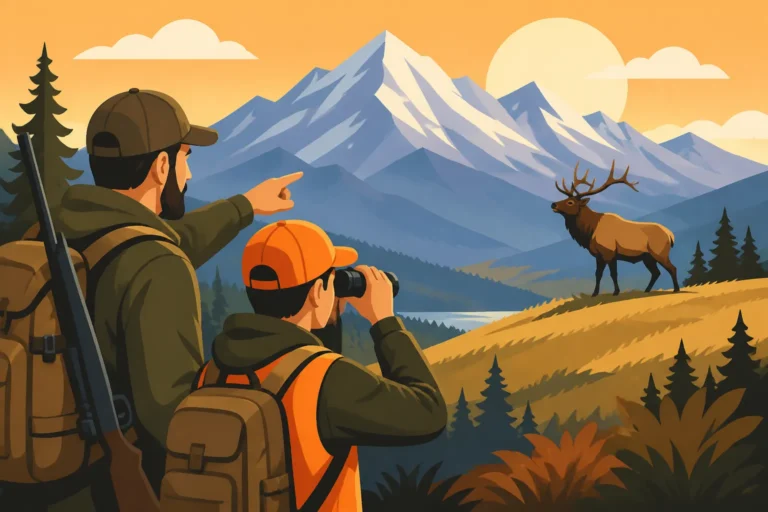
One of the biggest advantages of hiring a local outfitter near Dillon is their intimate knowledge of the area. They don't just know where to hunt, they know how the animals move, what their patterns are, and where they tend to hold up under various conditions. This isn't knowledge you can gain from a map or a few days of scouting; it's built over decades of boots-on-the-ground experience. A good outfitter has tracked elk through every kind of snowstorm, knows where the big mule deer bucks hide when the pressure is on, and understands the thermals that dictate animal movement in the mountains.
Beyond local know-how, many outfitters have secured access to prime private land. While Montana boasts incredible public land opportunities, the ability to hunt private ground can significantly increase your chances of success, especially for specific species or during certain times of the season when public land pressure is high. This access is something nearly impossible for a solo hunter to arrange on short notice, but it's a staple for many established outfitters. They often have relationships with landowners that have been built over years, sometimes generations, providing exclusive hunting opportunities.
Streamlining Logistics and Enhancing Safety
Let's be honest, planning a Western hunt involves a mountain of logistics. From coordinating travel, securing lodging, scouting areas, packing in gear, to ensuring you have all the right permits and licenses, it can quickly become overwhelming. An outfitter handles much of this for you. They can arrange for delicious meals, comfortable camp setups (whether it's a cozy cabin or a well-appointed wall tent camp), transportation to hunting areas, and even the critical task of packing out your animal. This frees you up to focus on the hunt itself, rather than worrying about the endless details of managing a remote camp.
Safety is another huge factor, especially when venturing into the rugged Montana backcountry. Outfitters are typically experienced in wilderness first aid, navigation, and dealing with unexpected situations, from sudden weather changes to wildlife encounters. They also provide reliable communication in areas where cell service is non-existent. For a hunter who might not have extensive backcountry experience, having a seasoned professional lead the way significantly reduces risk and allows for a much more confident and enjoyable experience. Consider exploring our Montana Backcountry Hunting Guide for more on the challenges and rewards of this kind of hunting.
Overcoming Challenges for New or Distant Hunters
If you're new to Western hunting, the learning curve can be steep. The scale of the landscape, the physical demands, and the different hunting tactics required for mountain or plains game are vastly different from hunting in other parts of the country. An outfitter acts as a mentor, teaching you the ropes, guiding you through the process, and helping you develop the skills necessary for success. This hands-on guidance can be invaluable for building confidence and a foundation for future hunts.
For non-resident hunters, the cost and time investment of a Montana hunt are significant. Maximizing your chances of success and having a truly memorable experience becomes paramount. An outfitter helps ensure that your investment pays off. They understand the intricacies of the Montana Nonresident License Draw Explained and can even offer outfitter-sponsored tags in some cases, simplifying the permit process. Platforms like BookYourHunt can connect you directly with outfitters in the Dillon area, allowing you to browse options and compare services efficiently, while GoHunt's resources can further aid in researching specific units and potential outfitter reviews.
How to Choose the Right Outfitter Near Dillon
Finding the perfect outfitter is a lot like finding the perfect hunting partner – you want someone reliable, knowledgeable, and who shares your values for the hunt. It's not a decision to be taken lightly, and a little due diligence goes a long way.
Researching and Vetting Potential Outfitters
The first step is thorough research. Start by looking for outfitters specifically advertising hunts in or around the Dillon area. Pay attention to the species they specialize in, the type of terrain they typically hunt (e.g., high-country elk, plains antelope, or river-bottom whitetail), and the style of hunt they offer (e.g., archery, rifle, fully guided, drop camp). Websites like BookYourHunt are excellent resources for finding a curated list of outfitters and often include detailed profiles, client testimonials, and clear breakdowns of services offered. Another great resource is the Montana Outfitters and Guides Association (MOGA), which lists licensed outfitters and is a good starting point for verifying credentials.
Once you have a shortlist, the real vetting begins. Don't be afraid to ask direct and detailed questions. Inquire about their experience, their success rates (and how they define success), their specific hunting areas, and what happens if you don't tag an animal. Crucially, ask for references—and follow up with them! Talk to past clients about their experiences, both positive and negative. Did the outfitter deliver on their promises? Was the camp comfortable? Was the food good? Was the guide attentive and knowledgeable? These candid conversations can provide invaluable insights that brochures and websites simply can't.
Key Questions to Ask and What to Look For
When you're talking to potential outfitters, have a list of questions ready. Here are some vital ones:
- Licensing and Insurance: "Are you licensed by the State of Montana as an outfitter, and are your guides licensed?" "Do you carry appropriate liability insurance?" This is non-negotiable for your safety and peace of mind.
- Hunting Areas: "Which specific hunting districts do you operate in around Dillon?" "Do you hunt public land, private land, or both?" "How do you handle access to Block Management Areas (BMAs)?" Understanding their hunting grounds will give you a better sense of the type of hunt you'll experience. Our guide to Montana Hunting Districts Explained can help you understand the various unit numbers and regulations.
- Success Rates and Expectations: "What are your typical success rates for the species I'm interested in?" "How do you define success (e.g., opportunity vs. harvest)?" Be wary of outfitters who guarantee a kill. A good outfitter will be honest about the challenges and realistic about opportunities.
- Hunt Style and Physical Demands: "What is the typical daily routine?" "What are the physical demands of this hunt?" "What kind of shots can I expect (e.g., average range)?" "What's the guide-to-hunter ratio?" This helps ensure the hunt matches your expectations and physical capabilities.
- What's Included (and Not Included): Get a clear list of what the hunt package includes: meals, lodging, transportation in the field, field dressing, caping, packing out, etc. Also, understand what's not included, such as licenses, tags, meat processing, taxidermy, personal gear, and tips. A detailed discussion on What's Included in a Montana Guided Hunt can help you prepare.
Consider using resources like GoHunt to research specific hunting units near Dillon that an outfitter mentions. This allows you to cross-reference their claims with readily available public data, giving you a more complete picture.
Understanding Costs and What's Included
The cost of a guided hunt near Dillon can vary significantly based on the species, duration, level of service (e.g., fully guided vs. drop camp), and the outfitter's reputation. Generally, you can expect to pay a deposit upfront to secure your dates, with the remaining balance due closer to the hunt.
Here's a breakdown of common inclusions and exclusions:
| Feature | Fully Guided Hunt (Typical) | Drop Camp Hunt (Typical) |
|---|---|---|
| Guide Service | 1:1 or 2:1 guide-to-hunter ratio | No dedicated guide |
| Meals | All meals provided (often gourmet) | Self-prepared, bring your own |
| Lodging | Comfortable camp (wall tent, cabin) | Basic tent setup, sometimes shared |
| Transportation | To/from hunting areas, sometimes horses | To/from drop-off point, then DIY |
| Field Care | Field dressing, caping, packing out | Mostly DIY, or by arrangement |
| Gear Provided | Some camp gear, horses | Basic camp gear (tent, stove) |
| Licenses/Tags | Excluded | Excluded |
| Meat Processing | Excluded (outfitter may recommend) | Excluded |
| Taxidermy | Excluded | Excluded |
| Gratuities (Tips) | Expected | Expected (for packers/wranglers) |
Always clarify these details in writing before committing. Reputable outfitters will provide a clear contract outlining all terms, conditions, and inclusions. Don't be shy about asking for this documentation.
Preparing for Your Dillon-Area Guided Hunt
Once you've chosen your outfitter, the real excitement (and work) begins! Proper preparation is key to making the most of your investment and ensuring you have a safe, enjoyable, and successful hunt.
Physical Conditioning for Mountain and Plains Hunts
Hunting around Dillon, whether in the rugged mountains or the expansive plains, is physically demanding. You'll be walking miles each day, often at elevation, potentially carrying heavy gear, and certainly if you're successful, packing out meat. Don't underestimate the physical challenge. Start an exercise regimen months before your hunt. Focus on:
- Cardiovascular Fitness: Hiking, running, or stair climbing with a weighted pack will mimic the exertion of mountain hunting. Aim for activities that elevate your heart rate for extended periods.
- Strength Training: Focus on your legs, core, and back. Squats, lunges, and deadlifts will build the strength needed for steep ascents and descents, and for handling the weight of an animal.
- Flexibility and Mobility: Stretching and yoga can help prevent injuries and improve your range of motion, which is crucial for navigating uneven terrain.
Discuss the specific physical requirements with your outfitter. They can give you a realistic assessment of what to expect and tailor your preparation accordingly. For more guidance, our article on Montana Elk Hunt Fitness Plan offers specific exercises and strategies.
Essential Gear and Packing Considerations
Your outfitter will provide a detailed packing list, and it's crucial to stick to it. However, a few key areas deserve special attention for a Dillon-area hunt:
- Layered Clothing: Montana weather is famously unpredictable. You can experience all four seasons in a single day. Pack layers that you can add or remove as temperatures fluctuate. Think moisture-wicking base layers, insulating mid-layers, and a waterproof/windproof outer shell. Good quality wool or synthetic fabrics are superior to cotton.
- Footwear: Invest in high-quality, broken-in hunting boots that offer excellent ankle support and traction. If you're mountain hunting, consider something sturdy and waterproof. For plains hunting, comfortable, durable hiking boots might suffice. Bring camp shoes for comfort around camp.
- Optics: Good binoculars (10×42 or 10×50 are popular choices) are indispensable for spotting game in vast Western landscapes. A spotting scope can be invaluable for judging animals at long distances, especially for mule deer and antelope. Don't skimp on quality here; clear glass makes a world of difference. Learn more about Best Optics for Montana Big Game.
- Rifle/Bow: Ensure your weapon is sighted in and you've practiced extensively at various ranges and from different shooting positions. Know your effective range and stick to it. For rifle hunters, familiarize yourself with shooting from a prone position with a backpack rest, as this is a common field shooting scenario.
Remember, less is often more, especially if you're hiking into a backcountry camp. Focus on quality, multi-use items, and always bring essential personal medications and a basic first-aid kit.
Navigating Regulations and Ethical Hunting
Montana has specific hunting regulations that can be complex. Your outfitter will be well-versed in these, but it's your responsibility as a hunter to understand and abide by them. Pay close attention to unit boundaries, legal shooting hours, specific weapon restrictions, and tag requirements. The Montana Fish, Wildlife & Parks (FWP) website is the official source for all regulations.
Ethical hunting goes hand-in-hand with legal hunting. This includes fair chase principles, ensuring quick and humane kills, proper field care of your animal, and respecting the land and other users. Outfitters emphasize these principles, as their reputation and continued access depend on it. Always follow your guide's instructions regarding shot selection and game recovery. Responsible hunting preserves the tradition for future generations and maintains positive relationships with landowners and the public.
The Guided Hunt Experience Near Dillon
So, you've done your research, booked your outfitter, and prepared diligently. Now, what can you actually expect once you arrive in Dillon for your hunt?
Typical Day in a Guided Hunt Camp
While every outfitter runs their camp a little differently, a typical day on a guided hunt around Dillon often follows a similar rhythm:
- Early Morning: Days start early, often well before dawn. You'll wake up to the aroma of coffee and a hearty breakfast prepared by camp staff. This fuels you for the day's adventure.
- In the Field: Your guide will have a plan based on recent scouting, weather conditions, and animal movement. This might involve a truck ride, an ATV trek, or a horseback ride to a trailhead, followed by a hike into prime hunting areas. For archery elk in the rut, it could mean hiking into a basin at night to be set up to call at first light. For mule deer, it might be climbing a ridge to glass for hours. The goal is to get into position to locate game during their most active periods.
- Mid-Day: Depending on success or animal movement, you might break for a packed lunch in the field, or return to camp for a hot meal. Guides often use this time to scout, strategize, or simply rest before the afternoon hunt.
- Evening Hunt: As animals become active again, you'll be back in the field, often focusing on feeding areas, water sources, or bedding cover.
- Return to Camp: After dark, you'll return to camp for a warm dinner, sharing stories of the day's events, and planning for the next morning. It's a time for camaraderie and winding down after a long day.
- If Successful: If you harvest an animal, the "work" truly begins! Your guide will lead the field dressing, caping, and quartering process. Packing out an elk from the backcountry is a demanding task, often involving multiple trips with heavy packs. This is where a good outfitter and their team truly shine, ensuring the meat is handled properly and safely transported. Our guide on How to Pack Out an Elk in Montana offers a glimpse into this demanding but rewarding process.
Beyond the Harvest: Learning and Enjoying Montana
While harvesting an animal is often the goal, the guided hunt experience offers so much more. It's an opportunity to immerse yourself in the incredible landscapes of Montana, learn from seasoned professionals, and create lasting memories. Your guide can teach you about animal behavior, tracking techniques, ethical shot placement, and even the local history and ecology. It's a chance to disconnect from the daily grind and reconnect with nature in its purest form.
Even if you don't fill your tag, a well-run guided hunt provides valuable lessons and unforgettable experiences. You'll gain a deeper appreciation for the challenges of Western hunting, the beauty of the Dillon area, and the satisfaction of pushing your physical and mental limits. Many hunters return year after year, not just for the chance at an animal, but for the full Montana experience that their trusted outfitter provides.
Disclaimer
This article is for general informational purposes only and does not constitute professional advice. Laws, prices and regulations vary by location and change over time. Consult a qualified professional for guidance on your specific situation.